



Vintage Silver Candelabra
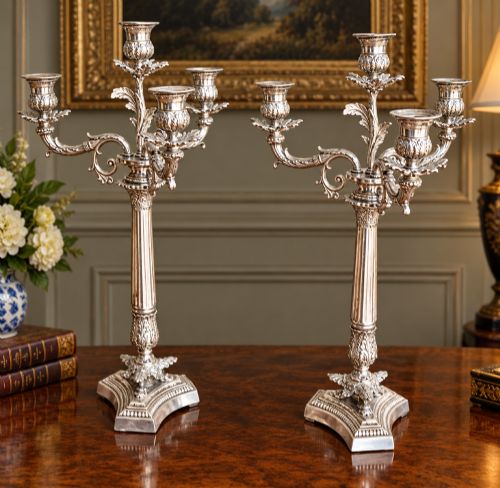
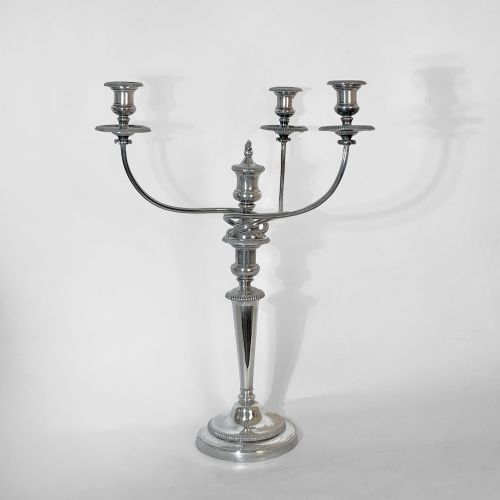
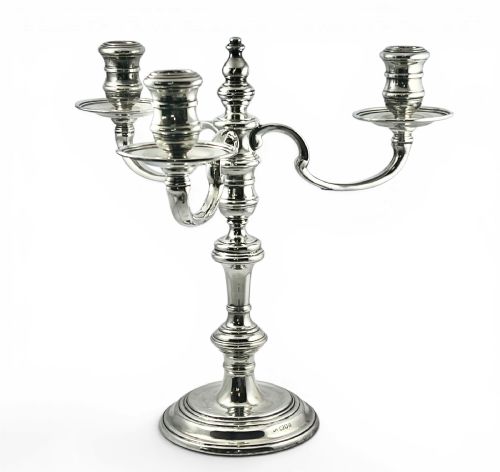
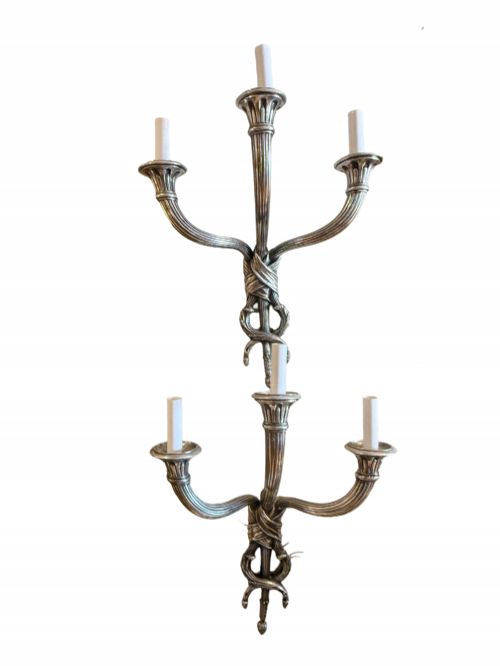
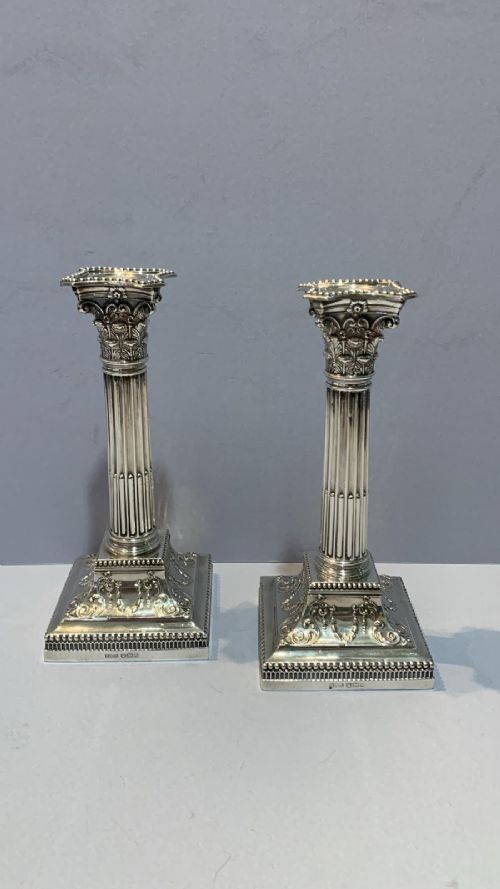
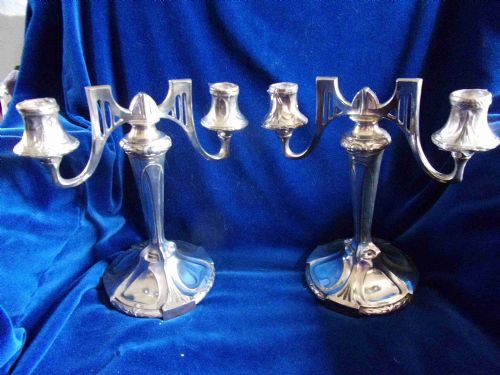
These vintage silver candelabra bring genuine presence to a dining table, combining solid weight with classic branching forms.
Identifying Vintage Silver Candelabra
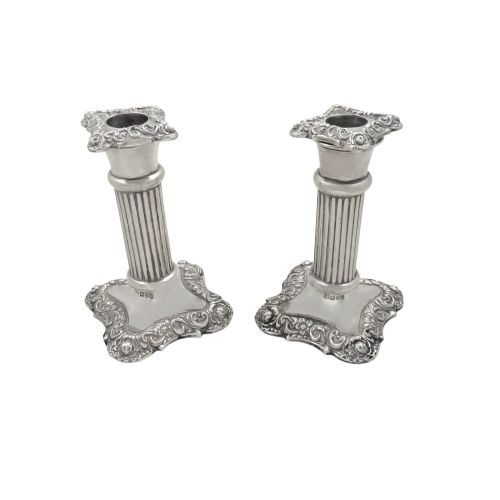
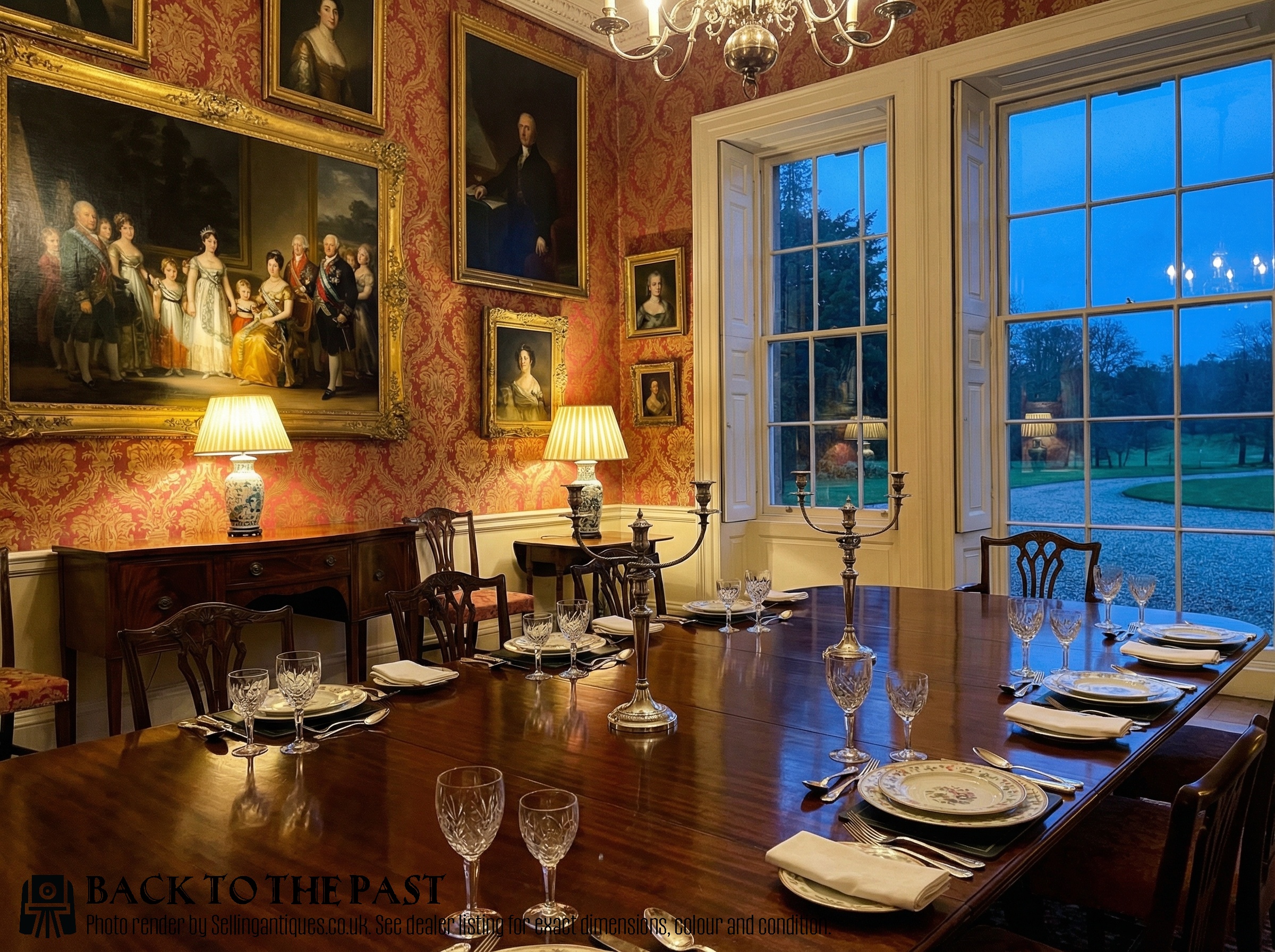
When you search for vintage silver candelabra, you encounter pieces spanning from the mid-nineteenth century through to the mid-twentieth century. The selection ranges from robust Victorian rococo revival pairs to streamlined arts and crafts American sterling silver pieces and later mid-century examples.
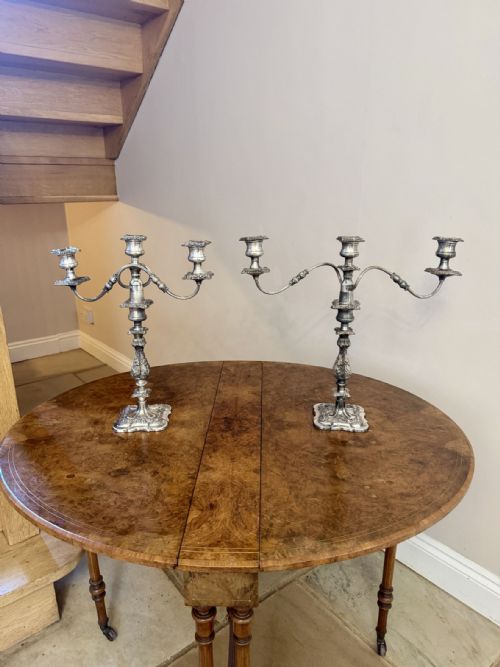
Most items on this page are silver plated or Sheffield plate constructions, though sterling silver pieces appear alongside nickel silver and copper elements. You will find both single candelabra and matched pairs, configured with two, three, or four lights.
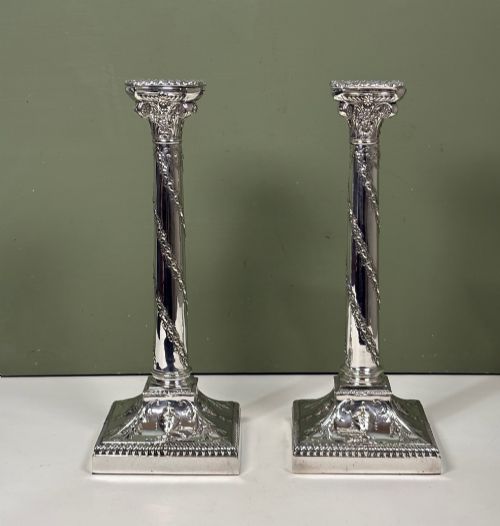
Stylistic influences draw heavily on earlier eras, with Georgian revival and neoclassical revival motifs sitting alongside distinct Victorian and Edwardian manufacturing periods. Forms vary from circular bases to elaborate multi-branch candelabras that convert from standard candlesticks.
Materials and Construction
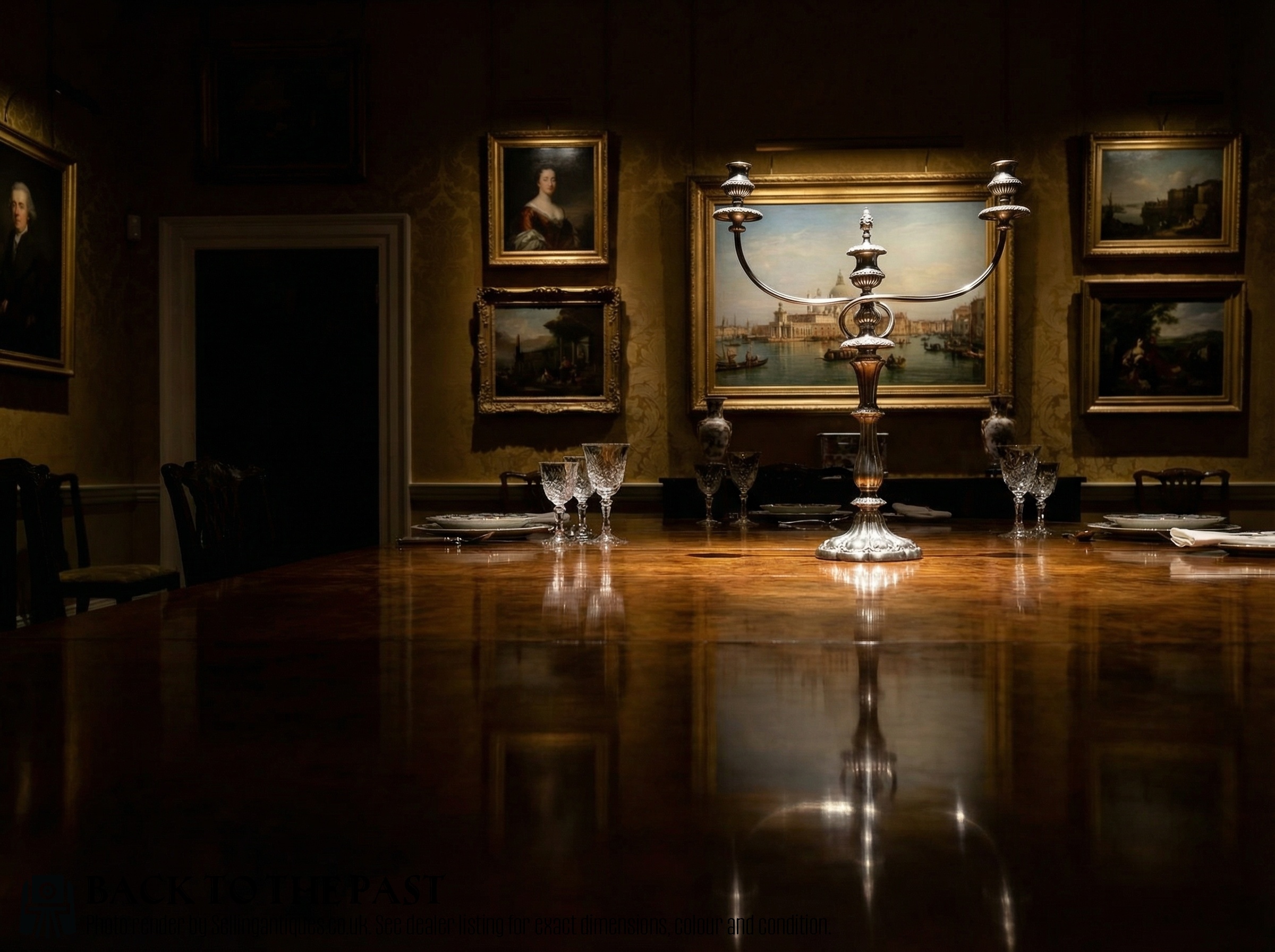
Makers utilised a foundation of copper, nickel silver, or base metal, applying either standard silver plating or traditional Sheffield plating techniques. Sterling silver versions provide solid precious metal construction throughout the body and branches.
Design execution relies on casting, soldering, and spinning methods, particularly evident in the construction of detachable branches, weighted circular bases, and ornate drip pans. Surface finishing involves hand polishing to achieve the characteristic lustre across ribbed, fluted, or cast rococo scrollwork.
Retail Price Guide 2026
Typical UK retail prices for vintage silver candelabra, calculated from the Sellingantiques database of over a million retail prices indexed since 2003. This retail price guide relies exclusively on Sellingantiques data; no external sources or auction records are used, so the figures do not describe the wider market.
Listings span from eighteen-fifty through to nineteen-sixty, featuring sterling silver, silver plate, nickel silver, and copper.
Markers of Distinction
Quality rests in the crispness of the cast ornamentation and the structural integrity of the branching arms where weight distribution matters most. Pieces bearing identifiable maker marks from established firms display superior thickness of silver plate over the base metal.
The proportion between the weighted circular base and the height of the branches dictates visual balance and stability. Finer examples maintain smooth joints and secure fitting sockets that allow the arms to sit level without wobble.
Smith & Sissons & Co·Barker Ellis
The Vintage Silver Candelabra Glossary
- Sheffield Plate
- A fused composite material made by melting a sheet of silver to a copper ingot. This method defines earlier plate production before electroplating became common.
- Silver Plate
- A thin layer of silver applied to a base metal such as copper or nickel silver. It offers the visual appeal of solid silver at a different scale of production.
- Sterling Silver
- An alloy comprising ninety-two point five percent silver and seven point five percent other metals, usually copper. This standard ensures durable structural strength for precious metal objects.
- Candelabra
- A branched candlestick holder designed to support multiple candles simultaneously. The term covers both single multi-armed fixtures and matched pairs.
- Rococo Revival
- A decorative style popular in the nineteenth century characterised by asymmetrical scrollwork, naturalistic shell motifs, and curving floral forms.
Frequently Asked Questions
Are these candelabra solid silver?
The materials vary across the selection, with the majority constructed from silver plate or Sheffield plate over a base metal foundation. Sterling silver versions are explicitly noted when present.
Checking the hallmarks or base markings helps determine whether a piece is solid precious metal or plated ware.
How do I date a candelabra?
Dating relies on stylistic markers such as Victorian rococo revival scrollwork, Edwardian elegance, or later arts and crafts simplicity. Manufacturing techniques and any stamped maker marks further narrow the period.
Comparing the base construction and weight distribution against known manufacturing eras provides additional chronological context.
Can the branching arms be removed?
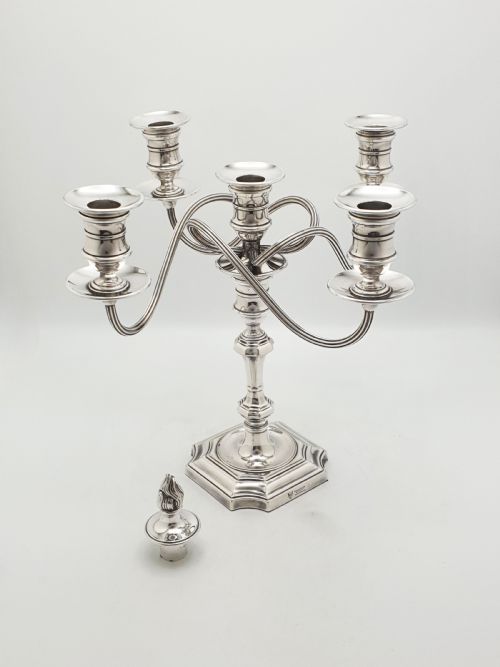
Many designs feature a central removable nozzle or detachable branch assembly that converts a multi-light candelabra into a standard single candlestick. This modular construction was common for cleaning and varied table arrangements.
Care should be taken when separating components to avoid straining the fitted socket or screw threads.
How should I clean silver plated candelabra?
Maintenance requires a soft cloth and a gentle silver polish formulated specifically for plated items to avoid wearing through the outer layer. Regular dusting prevents tarnish buildup in recessed cast details.
Avoid harsh abrasive dips that can strip the plating from the underlying copper or base metal.