


Edwardian Silver Candelabra
Edwardian silver candelabra bring formal dining light from the early twentieth century into modern rooms with polished branches and solid proportions.
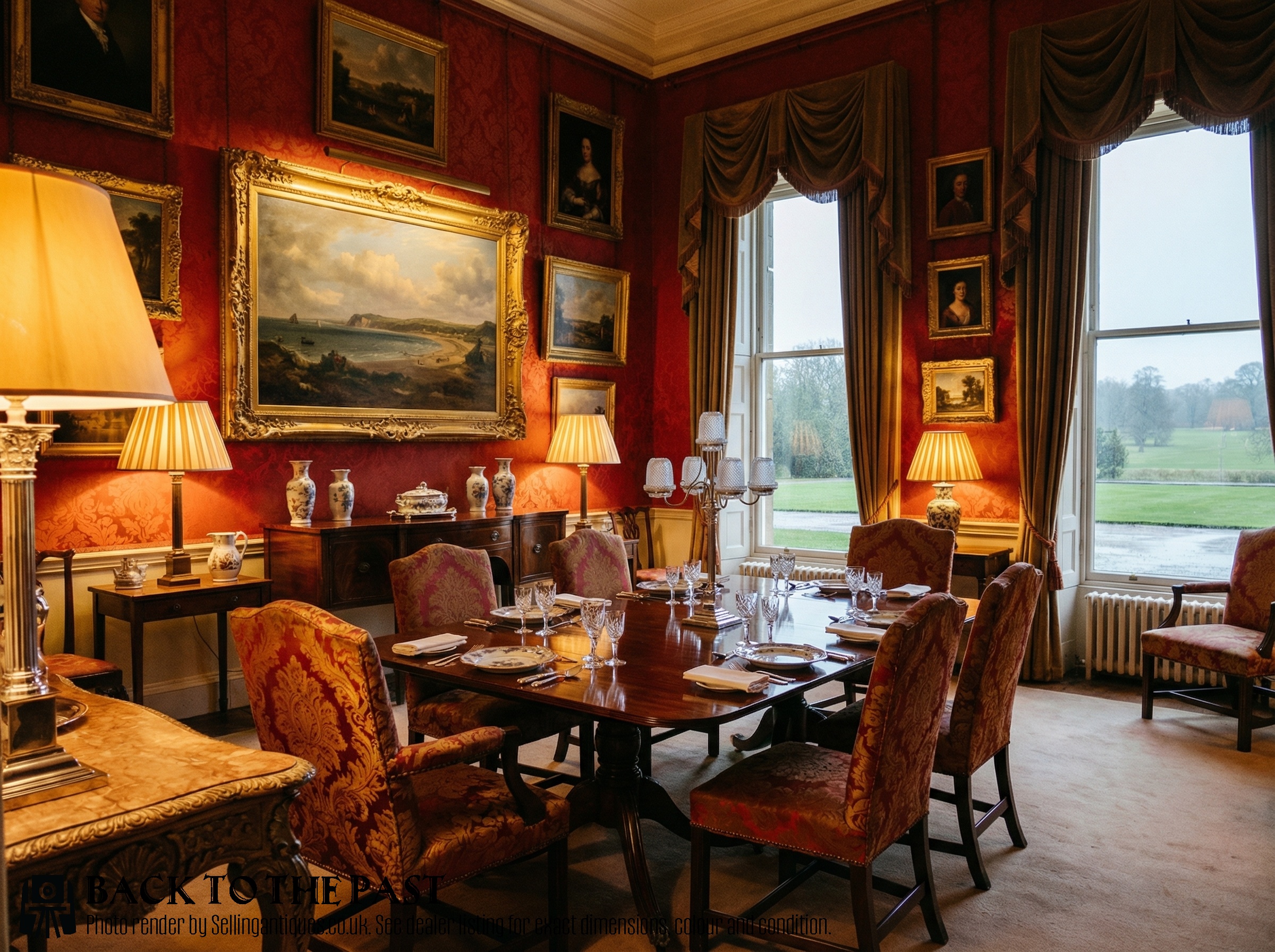
Edwardian Silver Candelabra
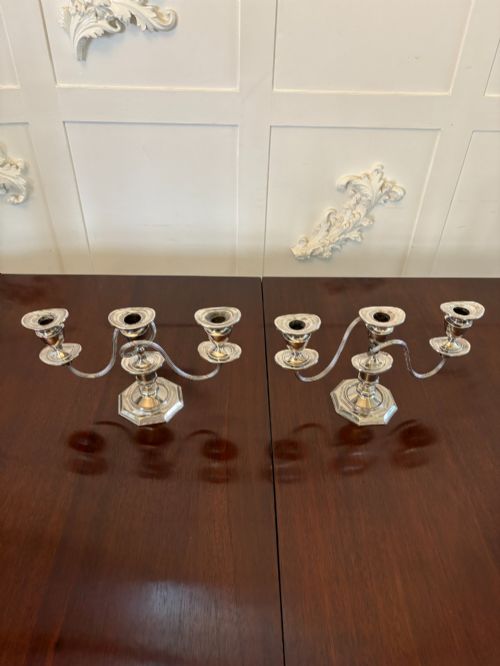
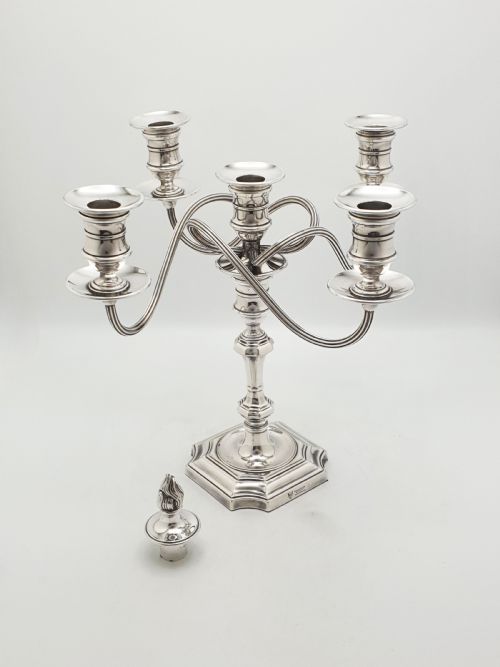
Edwardian silver candelabra encompass multi-light table centerpieces and matched pairs of candlesticks produced during the early twentieth century. When searching for Edwardian silver candelabra, buyers encounter sterling silver examples bearing hallmarks from Sheffield and London alongside substantial silver plated designs.
The objects take forms ranging from single-branch candlesticks to five-light candelabra suites, sometimes incorporating glass elements or adapted candle lamps. Most pieces appearing on the market date from the period between eighteen ninety and nineteen twenty.
Makers and manufacturers produced these lighting fixtures to serve grand dining tables and drawing rooms. The surviving inventory leans heavily towards silver plated items alongside select sterling silver commissions.
Materials and Construction
Makers utilised sterling silver and electroplated nickel silver over base metal cores to achieve the bright reflective finishes seen on these pieces. Silver plating techniques involved depositing a layer of silver onto base metals like brass or nickel.
Many examples incorporate weighted bases filled with resin or plaster to provide stability for the branching arms. Glass inserts and components appear in specific lamp and candelabra configurations, adding texture alongside the metal work.
Edwardian Silver Candelabra Retail Price Guide 2026
Typical asking prices for edwardian silver candelabra among the pieces listed under this phrase on Sellingantiques today, from the lower quarter to the upper quarter. They describe what is for sale here now, not the wider market.
Listings feature sterling silver and silver plated items alongside nickel, brass, glass, and base metal components from the Edwardian era.
Assessing Quality
Quality rests upon the crispness of casting detail in the decorative mounts and the structural integrity of the branching arms. Pieces showing deep relief work and substantial metal thickness sit at the upper end of the range.
The condition of the silver plating relative to the underlying base metal determines the visual appeal of plated examples. Sterling silver pieces derive their distinction from clear hallmarks and heavy gauge construction rather than plating retention.
Kayser
The Edwardian Silver Candelabra Glossary
- Sterling Silver
- A standard alloy consisting of ninety-two point five percent silver by mass, with the remainder being copper or other metals. Items made from this standard often carry assay office hallmarks.
- EPNS
- Electroplated Nickel Silver, a common base metal alloy coated with a thin layer of pure silver through an electrical process. This material provided an affordable alternative to solid sterling.
- Jugendstil
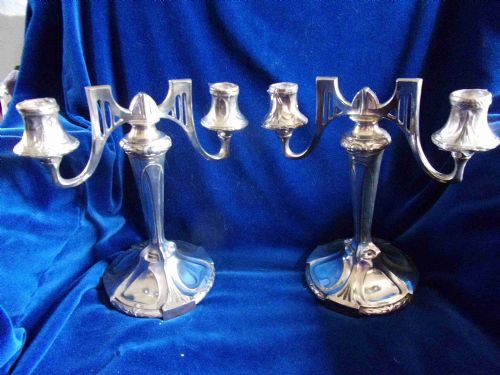
- The continental European manifestation of Art Nouveau, characterised by flowing organic lines and natural motifs. This style appears on select imported candelabra from the era.
- Hallmark
- An official stamp applied to precious metals indicating the purity, maker, and year of assay. English silver typically displays town marks alongside the standard lion passant.
Edwardian Silver Candelabra: Frequently Asked Questions
How do I clean silver plated candelabra?
Silver plated items require gentle cleaning with a soft cloth and specialised silver polish to preserve the thin metallic layer.
Avoid harsh abrasive cleaners that can wear through the electroplated surface down to the base metal underneath.
Were these candelabra made for candles or electricity?
The pieces from this era were manufactured exclusively for wax candles or specialised burning oils used in candle lamps.
Conversion to electricity often alters the original form, so most collectors keep them configured for traditional illumination.
How do I identify an Edwardian piece?
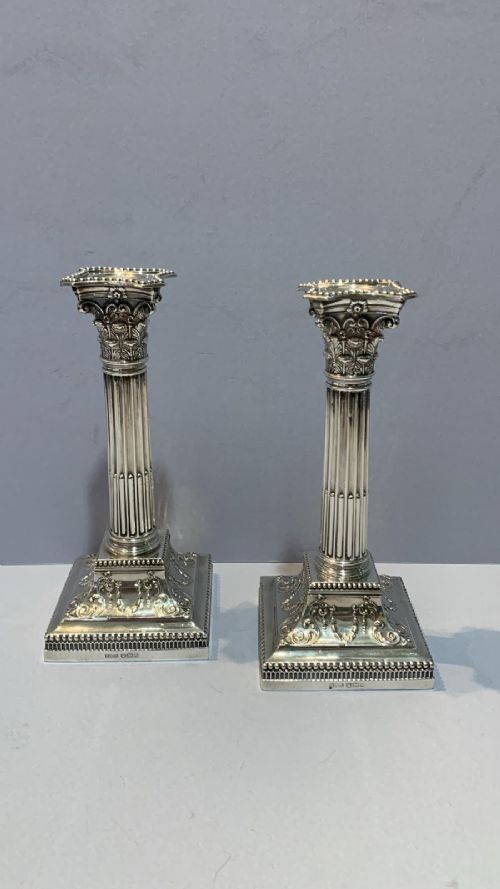
Edwardian items typically display neoclassical revival motifs, columnar forms, and softer decorative detailing than heavy Victorian pieces.
Hallmarked sterling examples carry date letters corresponding to the reign of King Edward the Seventh.
Can I use mismatched candlesticks together?
Many surviving pieces were originally sold as matched pairs or larger suites, which remains the preferred format for dining tables.
Mismatched items can still function visually if they share similar heights and period characteristics.