




Edwardian Dining Table Decor
Edwardian dining table decor brings together silver napkin rings, menu holders, place card holders, candlesticks and knife rests from the early twentieth century.
Edwardian Dining Table Decor
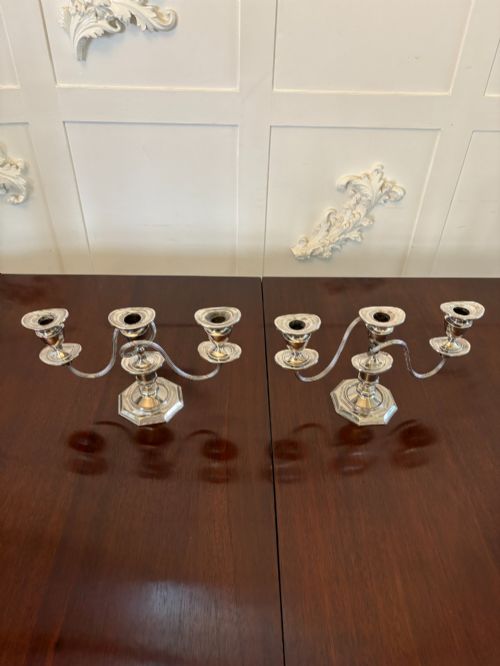
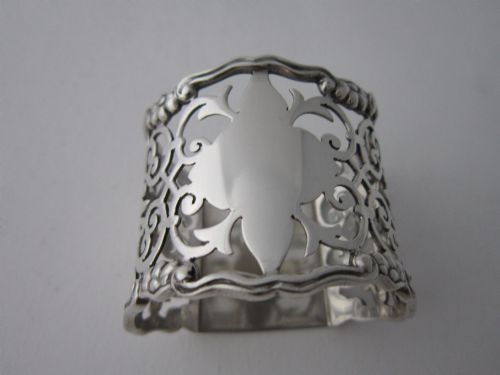
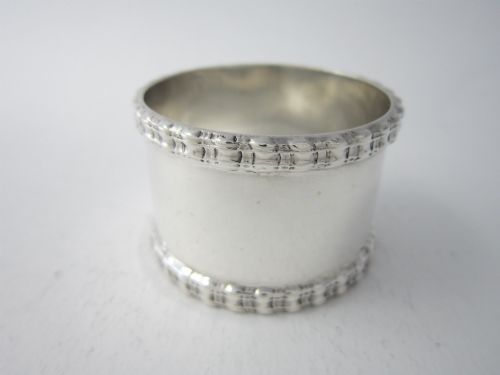
Edwardian dining table decor comprises the small silver and plated items used to dress a formal dining table during the early twentieth century. These objects include napkin rings, menu holders, place card holders, candlesticks and knife rests.
The pieces appearing on this page span the Edwardian period, the subsequent George V era, and late Victorian years, alongside revivals from the nineteen-thirties. Makers ranged from prominent firms like Mappin & Webb, Liberty and the Guild of Handicraft to unnamed workshops.
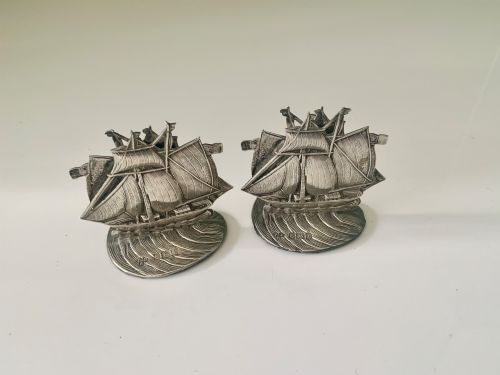
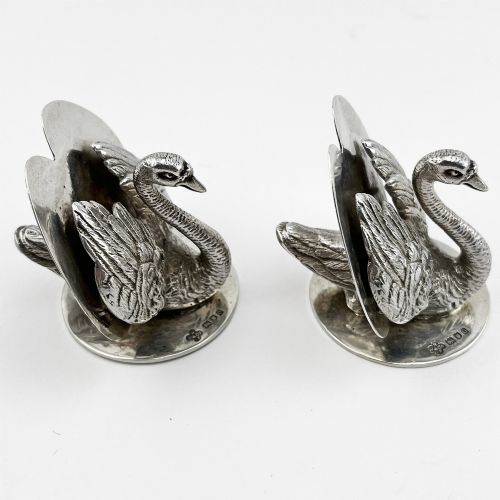
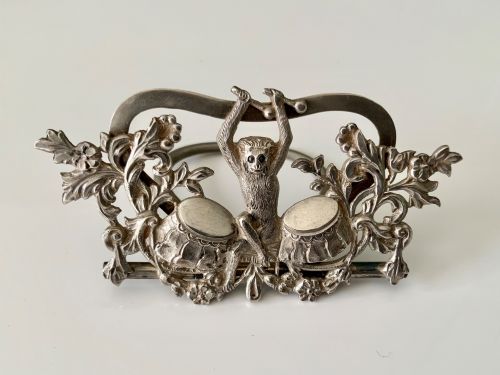
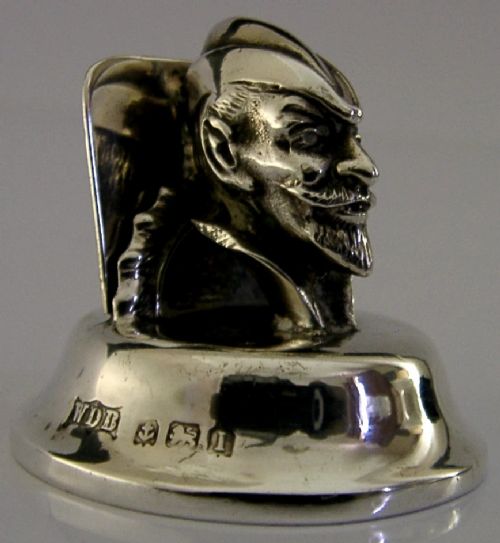
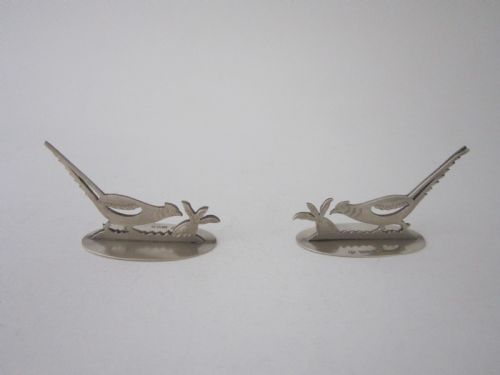
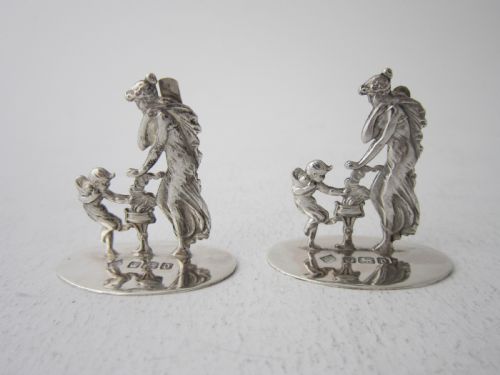
Menu holders and place card holders frequently take figural forms, such as galleons, swans, monkeys or historical figures like Robin Hood. Napkin rings and knife rests are found both as matched sets and individual examples.
How they were made
Sterling silver and silver plate form the primary physical structure for almost every piece of Edwardian dining table decor on this page. Smiths utilised sheet silver, cast components and weighted bases to produce candlesticks, napkin rings and figural menu holders.
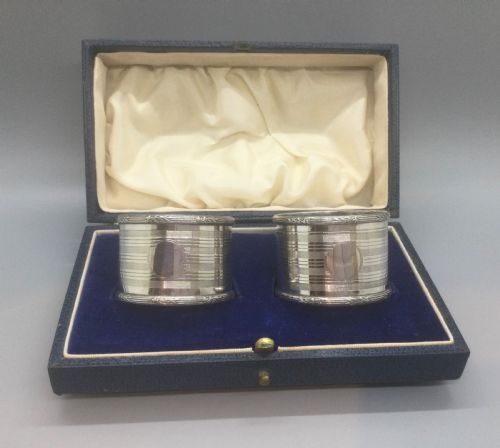
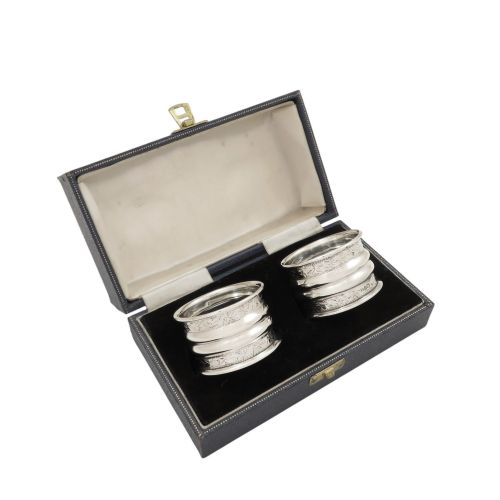
Surface treatments introduce contrasting textures through enamel work on flags, mother of pearl inserts on knife rests, and padded interiors lined in leatherette, velvet or silk within fitted presentation boxes.
Listings feature sterling silver and silver plate alongside nickel silver, leatherette, velvet, silk and mother of pearl.
What varies in quality
The standard of manufacture also appears in the weight of the silver used for napkin rings and candlesticks, as well as the completeness of matched sets rather than assembled groups. Makers' marks and clear hallmarks distinguish workshops of note from anonymous production.
Mappin & Webb·Thomas Bradbury & Sons Ltd·Guild of Handicraft·Liberty
The Edwardian Dining Table Decor Glossary
- Sterling silver
- A silver alloy containing 92.5 percent pure silver by mass and 7.5 percent other metals, usually copper. This standard alloy provides the durability required for functional table accessories.
- Silver plate
- A layer of silver applied to a base metal core such as nickel silver. This technique offered a more accessible alternative to solid sterling silver for larger dining sets.
- Menu holder
- A small desk-like or upright display stand designed to hold a printed menu card on the dining table. They frequently incorporate figural subjects or heraldic motifs.
- Knife rest
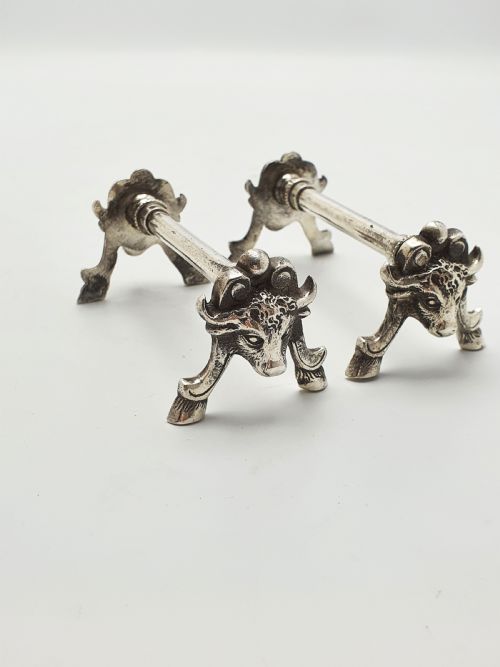
- A small horizontal support designed to elevate the blade of a carving knife or dining knife above the tablecloth between courses. They often appear as matched pairs or sets of four.
- Hallmark
- An official stamp applied by an assay office to indicate the purity of a precious metal, the maker, and the year of production. British silver bears distinct town marks such as Birmingham or Sheffield.
Edwardian Dining Table Decor: Frequently Asked Questions
What is Edwardian dining table decor?
Edwardian dining table decor encompasses the decorative and functional accessories placed upon a formal dining table during the early twentieth century. The category includes sterling silver and silver-plated napkin rings, menu holders, place card holders, candlesticks and knife rests.
These items reflect the elaborate dining customs of the period, where matching sets and figural ornaments added visual interest to the table setting.
How were menu holders used?
Menu holders were placed at intervals along the dining table so guests could read the courses planned for the meal. They often featured upright clips or slots to secure printed cards.
Craftsmen modelled many examples into whimsical or thematic shapes, including animals, ships, and historical figures, which served as conversation pieces.
What materials are common in these items?
Sterling silver and silver plate dominate these pieces, frequently paired with base metals such as nickel silver. Some examples incorporate secondary materials like enamel, mother of pearl, and silk or velvet lining inside presentation boxes.
These varied materials allowed manufacturers to produce both high-end luxury items for wealthy households and more accessible sets for everyday dining.
How do I identify the period?
Dating these table accessories relies primarily on official hallmarks stamped into the silver, which record the assay office and the year of manufacture. Stylistic indicators, such as neoclassical revival designs or Arts and Crafts influence, also point towards the Edwardian and George V eras.
Examining the construction methods and any accompanying retailer boxes helps confirm the production timeframe.