




Vintage Silver Candleholders
Vintage silver candleholders bring light and presence to a room, ranging from simple desk sticks to elaborate multi-branched candelabras.
Vintage Silver Candleholders
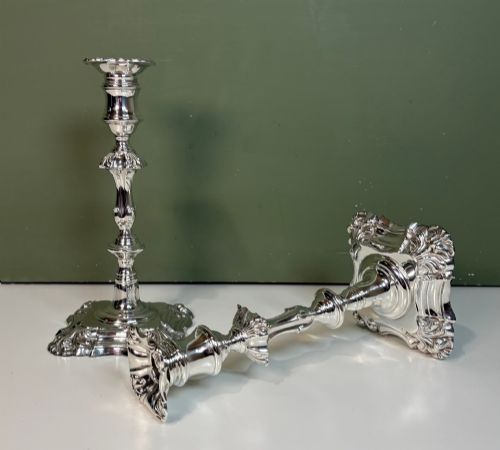
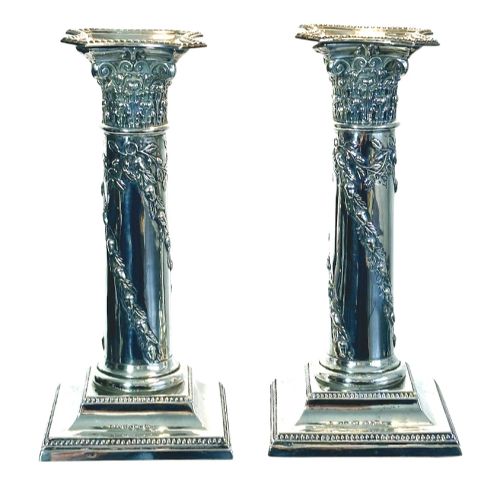
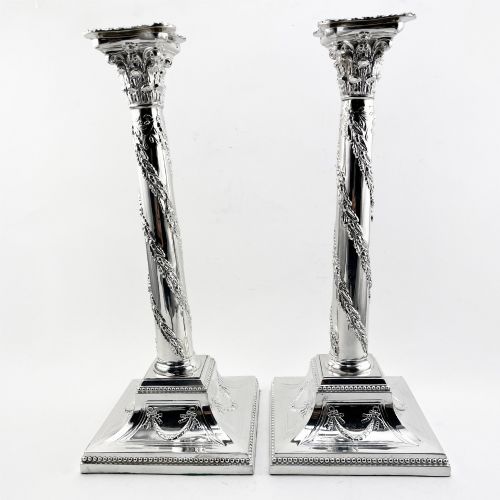
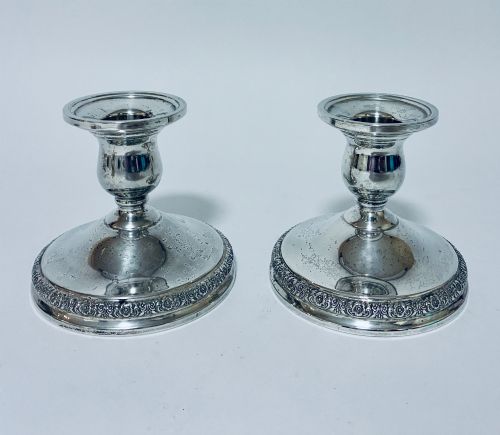
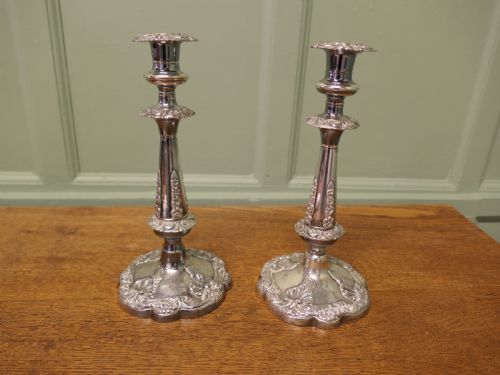
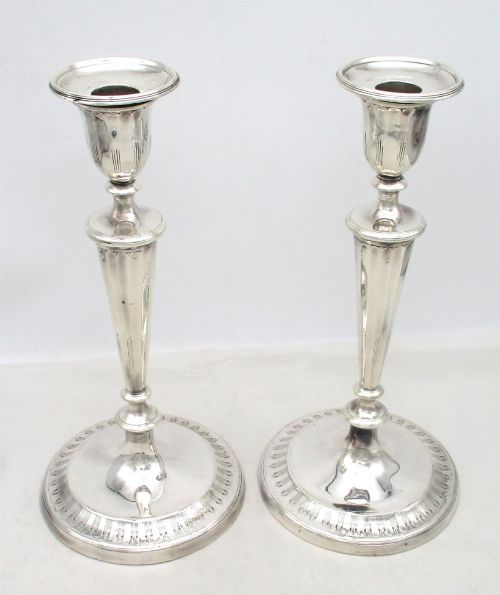
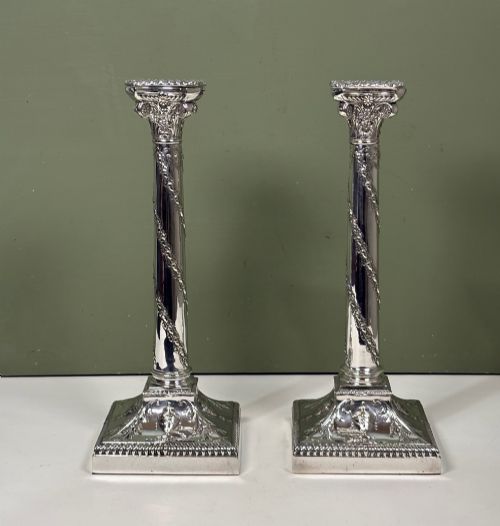
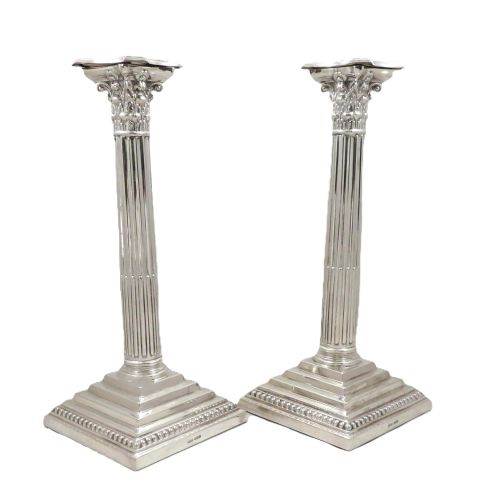
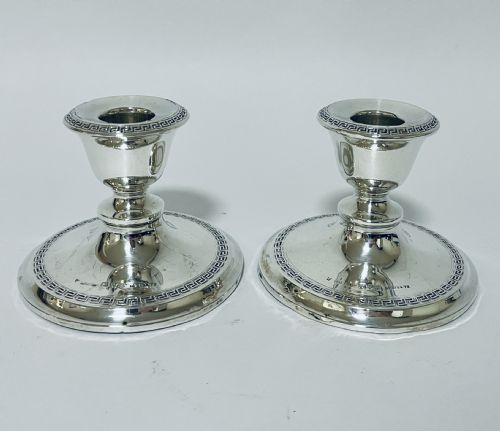
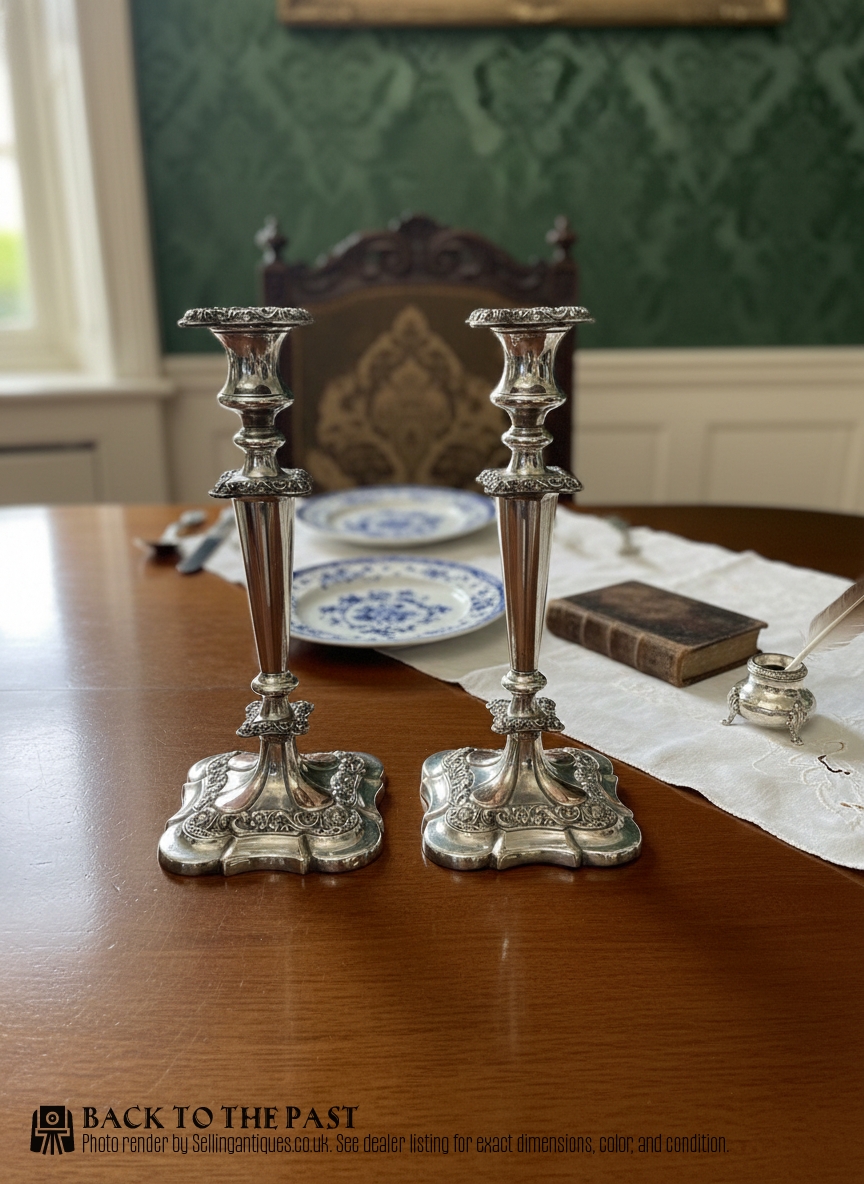
Vintage silver candleholders encompass practical table lighting and decorative wall sconces originating from the nineteenth and twentieth centuries. These pieces appear most frequently as paired sticks in sterling silver or silver plate, alongside smaller chambersticks and larger candelabras.
Makers shaped these items across distinct periods, producing formal Georgian and Victorian designs as well as later Edwardian and Mid-Century Modern interpretations. Common forms include classic candlesticks, tiered candelabras, and wall-mounted candle holders constructed to illuminate domestic spaces.
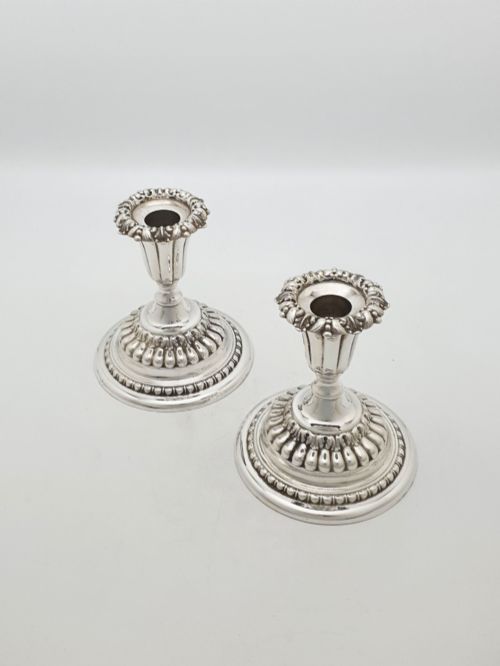
The selection ranges from sturdy pewter and brass variants to substantial sterling silver examples bearing hallmarks from major British assay offices. Buyers encounter both monumental tall pillars and diminutive miniature sticks designed for desks and dressing tables.
How They Were Made
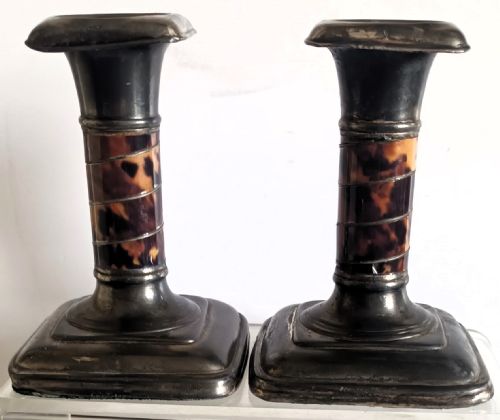
Silversmiths utilised solid sterling silver or applied silver plate over base metals such as copper and brass, employing techniques like Old Sheffield plating and electroplating. Many nineteenth-century examples combine metal elements with weighted bases or secondary materials like tortoiseshell.
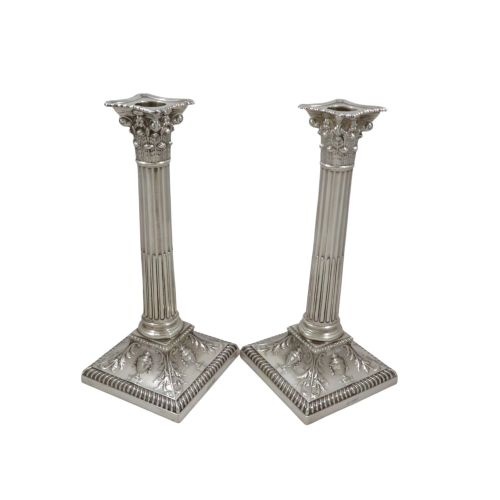
Foundries cast decorative details such as Rococo scrolls, Corinthian capitals, and Art Nouveau motifs before hand-finishing and polishing the metal surfaces. Telescopic forms required precision engineering to allow the central shaft to adjust in height smoothly.
Vintage Silver Candleholders Retail Price Guide 2026
Typical asking prices for vintage silver candleholders among the pieces listed under this phrase on Sellingantiques today, from the lower quarter to the upper quarter. They describe what is for sale here now, not the wider market.
What Varies in Quality
Quality rests in the crispness of chased or cast ornamentation and the structural integrity of the joints connecting the base, stem, and drip pan. Superior pieces retain their original proportions and plating thickness without excessive wear revealing the base metal beneath.
Makers distinguished their work through careful hand-assembly and clear hallmarks or maker's marks stamped into the metal. The weight and balance of a candlestick indicate the amount of silver or metal used in its construction.
Geoffrey Bellam·Thomas Bradbury and Sons·James Dixon and Sons·Garrard and Co·Blagden Hodgson and Co
The Vintage Silver Candleholders Glossary
- Hallmark
- Official stamps applied to precious metals indicating the assay office, standard of purity, and year of manufacture. These marks provide a reliable method for dating sterling silver pieces.
- Candelabra
- A branched lighting fixture holding multiple candles on a single base. These larger forms often feature detachable arms.
- Chamberstick
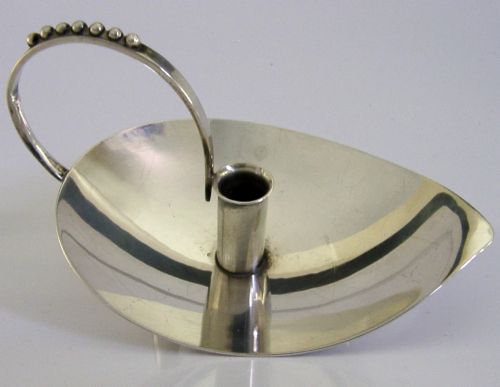
- A low candle holder fitted with a small handle and a shallow drip pan, historically used for carrying light through a house at night.
- Old Sheffield Plate
- A fused laminate of sterling silver and copper created by heating the metals together. This technique predates modern electroplating.
- Corinthian Column
- An architectural style of candlestick stem featuring elaborate acanthus leaves on the capital. This classical form proved popular during the Edwardian period.
Vintage Silver Candleholders: Frequently Asked Questions
What is a chamberstick?
A chamberstick is a low candle holder featuring a small handle and a wide drip pan designed to catch melting wax. People carried them through dark hallways before electric lighting became common.
These compact holders often include a small cone snuffer resting in the tray. They sit well on bedside tables and desks.
How do I clean silver plate?
Clean silver plate gently using a soft cloth and a specialised silver polish formulated to protect thin metal layers. Avoid harsh scrubbing that can wear away the silver plating.
Regular dusting helps maintain the shine without requiring frequent polishing. Store pieces in dry conditions to slow down tarnishing.
How do I identify sterling silver?
Look for official hallmarks stamped into the metal surface, which typically include a lion passant or standard purity figures indicating silver content. Sterling silver carries a distinct weight and cool feel compared to plated base metals.
Unmarked pieces often turn out to be silver plate or alternative metals like pewter and brass. Assay office marks also reveal the town where the piece was tested.