

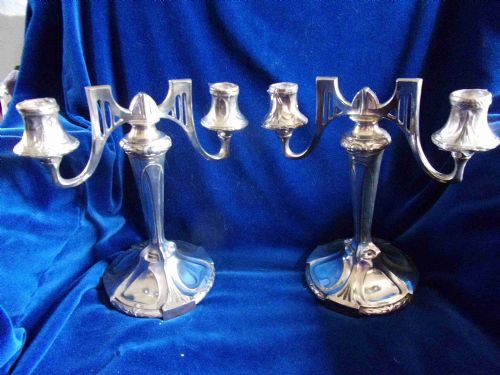


Vintage Silver Candle Branches
These vintage silver candle branches bring genuine presence to a room, offering multiple holders to cast a warm glow from sturdy bases.
Vintage Silver Candle Branches
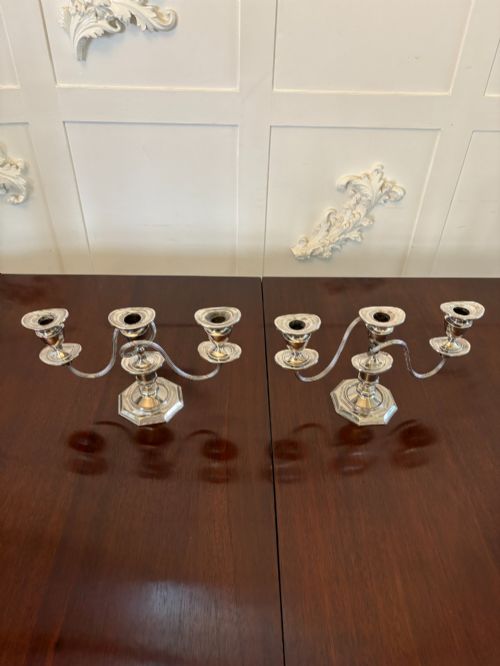
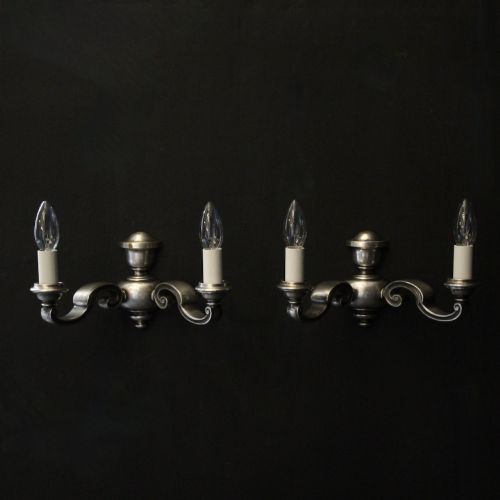
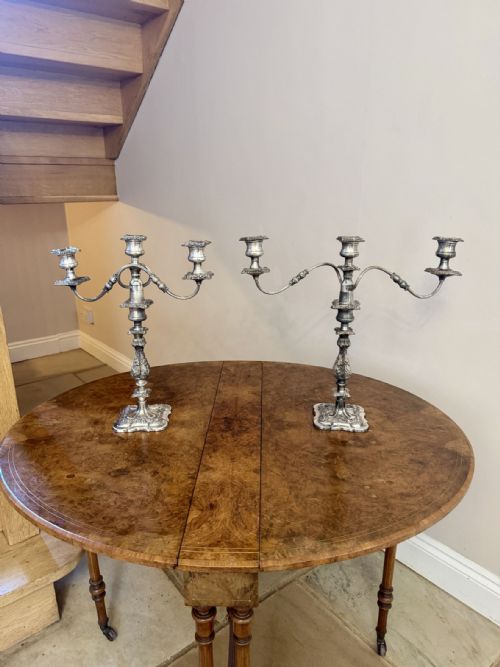
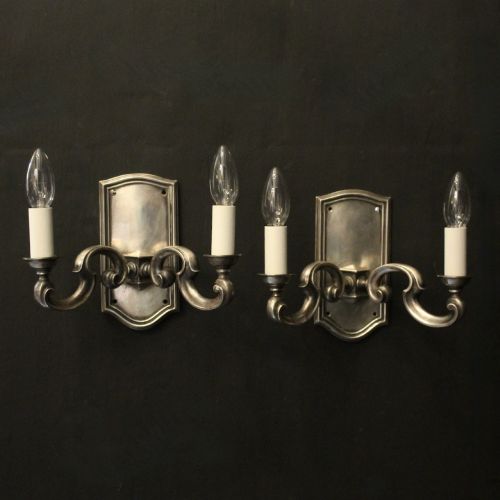
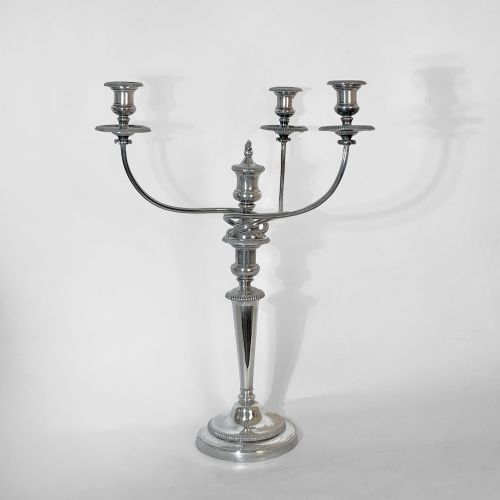
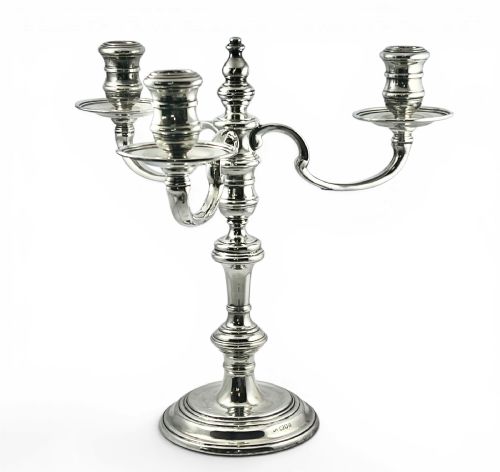
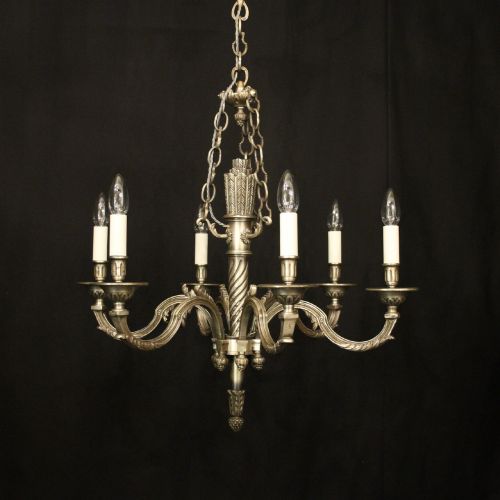
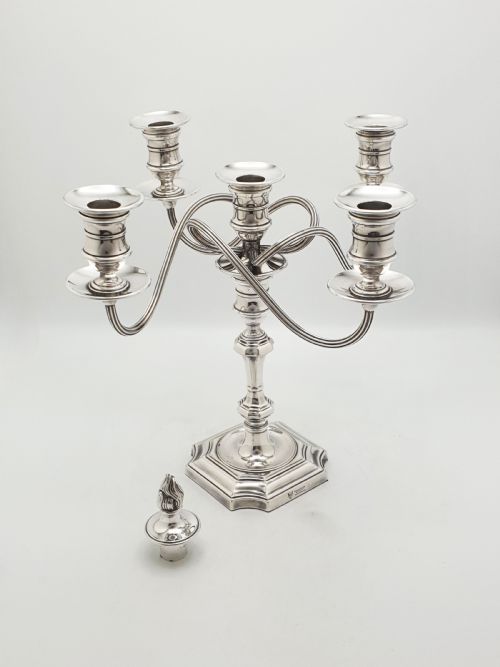
When you search for vintage silver candle branches, you encounter multiple forms including candelabras, wall lights, and chandeliers designed to hold several lights at once. The pieces range from large three-branch table candelabras to wall sconces and grand multi-arm hanging fixtures.
You are most likely to meet silver plated examples dating across the nineteenth and twentieth centuries, produced in styles such as Victorian, Edwardian, and Art Deco. These items appear frequently in pairs or sets, originating from workshops in England, France, and Italy.
The objects serve both decorative and practical functions, often configured for two, three, five, or six candles. Their designs draw upon historical revivals like Georgian and Regency alongside continental Jugendstil and French Neoclassical aesthetics.
Materials and construction methods
Makers utilised a foundation of metals such as copper, brass, spelter, or base metal, applying methods like silver plating, electroplating, and Sheffield plating to achieve a lustrous finish. Many items combine silver plate with cut glass, crystal, or gilt bronze to add visual weight and texture.
Solid sterling silver pieces exist alongside silver plated copper and electroplated nickel silver, reflecting diverse production standards from the nineteenth century onward. Hand-wrought elements and cast components appear together in items produced by traditional silversmiths and major manufacturing firms.
Distinctions in quality
Quality rests in the crispness of cast ornamentation and the integrity of the underlying metal, where heavy gauge plating or solid sterling construction preserves the detail through decades of cleaning. Pieces by documented makers show superior balance and precise assembly at every junction.
Weight and structural proportion separate ordinary items from exceptional ones, particularly in multi-branch table pieces that must remain stable when fully loaded with candles. The refinement of chased details, naturalistic foliage, or geometric motifs reveals the hand of a skilled artisan.
Blagden Hodgson And Co·Robert Edgar Stone·Elkington And Company·Barker Ellis
The Vintage Silver Candle Branches Glossary
- Sheffield Plate
- A fused dual-layer material of silver and copper produced by heat and pressure before the invention of electroplating. This technique creates a distinctive edge where the copper base metal subtly shows through underneath.
- Candelabra
- A branched candlestick holding multiple candles on separate arms. These objects vary from low two-branch table versions to grand multi-light floor and dining centerpieces.
- EPNS
- Electroplated nickel silver, a common base metal alloy coated with a layer of pure silver through an electrolytic process. This method became widespread during the Victorian era for domestic tableware and lighting.
- Jugendstil
- The continental German-speaking variant of Art Nouveau, characterised by fluid organic lines and stylised natural forms. Items in this aesthetic appear around the turn of the twentieth century.
- Sterling Silver
- An alloy containing a high proportion of pure silver combined with other metals to ensure durability for functional items. British examples typically bear hallmarks denoting silver standard and origin.
Vintage Silver Candle Branches: Frequently Asked Questions
Are these candelabras suitable for daily use?
Most pieces function reliably for dining or entertaining if handled with reasonable care and kept away from strong draughts that cause uneven burning. Ensure wax drippings are removed gently with warm water rather than scraping with metal tools.
Heavier multi-branch table versions require a stable surface to prevent tipping when all arms hold lit candles. Check the balance of each arm before placing heavy wax tapers inside the sockets.
How can I tell Sheffield plate from electroplate?
Sheffield plate exhibits a sandwich effect where a thin line of copper is visible along the cut edges or worn high points of the object. Electroplated items generally show the grey base metal of nickel or brass when the silver wears away.
Earlier nineteenth-century pieces often utilise the old fusing method, whereas items marked EPNS rely on mid-nineteenth to twentieth-century chemical deposition techniques.
What period do most wall lights come from?
The wall lights and sconces seen here frequently date from the Edwardian era through to the interwar period of the nineteen-twenties and thirties. Many incorporate classic revival motifs adapted for electrical conversion or continued candle use.
Victorian examples also appear, often featuring ornate cast brass or silver-plated arms paired with cut glass drops.