




Antique Brass Chamberstick
An antique brass chamberstick brings portable candle-lit warmth to a room, offering the tactile charm of earlier centuries.
Antique Brass Chamberstick
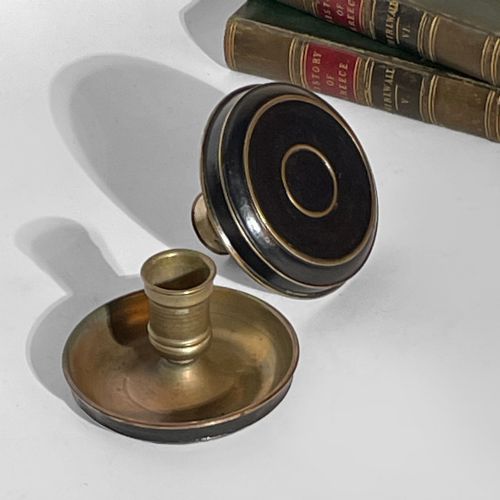
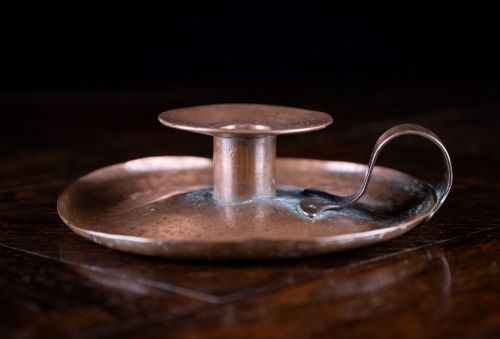
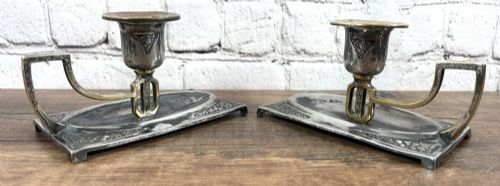
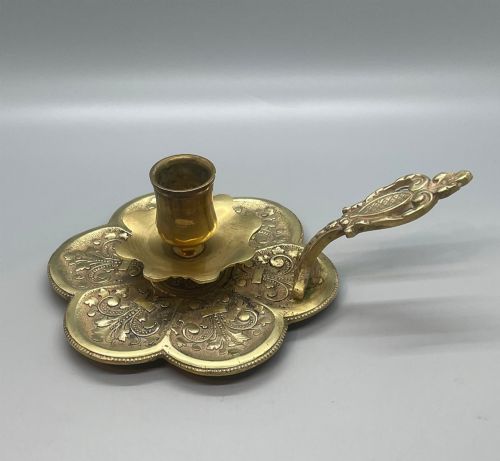
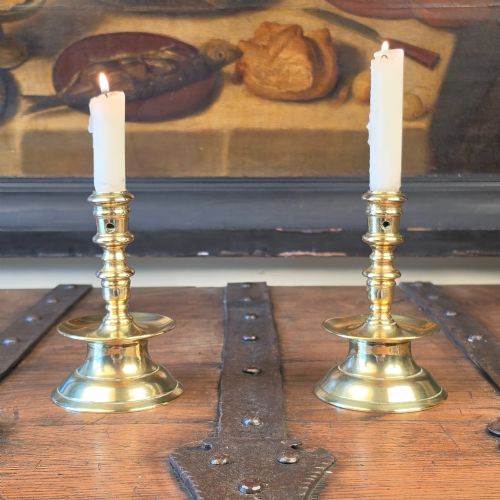
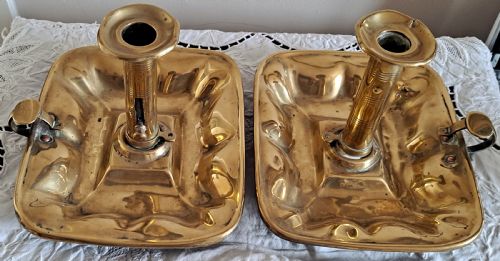
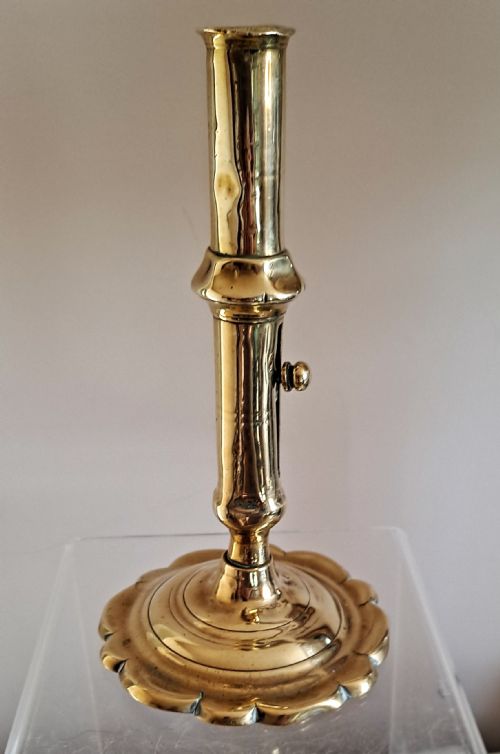
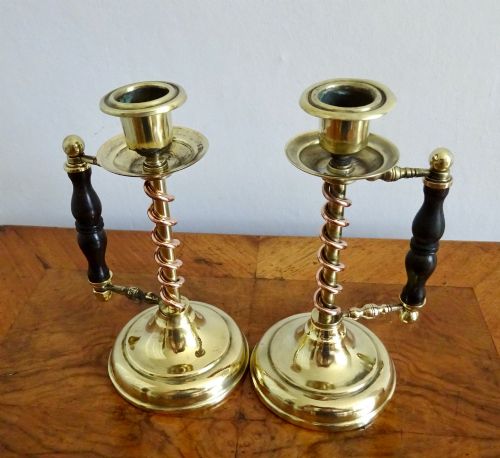
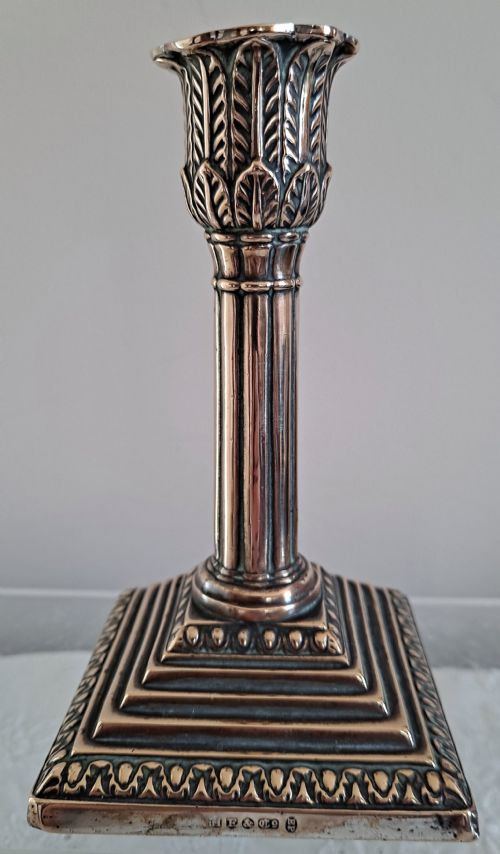
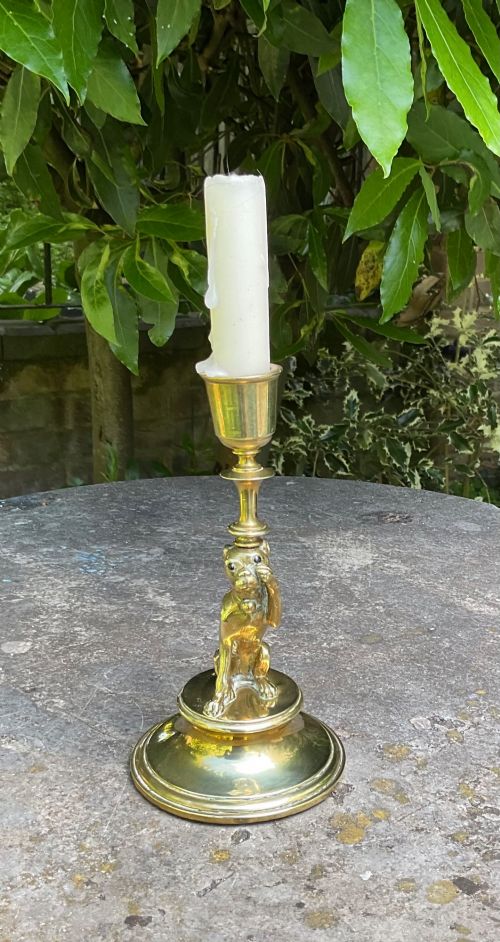
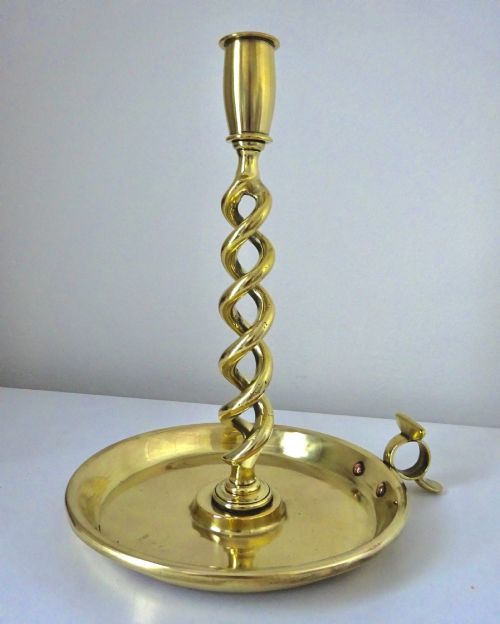
An antique brass chamberstick is a low-profile portable candle holder featuring a shallow pan designed to catch wax drips and a loop handle for carrying. Buyers searching this phrase look for functional domestic lighting pieces that span from the seventeenth century through to the Edwardian period. The selections visible here include Victorian examples, Georgian petal-based designs, and novelty pieces.
The material record shows solid brass forms alongside items incorporating porcelain enamel, gilt bronze, and copper elements. Origin origins stretch across English, Dutch, French, and Swedish workshops. Forms range from simple single-socket trays to more decorative sheet brass and punchwork decorated specimens.
Construction and materials
The manufacturing methods rely heavily on traditional metalworking techniques such as casting, hammering, and embossing. Early pieces often feature sheet brass construction with punchwork decoration or tulip-shaped sconces soldered to the pan. Later nineteenth-century examples introduce mechanical components like internal ejectors for pushing out spent wax remnants.
Makers utilised brass as the primary metal, sometimes combining it with copper, gilt bronze, or adding porcelain enamel panels for visual contrast. Surface finishes reflect the natural oxidation and tool marks of hand-finished metalworking rather than factory uniformity.
Antique Brass Chamberstick Retail Price Guide 2026
Typical asking prices for brass chamberstick among the pieces listed under this phrase on Sellingantiques today, from the lower quarter to the upper quarter. They describe what is for sale here now, not the wider market.
Listings feature periods spanning from the seventeenth century through to the Edwardian era, with materials including brass, porcelain enamel, and gilt bronze.
Markers of quality
Quality rests in the weight of the metal, the crispness of the hand-hammered or punched decoration, and the integrity of the soldered joints. Earlier seventeenth and eighteenth-century specimens demonstrate heaviergauge metal and deliberate hand-shaping that distinguishes them from later mass-produced variants. Preserved original components, such as operational ejector mechanisms or matching pairs, elevate the status of a piece.
Subtle design choices separate standard utility items from refined domestic objects. The presence of sophisticated elements like petal-shaped bases, embossed borders, or integrated snuffer cones points to higher-tier craftsmanship from makers who catered to prosperous households.
The Antique Brass Chamberstick Glossary
- Chamberstick
- A portable candle holder featuring a saucer-shaped base and a looped handle designed for carrying bedroom lighting. It allows safe transport of a candle around the house before electricity.
- Sconce
- The socket or cup at the top of a candlestick that holds the candle base secure. Tulip-shaped versions feature a flared profile reminiscent of an open flower.
- Ejector
- A mechanical slide or rod built into the stem of a candlestick to push out remaining wax stubs. This clever device protects the interior and simplifies cleaning.
- Punchwork
- A decorative technique using a metal punch and hammer to create patterns of dots and indents on sheet brass. This method ornamented early metalware before advanced stamping machines existed.
- Petal base
- A scalloped or lobed saucer rim shaped to resemble flower petals. This decorative base style appears frequently on Georgian candlesticks.
Antique Brass Chamberstick: Frequently Asked Questions
What is a chamberstick used for?
A chamberstick provided portable illumination for lighting a person's way up dark stairwells or through unlit corridors before the invention of electric lighting. The wide pan caught melting wax drips to protect hands and floors.
Today, these pieces function as decorative objects or ambient table lighting, maintaining their historical utility on a smaller scale.
How do I date an antique brass chamberstick?
Dating relies on observing manufacturing techniques, material composition, and stylistic cues such as Georgian petal bases or Victorian mechanical ejectors. Earlier seventeenth and eighteenth-century examples often display sheet brass construction with hand-punched decoration.
Comparing construction seams, wear patterns, and regional design characteristics helps narrow down the production era.
Why do some chambersticks have ejector mechanisms?
Ejector mechanisms were introduced in the nineteenth century to solve the problem of removing stuck candle stubs from deep sockets. Pushing the internal sliding lever raises the remaining wax for easy disposal.
This mechanical addition points to a mid-Victorian or later date of origin.
Are Dutch chambersticks different from English ones?
Dutch and Scandinavian pieces from the seventeenth and eighteenth centuries frequently showcase distinct sheet brass embossing and punchwork decoration. English examples often emphasise heavier cast brass forms and understated Georgian proportions.
Examining the metal thickness and decorative motifs reveals these regional manufacturing traditions.
How should I clean antique brass?
Antique brass benefits from gentle dusting and minimal intervention to preserve its historical surface and natural patina. Aggressive chemical polishes remove the aged finish that collectors value.
Light cleaning with a soft cloth keeps the metal stable without erasing centuries of handling history.