

Victorian Brass Candlestick
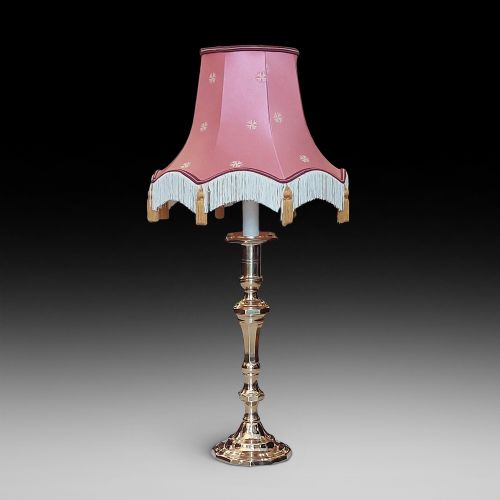
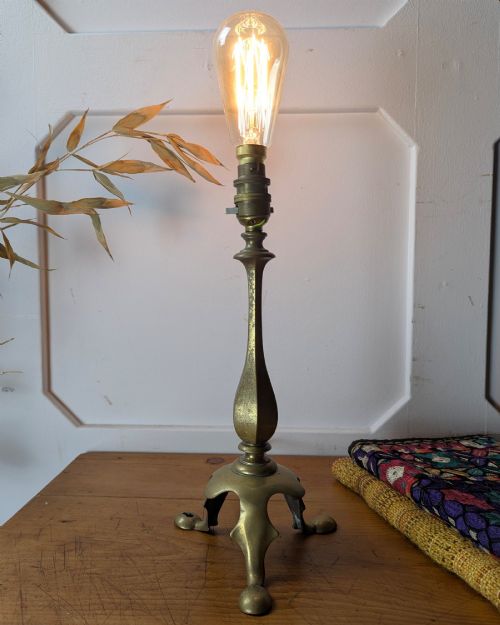
A victorian brass candlestick brings heavy nineteenth-century metalwork and practical domestic illumination straight to the modern table.

Identifying a victorian brass candlestick
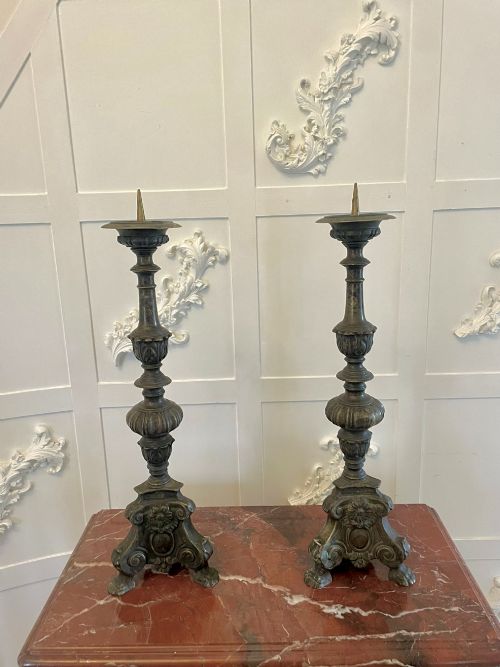
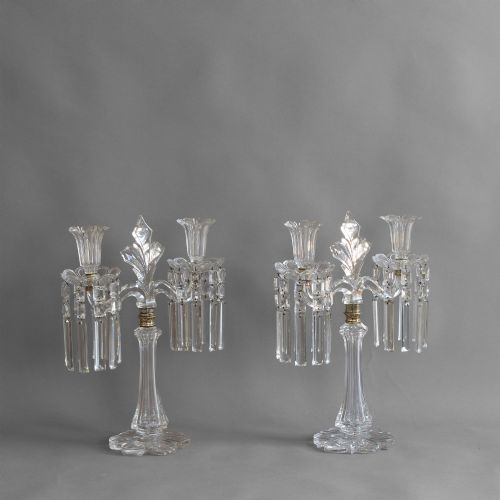
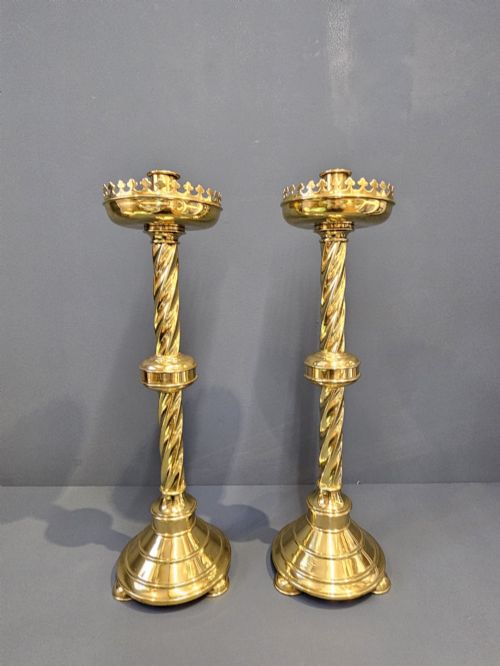
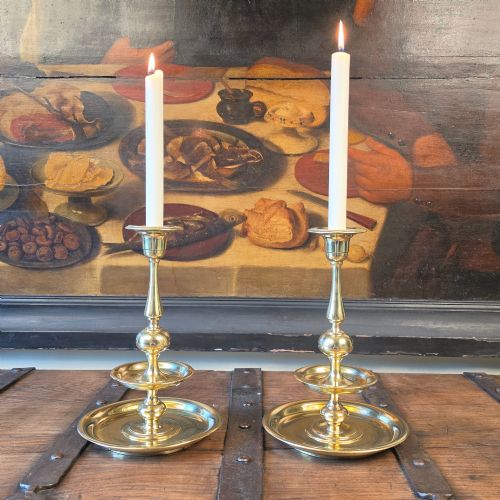
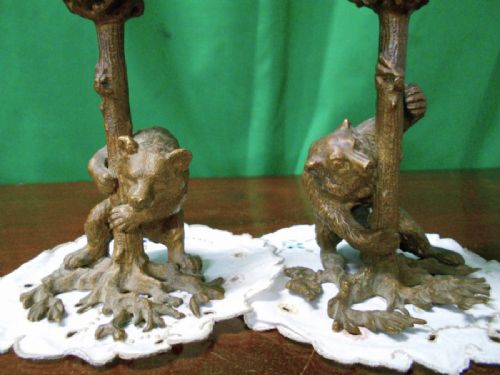
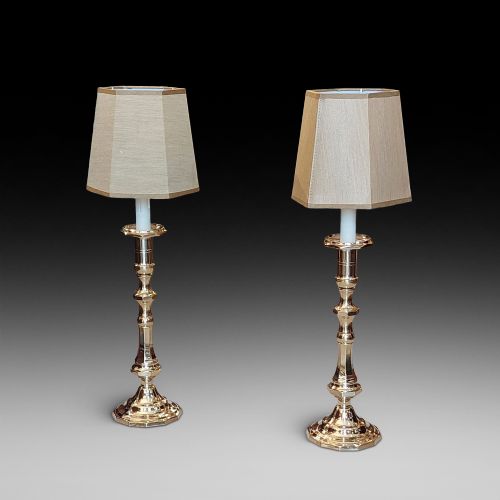
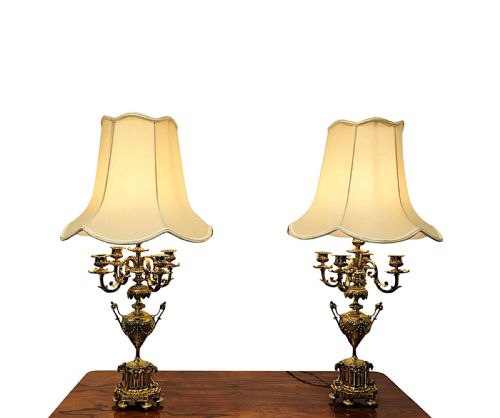
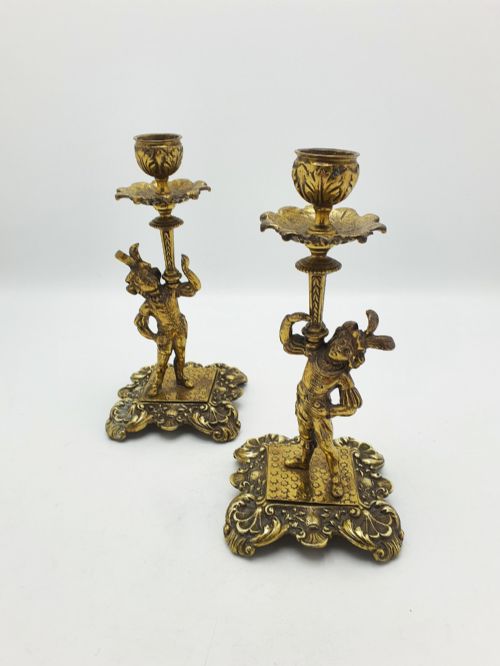
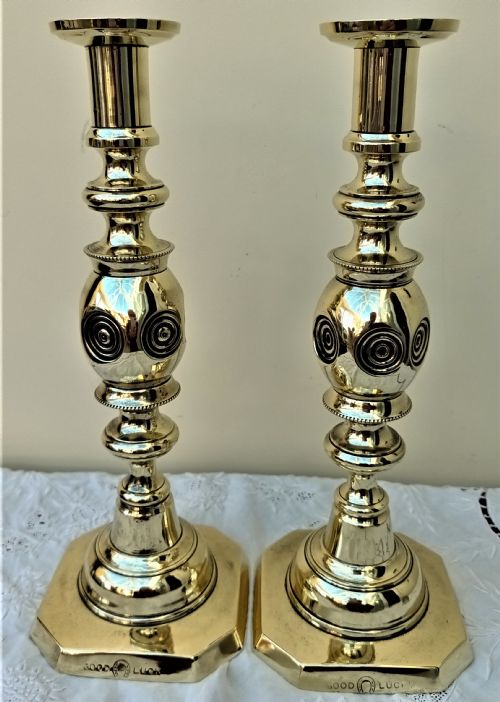
The search for a victorian brass candlestick opens up a rich variety of nineteenth-century metal lighting, from domestic table pieces to heavy church furnishings. Buyers encounter everything from simple twisted shafts to elaborate novelty designs featuring animals, church Gothic motifs, and adjustable shades.
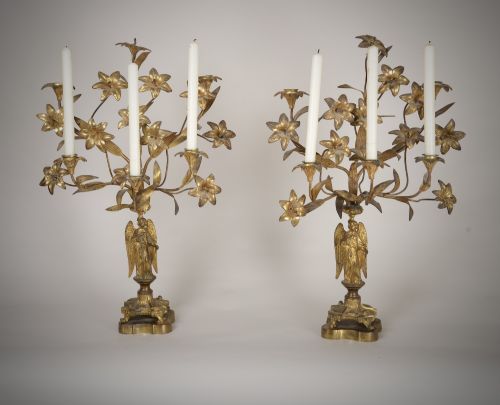
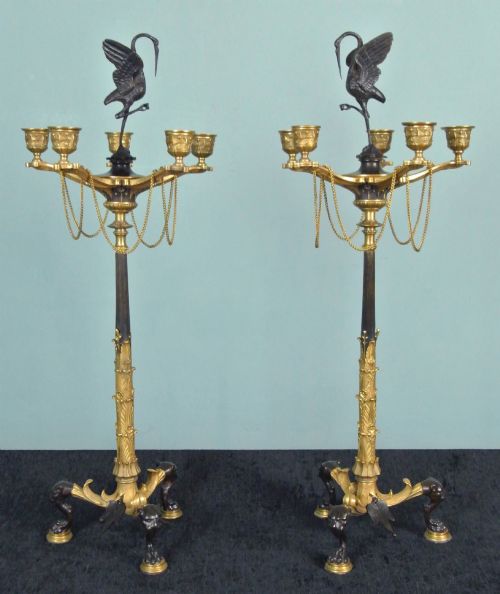
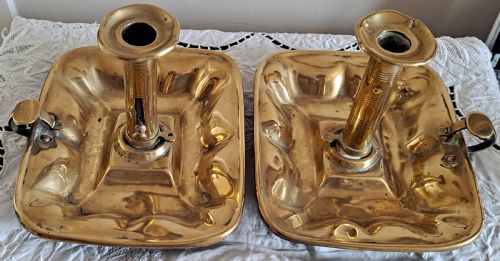
Most examples hail from the nineteenth century, including specific dates around eighteen-eighty and eighteen-ninety, alongside related Edwardian pieces. Forms range from standard single-socket candlesticks to multi-arm candelabras, altar prickets, and specialised tray-based holders.
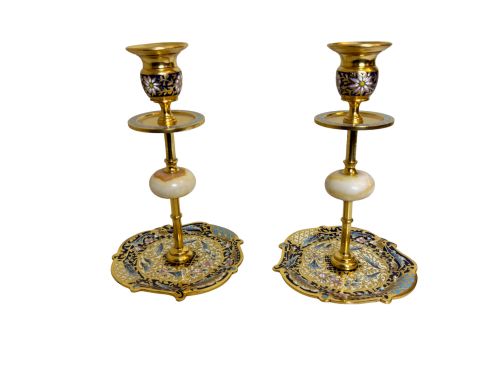
The material vocabulary remains strictly brass, occasionally combined with oak, alabaster, or copper accents. Styles span straightforward Victorian production alongside Revival movements such as Neoclassical, Gothic, Arts and Crafts, and Aesthetic.
Methods and materials of nineteenth-century brasswork
Makers utilised solid brass as the primary medium, shaping metal through casting, hand-making, and twisting techniques. Cast components provided structural heft, while articulated mechanisms and adjustable shades incorporated moving metal joints.
Workshop methods combined structural brass casting with decorative surface detailing, such as engraved hunting scenes or fitted bases. Mixed media pieces integrated elements like oak wood supports or alabaster inserts into the brass framework.
Retail Price Guide 2026
Typical UK retail prices for victorian brass candlestick, calculated from the Sellingantiques database of over a million retail prices indexed since 2003. This retail price guide relies exclusively on Sellingantiques data; no external sources or auction records are used, so the figures do not describe the wider market.
A pug dog serves as the sculptural base for one nineteenth-century candle holder.
Distinctions in nineteenth-century metalwork
Quality rests upon the crispness of the brass casting and the weight of the piece, where heavier solid examples and detailed ornate prickets stand apart from lighter production. The inclusion of specialised functions, such as working articulated joints, adjustable shades, or integrated trays, separates standard domestic items from more ambitious workshop designs.
The visual ambition of the style dictates distinction, moving from plain utilitarian columns to elaborate Gothic church furnishings, novelty pug dog figures, or Aesthetic movement gilt finishes with alabaster.
AFC
The Victorian Brass Candlestick Glossary
- Pricket candlestick
- A candle holder featuring an upright metal spike that pushes directly into the base of the candle rather than sitting inside a socket. These often appear in larger church and altar formats.
- Candelabra
- A branched lighting fixture designed to hold multiple candles simultaneously. Victorian examples frequently feature twin arms or articulated mechanical joints.
- Aesthetic movement
- A late nineteenth-century design style emphasising visual beauty over narrative meaning. Pieces in this style often incorporate gilt brass and contrasting materials like alabaster.
- Gothic Revival
- An architectural and decorative style drawing inspiration from medieval forms. Candlesticks in this manner display pointed arches, heavy tracery, and ecclesiastical motifs.
- Articulated
- Built with adjustable joints or moving parts. This mechanical feature allowed users to alter the direction of the light or shade.
Frequently Asked Questions
How do I date a brass candlestick?
Dating relies on stylistic clues, manufacturing techniques, and any registered design marks found on the metal. Nineteenth-century pieces typically show heavier casting and specific period revival motifs.
Comparing the base construction and threading helps distinguish mid-nineteenth-century examples from later turn-of-the-century production.
Were these used in churches?
Many large nineteenth-century examples served an ecclesiastical function as altar or church pricket candlesticks. These tend to be substantially taller and heavier than domestic table variants.
Domestic versions prioritized smaller formats, trays, or specialised desk and reading arrangements.
How do I clean antique brass?
Careful dusting with a soft cloth preserves the historic surface and natural patination built up over the decades. Avoid harsh chemical polishes that strip away the aged character of nineteenth-century metal.
Gentle maintenance ensures the brass retains its authentic historical appearance without damaging the underlying material.