

Gold Brass Candlestick
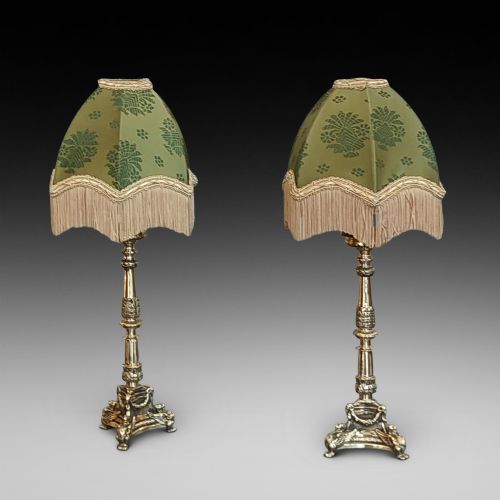
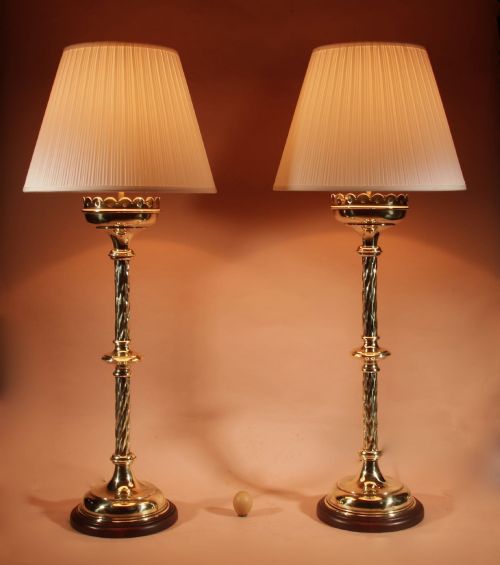
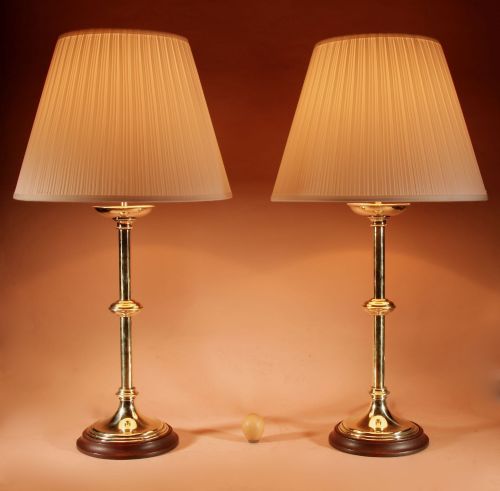
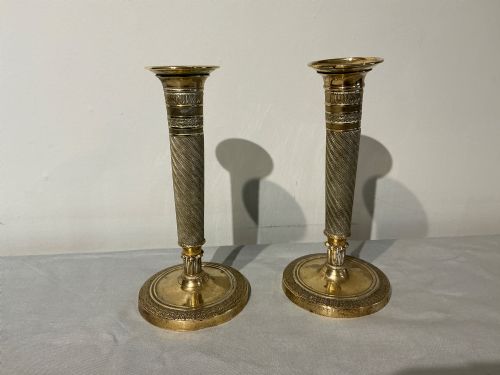
These gold brass candlestick items bring warmth and period character to a room, offering functional illumination through solid metalwork.
Gold Brass Candlestick
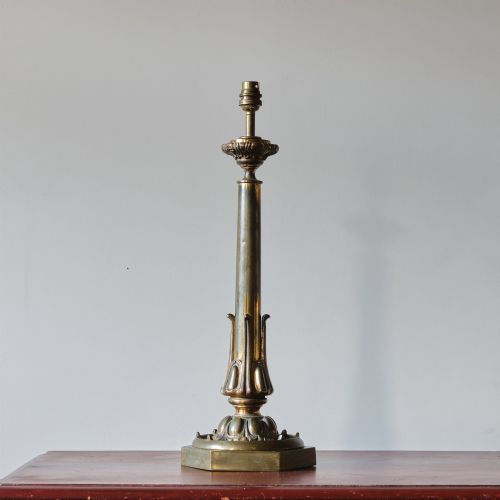
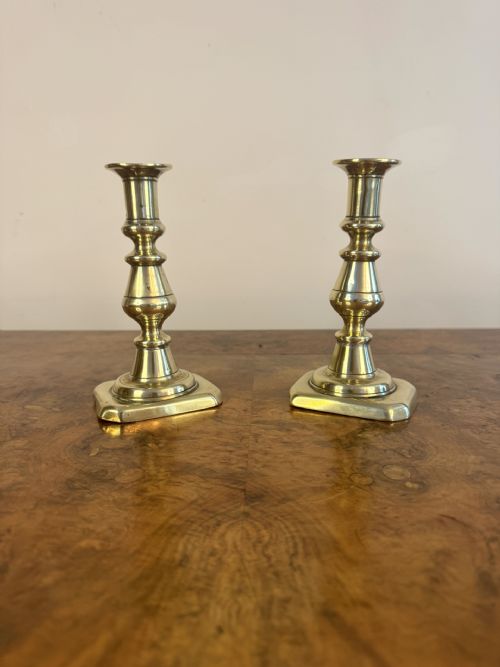
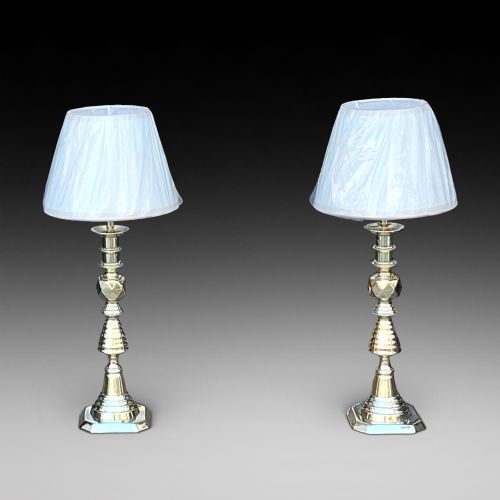
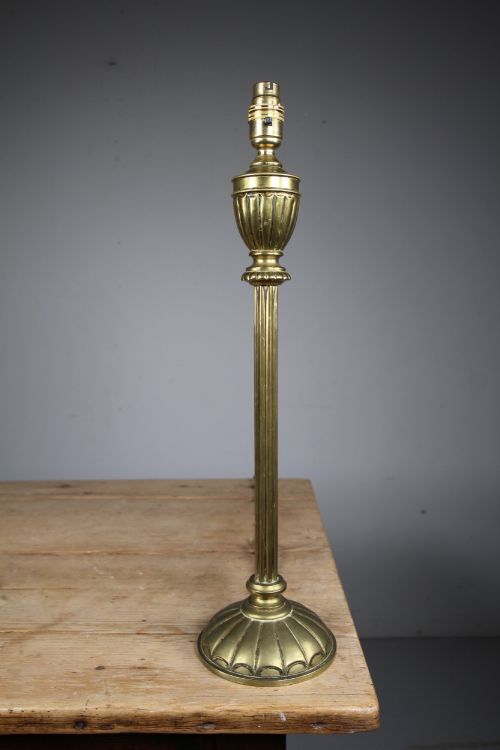
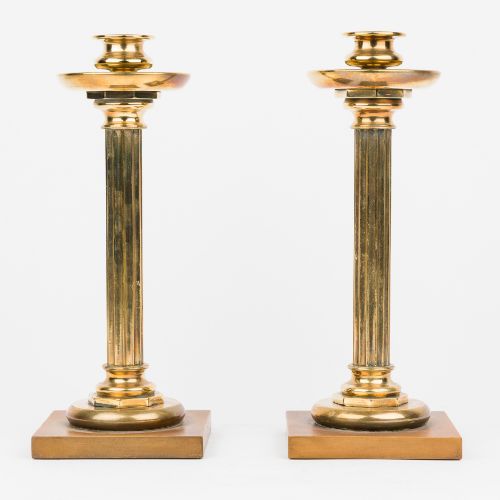
A gold brass candlestick or related light holder represents a diverse category spanning several centuries of metalwork and design. Buyers searching for a gold brass candlestick encounter forms ranging from simple chambersticks to multi-branch candelabra and lustre pairs with storm shades.
The selections on this page draw from periods including the eighteenth and nineteenth centuries, alongside earlier pre-sixteenth century examples and Victorian pieces. Styles vary from Georgian and Queen Anne to Empire, Neoclassical Revival, and Mamluk designs.
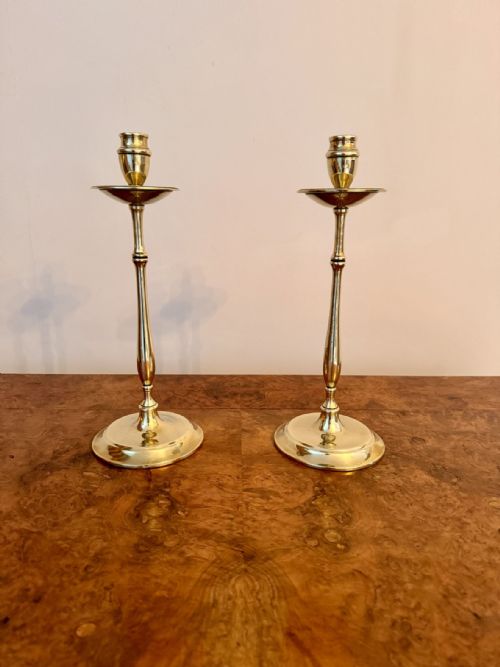
Most items are constructed from brass or cast brass, while others incorporate gilt bronze, ormolu, copper alloy, glass, and crystal elements. Forms function as individual candlesticks, candelabra, or candle holders designed for domestic illumination.
How they were made
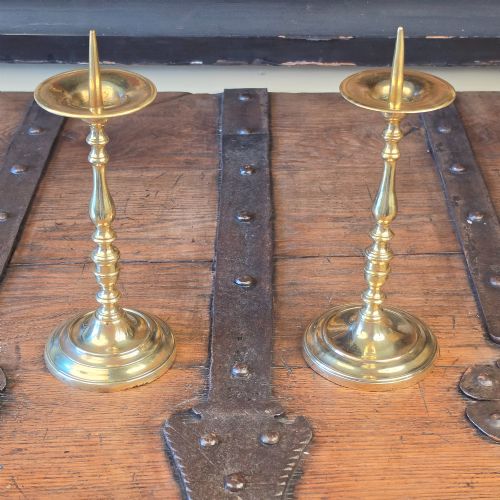
Makers utilised casting techniques to shape molten brass and copper alloy into solid shafts, bases, and drip pans. Cast brass components provided the heavy structural weight required to support tall candles securely.
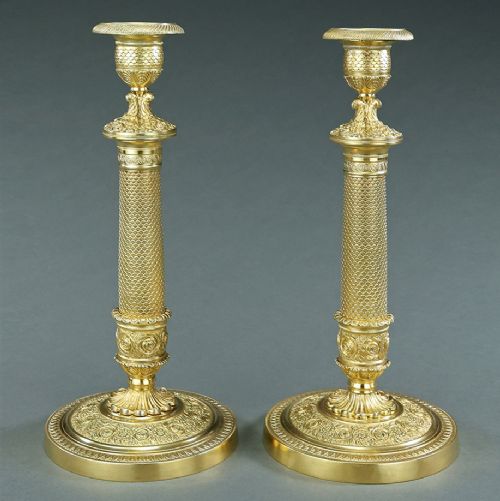
Gilt bronze and ormolu pieces involved applying finely ground gold leaf suspended in mercury onto a bronze base, creating a brilliant golden finish through intense heat and amalgamation. Hand-finishing and chasing defined surface details on revival and empire items.
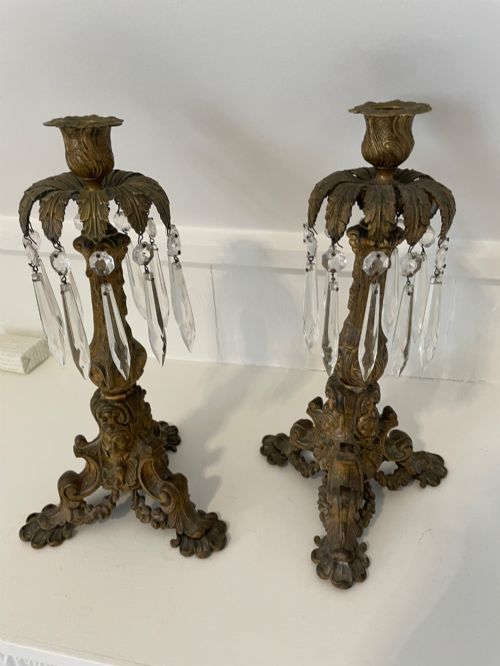
Glass and crystal additions on specific Victorian lustres were mouth-blown and cut, then hung with pendants to refract light from the central flame.
Gold Brass Candlestick Retail Price Guide 2026
Typical asking prices for gold brass candlestick among the pieces listed under this phrase on Sellingantiques today, from the lower quarter to the upper quarter. They describe what is for sale here now, not the wider market.
The inventory includes diverse regional styles such as Georgian, Empire, Queen Anne, Victorian, and Mamluk.
What varies in quality
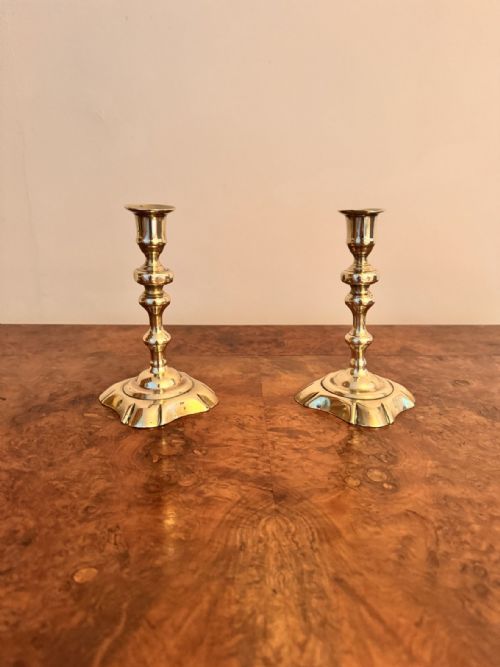
Quality rests in the crispness of the casting and the depth of the metal finish, particularly where hand-chasing articulates decorative motifs. Earlier eighteenth-century pieces show distinct petal bases and socket construction that differ markedly from later industrial production.
The choice of material alters the character of the object, as genuine ormolu and gilt bronze display a rich, warm luminosity distinct from standard polished brass. Intricate regional styles, such as Mamluk or Veneto-Saracenic brasswork, derive their distinction from complex engraved patterns inlaid with contrasting metals.
The Gold Brass Candlestick Glossary
- Ormolu
- Finely ground gold applied to a bronze base through a mercury amalgamation process. This technique produces a bright golden surface seen on French empire and neoclassical pieces.
- Chamberstick
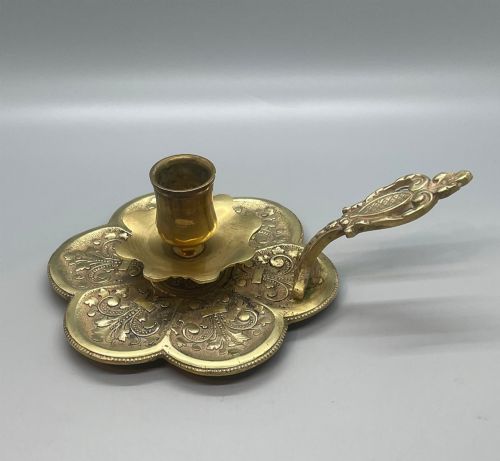
- A low candlestick fitted with a wide drip pan and a loop handle. This form was carried by hand through rooms before the advent of electric lighting.
- Lustre
- A candlestick or candelabra hung with cut glass prisms or crystal drops. These pendants refract candlelight to increase illumination.
- Candelabra
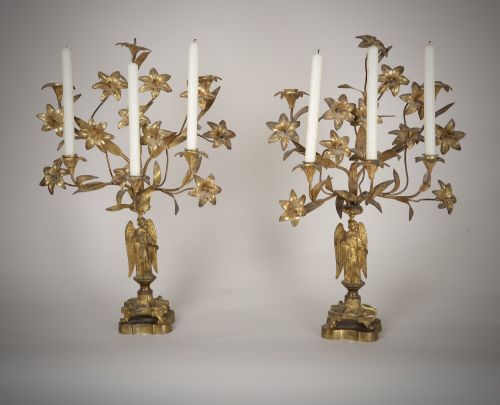
- A branched candlestick designed to hold multiple candles simultaneously. These larger fixtures often occupy a central position on a dining table or mantle.
- Mamluk
- A style of metalwork originating from the Islamic world, characterised by intricate inlaid decoration on copper alloy or brass. Syrian examples from the late fifteenth century demonstrate this tradition.
Gold Brass Candlestick: Frequently Asked Questions
How do I clean an antique brass candlestick?
Dust gently with a soft dry cloth to preserve the natural patina built up over centuries. Avoid harsh chemical polishes that strip away the historical surface character.
Test any cleaning method on an unnoticeable area first. Many collectors prefer to leave aged metal unpolished.
What is the difference between brass and ormolu?
Brass is an alloy of copper and zinc cast into solid forms for everyday durability. Ormolu is a gilded bronze material reserved for decorative or high-status items.
Ormolu exhibits a deeper golden tone due to the gold content applied to the surface. Brass maintains its metallic colour throughout the body of the object.
How do I date an antique candlestick?
Examine the construction marks, base shape, and manufacturing technique to determine the period. Eighteenth-century pieces often feature distinct petal bases and heavy proportions.
Compare the style against known Georgian, Victorian, or earlier design motifs. Regional variations also provide clues to the origin and approximate age.