

Victorian Wall Sconces
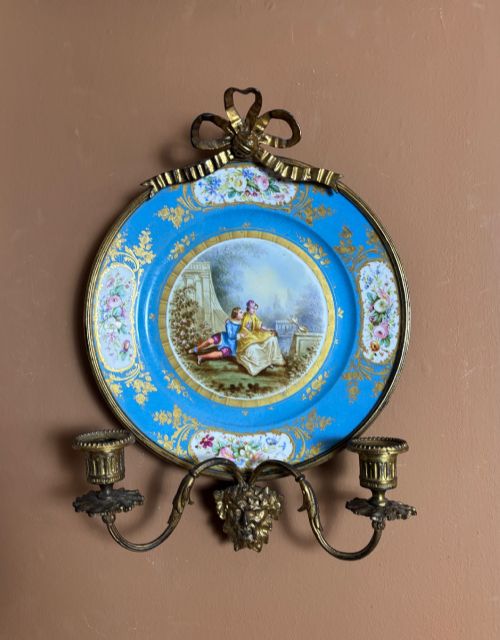
Victorian wall sconces bring sculptural light and historic presence to a room, offering functional illumination through cast bronze, brass, and mirrored girandoles.
Victorian Wall Sconces
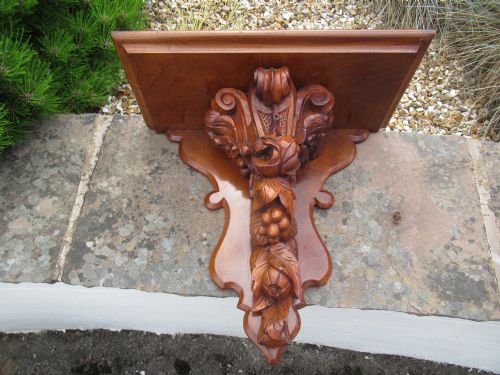
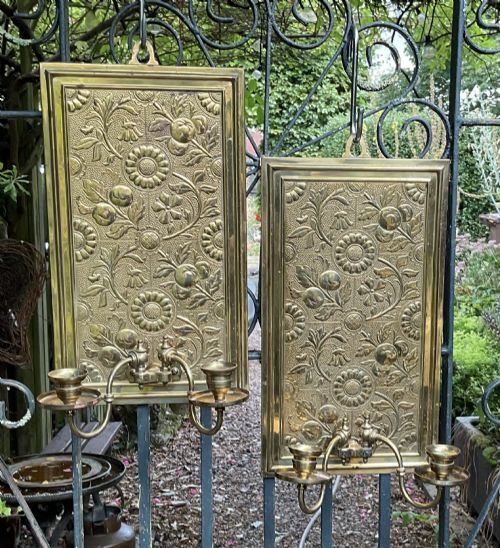
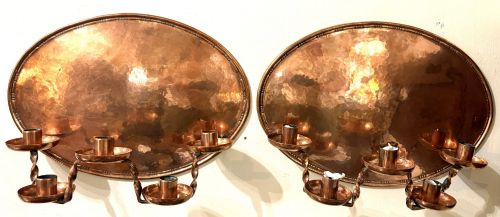
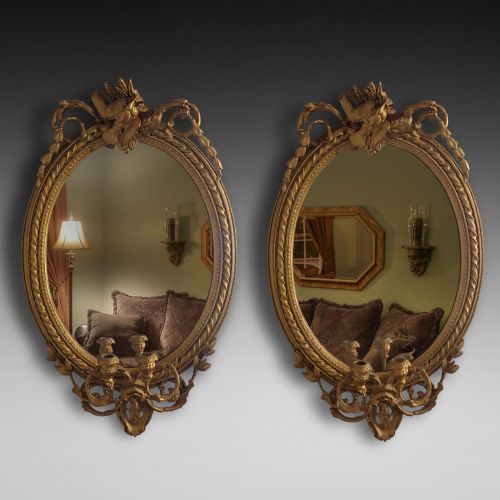
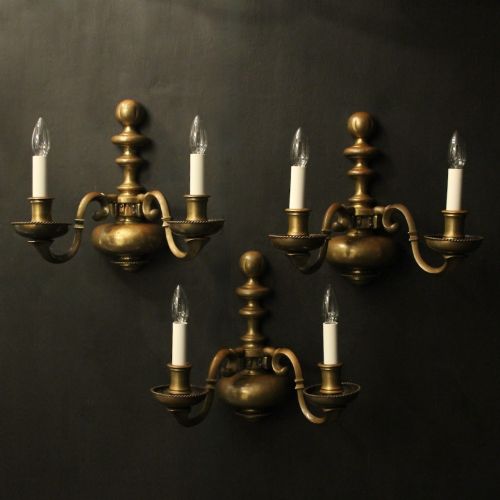
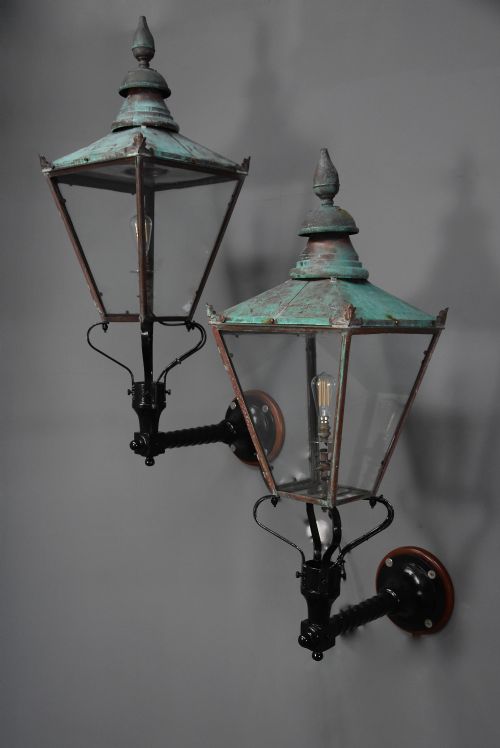
Victorian wall sconces encompass candle holders, gas lights, and mirrored girandoles designed to mount directly onto interior walls. The selection ranges from robust brass and bronze fixtures to ornate giltwood and mirrored combinations.
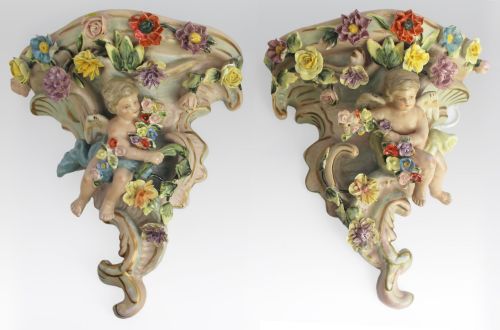
Most examples appear as matched pairs, frequently taking the form of figural subjects such as mermaids, cherubs, and angels, alongside architectural Adam and Neoclassical styles. Pieces span the Victorian era, the Edwardian period, and the turn of the twentieth century.
Origins vary between English workshops and continental French makers, incorporating decorative movements like Rococo Revival and Art Nouveau. Buyers encounter everything from simple metal candle sconces to complex mirrored wall lights.
Materials and Construction
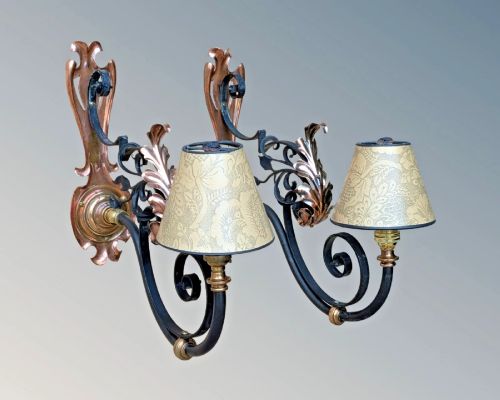
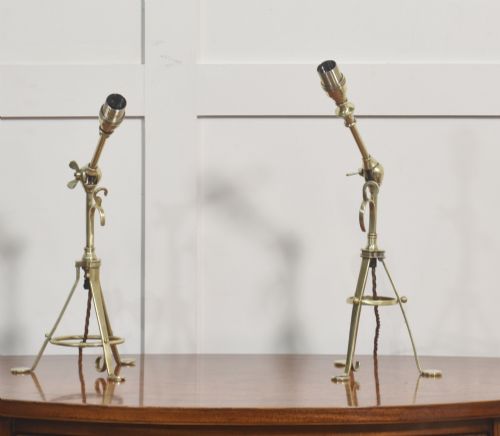
Metalwork forms the backbone of these pieces, utilising cast bronze, solid brass, and silver-plated brass shaped into branch arms and detailed figural motifs. Gilding appears extensively on wood, plaster, and metal surfaces to catch and reflect candlelight.
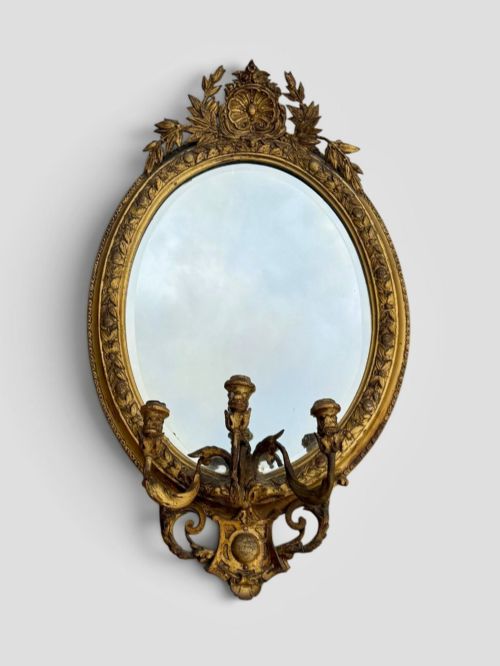
Mirrored girandoles combine heavy timber or giltwood frames with bevelled glass plates, designed to amplify the illumination of candles or early gas jets. Cut crystal pendants and drops frequently hang from arms and sconce pans to refract the light further.
Retail Price Guide 2026
Typical UK retail prices for victorian wall sconces, calculated from the Sellingantiques database of over a million retail prices indexed since 2003. This retail price guide relies exclusively on Sellingantiques data; no external sources or auction records are used, so the figures do not describe the wider market.
Current listings feature a predominance of pairs, spanning brass, bronze, silver-plated metal, and giltwood girandoles.
Assessing Quality
The sophistication of the casting dictates the visual success of metal pieces, separating sharp, hand-chased bronze figures from softer, mass-produced commercial castings. Detail in figural work, such as the feathering of wings or the scale patterns on mermaids, indicates higher atelier standards.
The integrity of the mercury or silvered glass in mirrored girandoles alters the depth of reflection, while the retention of original gilding and matched components preserves the historical value of the ensemble.
E.G Paris
The Victorian Wall Sconces Glossary
- Girandole
- A branched wall light or candle holder incorporating a mirror to reflect the flame. The mirrored backplate doubles the effective light in a dark nineteenth-century hallway.
- Giltwood
- Wood that has been coated with a thin layer of gold leaf or gesso preparation. It provides a bright, reflective surface popular in formal Victorian reception rooms.
- Putto
- A plump, naked child figure, often winged, used extensively in Renaissance and Victorian decorative schemes. These figures frequently support the candle arms or frame the mirror plate.
- Rococo Revival
- A nineteenth-century design style drawing on eighteenth-century French motifs, characterised by asymmetry, C-scrolls, and naturalistic shell and plant forms. Sconces in this style display elaborate, flowing organic curves.
Frequently Asked Questions
How do I hang Victorian wall sconces?
Most antique wall lights use robust mounting brackets or secure screw fixings behind the backplate to bear the weight of heavy bronze or mirrored frames. Professional installation is recommended to ensure the fixture anchors securely into wall studs or masonry.
Heavier girandoles require wall anchors suited to plaster or lath walls, while older gas conversion pieces often need modern electrical wiring housed safely within the structural bracket.
Were these originally for candles or gas?
Nineteenth-century lighting utilised both wax candles and piped coal gas, depending on the room and the date of manufacture. Candle sconces feature simple drip pans and sockets, whereas gas wall lights incorporate perpendicular keys and hollow brass tubing.
Many surviving pieces have since been adapted for electricity while retaining their original burners, nozzles, and structural proportions for period interior schemes.
How do I clean antique brass and gilt surfaces?
Dusting with a dry, soft microfibre cloth prevents the accumulation of grime without disturbing fragile patinas or thin gold leaf. Harsh commercial brass cleaners strip away centuries of oxidation and can permanently ruin delicate giltwood.
Preserving the aged surface of bronze and brass maintains the authenticity and visual depth valued by collectors of nineteenth-century metalwork.
How do I date a Victorian wall sconce?
Dating relies on examining the casting techniques, screw threads, glass bevels, and stylistic markers such as Rococo revival scrolls or Edwardian neoclassical restraint. Maker marks, registry lozenges, and stamped numbers on the reverse provide precise clues to origin and workshop.
Comparing the construction of the mirror backing and the alloy composition helps separate mid-nineteenth-century examples from later 1900s reproductions.