

Antique Gilt Sconces
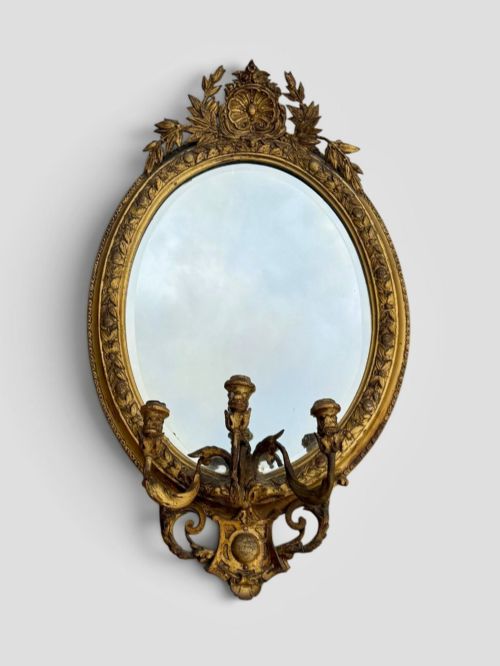
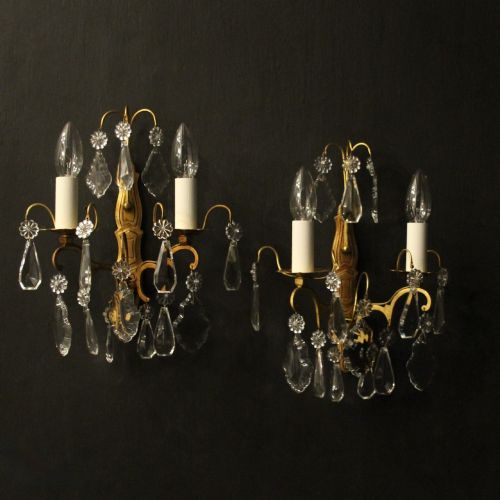
These antique gilt sconces bring warm, reflected light and brilliant gilding to a room, offering the finest French and English craftsmanship from the nineteenth and twentieth centuries.
What antique gilt sconces are
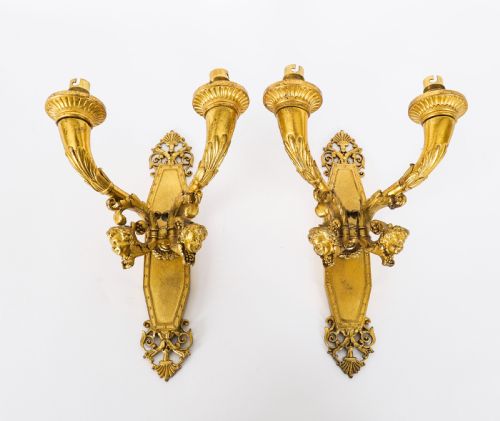
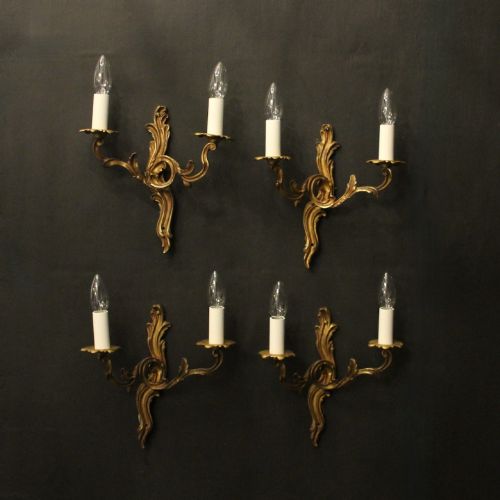
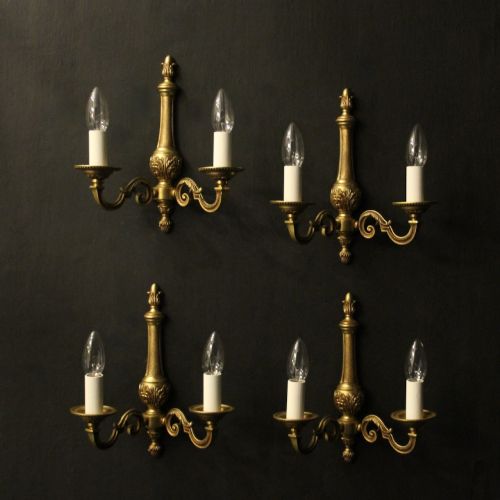
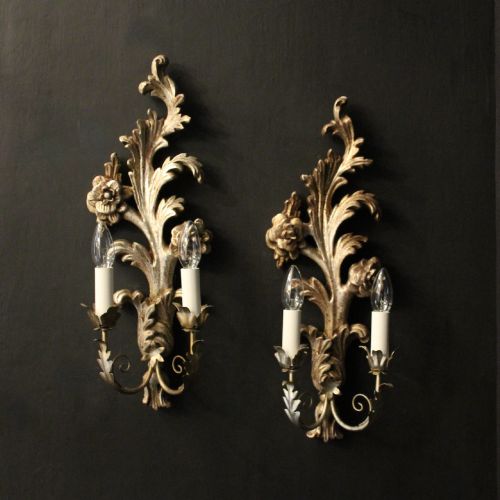
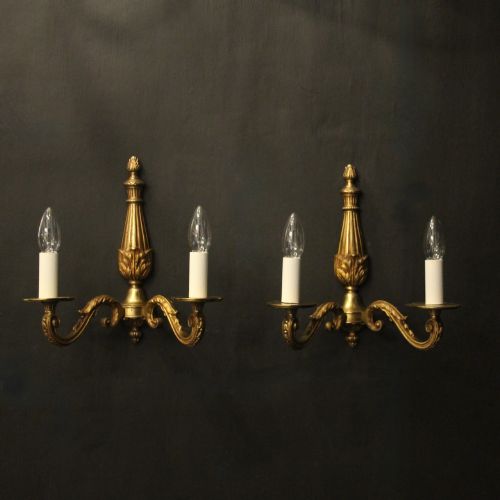
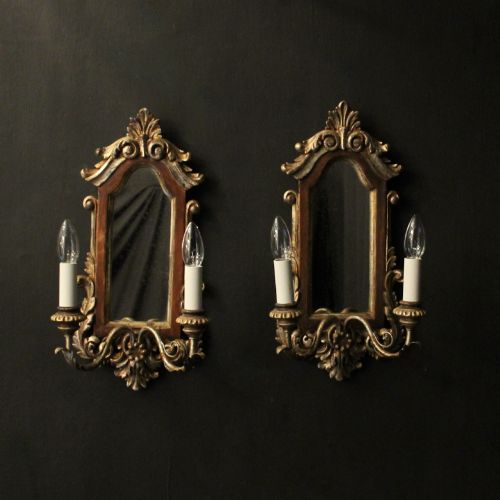
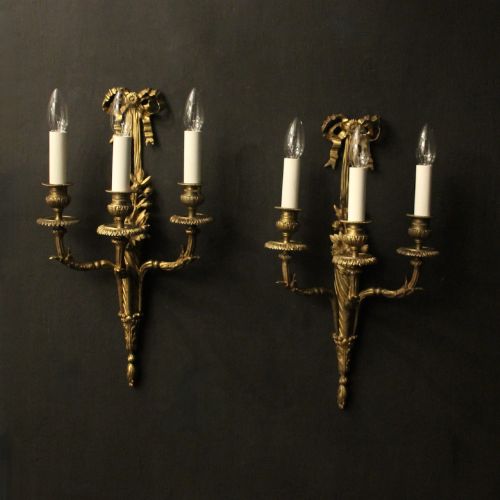
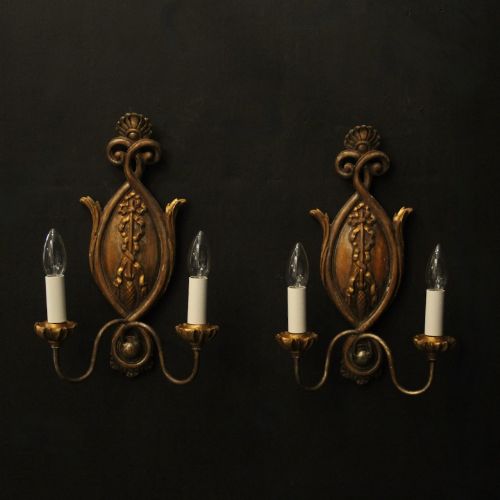
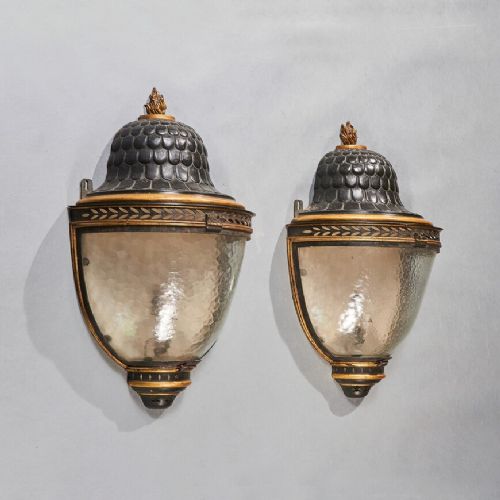
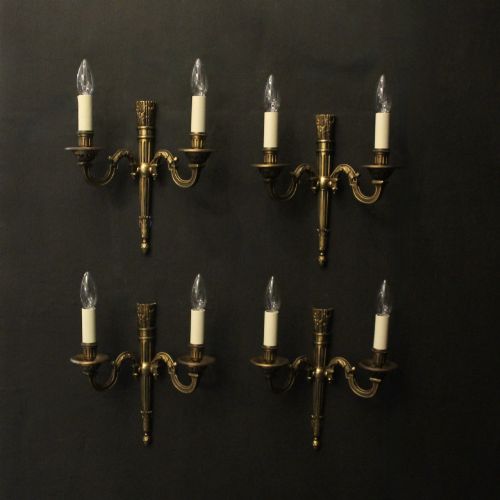
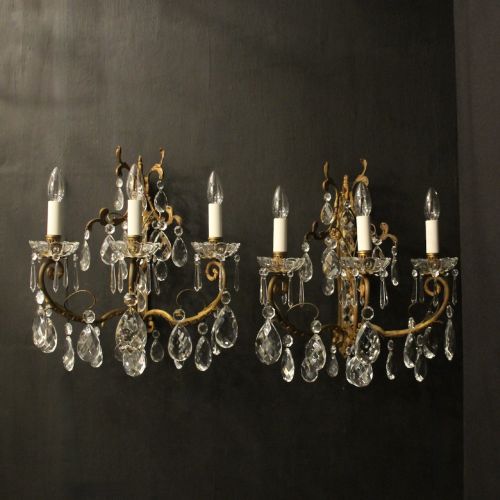
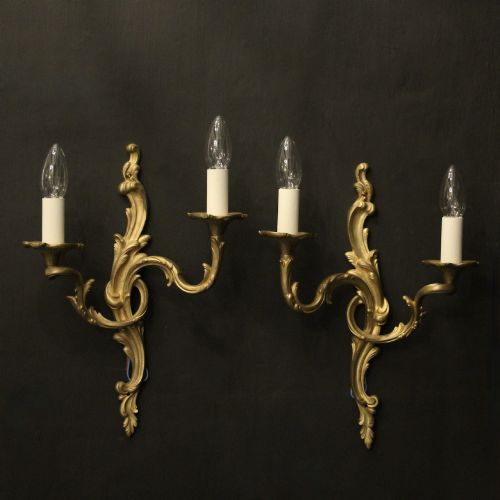
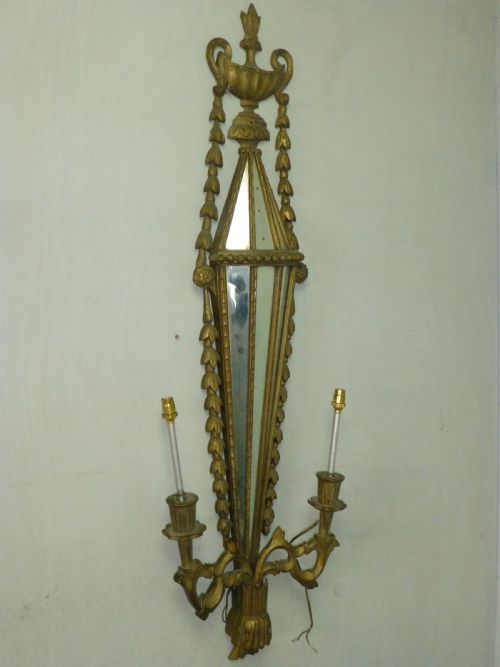
When you search for antique gilt sconces, you are looking at decorative wall lights and candle stands designed to illuminate interiors while adding a rich, metallic focal point. These fixtures range from two-branch and three-branch wall lights to elaborate mirror sconces and twin-arm candle brackets.
You are most likely to meet pairs on this page, as matching sets dominate the selection. They span styles including Louis XIV Revival, Neoclassical, Florentine Rococo, Victorian Neoclassical, Louis XVI Style, and Rococo Revival.
Origins stretch across French, Italian, and English workshops from periods dated between eighteen hundred and nineteen thirty. Forms vary from carved wooden frames and crystal-drop designs to grape-vine motifs and simple metal candle stands.
How they were made
Makers constructed these wall lights using carved wood, gesso, giltwood, and base metals such as brass, bronze, and ormolu. Artisans applied gold leaf to wooden and gesso surfaces to create a luminous, reflective finish that caught the flickering candle or gas light.
Foundry techniques shaped the bronze and ormolu mounts into intricate floral and scroll patterns, while joiners and carvers fashioned the wooden and giltwood bodies. Some examples integrate glass crystals and painted toleware elements alongside the metal arms.
Retail Price Guide 2026
Typical UK retail prices for gilt sconces, calculated from the Sellingantiques database of over a million retail prices indexed since 2003. This retail price guide relies exclusively on Sellingantiques data; no external sources or auction records are used, so the figures do not describe the wider market.
Certain French wall sconces incorporate creeping grape-vine motifs, bringing a touch of the vineyard indoors to keep watch over the parlour.
What varies in quality
The distinction between standard production and the finest work lies in the depth of the carving and the richness of the gilding. Superior pieces display crisp hand-carved details on wooden frames and heavy, finely chased ormolu or bronze castings.
Proportion and symmetry set the better pairs apart, alongside the integrity of the original gold leaf surface. Lesser items may show flat casting or crude surface treatments, while top-tier examples retain their complex multi-branch arrangements and original crystal drops.
The Antique Gilt Sconces Glossary
- Giltwood
- Wood that has been coated with gold leaf or a gold-coloured finish. This material forms the structural and decorative base of many French and Italian wall lights.
- Ormolu
- Finely ground high-carat gold applied to a bronze base using a mercury-gilding technique. It provides a rich, durable metallic lustre seen on nineteenth-century pieces.
- Gesso
- A plaster mixture applied to wood surfaces to create a smooth base for gilding. Carvers model intricate relief designs directly into this layer before applying gold leaf.
- Sconce
- A wall-mounted lighting fixture designed to hold candles or electric bulbs. Historical examples commonly feature multiple branching arms and reflective backplates.
- Toleware
- Painted and lacquered sheet metal used in decorative objects. Some continental sconces incorporate this technique alongside gilded elements.
Frequently Asked Questions
Were antique gilt sconces for candles or electricity?
Most older sconces were originally built to hold wax candles or oil lamps, designed to project light outwards into a room using reflective gilt surfaces.
Many surviving examples have since been wired for electricity by modern owners, though some retain their original candle sockets and drip pans.
How do I identify a French Louis style sconce?
French Louis styles, such as Louis XIV and Louis XVI, typically display formal symmetry, classical architectural motifs, and exuberant ormolu or carved giltwood details.
They often feature elaborate scrollwork, acanthus leaves, and urn motifs that reflect the royal tastes of their respective periods.
Where should I hang a pair of wall sconces?
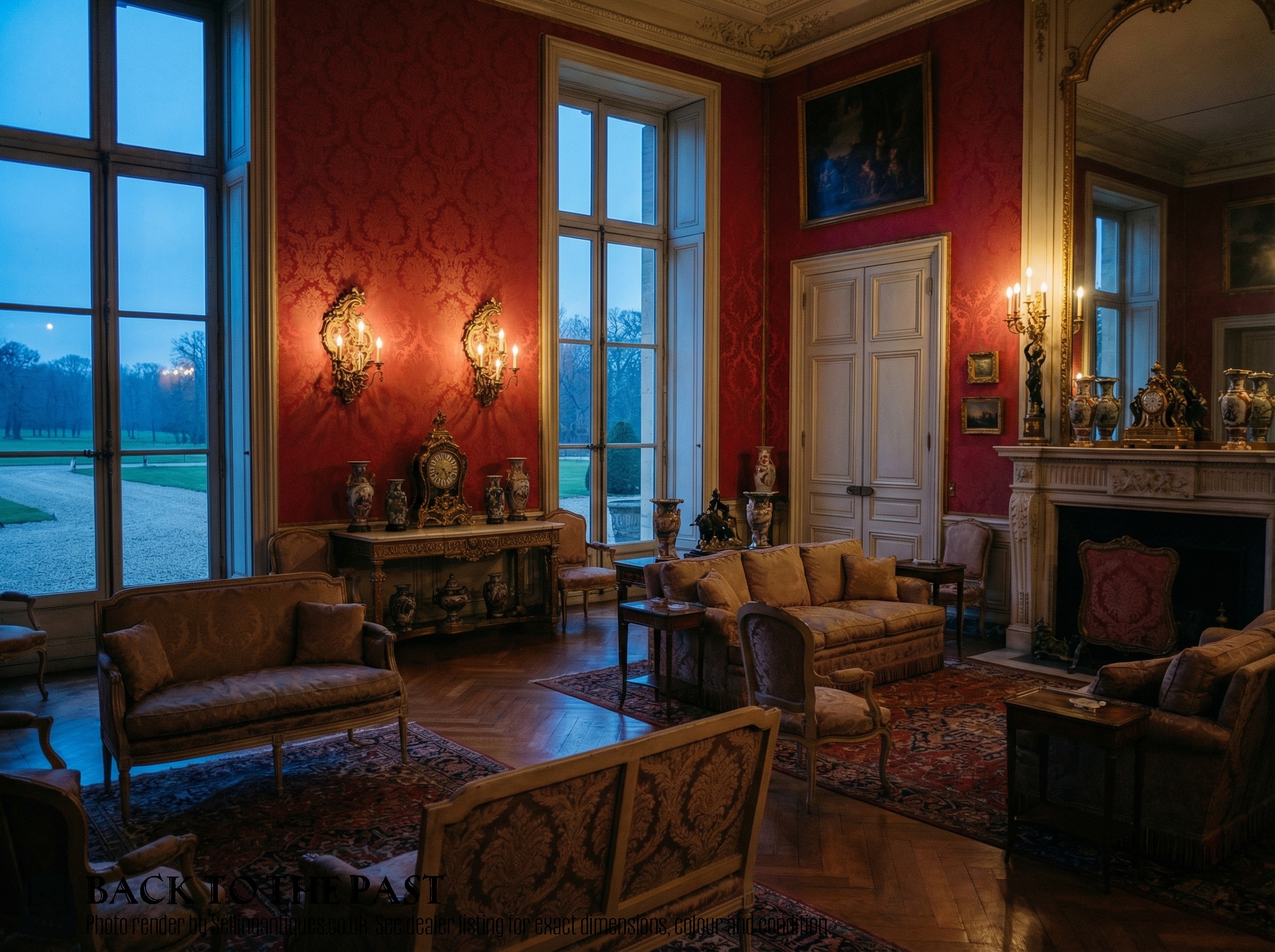
These fixtures work best mounted at eye level on either side of a fireplace, doorway, or large wall mirror to balance a room's composition.
In period settings, positioning them beside a gilt-framed mirror allows the reflective glass to amplify the ambient light.
How do I care for antique gilt surfaces?
Giltwood and ormolu require gentle dusting with a soft, dry brush to prevent the accumulation of dirt without disturbing the fragile gold leaf.
Avoid using water, chemical cleaners, or abrasive cloths, as these will strip the historic gilding and expose the underlying gesso or wood.