

Carved Wood Wall Lights
Carved wood wall lights bring warmth and sculptural depth to a room, offering an enduring tradition of artisan illumination.
What carved wood wall lights are
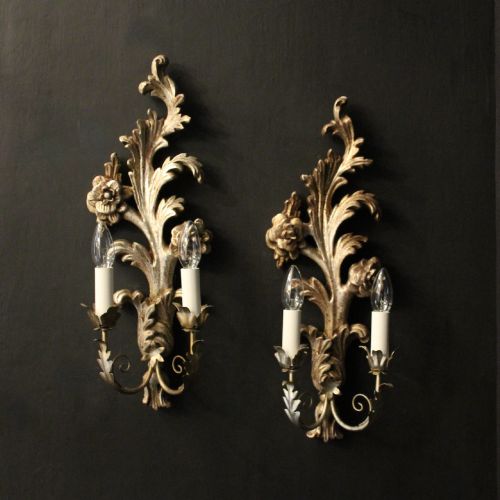
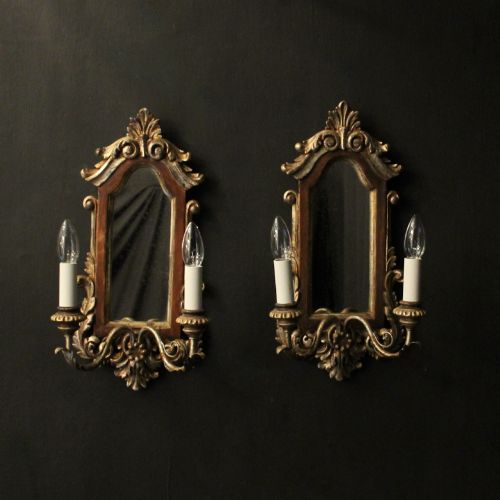
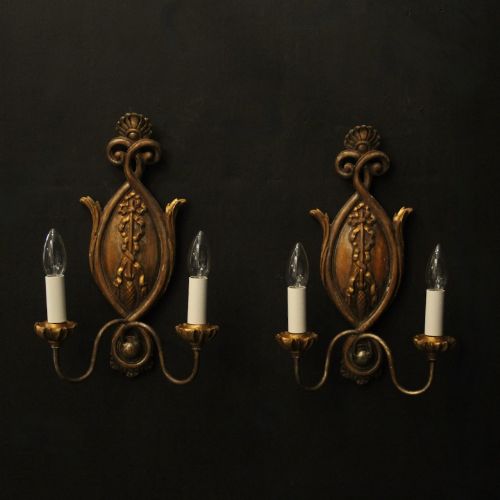
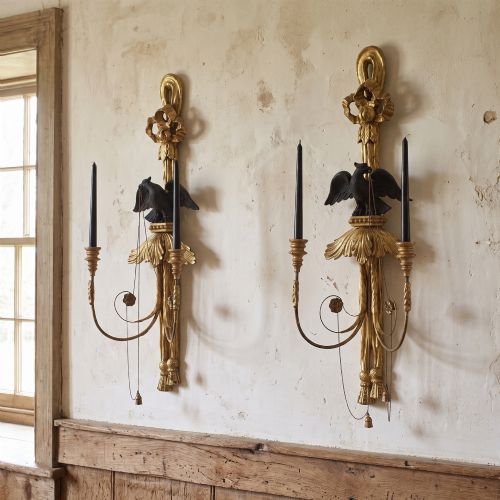
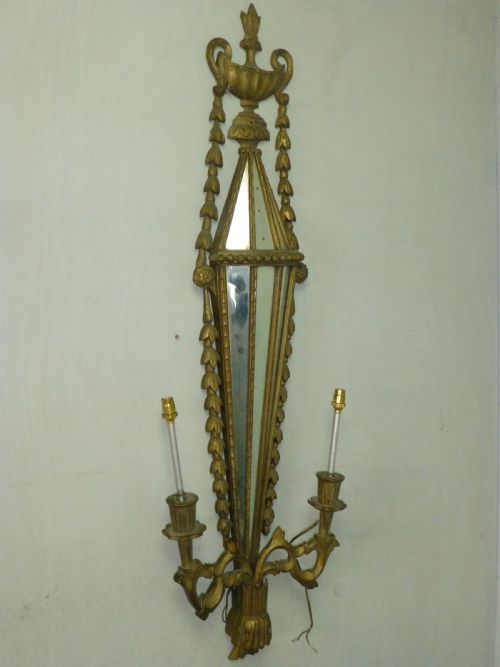
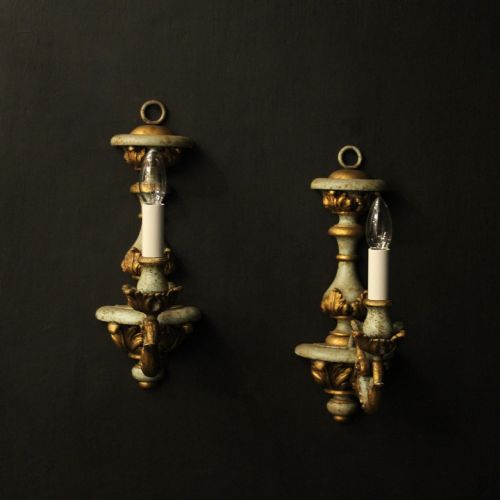
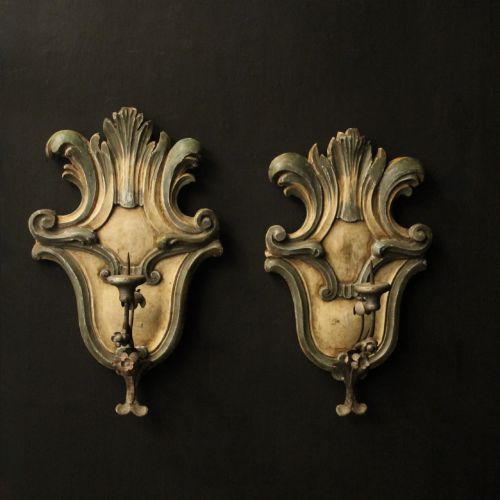
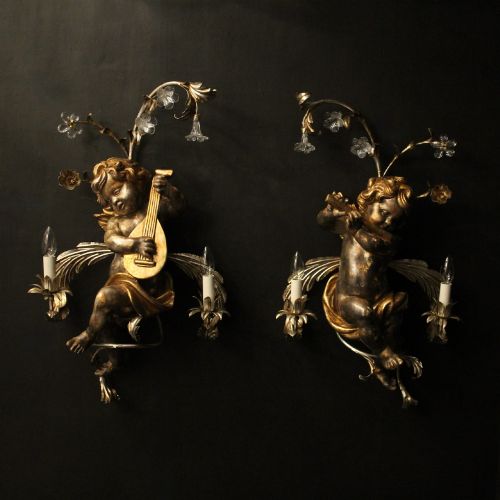
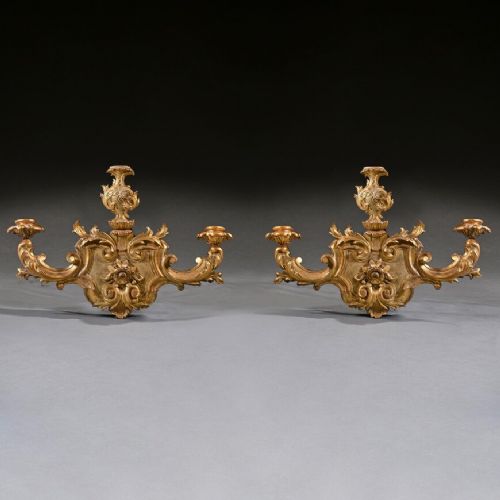
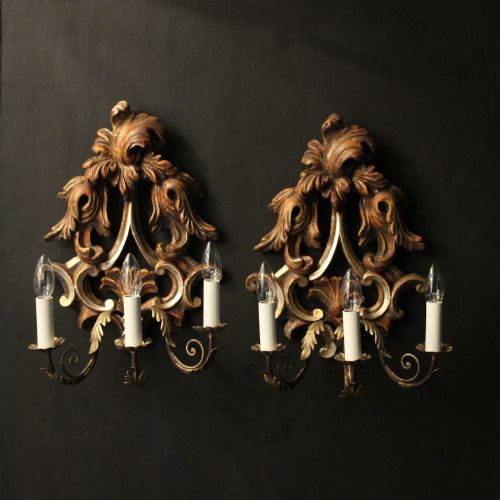
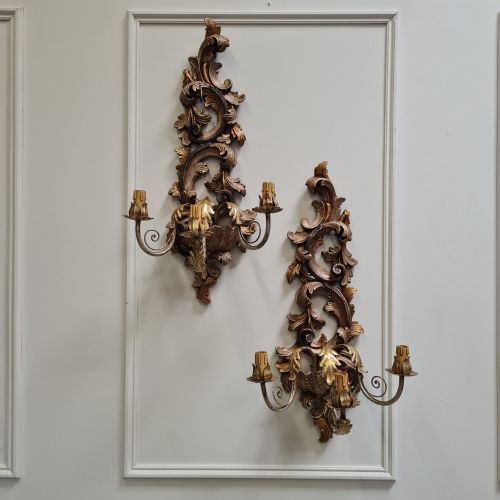
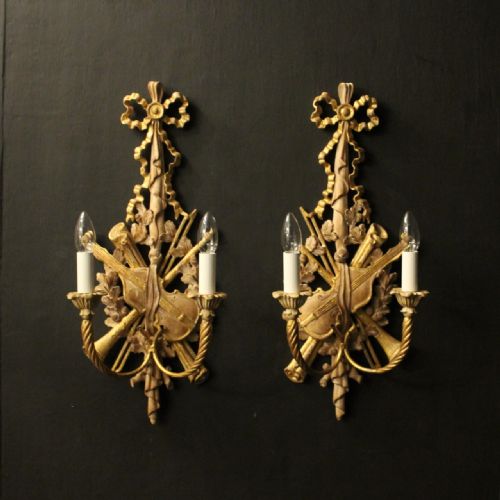
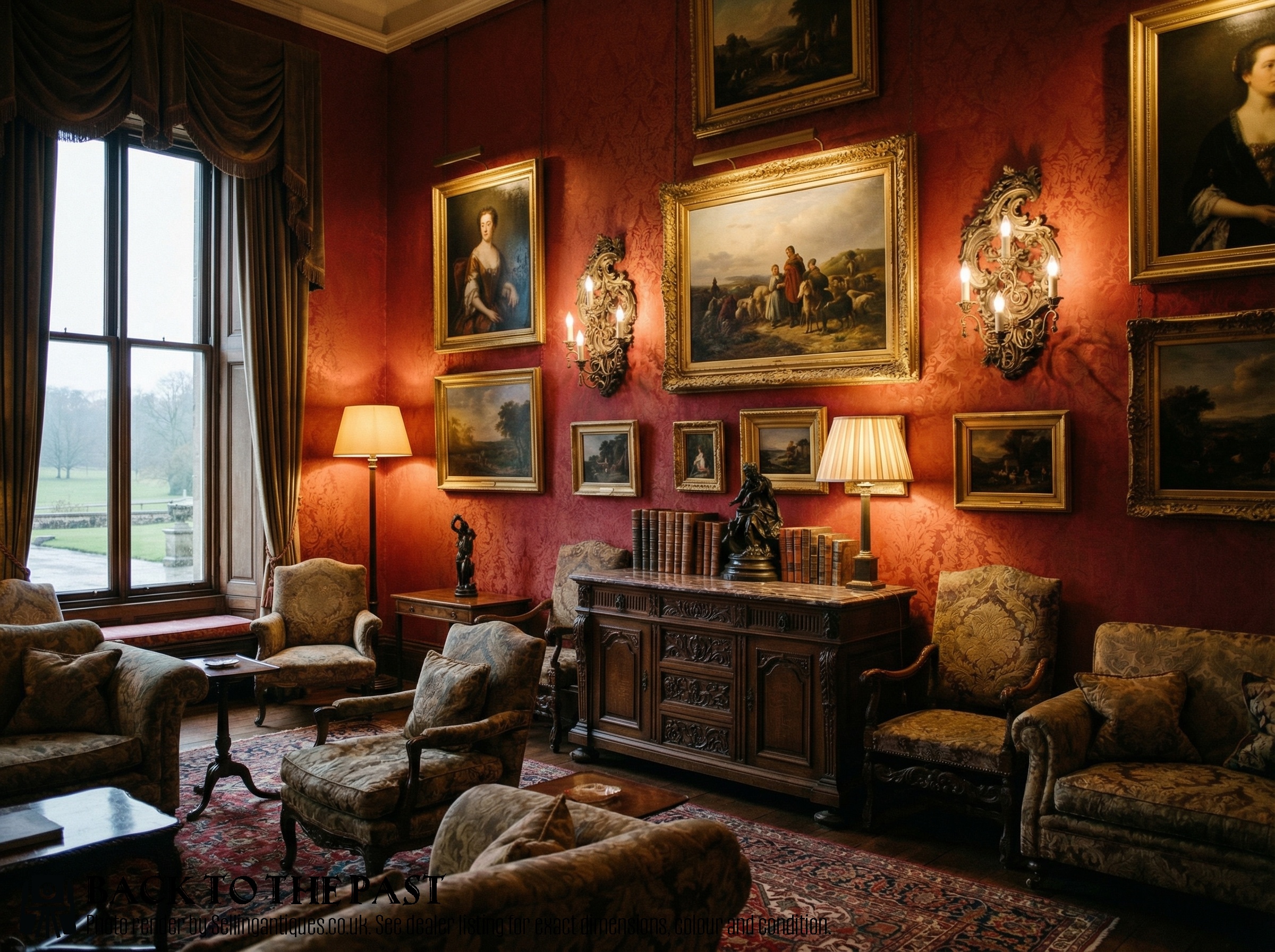
Carved wood wall lights are decorative lighting fixtures designed to mount directly onto a wall, combining functional illumination with intricate sculptural form. When you search for carved wood wall lights, you encounter pieces that range from single rustic wooden brackets to ornate multi-armed sconces finished in rich surface treatments.
The selections span various distinct historical periods, reaching from the eighteenth century through to the early twentieth century. Italian origins appear frequently, alongside French and British examples, demonstrating a strong continental influence in wood carving traditions.
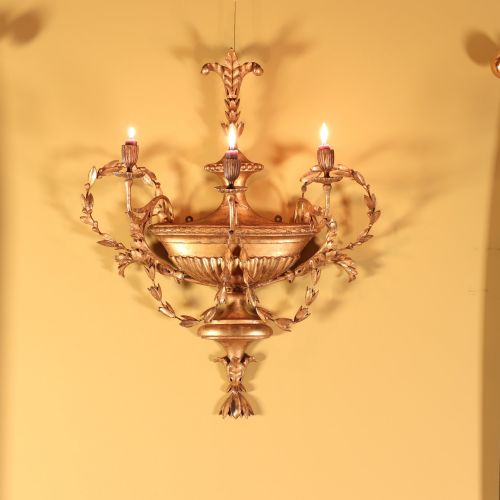
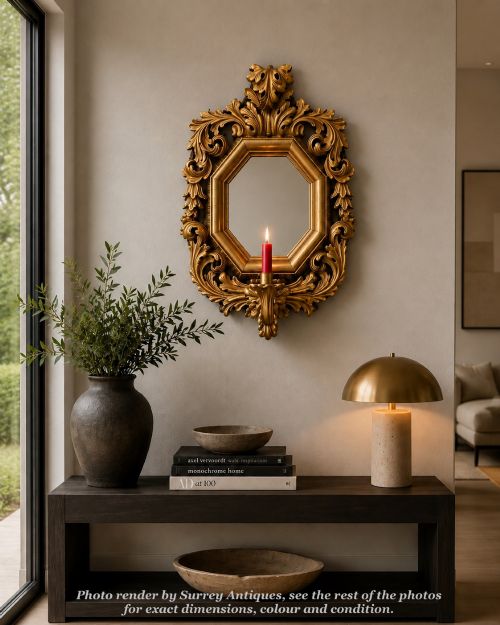
Forms vary from twin and triple arm fixtures to pricket candle lights and elaborate giltwood compositions. Buyers frequently meet Italian Florentine styles, alongside Rococo Revival, Neoclassical, and Gothic Revival aesthetics that highlight the versatility of carved timber.
How they were made
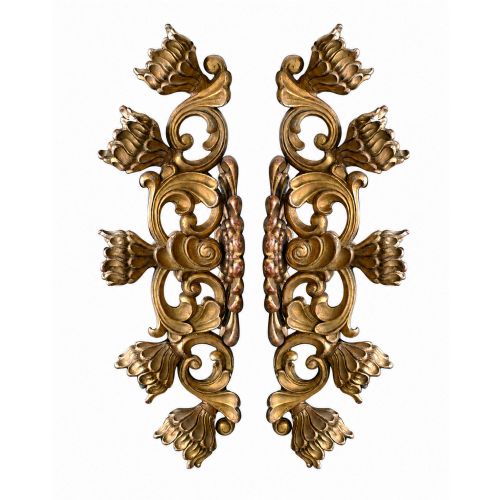
Craftsmen shaped these fixtures from solid timbers such as oak, rosewood, and general carved wood, applying manual chiselling and gouging techniques to create deep relief ornamentation. Structural forms often incorporated metal components to support the weight of multiple arms and secure the electrical or candle fittings safely to the wall.
Surface finishes involved meticulous preparation, applying gesso as a smooth base layer before laying down gold leaf, silver leaf, or polychrome paint. Artisans then distressed or burnished these metallic and painted coatings to achieve an aged patina that enhanced the carved contours under ambient light.
Retail Price Guide 2026
Typical UK retail prices for carved wood wall lights, calculated from the Sellingantiques database of over a million retail prices indexed since 2003. This retail price guide relies exclusively on Sellingantiques data; no external sources or auction records are used, so the figures do not describe the wider market.
Materials across these listings include carved wood, metal, gold leaf, gesso, giltwood, silver leaf, and paint.
What varies in quality
The distinction between standard examples and the finest pieces lies primarily in the depth, crispness, and natural movement of the carving. Superior items display undercut foliage, confident asymmetry in revival styles, and a fluid transition from backplate to arm that demonstrates a master carver's hand.
Surface application equally dictates the tier of the piece, where genuine hand-applied gold leaf or layered polychrome shows subtle tonal variations and wear patterns. Inferior works often rely on flat mechanical mouldings or heavy, uniform paint layers that obscure the underlying wood grain and sculptural definition.
The Carved Wood Wall Lights Glossary
- Giltwood
- Wood that has been coated with a thin layer of gold leaf. This technique creates a luminous metallic finish that reflects candle or artificial light effectively.
- Gesso
- A plaster-like mixture applied to wood surfaces as a preparation base. It provides a smooth ground for subsequent gilding or painting.
- Pricket
- A sharp metal spike on a candle holder designed to secure the base of a candle. This form represents an older tradition of lighting before socket holders became common.
- Polychrome
- Decorated in multiple colours. This painted surface treatment was frequently utilised on Italian wooden fixtures to add vibrancy.
- Girandole
- An ornamental bracket wall light featuring mirrors or multiple branches. The reflective qualities amplify the illumination within a room.
Frequently Asked Questions
How do I wire antique wall lights?
Most vintage wooden wall lights require a qualified electrician to adapt internal wiring for modern wall boxes. Professional installation ensures that delicate antique timber and surface finishes remain protected during mounting.
Many fixtures retain original backplates or mounting holes that guide the electrician on how to secure the piece safely. Care must be taken not to overburden old wooden arms with excessively heavy modern bulbs or shade attachments.
Are these lights suitable for bathrooms?
Historic carved timber and delicate gesso finishes react poorly to high humidity and direct moisture. Placing these pieces in damp environments risks warping the wood and lifting the gold leaf.
Dry interior spaces such as hallways, living rooms, and bedrooms provide the stable climate required to preserve the painted and gilded surfaces. Regular dusting with a dry cloth keeps the carving clean without introducing moisture.
How do I date an old wall light?
Dating relies on examining the timber species, the tool marks left by the carver on the reverse, and the composition of the gesso or paint layers. Stylistic indicators like Rococo asymmetry or Neoclassical symmetry also point toward specific historical periods.
Hardware elements such as handmade screws, brackets, and remnants of old candle prickets offer further clues regarding age. Comparing the joinery and decorative motifs with documented examples helps narrow down the century of manufacture.