


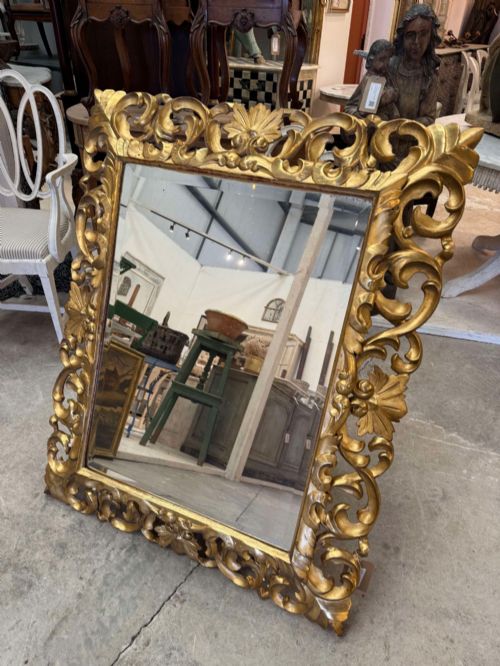
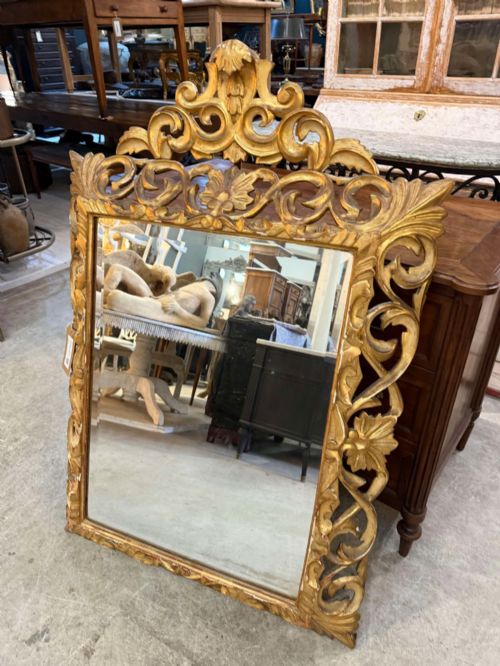
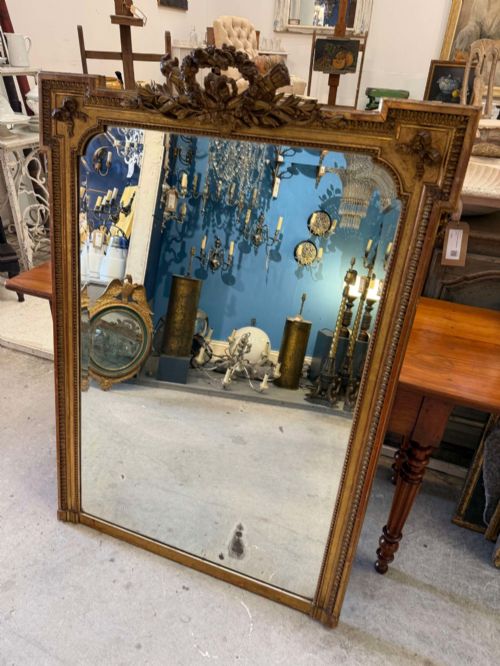
Ornate Gilt Mirror
An ornate gilt mirror brings reflective depth and lavish surface work to a room, drawing on centuries of European craftsmanship.
Ornate Gilt Mirror
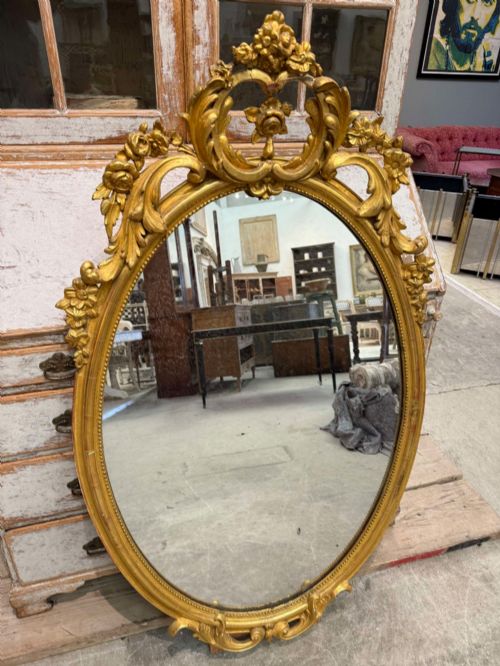
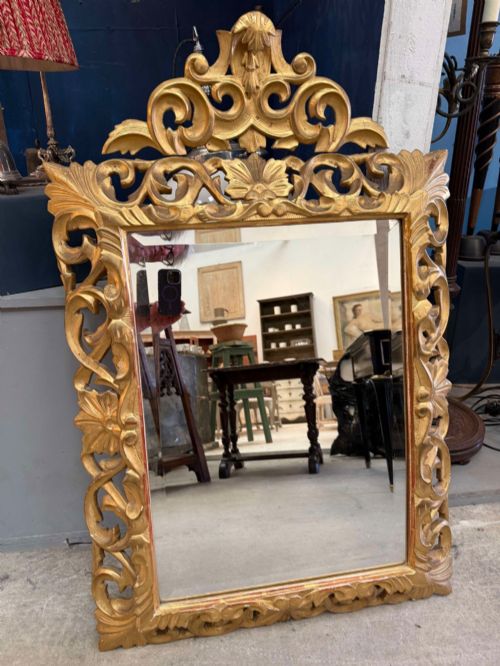
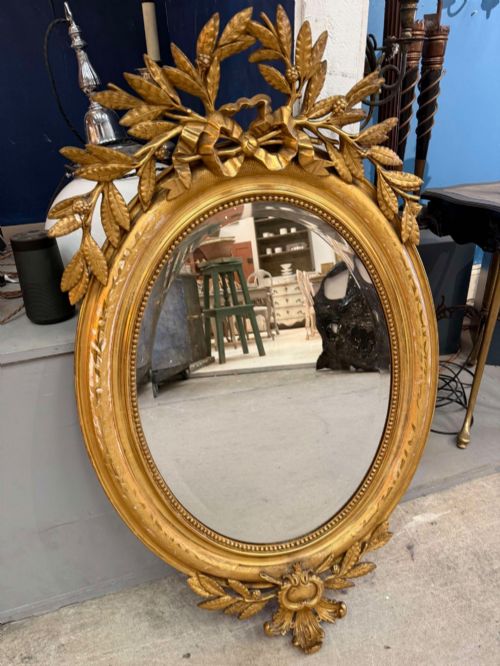
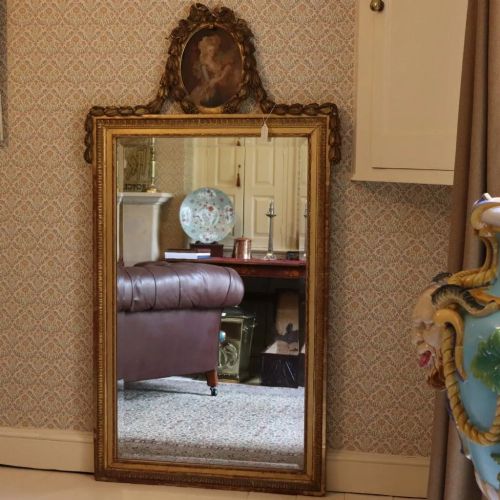
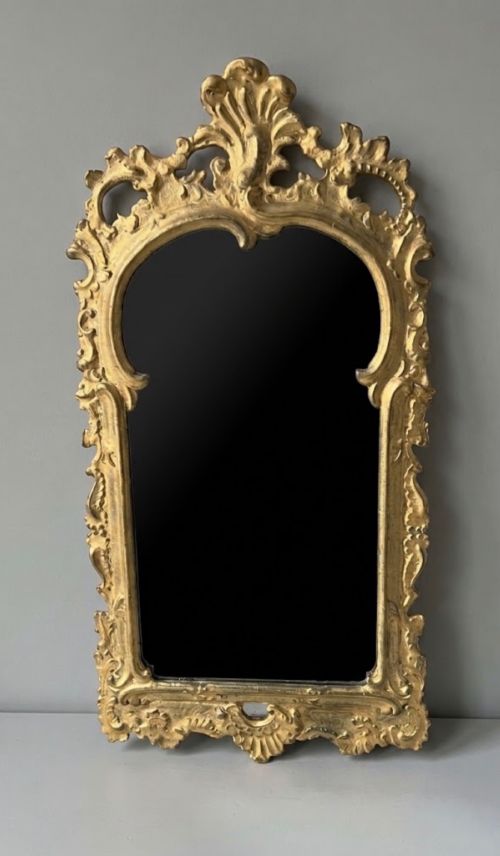
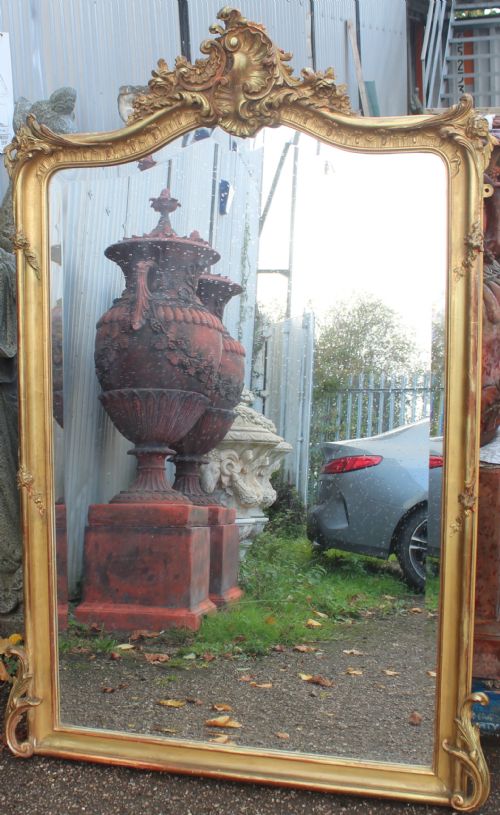
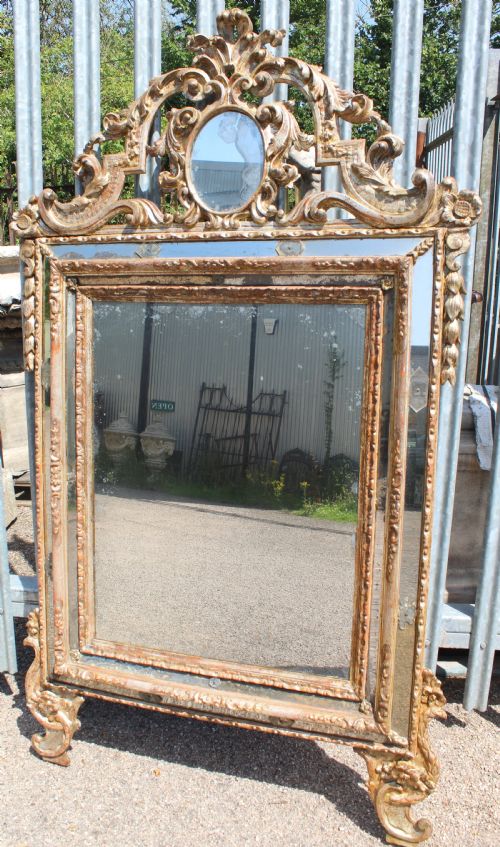
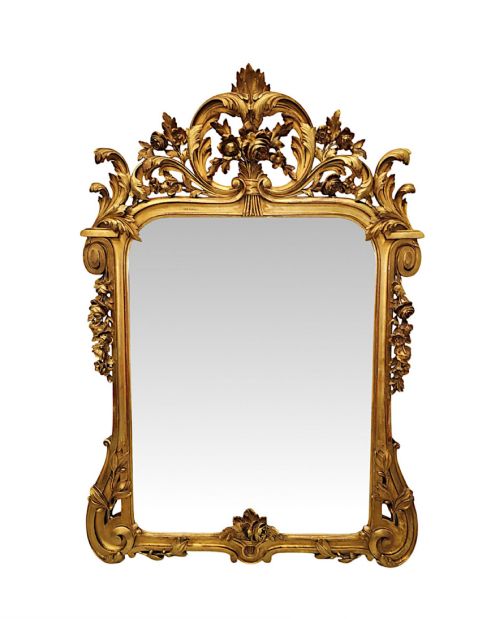
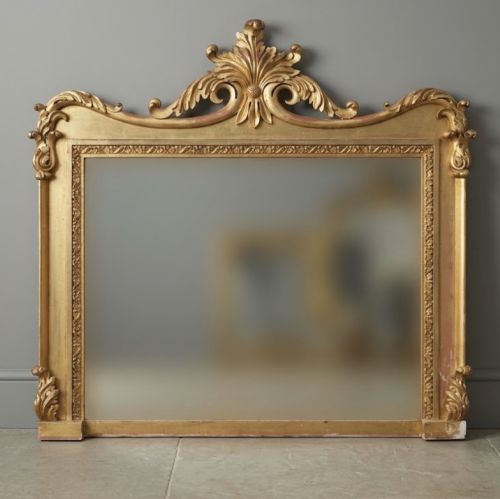
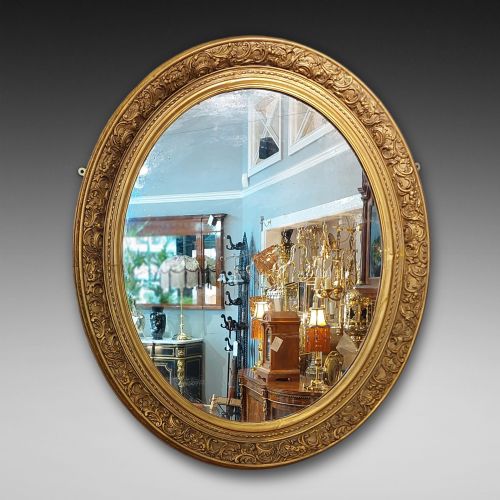
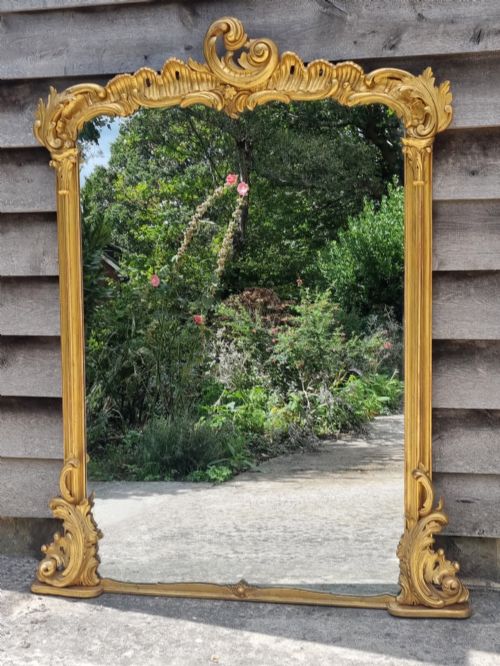
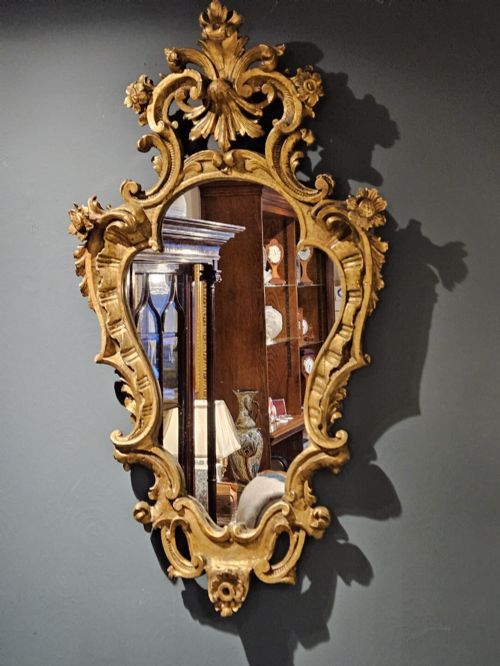
An ornate gilt mirror encompasses wall-hanging glass, heavy overmantel pieces designed for placement above fireplaces, and tabletop accessories from the eighteenth, nineteenth, and early twentieth centuries. Buyers searching this phrase will find diverse regional interpretations, from English carved wood and gesso overmantels to French Rococo wall pieces and Italian Florentine frames.
Originating across England, France, and Italy, these objects combine functional reflective surfaces with sculptural frames. They serve simultaneously as utilitarian looking glasses and as dominant decorative statements within domestic interiors.
How they were made
Makers constructed the structural frames of an ornate gilt mirror using seasoned timber, such as pine or hardwood, which provided a stable foundation for intricate ornamentation. Artisans applied layers of gesso - a mixture of chalk and binder - over the carved wood to build up high-relief scrolls, crests, and floral vine patterns.
Gilding was achieved by laying thin sheets of gold leaf or silver-gilt onto a prepared bole base, or by applying gold paint and composition moulding for faster production on later nineteenth-century pieces. The resulting surfaces were then burnished or aged to catch ambient light within a room.
The mirror plates themselves consist of traditional glass, sometimes retaining original mercury backing, foxed blemishes, or bevelled edges. Miniature and dressing variations occasionally incorporated champlevé enamel and cast gilt bronze elements.
Ornate Gilt Mirror Retail Price Guide 2026
Typical asking prices for ornate gilt mirror among the pieces listed under this phrase on Sellingantiques today, from the lower quarter to the upper quarter. They describe what is for sale here now, not the wider market.
Object forms range from massive French leaner mirrors and architectural overmantels down to delicate tabletop dressing glasses and serving trays.
What varies in quality
The distinction between ordinary and exceptional pieces lies in the depth and execution of the hand-carved woodwork versus moulded composition ornaments. Superior frames exhibit sharp undercutting and crisp relief in the gesso and wood, whereas lower tiers rely on repetitive cast plaster details that soften over time.
The integrity of the gilding and the condition of the glass plate heavily influence overall merit. Original mercury plates displaying natural foxing and heavy hand-bevelled edges command greater interest than plain modern replacements, while deep, multi-layered gold leaf finishes outlast simple painted surfaces.
Structural soundness at the joints and the survival of original pediments, ribbon crests, or candle arms determine whether a mirror retains its intended historical silhouette.
The Ornate Gilt Mirror Glossary
- Giltwood
- Wood that has been coated with gold leaf or gold paint. This technique forms the primary lustrous surface for historic picture frames and wall mirrors.
- Gesso
- A plaster-like preparation mixture used as a base for moulding fine details on wood frames. Artisans carve and shape this material before applying metallic leaf.
- Overmantel Mirror
- A large mirror specifically proportioned to hang above a fireplace mantel. These pieces frequently feature horizontal formats and elaborate architectural pediments.
- Girandole
- A wall-mounted mirror equipped with attached candle sconces or arms. The reflective glass multiplies the candlelight within darkened historic rooms.
- Foxing
- Age-related spots and discoloration within the silvering of a mirror plate. This natural oxidation process creates distinctive mottled patterns across the glass.
- Pier Glass
- A tall, narrow mirror designed to hang on the wall space between windows. These mirrors maximise natural light in formal reception rooms.
Ornate Gilt Mirror: Frequently Asked Questions
How do I hang a heavy overmantel mirror safely?
Large nineteenth-century overmantel frames carry substantial weight due to their dense timber and gesso construction. They require professional wall anchors fixed directly into masonry or secure wall studs.
Weight distribution should be supported by strong brackets or professional hanging wire attached to the primary wooden frame rather than decorative trim.
What is foxed glass on an antique mirror?
Foxing refers to the natural degradation and oxidation of the reflective backing behind the glass over decades. This chemical process causes dark spots and speckled silver patches to appear across the surface.
Many collectors prize genuine foxed plates because they confirm the age of the glass and provide a soft, non-distracting reflection.
How do I clean a giltwood frame without damage?
Gilt surfaces require gentle maintenance using a soft, dry ostrich feather duster or a clean dry brush to remove surface dust. Moisture and modern chemical cleaning agents will dissolve old water-gilding and strip the gold leaf.
Avoid touching the metallic finish directly with bare hands, as natural skin oils can tarnish and degrade vulnerable antique leaf over time.
How do I tell a Victorian mirror from an 18th-century original?
Eighteenth-century mirrors typically display hand-carved wooden frames with softer, organic asymmetry and early plate glass with noticeable distortion. Victorian pieces from the nineteenth century often utilise moulded gesso over pine substrates and feature heavier, stylised revival motifs.
Examining the construction joints, backing boards, and screw types helps clarify the exact period of manufacture.