




Cherub Crest Mirror
These cherub crest mirror examples bring sculptural grace to a room, dominated by nineteenth century French giltwood and gesso pieces.
Cherub Crest Mirror
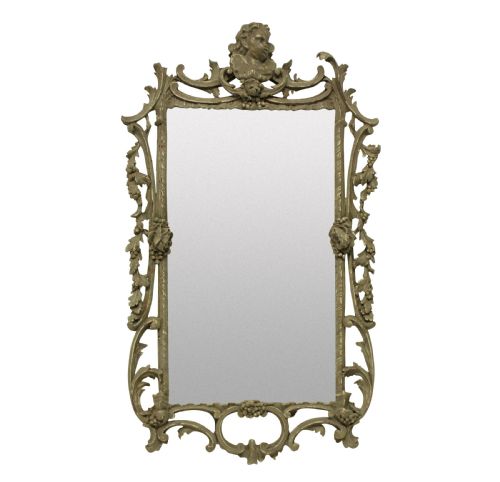
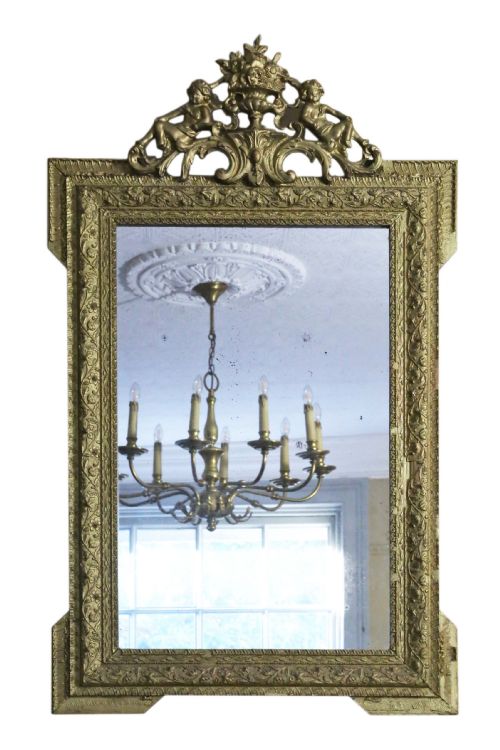
When you search for a cherub crest mirror, you are looking at wall mirrors and overmantle mirrors crowned with carved wooden or moulded figures of putti or cherubs. These decorative forms draw heavily upon French Rococo Revival, Louis XVI, and Baroque Revival styles, bringing dramatic theatricality to domestic interiors.
The pieces you are most likely to meet on this page date from the nineteenth century, particularly the eighteen sixties and eighteen seventies, alongside later nineteenth and twentieth century revival pieces. They appear in grand proportions suited for hanging above mantelpieces or as principal wall pieces in reception rooms.
The surviving examples range from substantial French giltwood and gesso overmantle mirrors to smaller carved oak wall mirrors featuring figural cresting. Each item displays the characteristic union of utilitarian glass and elaborate sculptural woodwork that defines the genre.
How they were made
Surface finishes include gold leaf, silver leaf, original gilt, and painted or ebonised treatments that give the frames their distinctive metallic sheen or aged patina. Overmantle and wall mirrors often utilise heavy glass plates secured within these elaborate composite and giltwood structures.
The site listings feature nineteenth-century periods, including specific dates from eighteen sixty to nineteen thirty, alongside materials like giltwood, gesso, oak, and silver leaf.
What varies in quality
Quality also rests in the integrity of the underlying wooden frame and the untouched state of the original silvered glass and painted surfaces. Heavy, substantial overmantle formats with deeply layered gesso and carved wood show a level of artisan commitment absent in simpler decorative substitutes.
The Cherub Crest Mirror Glossary
- Putto
- A plump, naked male child figure commonly found in classical art and architectural decoration. On these mirrors, putti form the signature cresting at the top of the frame.
- Gesso
- A plaster-like mixture applied to wood frames to create a smooth surface for gilding or painting. Artisans mould and carve this material to produce intricate relief decoration.
- Overmantle mirror
- A large mirror designed specifically to hang above a fireplace mantel. These pieces often feature wide proportions and prominent crests to fill the vertical wall space.
- Giltwood
- Timber that has been coated with gold leaf or gold paint. It provides the bright, reflective metallic finish characteristic of nineteenth-century revival mirrors.
- Composition
- A moulded material made from whiting, resin, glue, and oil pressed into dies. It allowed makers to produce complex ornamental details quickly.
Cherub Crest Mirror: Frequently Asked Questions
What is a cherub crest mirror?
A cherub crest mirror is a wall or overmantle looking glass featuring carved or moulded figures of putti, cherubs, or reclining infants at the apex of the frame. These decorative mirrors draw on nineteenth-century French and revival aesthetics.
They serve as both functional reflective surfaces and prominent architectural ornaments designed to draw the eye upward in a room.
Where should I hang an overmantle mirror?
Overmantle mirrors are traditionally hung directly above a fireplace mantelpiece to anchor the room's central focal point. Their grand scale helps to reflect light and visually expand the proportions of the interior space.
Ensure the wall structure and fixings can support the substantial weight of carved wood, gesso, and heavy glass.
How do I identify a nineteenth-century mirror?
Nineteenth-century mirrors typically show construction methods like hand-cut joinery, older backing boards, and heavy gesso or carved wood frames. Examination of the glass plate can reveal slight imperfections, foxing, or bevels consistent with older manufacturing techniques.
Stylistic cues such as Louis XVI symmetry or Rococo Revival asymmetry also point toward nineteenth-century production dates.
What is the difference between giltwood and painted mirrors?
Giltwood mirrors feature a metallic gold leaf or gilt finish applied over gesso and wood, creating a bright and reflective appearance. Painted or ebonised mirrors utilise pigmented coatings to achieve solid colours or dark contrasting tones.
Many period pieces combine both techniques, retaining original painted surfaces alongside highlighted areas of gilding.