


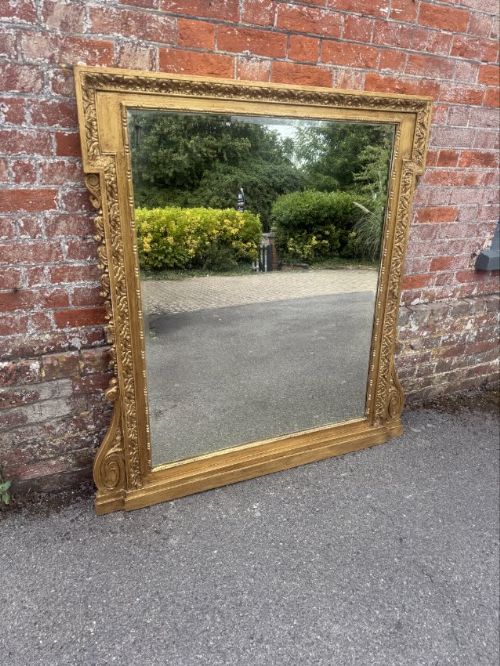
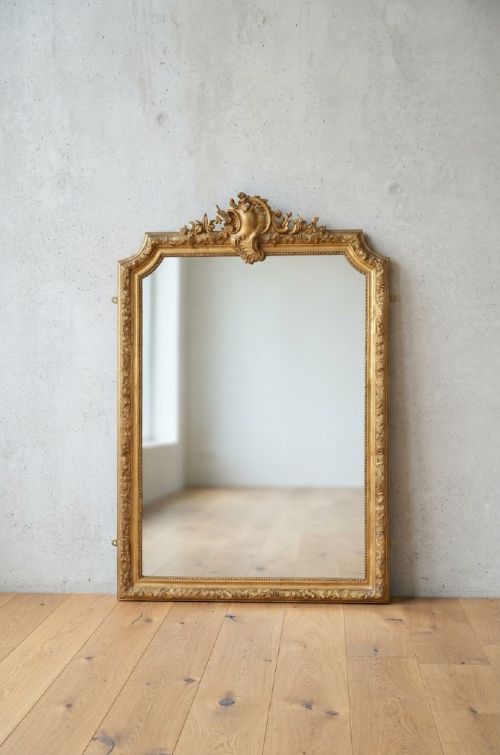
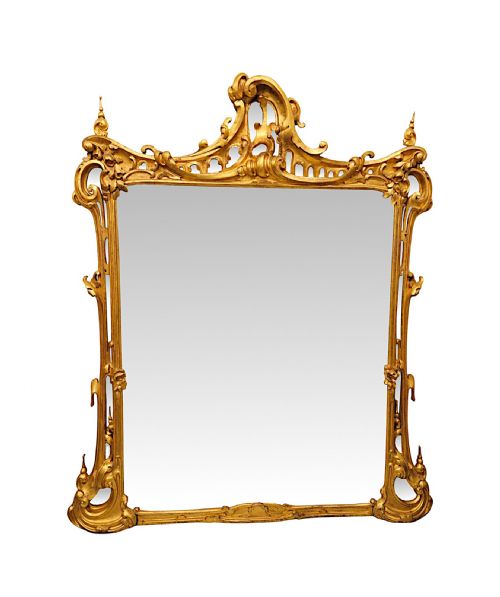
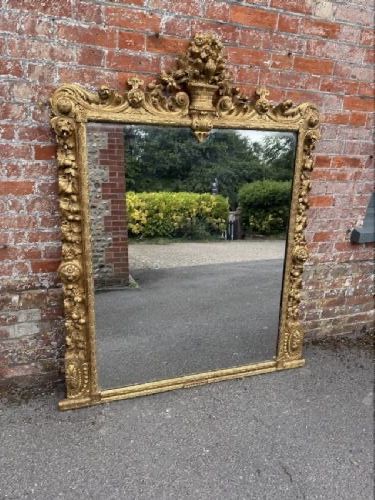
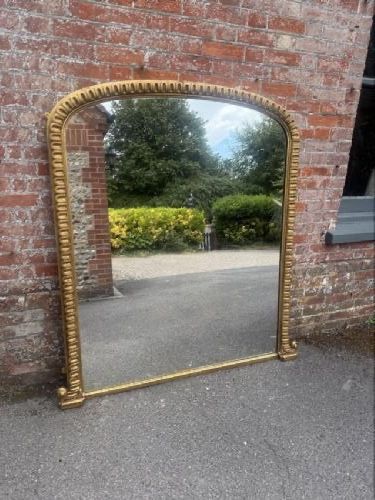
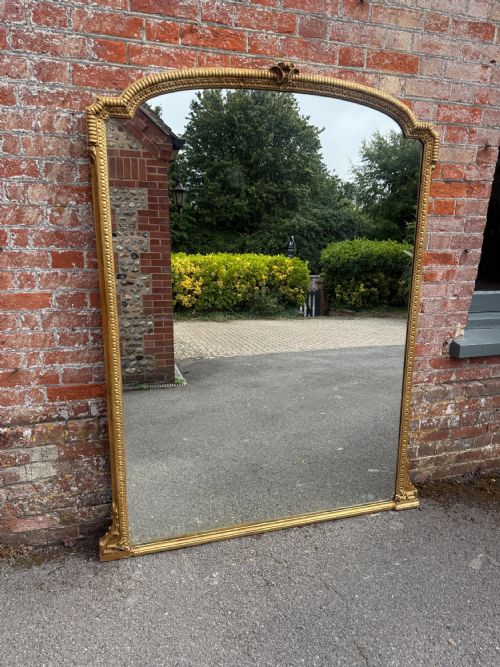
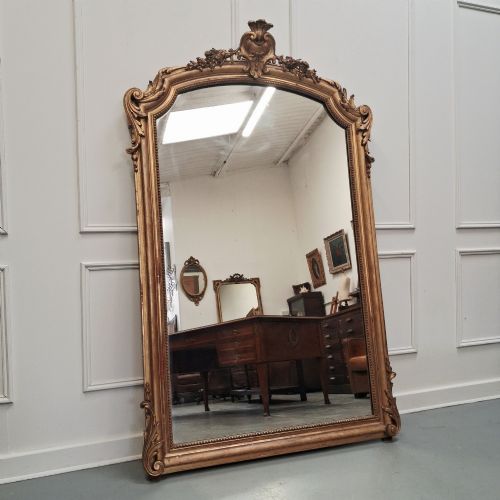
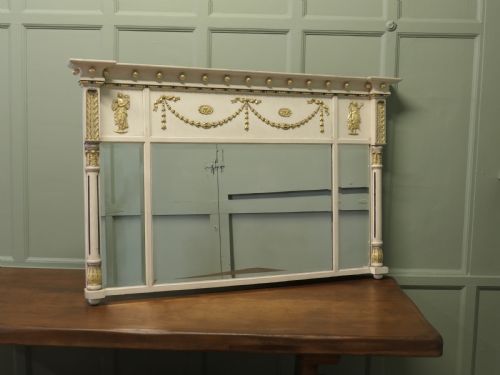
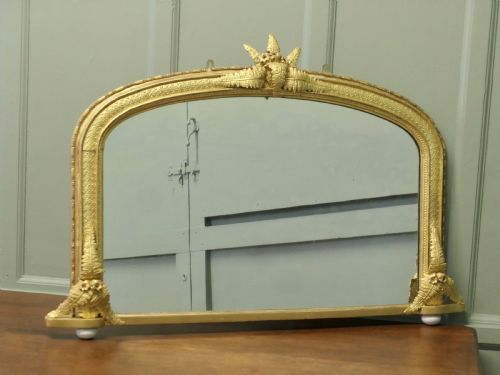
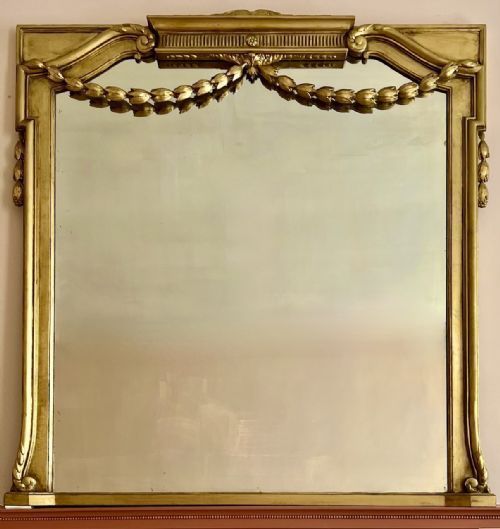
Gilded Mantel Mirror
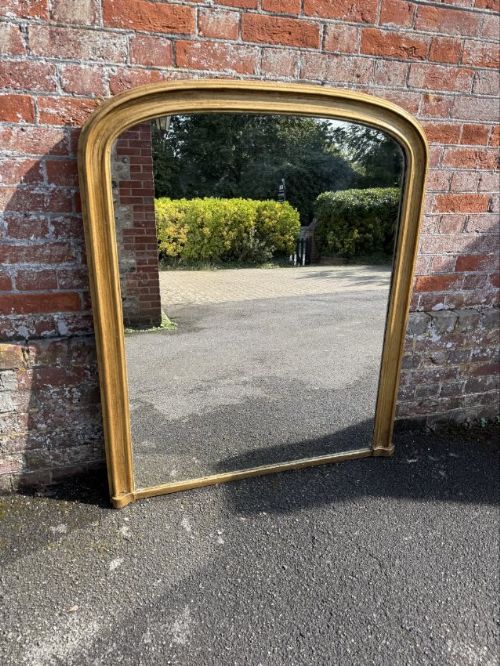
A gilded mantel mirror brings scale and reflection to a room, anchoring the chimney piece with nineteenth-century presence.
What these pieces are
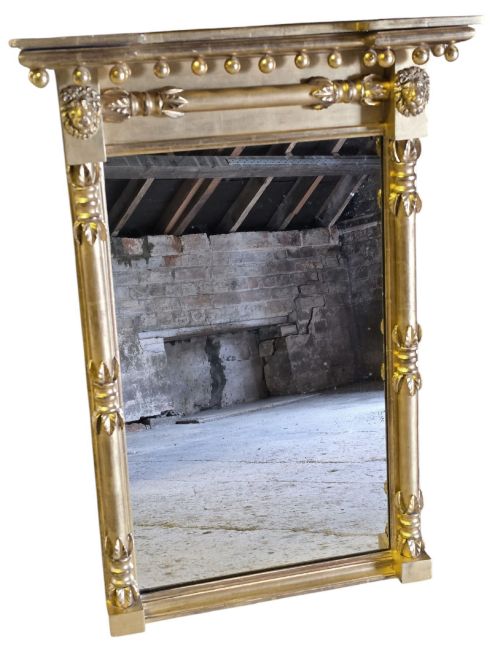
A gilded mantel mirror is designed specifically to sit above a fireplace, taking the form of large overmantel mirrors, wall mirrors, and pier mirrors. These pieces span the nineteenth century, including Victorian, Regency, William IV, and French styles such as Louis Philippe and Second Empire.
Buyers will encounter substantial country house examples alongside architectural archtop pieces, triptychs, and triple plate formats. French imports and English regional workshops both populate the selection, ranging from neat proportions to massive architectural dimensions.
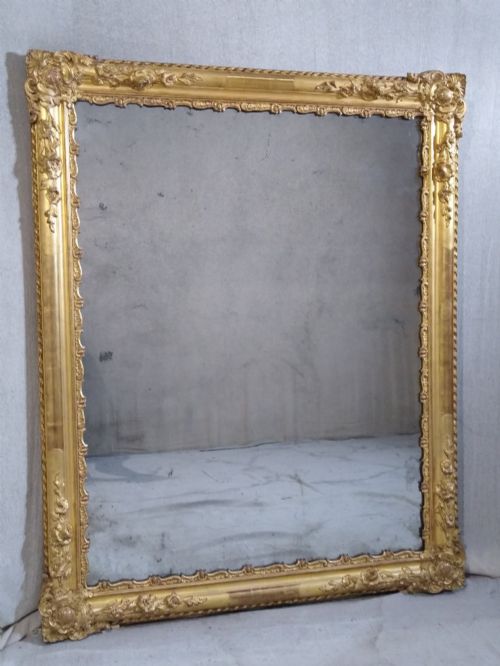
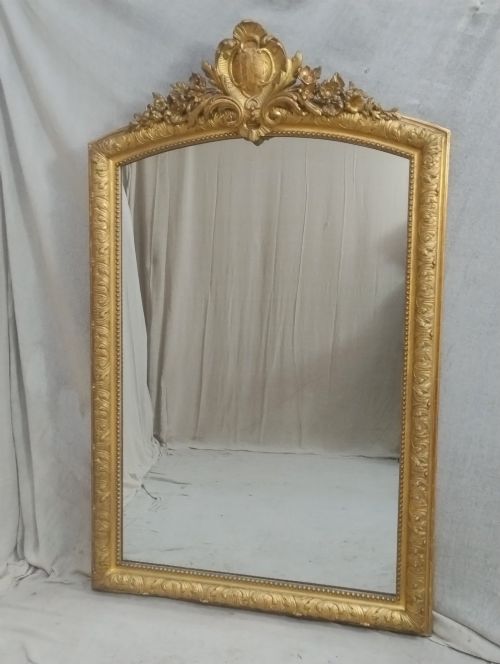
The decorative vocabulary draws heavily on neoclassical motifs, putto cresting, figurative scenes like Anania and her chariot, and rococo scrollwork. Many function as principal room focal points, combining console and pier glass forms to bounce light across a grand interior.
How they were made
Makers constructed the primary frames from timbers such as walnut and carved wood, applying gesso to build up intricate relief ornament before gilding the surface. Giltwood and painted finishes appear alongside ebonised details and black lacquer.
Reflecting surfaces rely on mirror glass, sometimes divided into triple plate configurations or triptych panels joined within the single architectural frame. Carved elements and applied mouldings define the crests and friezes.
Retail Price Guide 2026
Typical UK retail prices for gilded mantel mirror, calculated from the Sellingantiques database of over a million retail prices indexed since 2003. This retail price guide relies exclusively on Sellingantiques data; no external sources or auction records are used, so the figures do not describe the wider market.
What varies in quality
Quality separates through the depth and crispness of the wood carving and the finesse of the gesso work beneath the gold leaf. Superior examples display sharply defined figural crests, balanced proportions, and integrated decorative friezes rather than shallow, mass-moulded relief.
The integrity of the original glass plates and the cohesion of the frame structure distinguish high-end country house pieces from simpler output. Subtle details such as hand-carved putti or narrative scenes elevate individual examples far above standard production.
Nosotti
The Gilded Mantel Mirror Glossary
- Giltwood
- Timber, typically carved pine or hardwood, coated in gesso and leaf gold. This surface method provides the brilliant metallic sheen characteristic of nineteenth-century frames.
- Gesso
- A plaster-like mixture applied to wooden frame bases to create a smooth or sculpted ground for gilding. It allows craftsmen to carve intricate relief details before applying gold leaf.
- Overmantel
- A large mirror or painting designed specifically to hang on the wall directly above a mantelpiece. These grand looking glasses often dictate the decorative scale of a nineteenth-century drawing room.
- Triptych
- A mirror composed of three distinct side-by-side glass plates within a unified frame structure. This division is frequently seen in grander nineteenth-century examples.
- Pier glass
- A tall, narrow mirror designed to hang on the wall pier between two windows or above a console table. Several nineteenth-century variations combine this form with standard overmantel functions.
- Putto
- A representation of a chubby male infant, often winged, appearing in the carved cresting of decorative frames. These sculptural figures add classical whimsy to Victorian and French designs.
Frequently Asked Questions
Where should a gilded mantel mirror hang?
These mirrors belong directly above a fireplace mantel, where their proportions reflect the hearth and draw the eye upward.
They also function effectively on main room walls as console mirrors, provided the wall structure can support the substantial weight of the timber and glass.
How do I identify a Victorian piece?
Victorian examples frequently display heavier carved wood ornamentation, elaborate putto cresting, or black lacquer and painted details.
Comparing the frame style against Regency neoclassical restraint or French Louis Philippe curves helps narrow down the exact nineteenth-century period.
Are these mirrors heavy?
Nineteenth-century overmantel mirrors are exceptionally heavy due to the solid timber construction, thick gesso, and large glass plates.
Secure wall fixings into structural brickwork or studs are essential for safe installation above any mantel.