

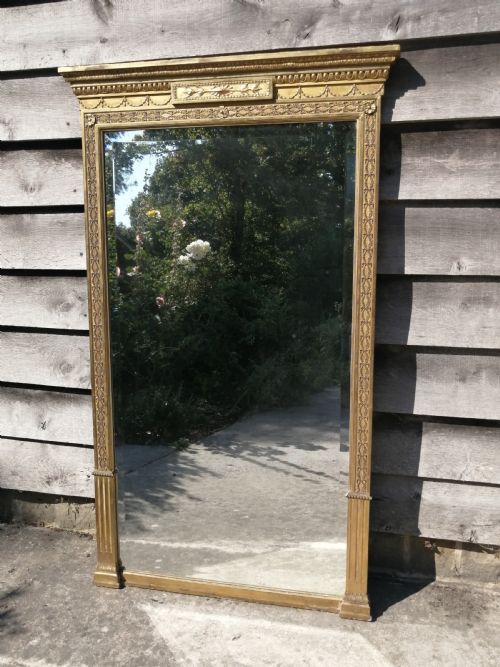
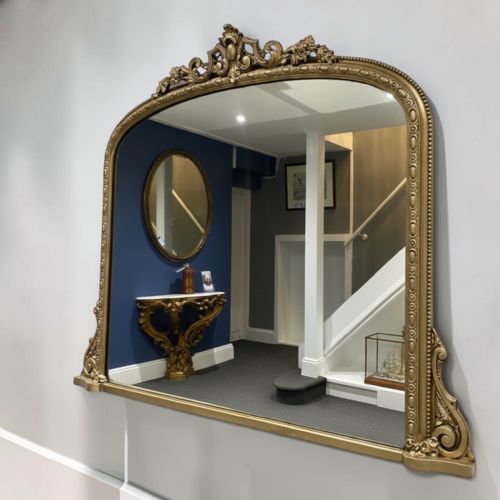
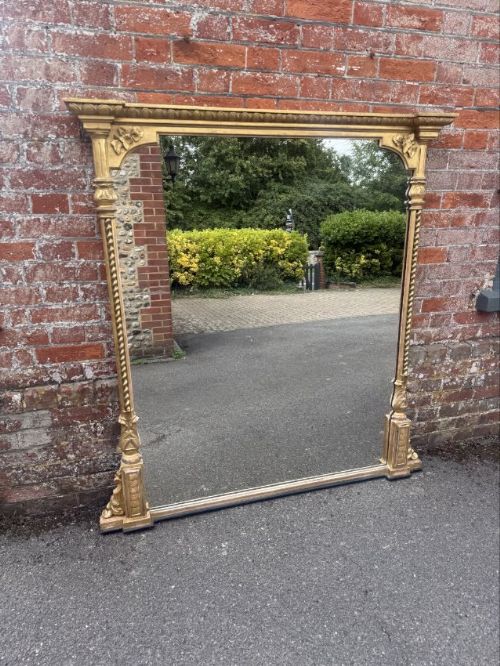
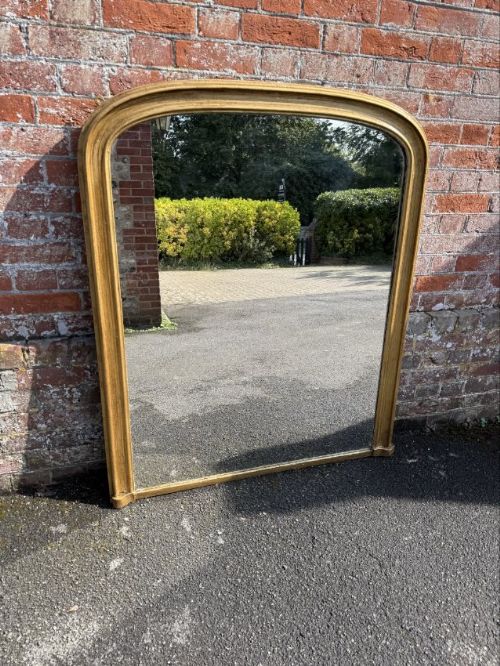
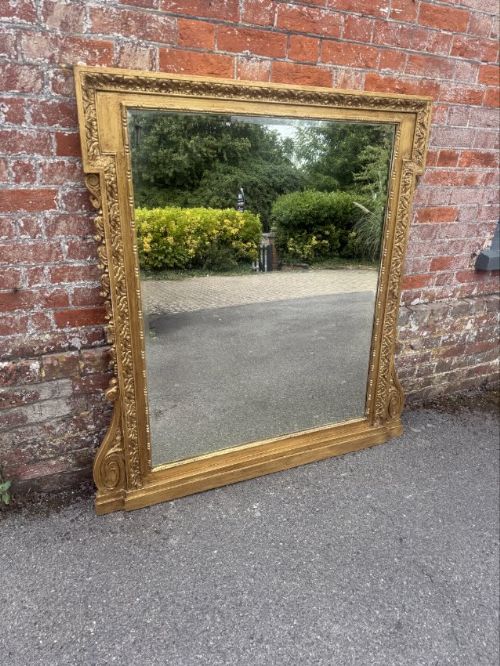
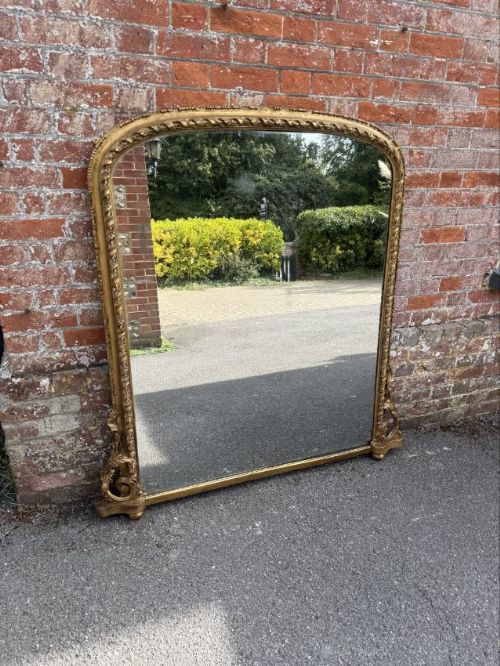
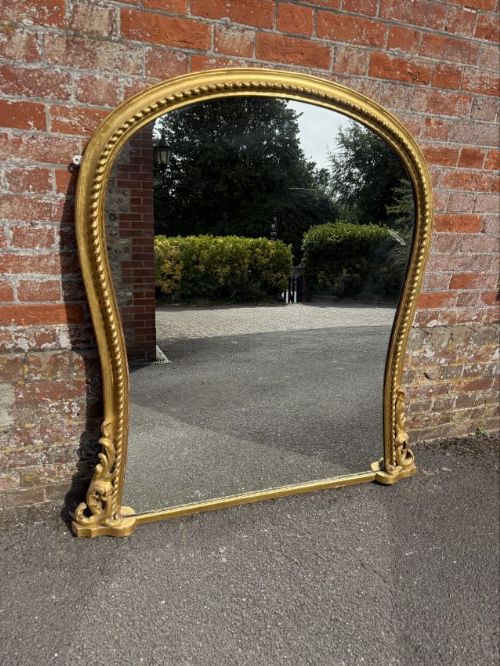
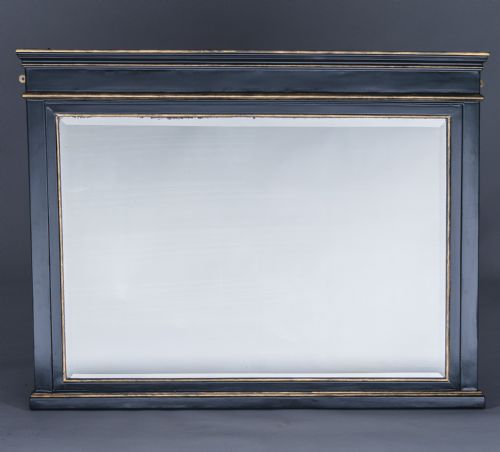
Large Gilt Chimney Glass
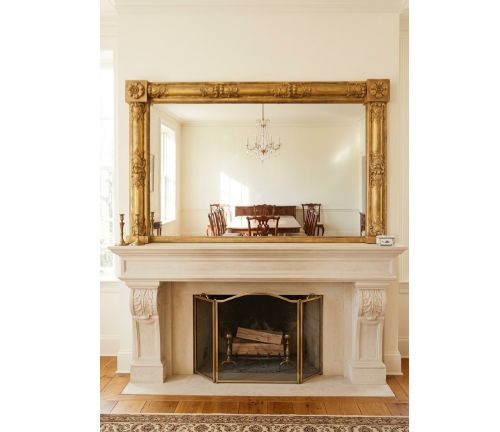
A large gilt chimney glass is a grand focal point designed to sit above a fireplace, bringing warmth and reflected light to a room.
Large Gilt Chimney Glass
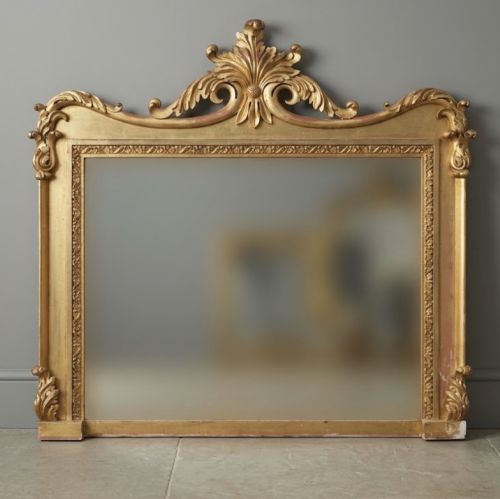
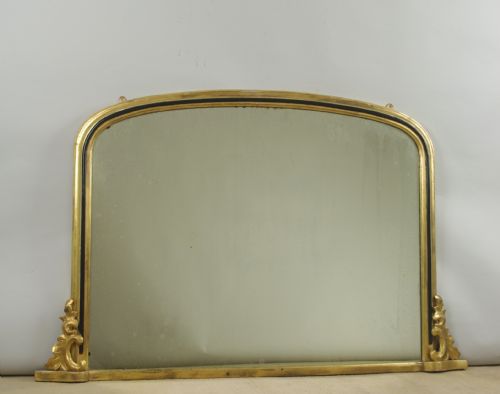
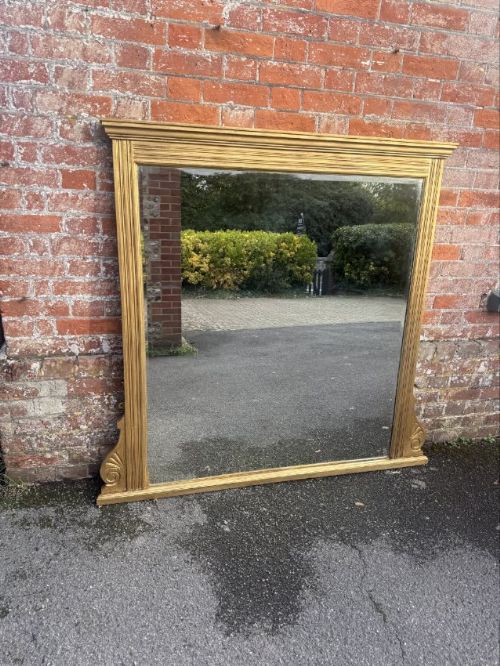
A large gilt chimney glass serves as an architectural overmantel mirror designed to anchor the hearth of a principal reception room. These substantial pieces reflect light deep into the interior, traditionally multiplying the glow of candles and gas lamps.
Most examples encountered here belong to the nineteenth century, spanning Victorian, William IV and neoclassical styles. Makers built them to command high mantelpieces in country houses and town residences alike.
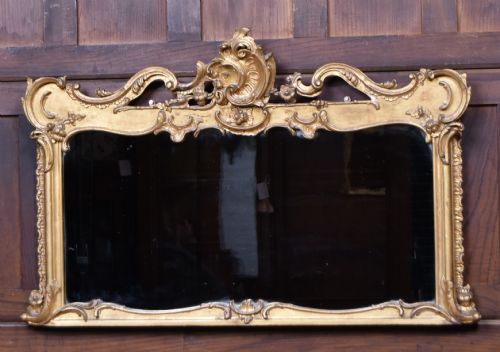
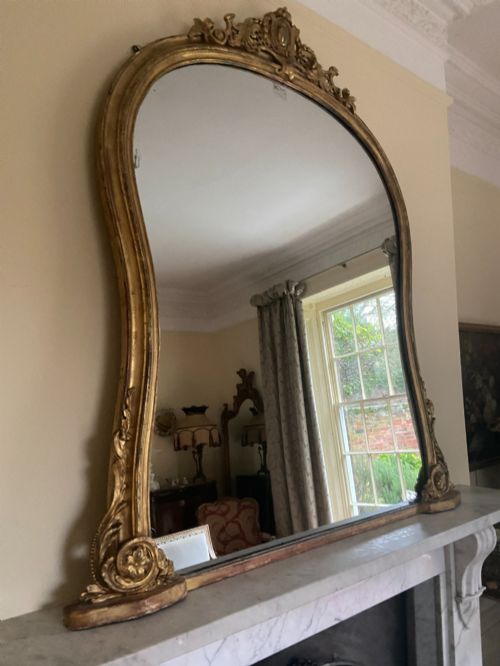
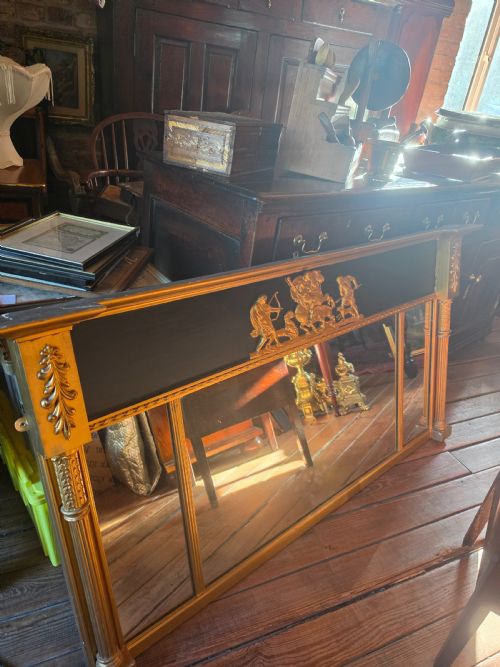
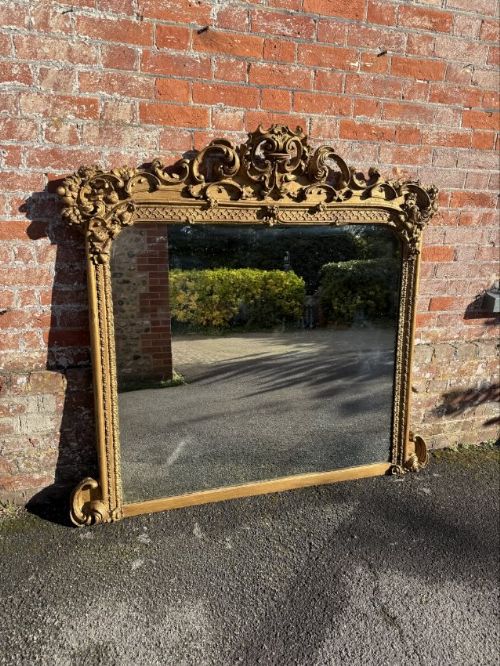
The primary form is the overmantel mirror, often featuring an arched top or shaped cresting. Surviving specimens range from English carved wood and gesso to Irish tryptic compositions incorporating figural details.
Materials and Construction
Artisans constructed the robust carcasses using timber before applying layers of gesso to build up intricate surface reliefs. Carved wood details and composition ornaments were then affixed to the wooden frames prior to gilding.
Gilding was executed using gold leaf laid over bole, creating a brilliant metallic finish that catches natural and artificial light. Mirror glass was set within the rebate, often backed securely to protect the silvering over generations of use.
Large Gilt Chimney Glass Retail Price Guide 2026
Typical asking prices for large gilt chimney glass among the pieces listed under this phrase on Sellingantiques today, from the lower quarter to the upper quarter. They describe what is for sale here now, not the wider market.
Keep an eye out for whimsical wooden fauna perched upon the frame, as some nineteenth-century Irish mirrors feature unexpected squirrels and birds.
Distinctions in Quality
Quality rests upon the crispness of the carved wood and gesso ornamentation rather than mere scale. Deeply undercut carving and finely modelled neoclassical motifs indicate a workshop of superior capability.
The integrity of the original gold leaf surface dictates desirability. Examples retaining their untouched historic gilding outshine those heavily retouched, while complex structural formats like tryptic arrangements demonstrate higher ambition.
The Large Gilt Chimney Glass Glossary
- Overmantel mirror
- A large looking glass specifically manufactured to hang upon the wall directly above a fireplace mantelpiece. These frames were proportioned to fill the vertical expanse between the mantel shelf and the cornice.
- Gesso
- A dense mixture of plaster of Paris and glue binder applied to wood frames to create a smooth, sculptural surface. Artisans carved and stamped intricate decorative details into this material before applying gold leaf.
- Giltwood
- Timber that has been decorated with a thin coating of gold leaf. It forms the shimmering surface characteristic of formal nineteenth-century interior furnishings.
- Tryptic
- A mirror frame divided into three distinct vertical sections or panels. Irish examples frequently utilise this format alongside elaborate cresting details.
- Composition
- A mouldable mixture of whiting, resin, glue and oil pressed into ornamental shapes. It allowed makers to produce repeating decorative reliefs efficiently.
Large Gilt Chimney Glass: Frequently Asked Questions
Where should a chimney glass be hung?
These mirrors belong above a fireplace mantelpiece where their generous proportions balance the hearth below. Securing them directly to solid wall studs is essential due to their considerable weight.
Positioning them opposite a window maximises the natural daylight reflected into the room, creating an illusion of greater spatial depth.
How do I clean a gilded frame?
Dust the carved gesso and giltwood surfaces gently with a very soft, dry brush to prevent accumulation. Avoid all modern chemical polishes and damp cloths, which strip fragile historic gold leaf.
Handle the antique mirror glass with standard non-ammonia glass cleaner applied to a cloth rather than sprayed directly onto the glass.
Are these mirrors original to the nineteenth century?
The inventory comprises pieces dating primarily from the nineteenth century, including Victorian and William IV iterations. Construction methods like hand-applied gesso and traditional gold leaf confirm their age.
Examining the reverse timber and the silvering degradation on the mirror plates helps verify the period of manufacture.
What defines a neoclassical style overmantel?
Neoclassical pieces draw inspiration from classical Greek and Roman architecture, featuring restrained symmetry and balanced proportions. Ornamentation typically includes classical motifs such as urns, husks, and fluting.
This aesthetic contrasts with the more flamboyant elements found in Irish rococo or Victorian revival interpretations.