

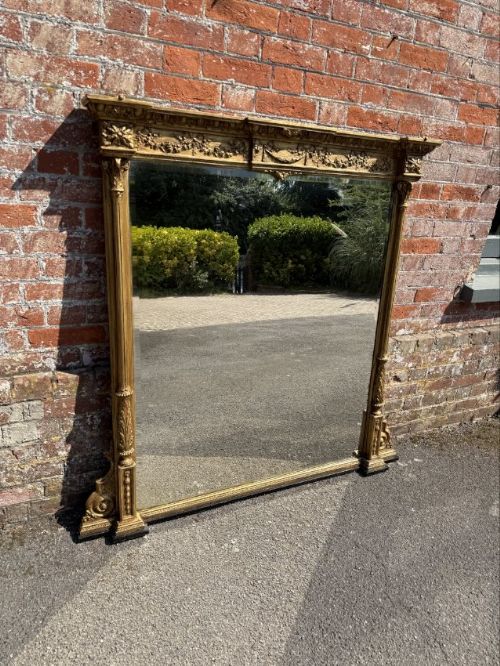
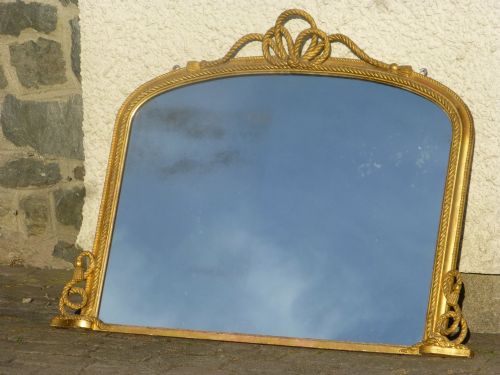
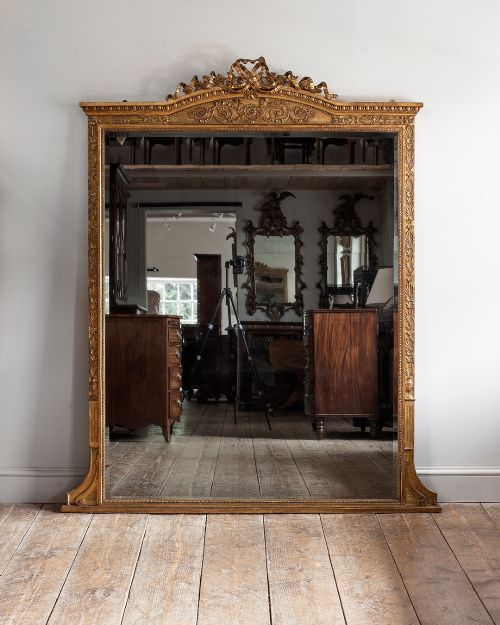
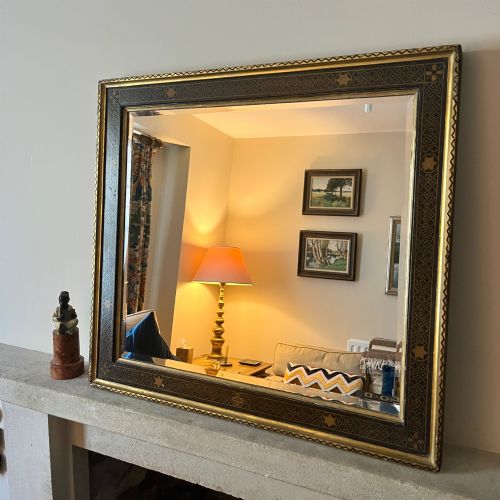

Traditional Gilded Wall Mirror
A traditional gilded wall mirror brings brilliant light and undeniable presence to a room, drawing the eye with its gleaming metallic surface and grand proportions.
Traditional Gilded Wall Mirror
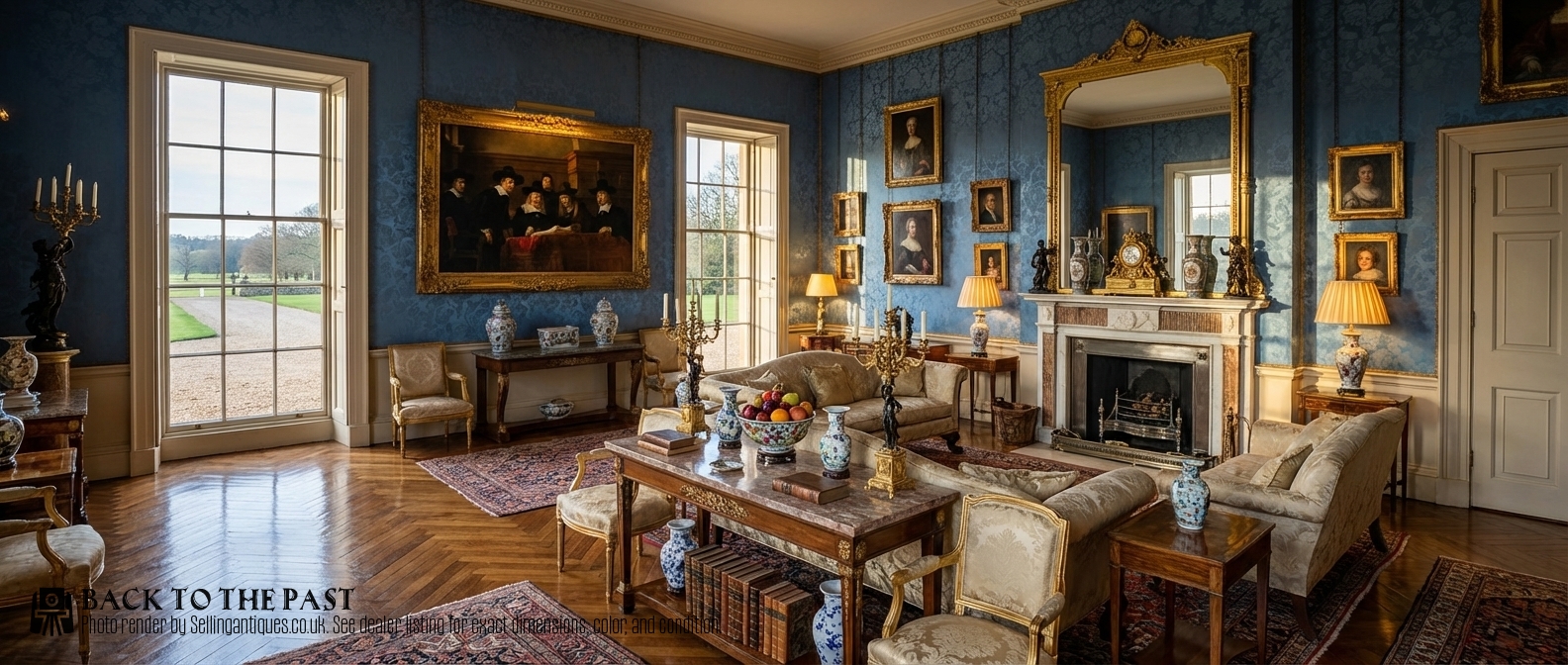
A traditional gilded wall mirror serves as a prominent interior focal point, frequently hung above mantelpieces or console tables to amplify natural light and create an illusion of greater space.
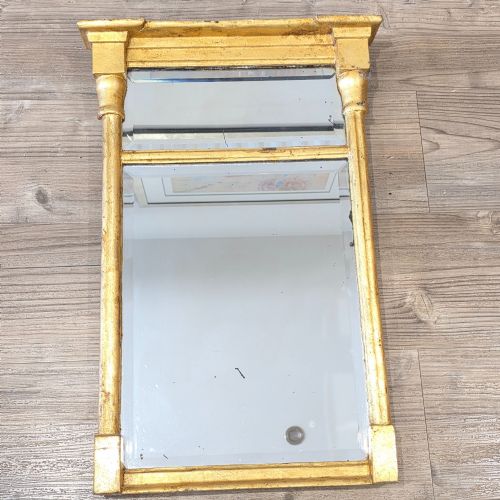
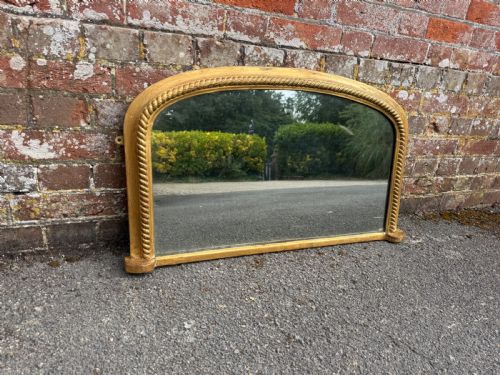
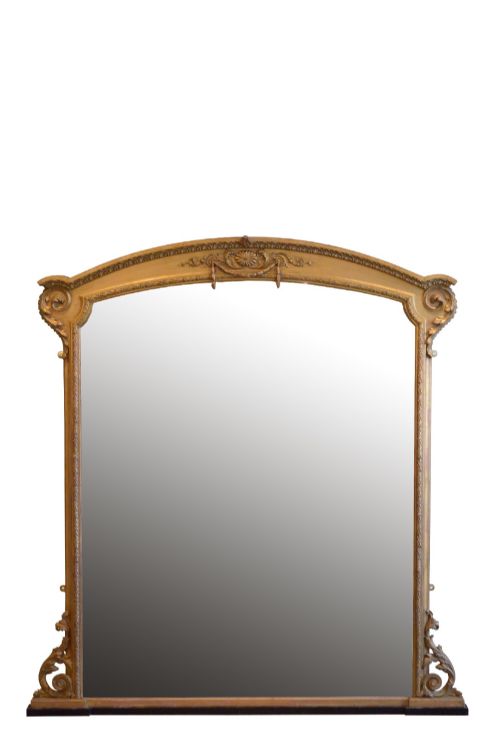
The versions most commonly met on this page span the nineteenth century, including substantial Victorian and Regency examples alongside decorative French styles.
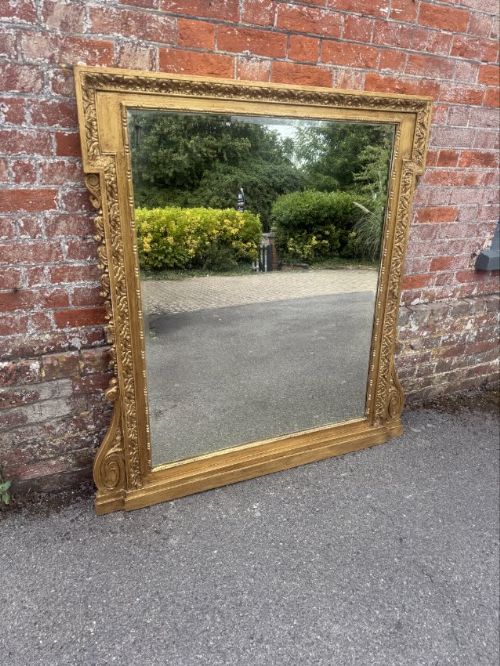
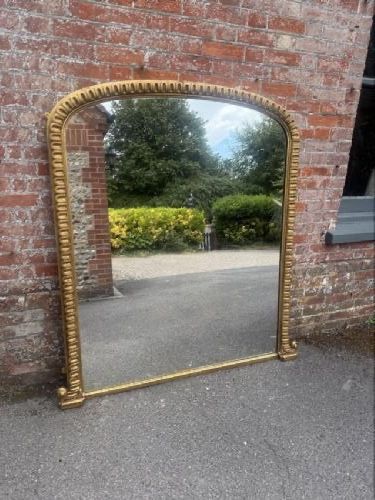
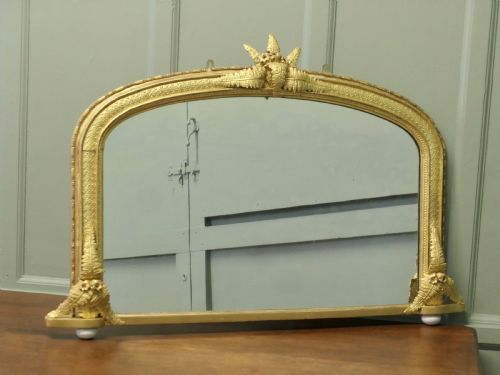
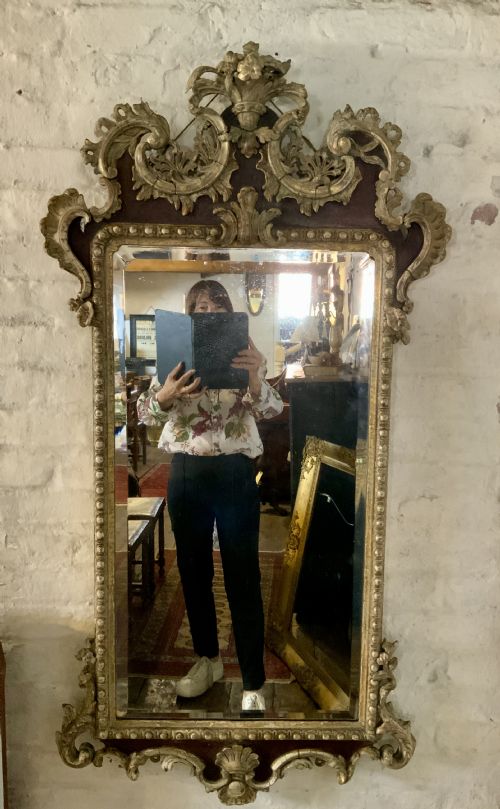
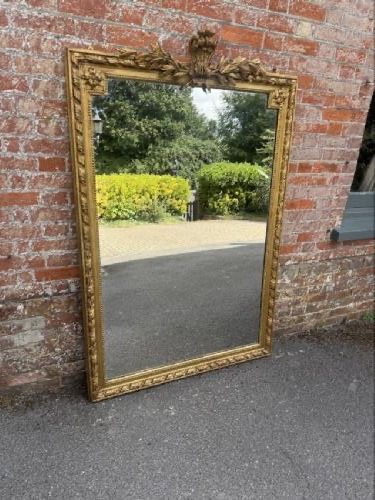
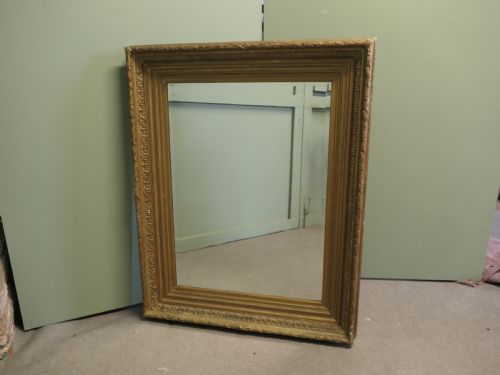
Makers frequently employed forms such as large arched overmantels, pier mirrors, and rectangular frames ornamented with carved wood and gesso.
How they were made
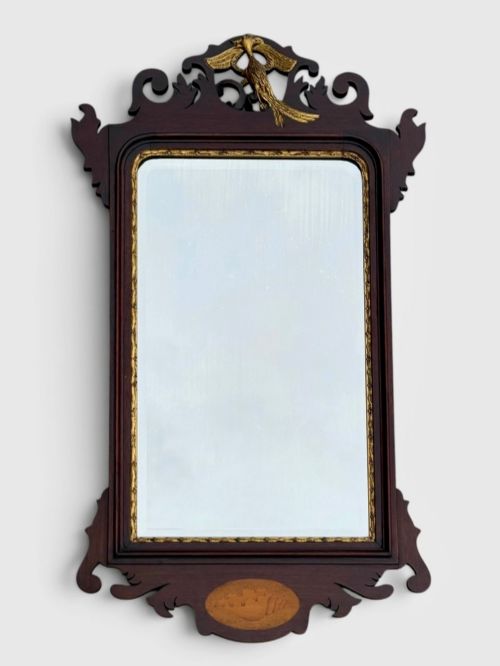
Craftsmen shaped the foundational carcase from timbers such as mahogany, walnut, or pine, building up intricate relief details with layered gesso.
Artisans then applied thin sheets of gold leaf or gilt directly onto the prepared surface, sealing the wood to create a luminous metallic finish.
Traditional Gilded Wall Mirror Retail Price Guide 2026
Typical asking prices for traditional gilded wall mirror among the pieces listed under this phrase on Sellingantiques today, from the lower quarter to the upper quarter. They describe what is for sale here now, not the wider market.
What varies in quality
The depth and crispness of the hand-carved wooden details separate standard production from finer work, as skilled carvers achieved sharper foliage and cleaner rope twist motifs.
The integrity of the original gilding and the preservation of the early glass plate heavily influence the character and authenticity of the piece.
The Traditional Gilded Wall Mirror Glossary
- Gesso
- A plaster-like mixture applied to wooden frames as a smooth base before gilding. This material allows artisans to carve intricate decorative reliefs.
- Overmantel mirror
- A large mirror designed specifically to hang above a fireplace mantel. These pieces often feature arched tops to fit architectural spaces.
- Giltwood
- Timber that has been coated in gold leaf or liquid gold paint. It provides a rich metallic lustre.
- Pier mirror
- A tall, narrow mirror traditionally placed on the wall space between two windows. They reflect light deeper into the room.
- Foxed glass
- Mirror glass that displays age-related spots or discoloration. This chemical change occurs as the silver backing degrades over decades.
Traditional Gilded Wall Mirror: Frequently Asked Questions
Where should I hang a large overmantel mirror?
These large mirrors traditionally sit directly above a fireplace mantel to anchor the room's primary focal point.
They also function effectively on main reception room walls to bounce light from opposing windows across the space.
How do I identify a Victorian gilded mirror?
Victorian examples frequently utilise heavy gesso mouldings over timber carcases with distinct arched tops or detailed rope twist frames.
Examining the construction timbers and the backing boards helps confirm the nineteenth-century production period.
How do I care for antique glass?
Clean the glass surface gently using a soft dry cloth or a minimal amount of non-ammonia cleaner applied to the cloth rather than the mirror.
Avoid letting moisture seep behind the frame edges to protect the original silvering and backing.