



Antique Gilt Mantle Mirror
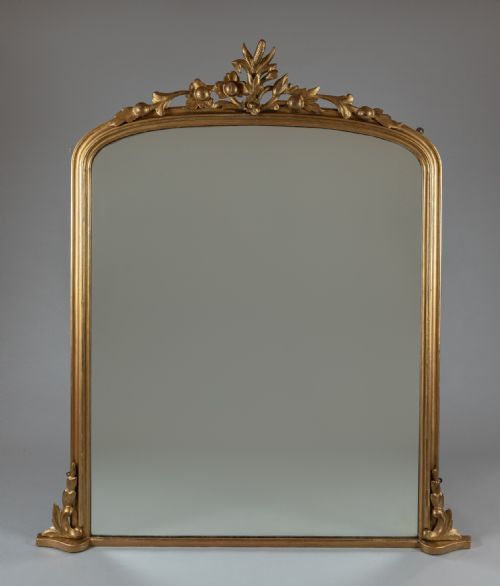
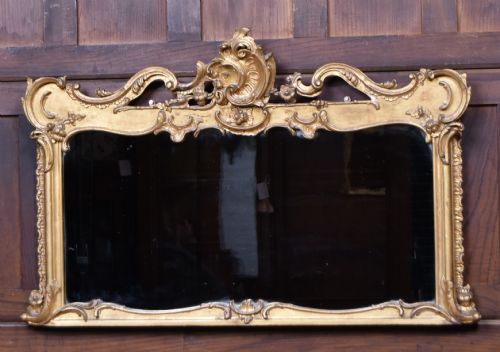
An antique gilt mantle mirror brings reflected light and architectural presence to a room, spanning 18th-century walnut frames to 19th-century English and French overmantels.
Antique Gilt Mantle Mirror
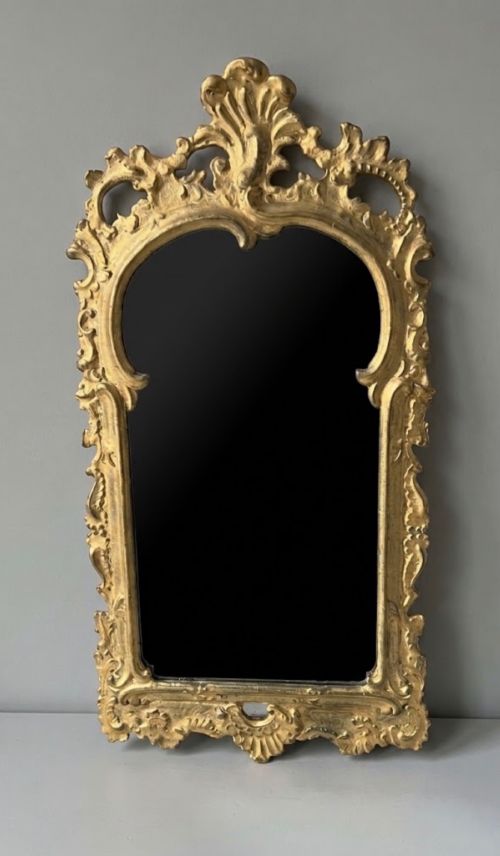
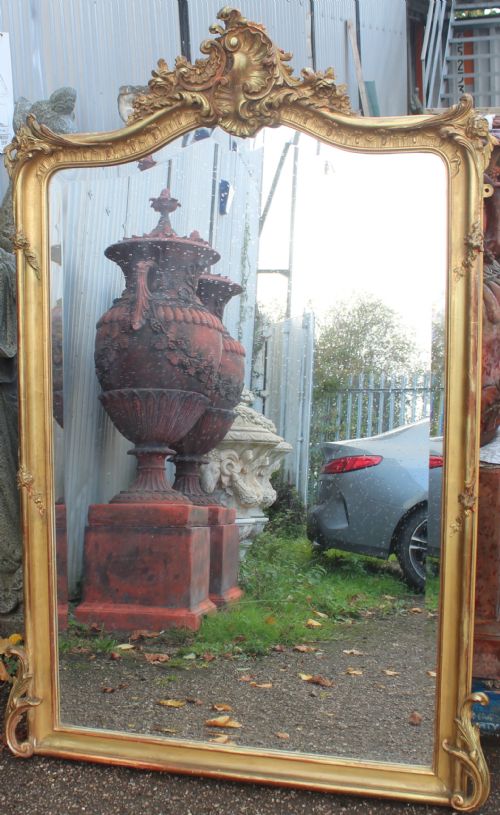
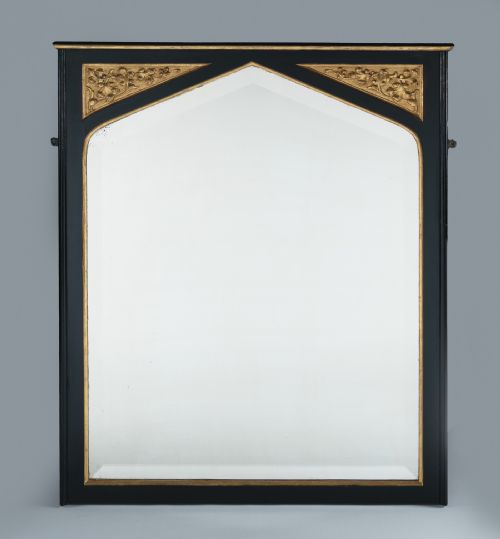
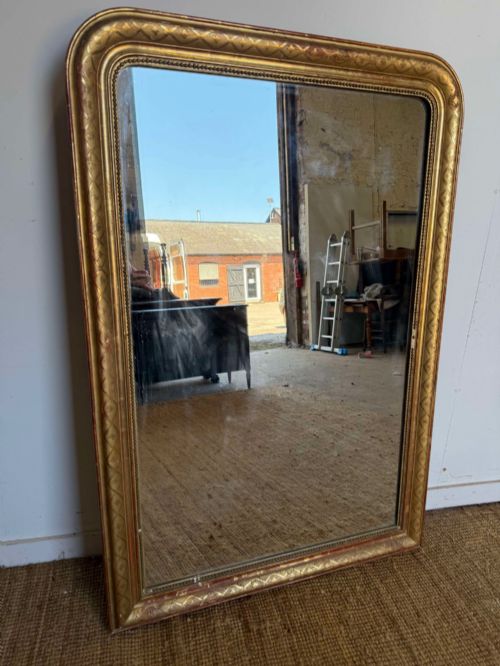
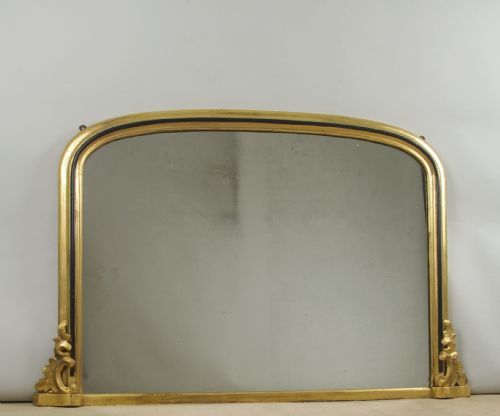
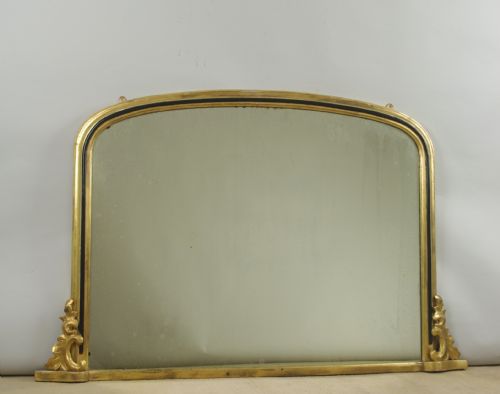
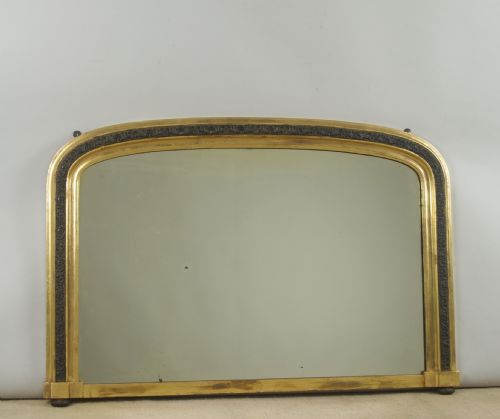
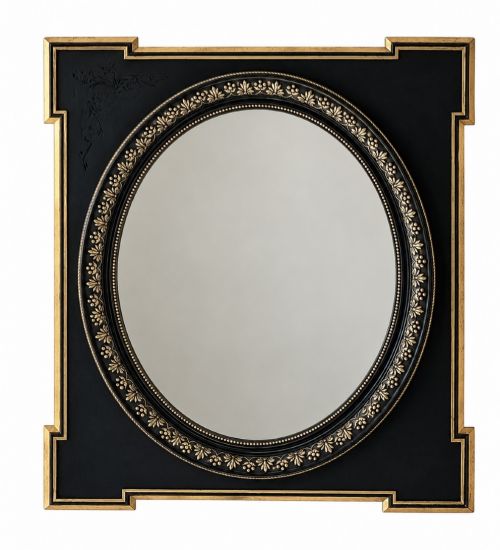
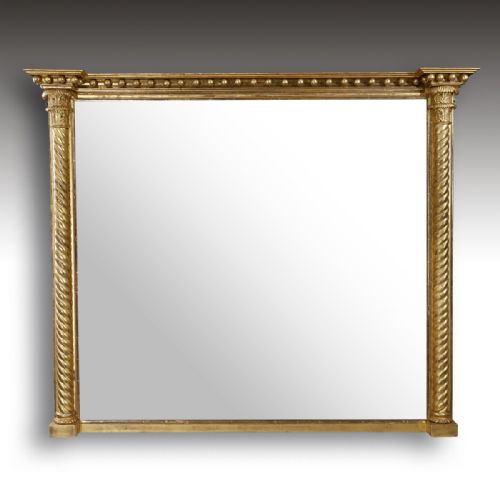
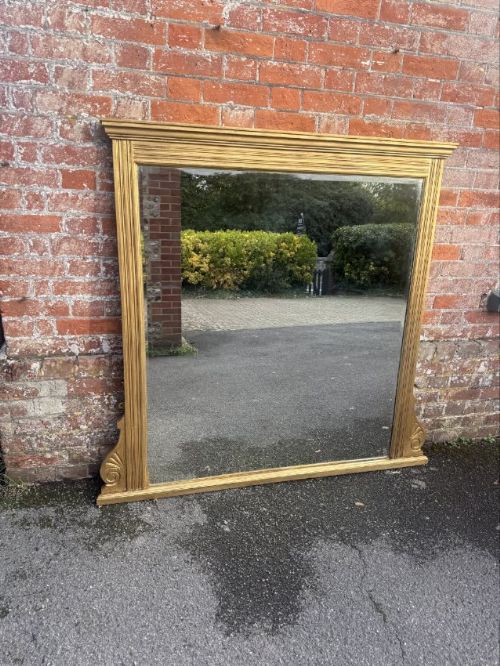
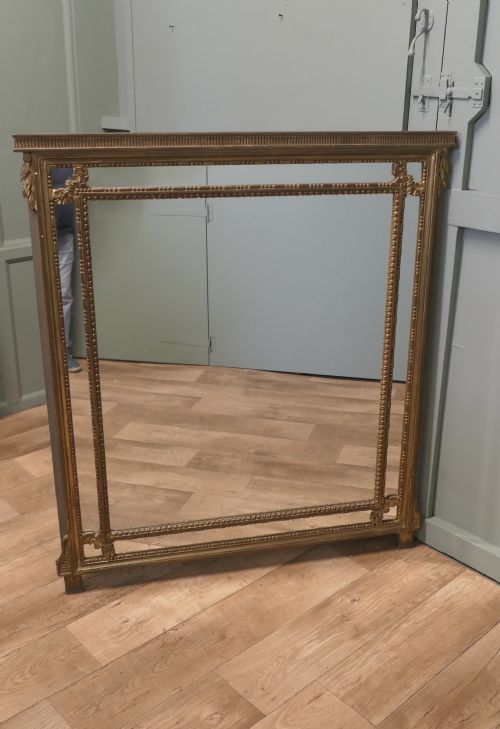
The antique gilt mantle mirror category encompasses large horizontal overmantels designed to sit above a fireplace alongside vertical wall and pier glass variants. Most pieces encountered on this page date from the 19th century, drawing upon Georgian, Regency, and French Rococo Revival idioms.
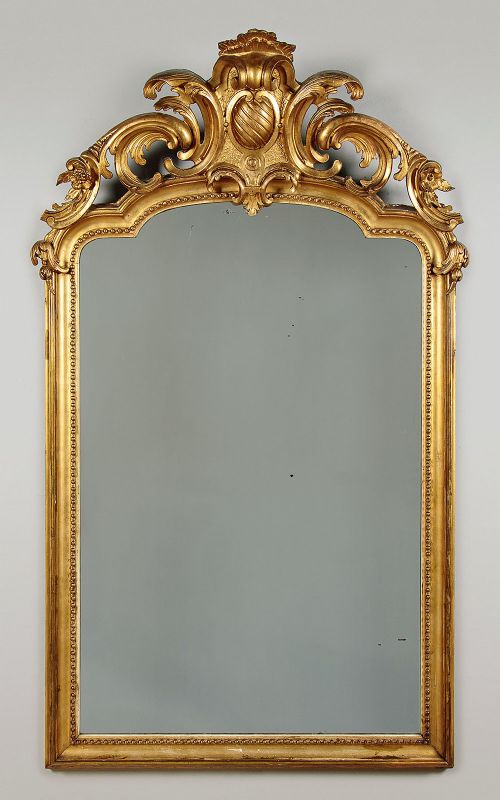
Makers constructed these frames in various formats, including triple-plate configurations, arched tops, and shaped crests, utilising timber substrates finished with applied ornamentation. English examples from the mid-to-late 19th century frequently pair carved wood and gesso with rope twist or column mouldings.
Earlier 18th-century specimens incorporate walnut and parcel gilt treatments, whereas Victorian and later 19th-century productions lean towards grand proportions intended as statement wall pieces. French pieces from the period introduce Louis Philippe styles and mercury glass plates.
Materials and construction
Carved wooden substrates form the primary structural skeleton for these frames, utilising softwoods or hardwoods such as mahogany and walnut depending on the period. Artisans applied layers of gesso - a mixture of chalk and binder - over the carved wood to build up intricate surface details and relief mouldings.
Gold leaf or metallic gilding was applied over the prepared gesso base, often burnished to achieve variable sheens across rope twists, column frames, and scrolling foliage. Mirror plates were traditionally silvered using mercury or modern chemical processes, occasionally exhibiting foxing or crackle finishes developed over time.
Antique Gilt Mantle Mirror Retail Price Guide 2026
Typical asking prices for gilt mantle mirror among the pieces listed under this phrase on Sellingantiques today, from the lower quarter to the upper quarter. They describe what is for sale here now, not the wider market.
Seafaring motifs occasionally appear, including nautical rope twist frames carved to weather indoor gales.
Assessing craftsmanship
The depth and crispness of the carved wood and gesso ornamentation dictate the calibre of an antique gilt mantle mirror, where sharp, hand-modelled relief distinguishes superior work from softer moulded substitutes. The integrity of the original gilding layer, whether genuine gold leaf or secondary paint applications, significantly influences the piece's integrity.
Structural joinery at the frame corners and the retention of original mirror plates - such as early mercury glass or bevelled mirror sections - separate high-grade survivals from later alterations. Heavier, well-proportioned overmantels demonstrate substantial framing timber capable of supporting expansive reflective glass without distortion.
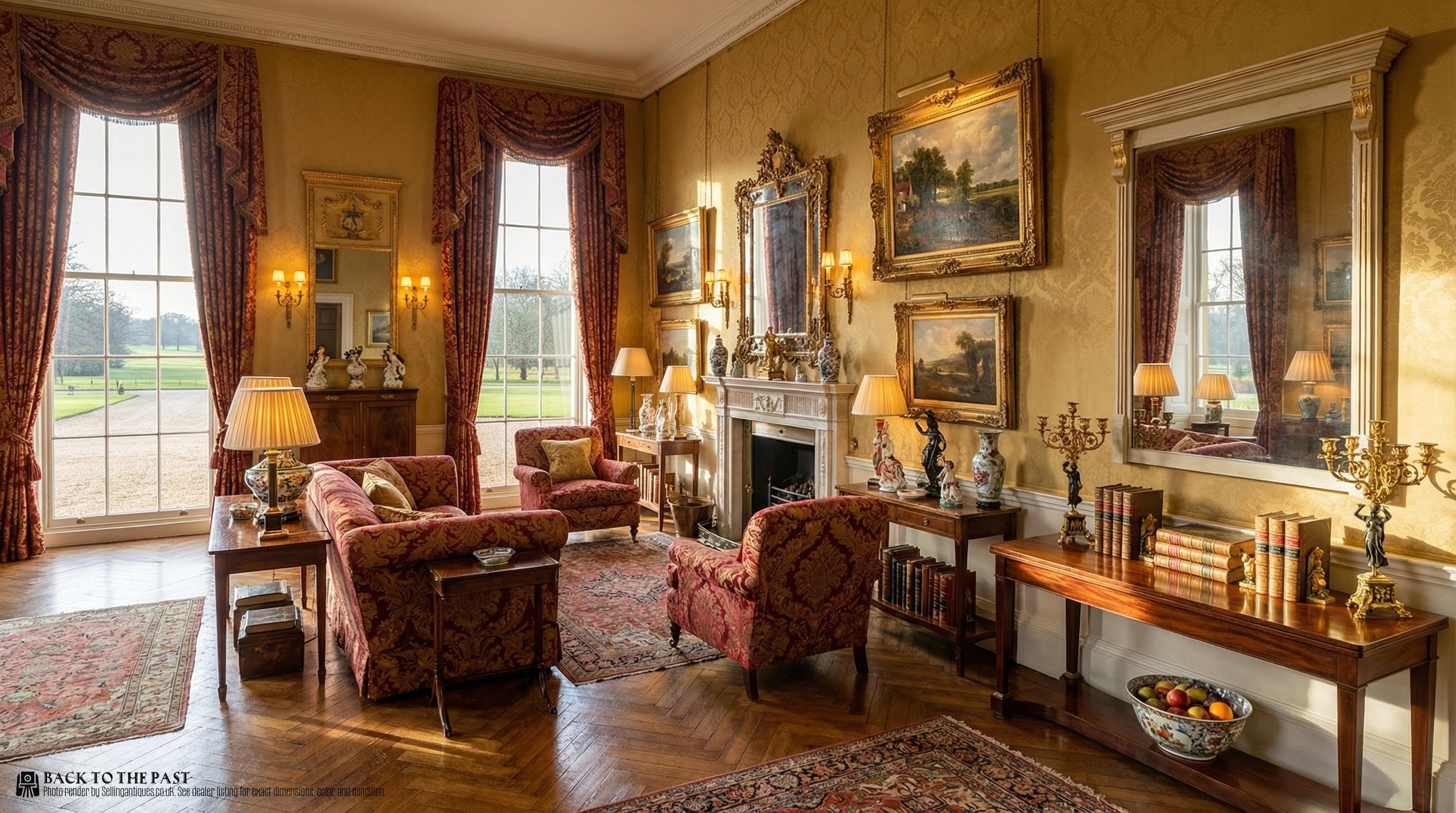
The Antique Gilt Mantle Mirror Glossary
- Gesso
- A plaster-like material applied to wooden frame substrates to provide a smooth, carvable surface for subsequent gilding. This mixture allows artisans to create high-relief decorative motifs.
- Giltwood
- Timber that has been coated with gold leaf or metallic powder to simulate solid gold. It forms the primary visual finish for the majority of mantle mirrors.
- Overmantel mirror
- A large horizontal mirror specifically scaled to hang on the wall directly above a fireplace mantle. These pieces dominate period domestic interiors by reflecting light across the room.
- Parcel gilt
- A decorative treatment where only specific carved portions of a wooden frame receive gold leaf, leaving the underlying timber visible elsewhere. This technique highlights particular architectural details.
- Foxing
- Small dark spots or cloudy patches that develop within the silvering of antique mirror glass over decades of oxidation. Collectors view this chemical ageing as a marker of genuine age.
Antique Gilt Mantle Mirror: Frequently Asked Questions
How do I hang a heavy overmantel mirror?
Due to their substantial weight from wood, gesso, and thick glass, antique overmantels require professional wall anchoring into structural studs or masonry. Heavy-duty mirror brackets or concealed battens distribute the load safely.
Placement should account for the height of the fireplace surround, ensuring the frame anchors the spatial composition of the wall without obstructing mantel items.
Were these mirrors made for fireplaces?
Many large horizontal formats were built specifically to occupy the wall space above domestic fireplaces, functioning as visual centerpieces. Their proportions reflect the width of standard hearths of the Georgian and Victorian eras.
Other variants served as pier mirrors placed between windows or as general wall hanging pieces in grand halls and dressing rooms.
How should I clean an antique gilt surface?
Original gilded surfaces require delicate dry dusting with a soft, clean brush to remove accumulated particulate matter without disturbing fragile gesso or gold leaf. Moisture and modern chemical solvents must be avoided entirely.
Glass plates can be cleaned sparingly with a neutral glass cleaner applied to a cloth rather than sprayed directly onto the mirror, preventing liquid seepage behind the frame.
What indicates a 19th-century date?
Nineteenth-century mantle mirrors frequently combine moulded gesso over softwood cores with structural elements like rope twists, arched tops, or column frames. The presence of Victorian or Regency stylistic markers provides reliable chronological anchors.
Construction techniques, backing boards, and the specific composition of the mirror glass further assist in verifying the manufacturing era.