

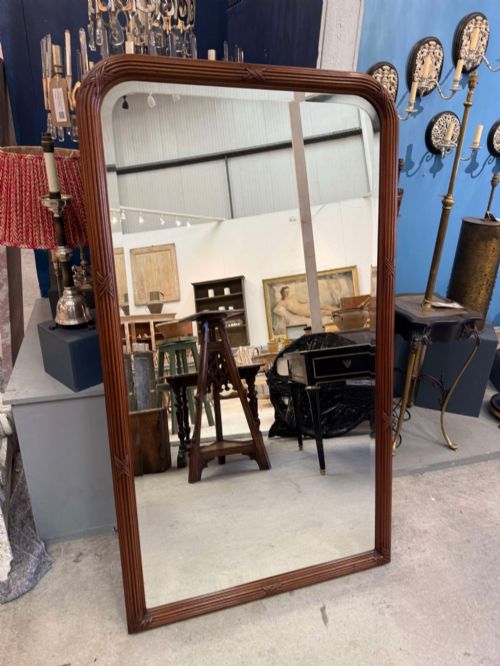
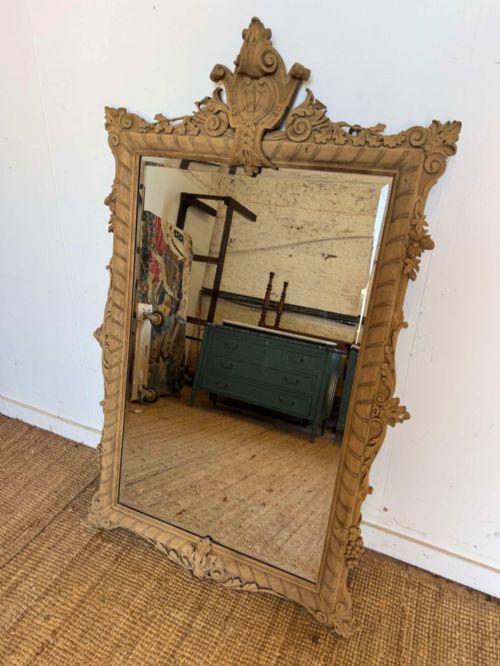
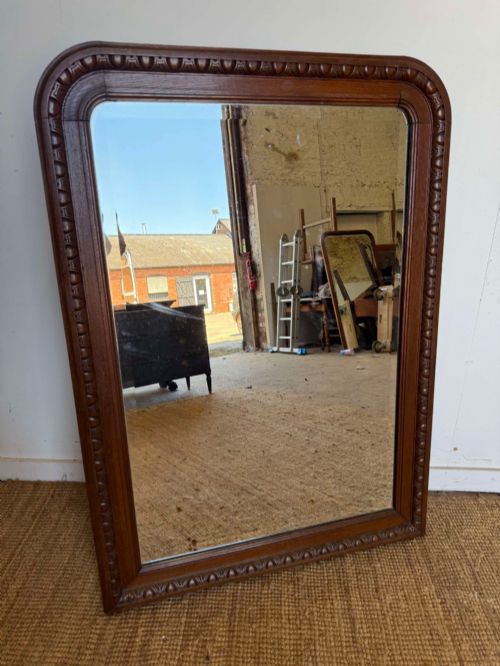
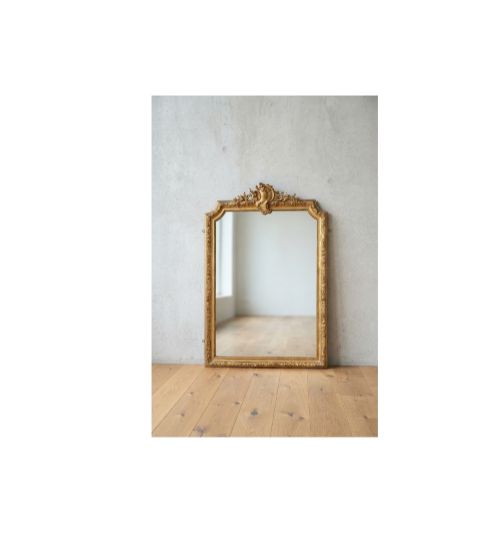


French Provincial Wall Mirror
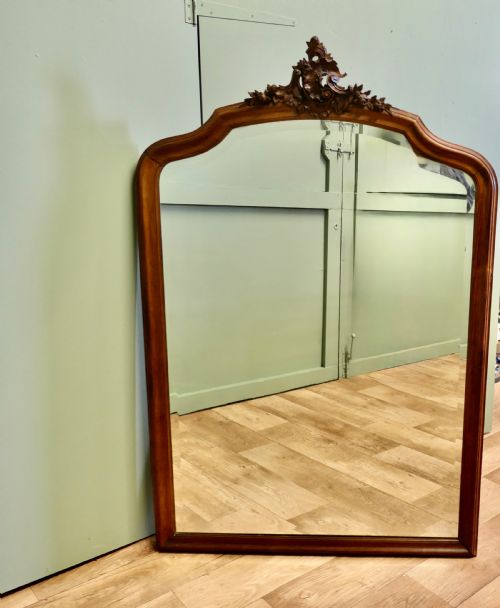
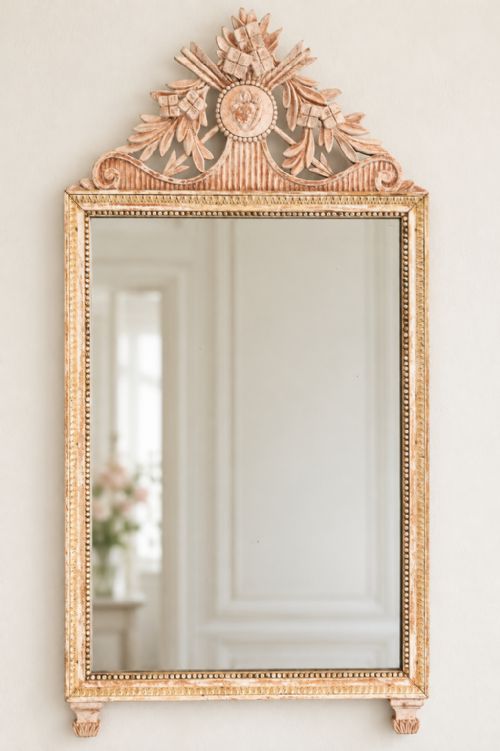
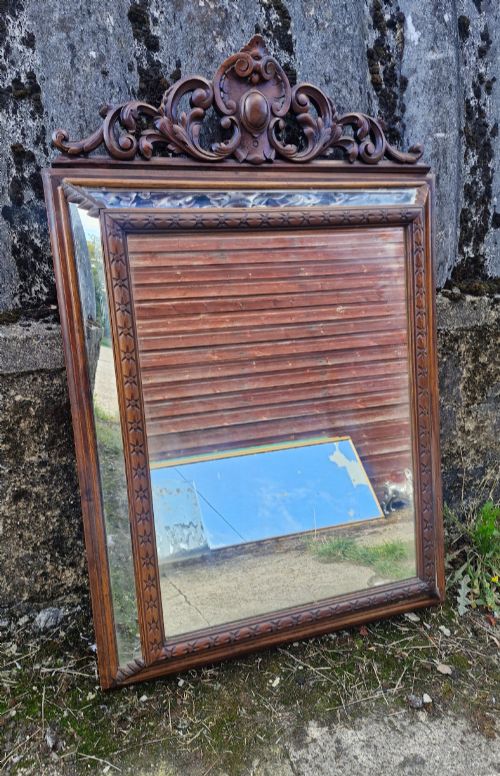
These french provincial wall mirror pieces bring provincial charm to an interior through carved wood, gesso, and painted finishes.
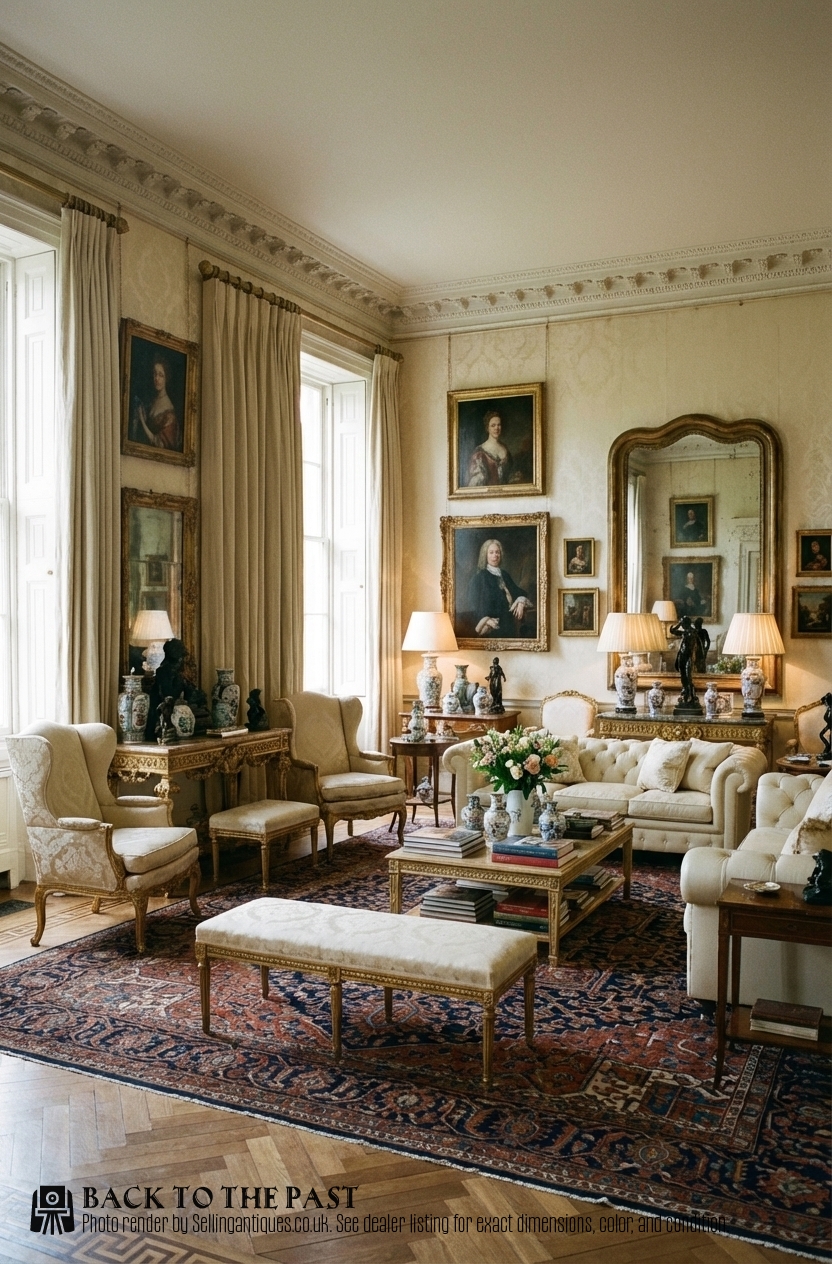
French Provincial Wall Mirror
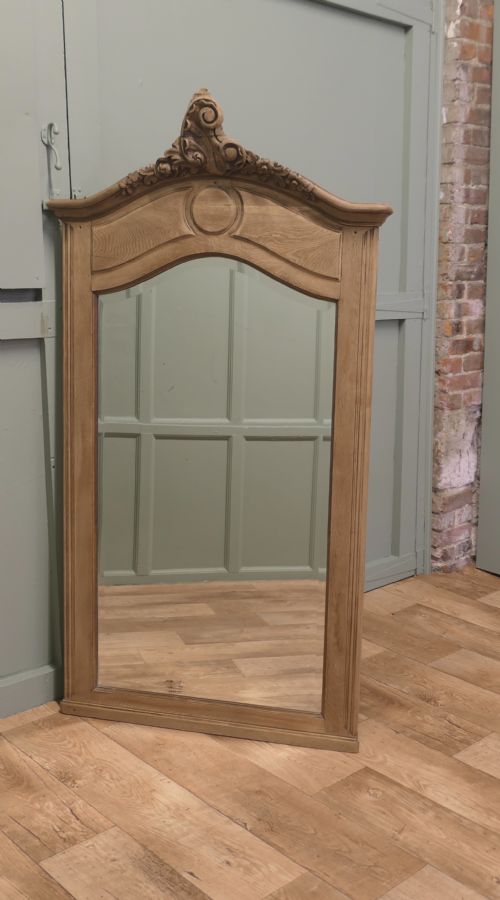
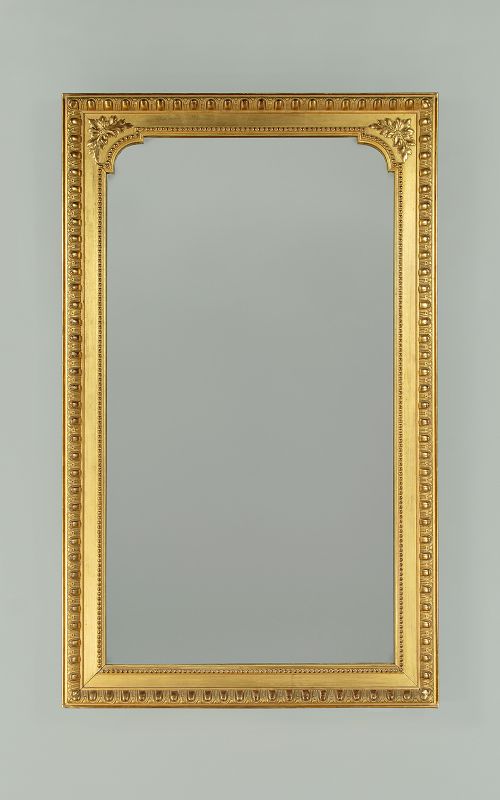
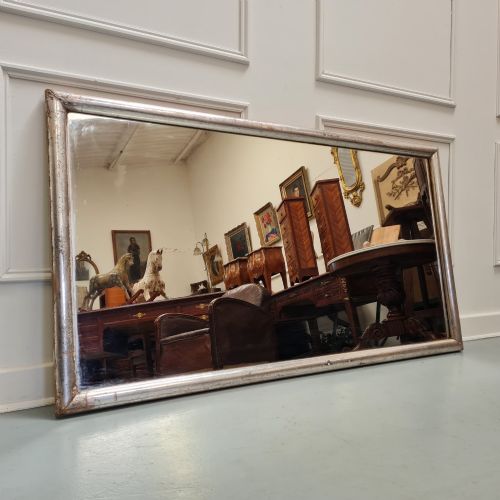
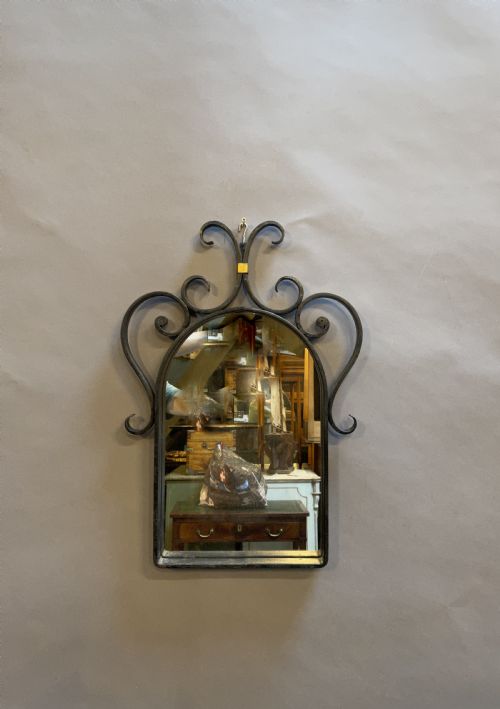
When you search for a french provincial wall mirror, you encounter pieces spanning the nineteenth century alongside examples from the early twentieth century. The selection includes Louis Philippe forms, overmantel mirrors, trumeau panels, and simple rectangular or oval wall hung frames.
Most items date from the nineteenth century, including specific years like 1850, 1860, 1870, 1880, 1890, and 1900, with styles stretching from French Rococo and Louis XV revival to rustic country finishes. You will find painted wood, bleached oak, carved walnut, and giltwood constructions dominating the available selection.
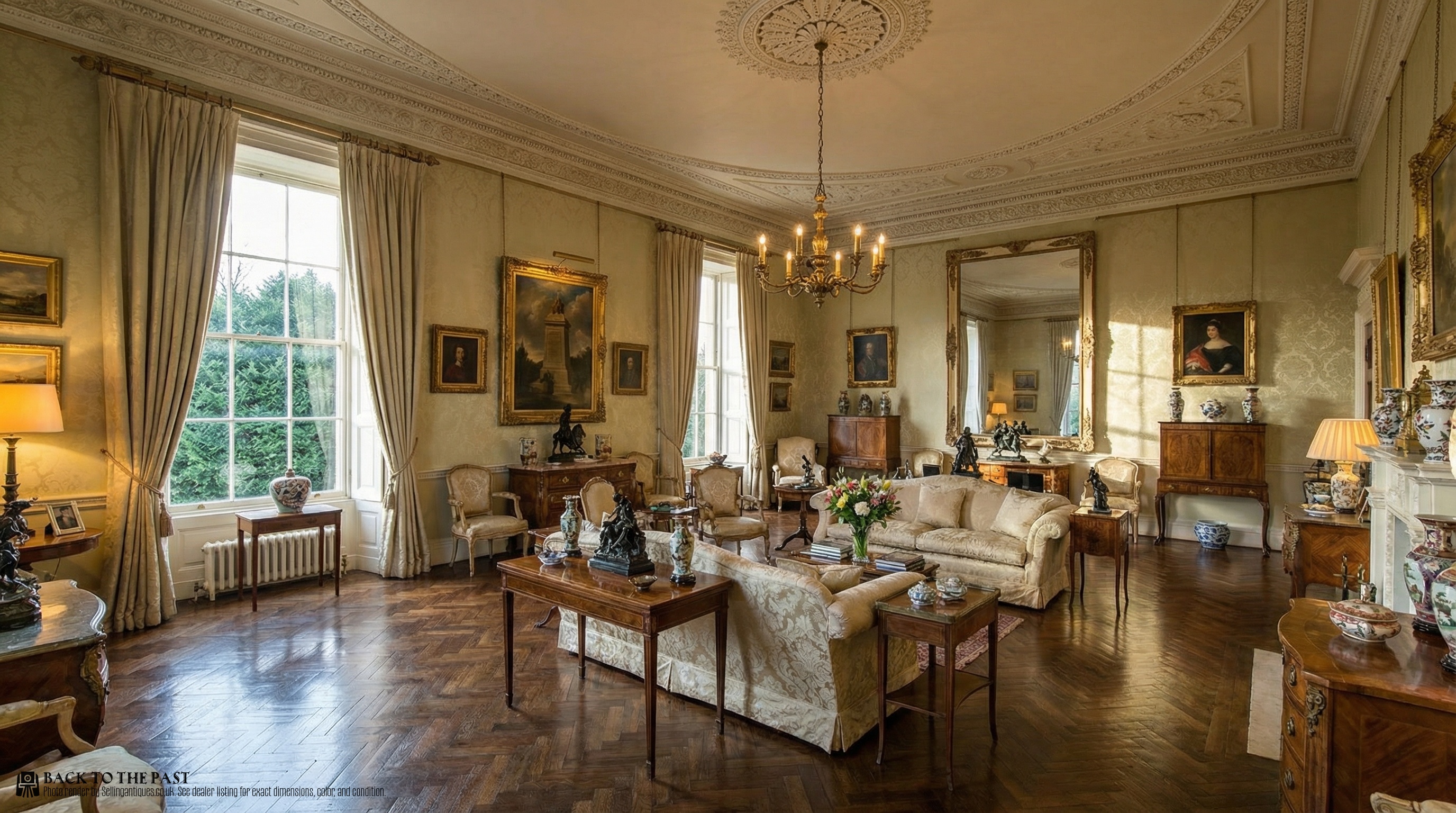
How they were made
Maker construction relies heavily on timber frameworks of oak, walnut, or other woods shaped into scroll, column, and ripple frame profiles. Carved wood and gesso provide the foundation for layered paint or gilt surfaces.
Reflective surfaces include standard mirror glass and mercury glass plates. Frames display hand-carved details, painted treatments, silver gilt, and faux bamboo or faux bois effects.
French Provincial Wall Mirror Retail Price Guide 2026
Typical asking prices for french provincial wall mirror among the pieces listed under this phrase on Sellingantiques today, from the lower quarter to the upper quarter. They describe what is for sale here now, not the wider market.
Listings feature eighteenth century pieces alongside nineteenth century examples dated from 1850 to 1900.
What varies in quality
The distinction between tiers rests on the depth and crispness of the wood carving and the integrity of the original gesso application. Hand-carved walnut or oak frames with intricate architectural mouldings sit above simpler turned or constructed boxes.
Surface preservation defines the upper echelon, where original paint, authentic silver gilt, or undisturbed mercury glass plates remain intact. Later restorations or heavy modern repainting alter the character established during the nineteenth century.
The French Provincial Wall Mirror Glossary
- Trumeau mirror
- A decorative wall mirror incorporating a painted panel or artwork above the glass plate. These pieces often integrated into wood panelled interior walls.
- Louis Philippe
- A mid nineteenth century French style characterised by restrained classical proportions and rounded upper corners. Frames from this period favour clean lines over heavy ornamentation.
- Giltwood
- Timber coated with a thin layer of gold leaf or metallic powder over a preparation of gesso and size. It yields a luminous surface that ages with a characteristic soft patina.
- Mercury glass
- Double walled glass blown with a silvering mixture inserted through a pontil hole and sealed. It produces a mottled, atmospheric reflection distinct from modern mirror plates.
- Faux bamboo
- A decorative finish where wood is turned and carved to imitate natural bamboo stalks. This technique appeared frequently on nineteenth century frames.
French Provincial Wall Mirror: Frequently Asked Questions
What defines a french provincial wall mirror?
These mirrors originate from nineteenth and early twentieth century France, reflecting regional country house and chateau aesthetics rather than formal court styles. They combine practical reflective glass with distressed painted surfaces, carved wood, and traditional gesso work.
Designs range from simple rectangular oak frames to shaped top Louis Philippe models and decorative trumeau panels. Their scale varies from small dressing mirrors to very large overmantel pieces intended for principal rooms.
How do I date a painted mirror?
Dating relies on examining the timber frame construction, the composition of the gesso layers, and the characteristics of the glass plate. Nineteenth century examples often utilise hand-beveled or mercury glass paired with pegged joinery behind the frame.
Styles such as Louis Philippe or specific Victorian and nineteenth century periods guide the chronology. Wear patterns on painted or gilt surfaces also indicate age, though later touch ups occur.
Where should I hang an overmantel mirror?
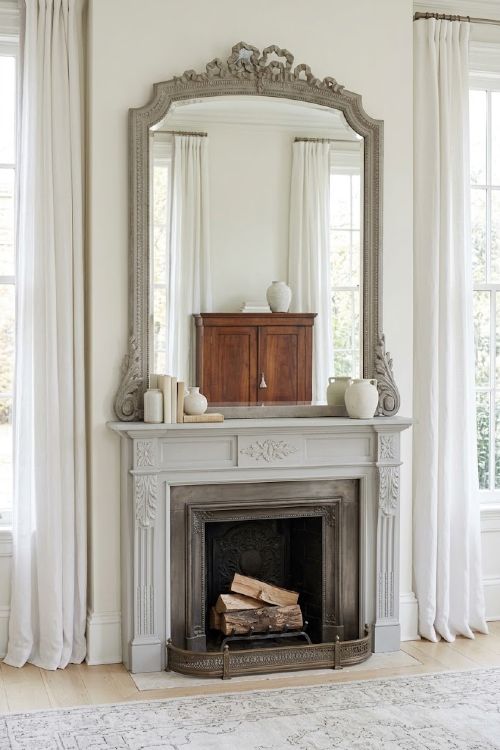
Overmantel mirrors suit placement directly above a fireplace mantelpiece, where their generous width balances the hearth below. Their substantial scale also allows them to anchor a main wall in a dining room or hallway.
Securing these heavy frames requires fixing directly into wall studs or masonry using appropriate hardware. Their reflective surface bounces natural light around the space, making them effective in darker rooms.
What is mercury glass?
Mercury glass is an early type of mirror plate created by pouring a silvering solution between two walls of blown glass. It creates a distinctive, mottled reflection with dark spots and a soft sheen.
While popular in nineteenth century trumeau and wall mirrors, it does not contain actual mercury despite the traditional name. Collectors value original plates for the atmospheric depth they lend to historic interiors.