





Brown Faux Bamboo Mirror
A brown faux bamboo mirror brings distinctive carved and turned frames into a hallway or bedroom, offering an enduring touch of nineteenth-century design.
Brown Faux Bamboo Mirror
A brown faux bamboo mirror sits within the wider category of wall mirrors and hall stands seen on this page. These pieces date from the Victorian era, spanning periods from 1890 through to 1910.
Buyers searching for a brown faux bamboo mirror will most frequently encounter wall mirrors originating from France. French provincial and Aesthetic Movement styles dominate the selections.
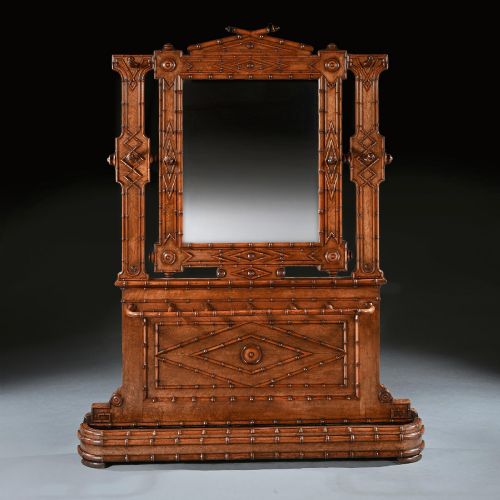
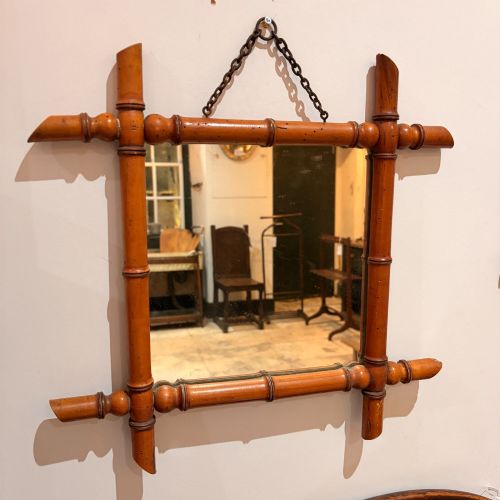
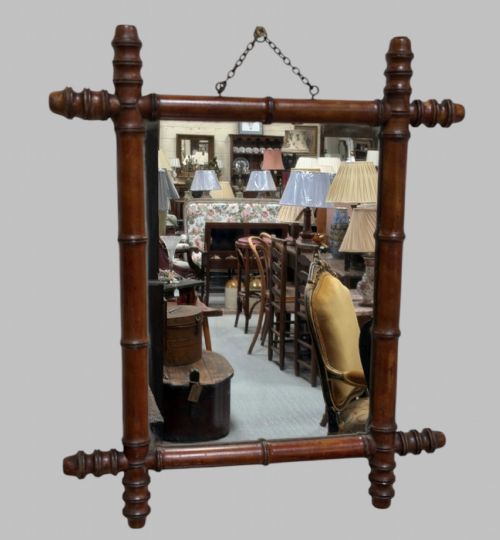
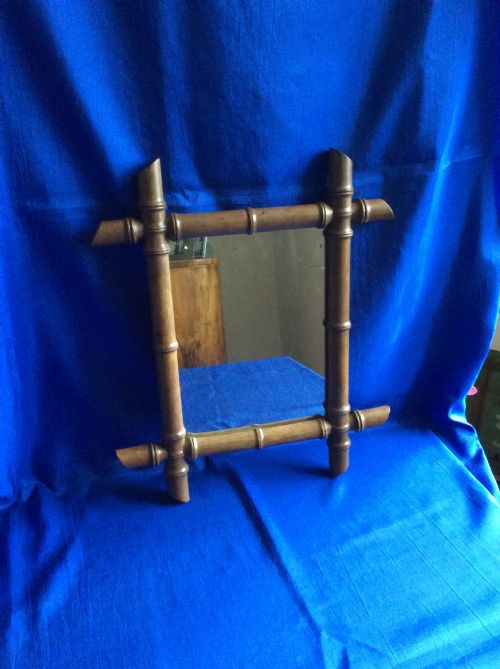
The physical forms include simpler wall mirrors alongside larger hall stands incorporating the same distinct turned framing. Each object relies on carved woodwork designed to imitate natural cane.
How they were made
The construction relies on wood such as beech and birdseye maple, shaped by hand to replicate the segmented joints of bamboo. Artisans carved and turned the timber before finishing the surface in warm brown tones.
Mirror glass is fitted directly into these wooden or carved wood frames, accompanied occasionally by metal elements in heavier pieces. The French workshops favoured detailed joinery to achieve the characteristic simulated cane look.
Brown Faux Bamboo Mirror Retail Price Guide 2026
Typical asking prices for brown faux bamboo mirror among the pieces listed under this phrase on Sellingantiques today, from the lower quarter to the upper quarter. They describe what is for sale here now, not the wider market.
Listings span the Victorian era, 1890, 1900, 1910, and the nineteenth century, utilising beech, birdseye maple, and carved wood.
What varies in quality
Quality rests upon the crispness of the turned woodwork and the depth of the carved joints that form the faux bamboo appearance. Better examples show meticulous detail in imitating natural cane rings.
The choice of underlying timber shifts the character of the piece, with figured woods like birdseye maple elevating the visual weight. Superior items maintain robust joinery across both wall mirrors and larger hallstands.
The Brown Faux Bamboo Mirror Glossary
- Faux bamboo
- A decorative technique where wood is turned and carved to resemble natural cane. This style gained immense popularity during the nineteenth century.
- Aesthetic Movement
- A late nineteenth-century design current that emphasised visual beauty over narrative subject matter. Pieces from this period often embrace exotic or naturalistic motifs.
- Birdseye maple
- A figured timber showing small, circular eye patterns caused by local distortions in the wood grain. It appears frequently in finer French furniture.
- Hall stand
- A piece of hallway furniture combining a mirror, coat hooks and umbrella stands. Several examples incorporate faux bamboo framing.
Brown Faux Bamboo Mirror: Frequently Asked Questions
Where should I hang a brown faux bamboo mirror?
These mirrors suit narrow hallways, bedrooms or living spaces where the textured frame adds warmth and visual interest to a plain wall.
Matching the scale of the frame to the surrounding furniture ensures the piece anchors the room effectively.
How do I date a faux bamboo mirror?
Dating relies on examining the construction methods of the wood frame, the backing materials, and the characteristics of the mirror glass itself.
Pieces on this page largely date from the late nineteenth and early twentieth centuries, reflecting Victorian and Edwardian manufacturing traits.
Are these mirrors French or English?
The majority of the pieces recorded here originate from France, showcasing distinct French provincial and Aesthetic Movement stylistic details.
French makers frequently utilised beech and birdseye maple for these simulated cane frames.
What is the difference between a wall mirror and a hall stand?
A wall mirror is designed solely for hanging on a vertical surface to reflect light and space within a room.
A hall stand is a larger multifunctional item that combines the mirror with storage for coats and walking sticks.