


Vintage Faux Bamboo Mirror
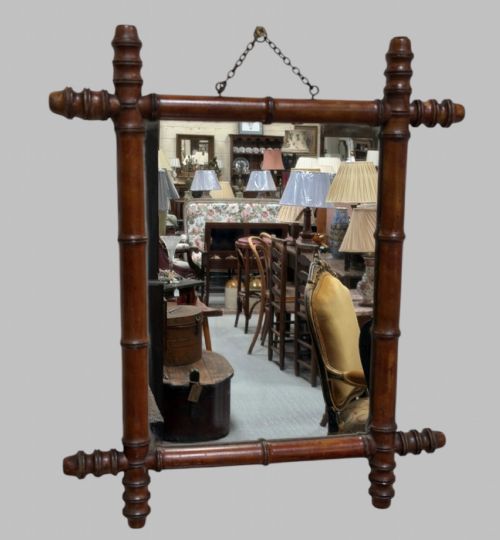
A vintage faux bamboo mirror brings playful botanical charm and texture to a room, offering the unmistakable warmth of carved wood shaped like natural reeds.
Vintage Faux Bamboo Mirror
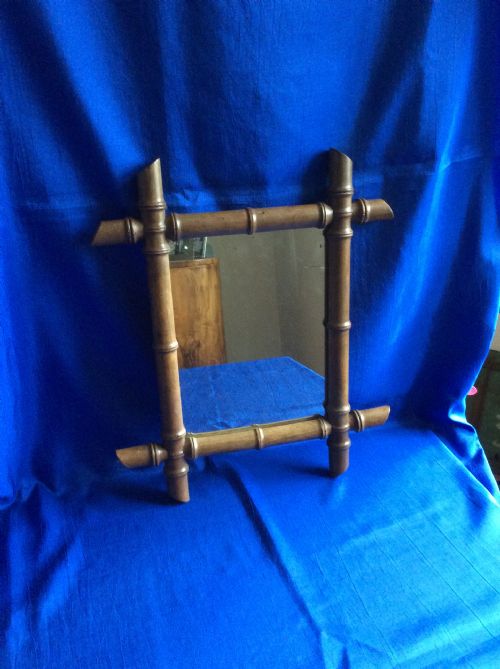
A vintage faux bamboo mirror is a decorative looking glass framed in wood shaped to resemble natural cane or stalks, capturing a distinct aesthetic that spans from the late nineteenth century to the early twentieth century. These pieces emerge in styles ranging from Victorian and French Provincial to Italian Neoclassical and French Art Deco, reflecting broad European popularity over several decades.
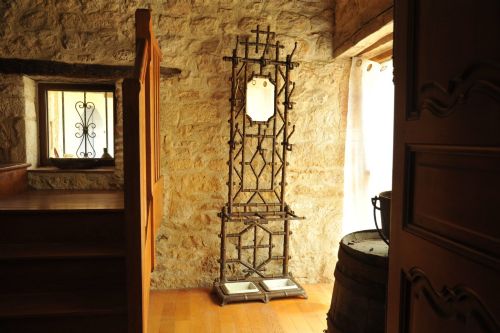
The versions most commonly met on this page are wall mirrors originating from France during the Victorian period and around nineteen hundred, alongside related hall stands and dressing table chests of drawers. They combine practical utility with whimsical naturalism, making them versatile additions to both traditional and eclectic interiors.
How they were made
The frames are formed primarily from carved wood such as beech and pine, shaped laboriously by hand to imitate the segmented joints and nodes of real bamboo stalks. Artisans also utilised metal and cast iron for sturdier items like hat, coat and umbrella stands, ensuring structural resilience alongside decorative appeal.
Surfaces were frequently finished with gilt or left to show the natural grain of the timber, while the reflective glass itself was heavy and bevelled or flat-set into the intricate wooden armature. These construction methods required skilled carpentry to join the simulated cane sections neatly at the corners.
Some makers even cast umbrella stands in iron to look like bamboo, tricking guests into expecting a springy cane before they hang their heavy winter coats.
What varies in quality
The distinction between ordinary and exceptional examples lies principally in the depth and precision of the carving on the wooden nodes and joints. Superior pieces exhibit crisp, realistic detailing that closely mimics botanical growth, whereas lesser items feature flat or hastily turned mouldings lacking individuality.
The choice of primary material also dictates the character of the object, with solid beech and cast iron offering greater substance and durability than simpler pine constructions. Original gilding and well-preserved mirror glass further elevate the standing of a piece within its period.
The Vintage Faux Bamboo Mirror Glossary
- Faux bamboo
- A decorative style where wood, metal or other materials are carved, turned or moulded to imitate natural bamboo cane. This technique became particularly fashionable in European furniture during the nineteenth century.
- Victorian
- Pertaining to the reign of Queen Victoria, spanning from eighteen thirty-seven to nineteen hundred. Pieces from this era often display ornate detailing and eclecticism.
- French Provincial
- A style originating from the provinces of France, known for rustic charm and graceful, unpretentious lines. It combines elegance with domestic utility.
- Gilt
- A thin layer of gold leaf or gold paint applied to the surface of wood or metal. This finish adds luminosity and highlights intricate carved details.
- Art Deco
- A design movement peaking in the nineteen twenties and thirties, characterised by sleek geometric shapes and stylised motifs. It represented a modern departure from historical revivals.
Vintage Faux Bamboo Mirror: Frequently Asked Questions
How do I hang a heavy faux bamboo mirror safely?
These mirrors often possess substantial wooden or cast iron frames that require secure wall anchors. Fasten the hanging hardware directly into wall studs or utilise heavy-duty plaster fixings to bear the weight.
Ensure the wire or brackets on the back match the load capacity of your chosen wall fixings to prevent any shifting over time.
Are these mirrors genuinely antique?
The pieces available originate from the nineteenth and early twentieth centuries, encompassing Victorian and Art Deco eras. Their age is evident in the construction techniques and material wear.
Examine the backboards and the character of the mirror glass to understand the historical context of each specific item.
How should I clean the wooden frame?
Dust the intricate carved nodes and joints gently with a soft, dry brush to prevent dirt buildup in the crevices. Avoid harsh chemical cleaners that might strip the original finish or vintage gilding.
A slightly damp cloth can be used very sparingly on stubborn areas, followed immediately by drying with a soft cloth.
Can I place one in a bathroom?
High humidity and moisture can damage antique wood and compromise the silvering on vintage mirror glass. It is generally wiser to place them in dry living areas, hallways or bedrooms.
If placed near moisture, ensure the room has adequate ventilation to protect the wooden frame from warping.