


French Bamboo Mirror
A french bamboo mirror brings organic charm and nineteenth-century craftsmanship to an interior, making it a sought-after decorative accent.
French Bamboo Mirror
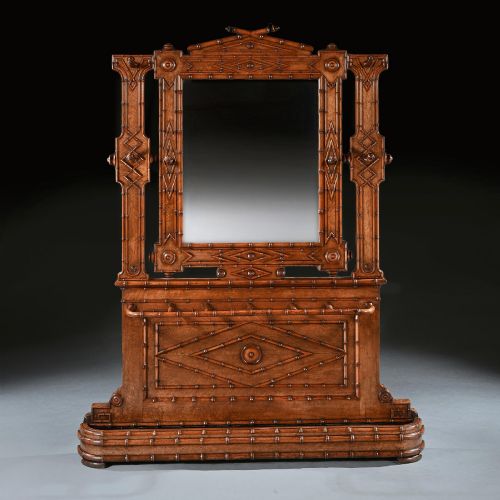
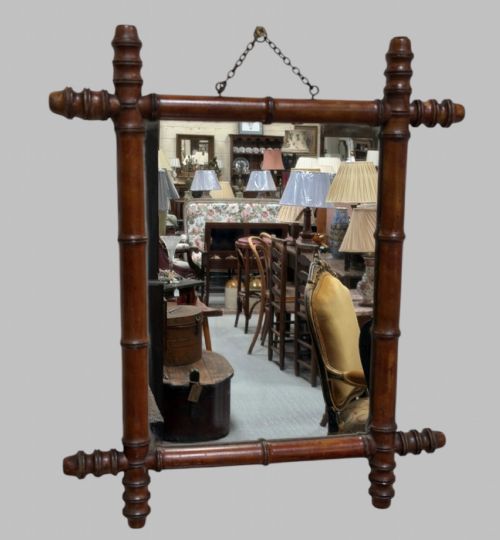
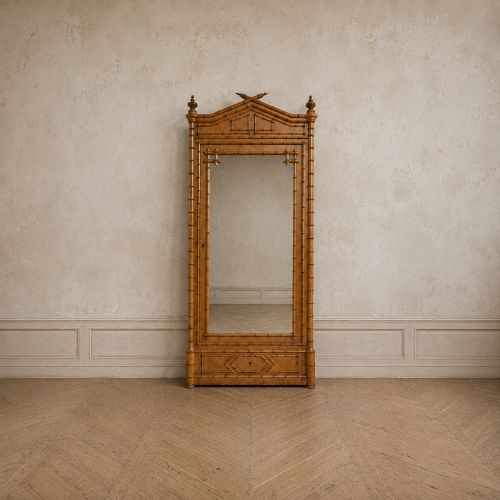
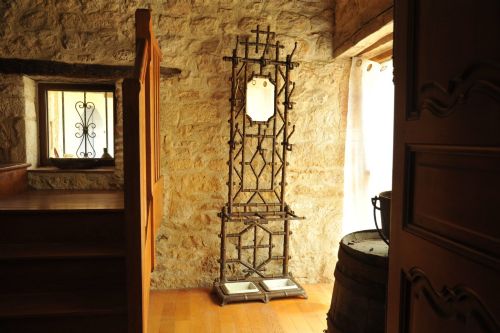
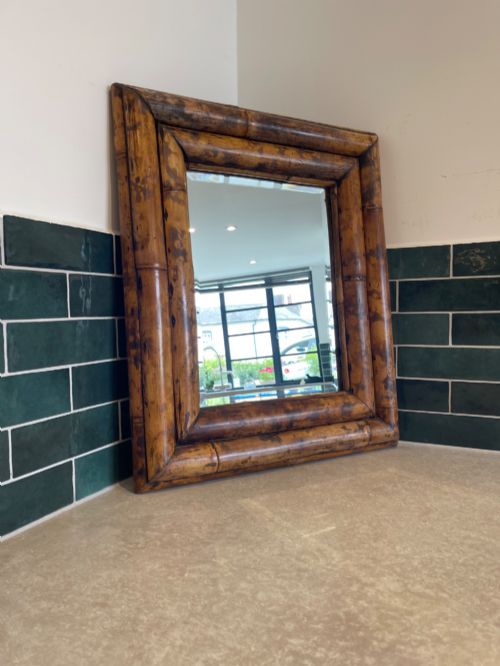
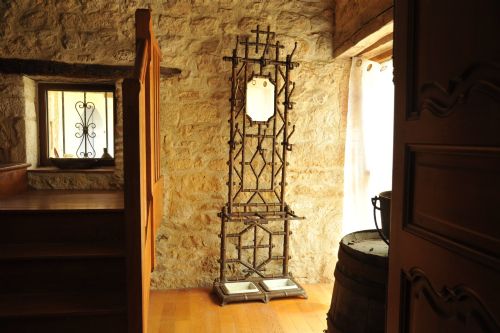
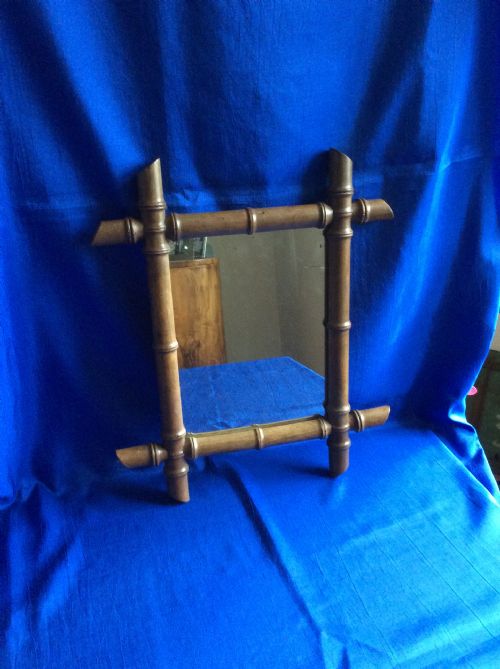
When you search for a french bamboo mirror, you find wall-hanging plates, cheval glasses, and integrated hall stands produced across the nineteenth and early twentieth centuries. The selection on this page leans heavily toward wall mirrors framed in simulated or actual cane forms, alongside larger pieces featuring mirrored doors.
These items originate from periods such as the Victorian era, the Edwardian years, and the wider nineteenth century, often reflecting French aesthetic movements. Makers embraced exotic influences, producing functional household items that doubled as decorative focal points for halls, bedrooms, and drawing rooms.
Forms vary from compact wall plates to large cheval mirrors and substantial armoires incorporating mirrored glass. Buyers encounter both natural timber construction and simulated finishes designed to mimic the segmented profile of tropical grass.
How they were made
Craftsmen utilised woods such as beech, pine, cherrywood, and birdseye maple, turning and carving the timber to replicate the characteristic nodes and joints of natural bamboo. Some workshops incorporated actual wood and cast iron structures to achieve the desired rigidity and decorative profile.
Surfaces received diverse treatments, including paint in shades of grey, yellow, turquoise, and green, alongside ebonised finishes, gilt lacquer, and silvered gesso. Original mirror glass was set securely within these frames, often retaining the subtle imperfections and foxing associated with nineteenth-century manufacture.
Makers even cast heavy iron into the shape of bamboo for umbrella stands, ensuring umbrellas dripped onto sturdy metal rather than wood.
What varies in quality
The degree of articulation in the turned wood distinguishes standard production from finer work, where the carved nodes and joint details closely mimic real cane. Painted surfaces show variation, with multi-layered lacquers and specialist finishes like gilt detailing indicating a higher tier of design.
The retention of original mirror glass and secondary framing timbers preserves the integrity of the piece. Superior examples maintain structural stability in the joints and original painted or polished patination without intrusive modern intervention.
The French Bamboo Mirror Glossary
- Faux bamboo
- Simulated cane work created by turning wood to resemble the segmented joints of real bamboo. This technique was popular during the nineteenth century for furniture and mirror frames.
- Cheval mirror
- A full-length plate supported on a vertical frame with pivots that allow the glass to tilt. These freestanding pieces often incorporated storage or decorative stands.
- Gesso
- A plaster-based material applied to wood surfaces and carved or moulded before gilding or painting. It provides a smooth base for detailed decorative framing.
- Armoire
- A large wardrobe featuring doors, frequently fitted with mirrored glass panels in nineteenth-century French examples. They served as primary bedroom storage before fitted closets became standard.
French Bamboo Mirror: Frequently Asked Questions
How do I date a french bamboo mirror?
Dating relies on examining the construction methods, backboards, and the type of mirror glass used in the frame. Nineteenth-century examples often feature hand-beveled or older plate glass alongside traditional fixings.
Stylistic cues such as Aesthetic Movement influences or specific paint finishes also help narrow down the decade of manufacture.
Where should I hang a wall mirror?
These mirrors work well above mantelpieces, in hallways, or as dressing table accessories where they reflect light and add depth to a room. Their distinctive frames suit both traditional period interiors and eclectic modern spaces.
Ensure the wall fixings match the weight of the timber and glass assembly.
Are these frames made of real bamboo?
Many examples use turned wood such as beech or pine that has been carved and painted to simulate the appearance of cane. True bamboo was also utilised, but simulated versions offered greater structural durability for heavy glass.
Close inspection of the joints reveals whether the material is carved timber or natural plant stems.
How do I clean the painted finish?
Dust the frame gently with a soft, dry cloth to prevent accumulation without disturbing the historic surface. Avoid liquid cleaners and harsh chemicals that can strip delicate nineteenth-century paint or gilt lacquers.
Glass can be maintained with a standard glass cleaner applied sparingly to a cloth rather than sprayed directly onto the plate.