

Nineteenth Century French Mirror
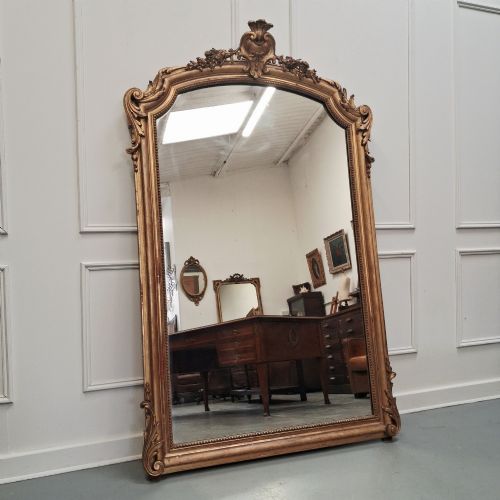
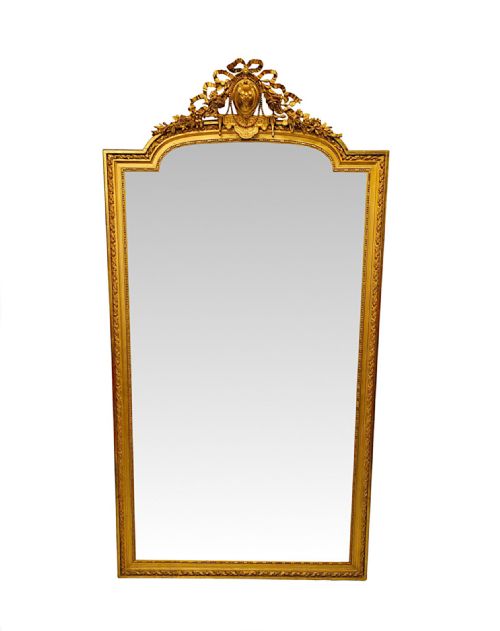
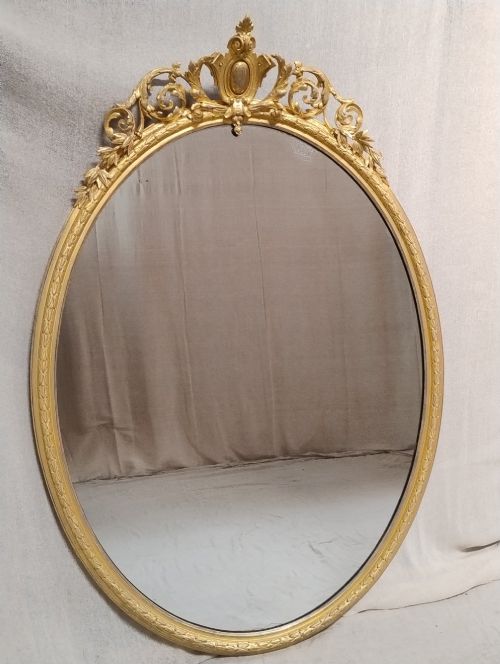
A nineteenth century french mirror brings dramatic scale and reflective light to a room through gilded ornamentation and architectural proportions.
Nineteenth Century French Mirror
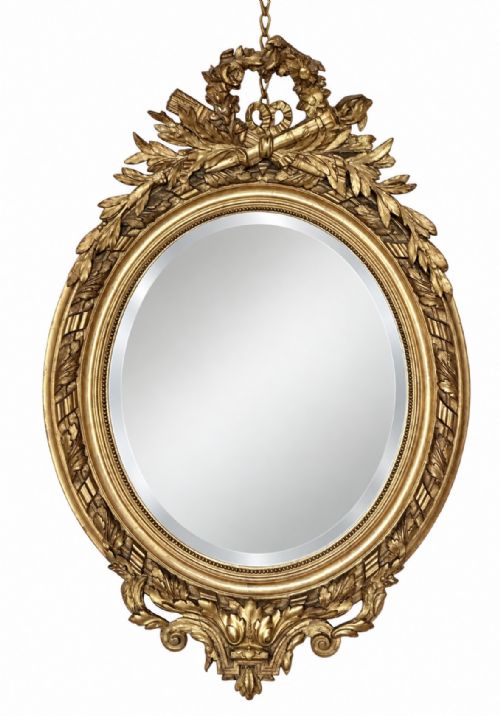
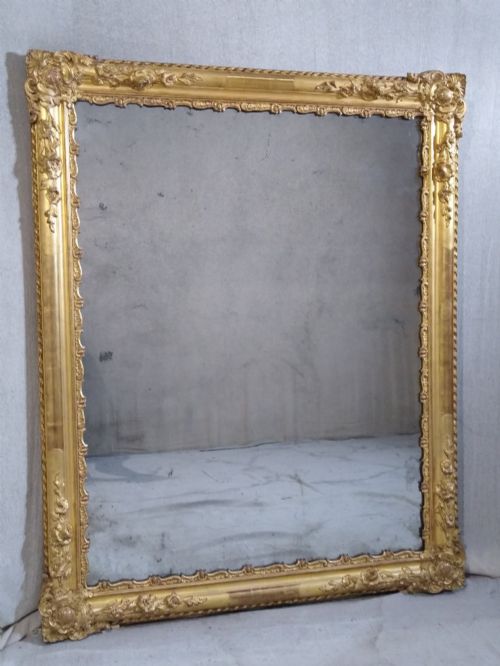
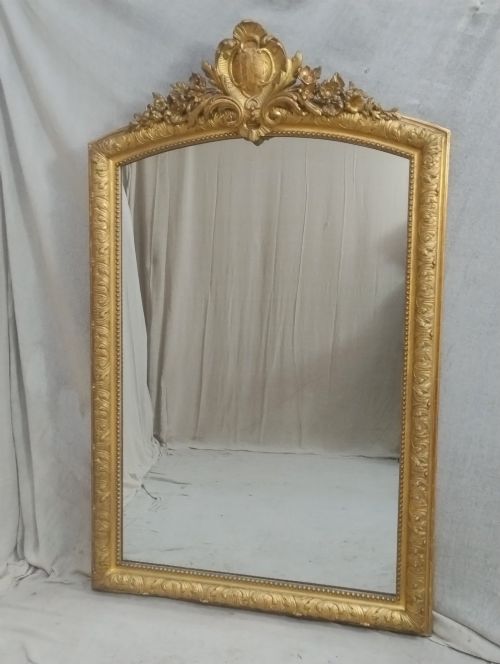
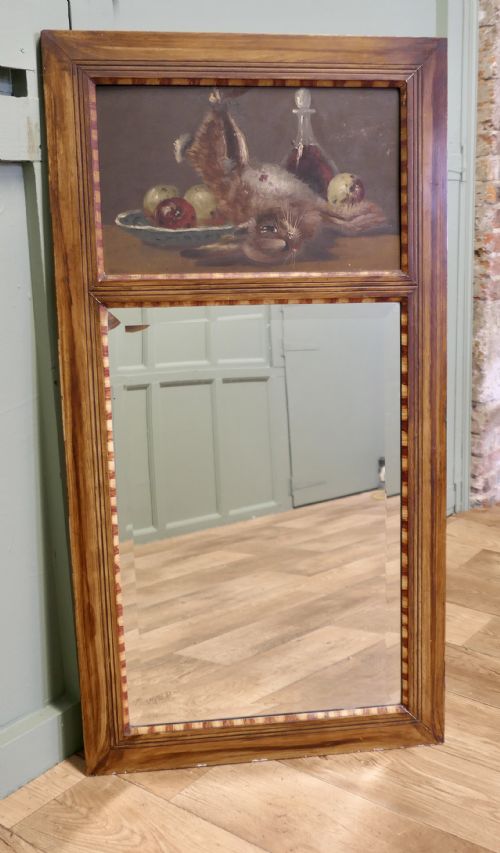
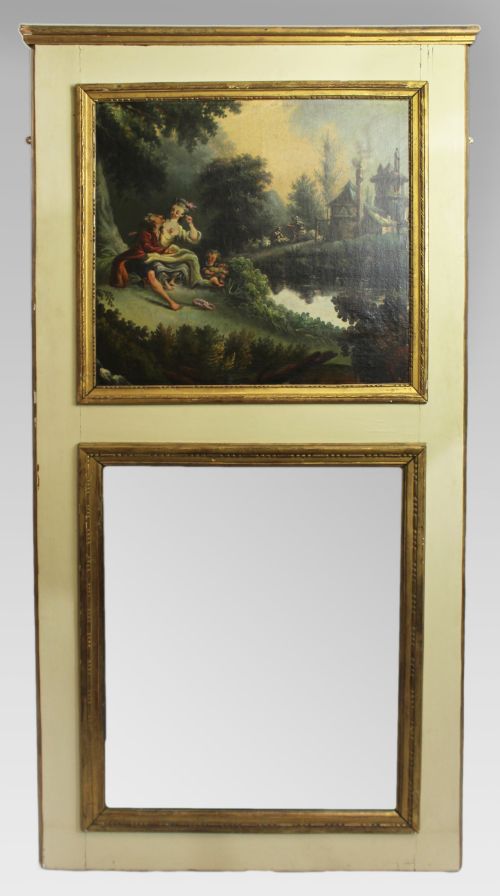
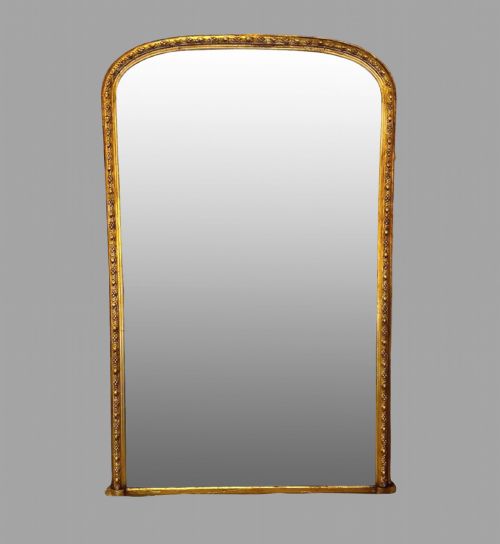
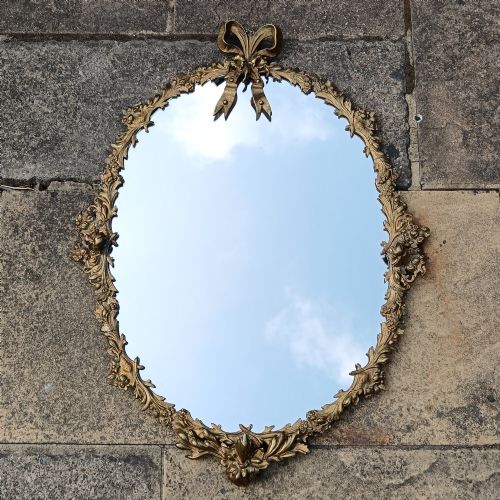
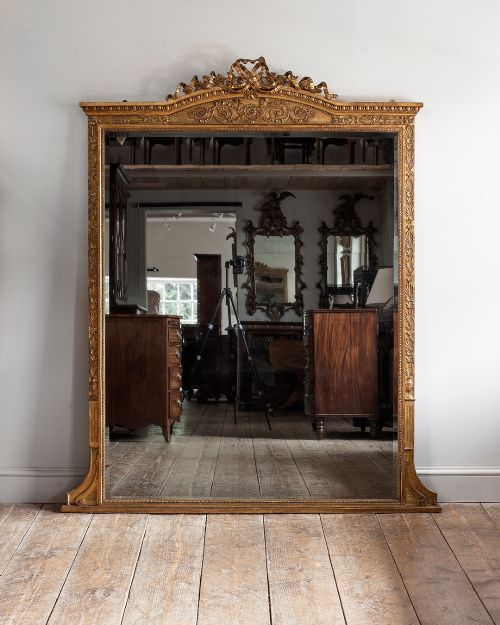
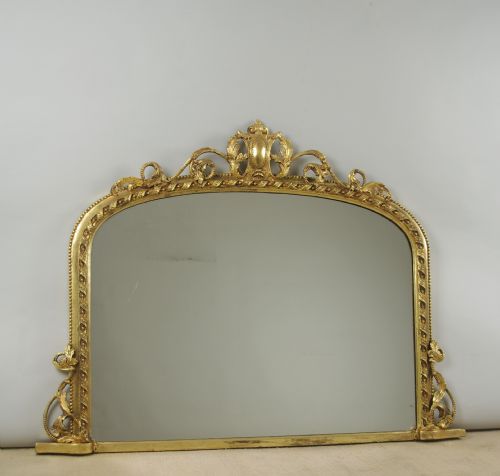
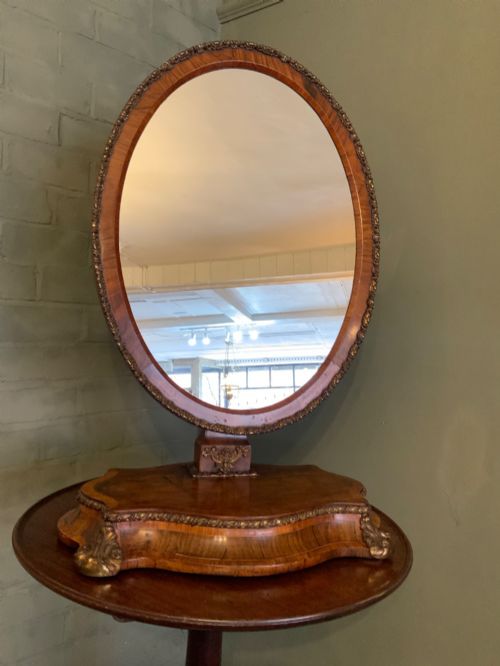
A nineteenth century french mirror encompasses large overmantel frames, tall pier glasses, and trumeau panels designed to anchor formal rooms. Buyers exploring this category frequently encounter grand giltwood walls pieces alongside intimate dressing table mirrors.
The aesthetic vocabulary spans Louis Philippe simplicity, ornate Louis XVI style, and rural country interpretations. These domestic objects reflect the changing interior fashions across the decades of the nineteenth century.
Originating predominantly from Parisian workshops and provincial French makers, these items served both decorative and practical functions in domestic interiors. The survival rate of these domestic furnishings demonstrates the robust quality of their original construction.
How they were made
Makers shaped structural carcases from timber, applying layers of gesso to build up intricate relief ornaments before gilding the surface. Gold leaf or composition leaf was meticulously laid over the prepared ground to achieve a brilliant metallic finish.
Glass plates were silvered using traditional methods, including mercury plate techniques on earlier pieces, creating a distinct depth and slight distortion compared to modern float glass. Secondary materials such as bronze mounts and painted oil panels frequently integrated into the overall frame design.
Nineteenth Century French Mirror Retail Price Guide 2026
Typical asking prices for nineteenth century french mirror among the pieces listed under this phrase on Sellingantiques today, from the lower quarter to the upper quarter. They describe what is for sale here now, not the wider market.
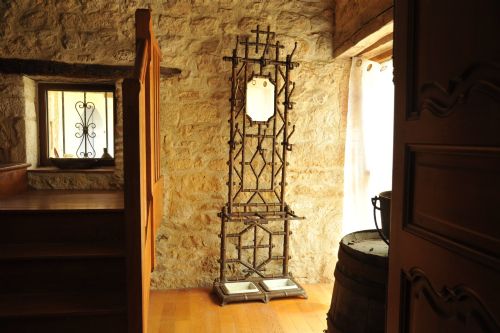
Cast iron faux bamboo stands brought botanical whimsy to nineteenth-century hallways for wet umbrellas.
What varies in quality
The crispness of the carved wood and gesso ornamentation distinguishes superior items from mass-produced commercial output. Hand-chased detailing on gilt bronze mounts and the integrity of original mercury plates elevate the standing of a piece.
Proportion and structural preservation dictate the long-term desirability of the frame. Retaining the original gilding without excessive over-painting signals a well-preserved surface history.
Thiebaut Freres·G. Durand
The Nineteenth Century French Mirror Glossary
- Trumeau mirror
- A decorative wall mirror incorporating a painted panel or oil painting within the upper section of the wooden frame. These tall vertical pieces traditionally hung between windows in grand drawing rooms.
- Overmantel mirror
- A wide horizontal mirror designed to sit directly above a fireplace mantelpiece. Their scale often matches the width of the fireplace opening below.
- Gesso
- A plaster-like material applied to wooden frame bases and sculpted into relief decorations. This mixture provided a smooth surface for subsequent gilding.
- Mercury plate
- A reflective glass panel produced using a tin and mercury amalgam before the invention of modern chemical silvering. This historic method yields a characteristic mottled appearance.
- Pier mirror
- A tall narrow glass positioned on the solid pier of wall between two windows. They maximised natural light penetration in nineteenth-century interiors.
Nineteenth Century French Mirror: Frequently Asked Questions
What is a trumeau mirror?
A trumeau mirror combines a lower reflective glass plate with an upper decorative panel, often featuring pastoral oil paintings. These tall fixtures were built to fit specific architectural wall spaces between windows.
They brought both art and reflected light into nineteenth-century drawing rooms. The integrated artwork makes them distinct from standard wall hanging glasses.
How do I identify mercury glass?
Mercury glass displays a characteristic mottled, dark crystalline appearance behind the surface rather than a uniform modern shine. This historical silvering technique creates a soft and atmospheric reflection.
Examining the back and edges of the glass plate helps reveal the handmade qualities of early manufacturing methods.
Where should I hang an overmantel mirror?
Overmantel mirrors were traditionally engineered to sit securely on the wooden shelf above a fireplace. Their generous horizontal proportions balanced the architectural weight of the hearth below.
They also function effectively on large blank salon walls to draw light across the room space.
What defines Louis Philippe style?
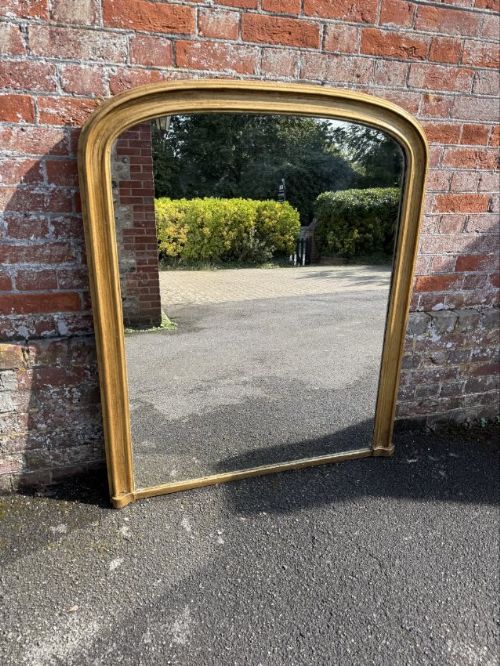
Louis Philippe style is characterised by restrained curves, rounded top corners, and minimal ornamentation compared to earlier extravagant periods. This aesthetic favored clean architectural lines and subdued elegance.
Frames from this tradition rely on pleasing proportions rather than heavy carved decoration to make an impact.