


Antique Silver Mirror
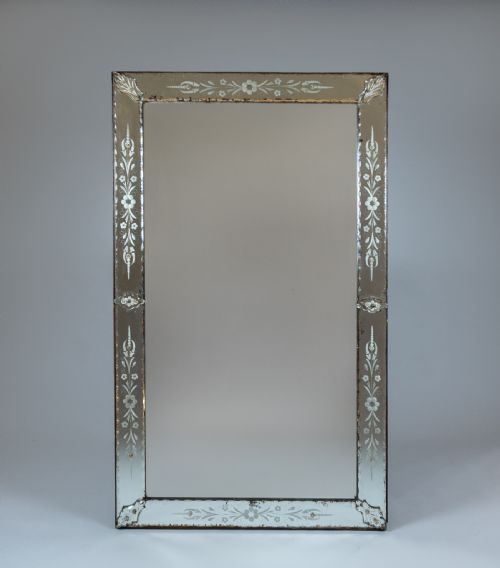
When you search for an antique silver mirror, you encounter everything from ornate Venetian wall pieces to heavy Victorian dressing table silver.
Antique Silver Mirror
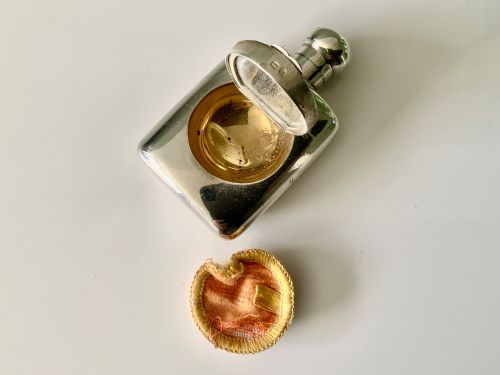
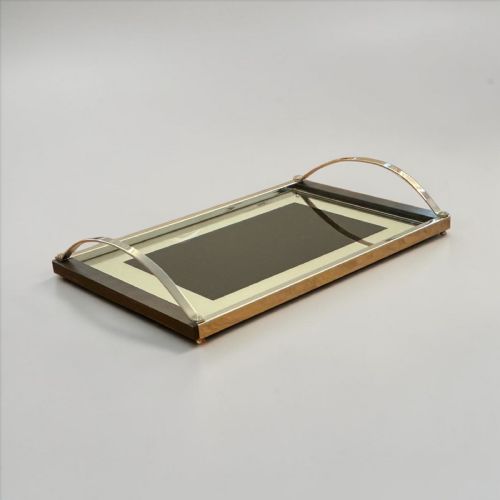
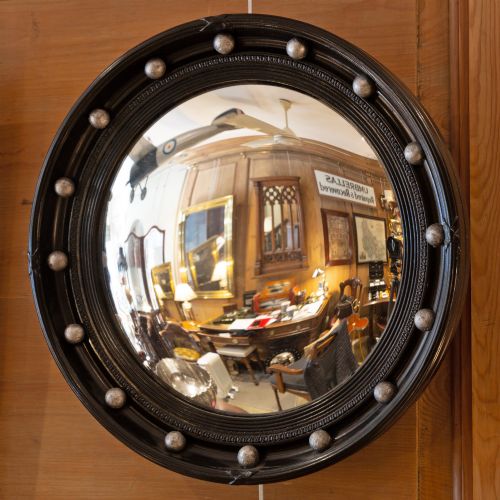
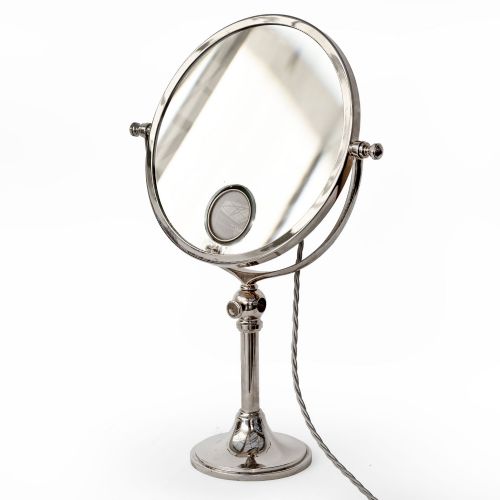
The term antique silver mirror covers a wide variety of objects, ranging from substantial wall hangings and overmantel pieces to small hand mirrors and compacts. Buyers seeking this category encounter items produced across the nineteenth and twentieth centuries, spanning stylistic movements from Victorian revivalism to Art Deco.
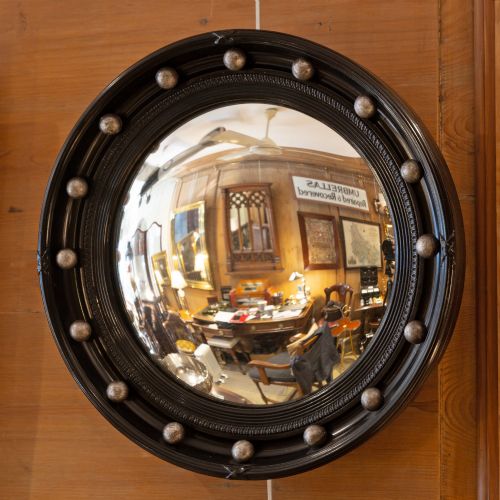
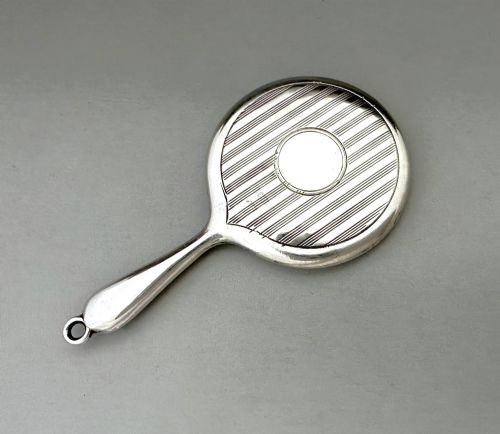
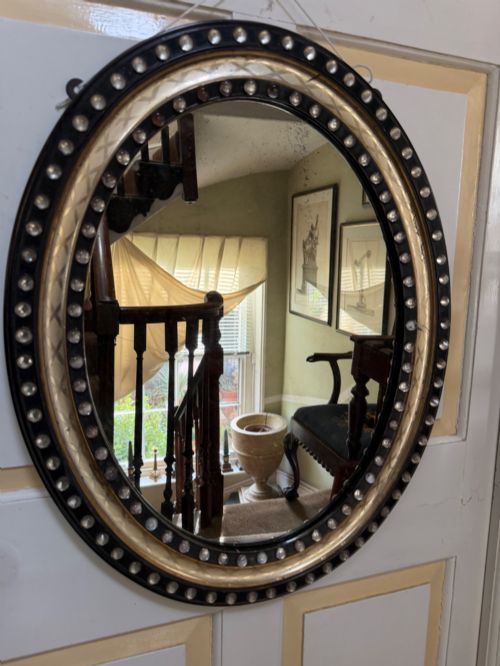
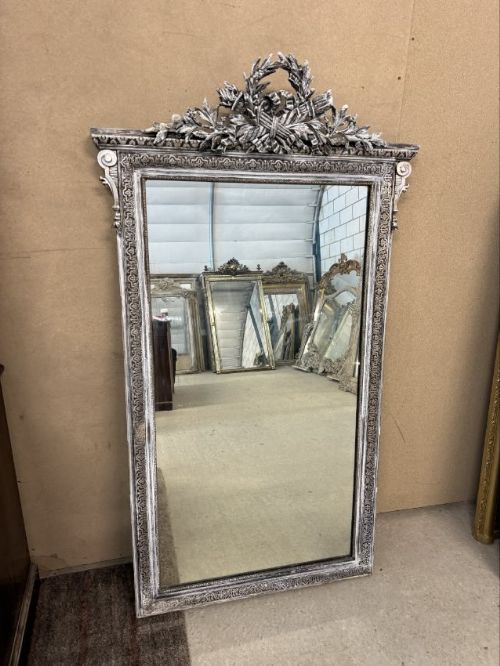
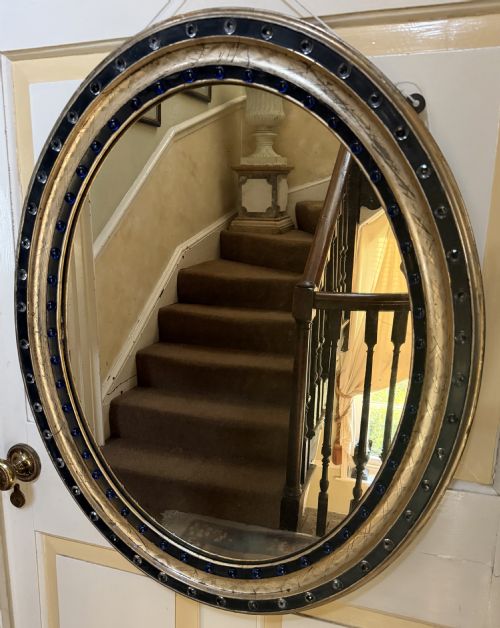
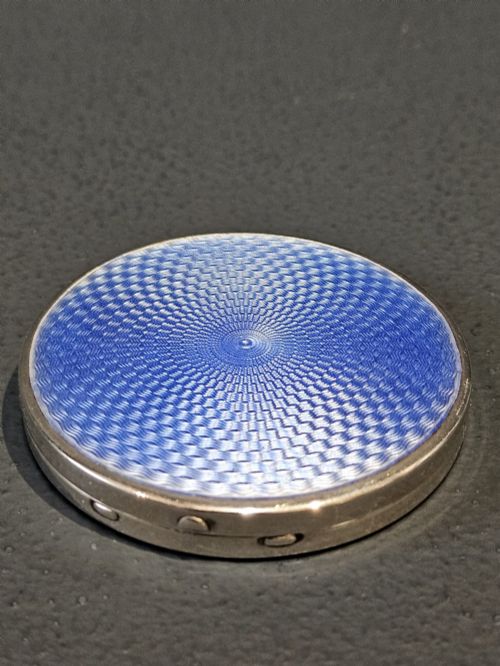
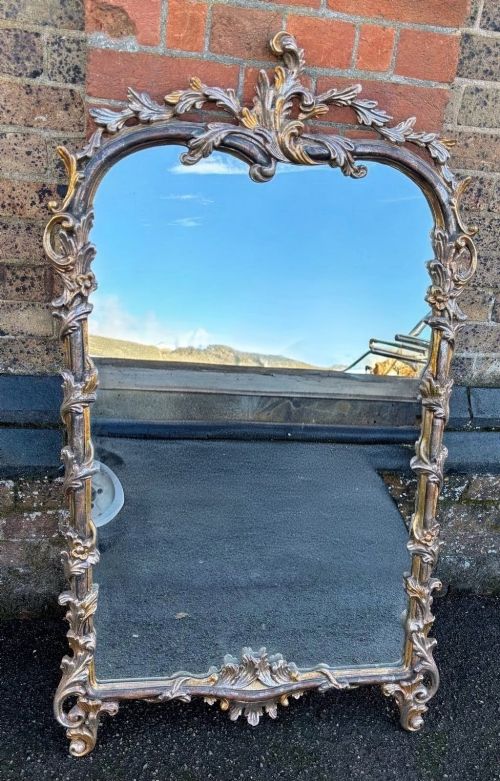
The domestic forms include dressing table mirrors with wooden strut backs, small purse mirrors with guilloche enamel, and grand architectural wall mirrors finished in silver leaf or silver gilt. French Louis Philippe and Venetian cushion styles appear regularly alongside British sterling silver vanity wares.
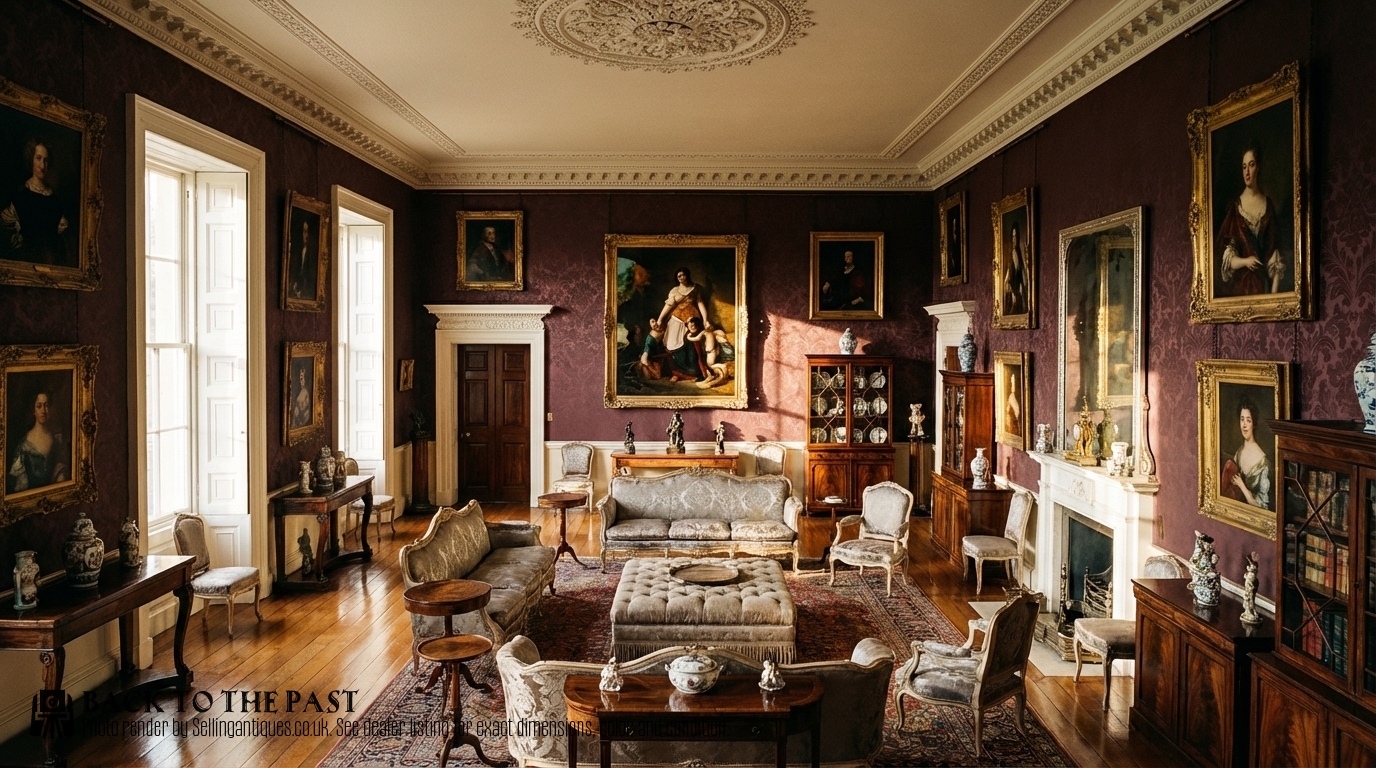
Many examples double as functional dressing accessories or decorative overmantels designed to reflect light in principal rooms. The material execution varies significantly between solid sterling metal, plated surfaces, and applied metallic leaf over gesso.
How they were made
Wood and gesso form the foundational structure for many large wall and overmantel frames, providing a stable base for subsequent layers of silver leaf, silver gilt, or paint. Artisans carved intricate decorative motifs such as ribbons, cherubs, and rope twists directly into the timber before applying the metallic surface.
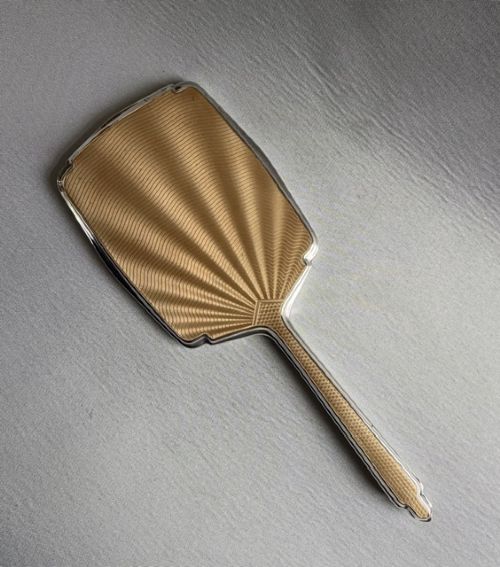
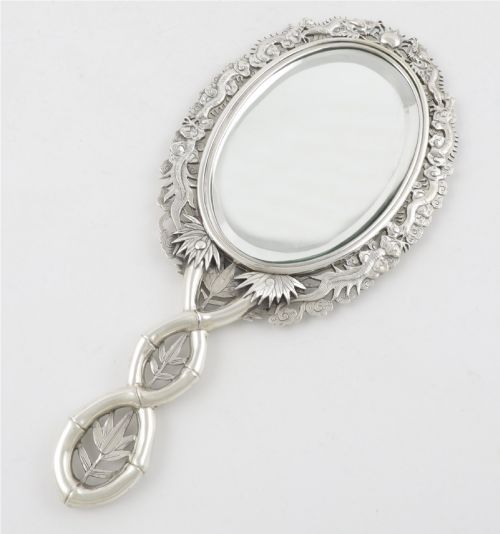
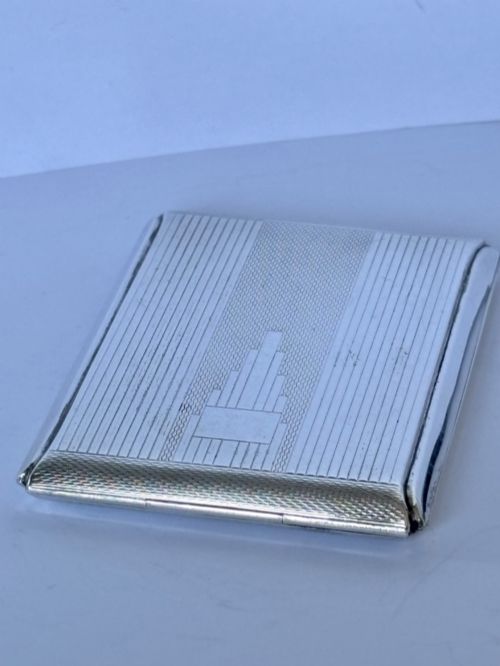
Sterling silver items rely on traditional silversmithing techniques, including hand-hammering, embossing, and piercing, often executed by specialist makers in Birmingham and London. Enamel work, particularly translucent guilloche patterns, was frequently fused to the silver backing of hand mirrors and compacts.
Glass panels were historically silvered using mercury or chemical solutions, fitted into frames with original backing boards and secured by traditional pins or wedges.
Antique Silver Mirror Retail Price Guide 2026
Typical asking prices for silver mirror among the pieces listed under this phrase on Sellingantiques today, from the lower quarter to the upper quarter. They describe what is for sale here now, not the wider market.
The selection includes wall mirrors, hand mirrors, and compacts spanning the Victorian, Edwardian, and Art Deco periods.
What varies in quality
The depth and clarity of the hand-carved ornamentation on wooden frames dictate much of the visual distinction, with crisp, sharply defined mouldings outperforming softer, worn castings. The preservation of original silver leaf or gilt surfaces, free from excessive later overpainting, determines the integrity of the piece.
In solid metal items, the weight of the sterling silver and the precision of embossed details, such as animal figures or cherubs, signal higher workshop standards. The inclusion of undamaged enamel work and original bevelled mirror glass elevates the overall execution of dressing table pieces.
WMF·Gillows Of Lancaster·Henry Williamson·Henry Matthews·Charles Boyton·S Blanckensee And Son·Asprey·William Comyns And Sons
The Antique Silver Mirror Glossary
- Guilloche enamel
- A decorative technique where intricate geometric patterns are mechanically engraved beneath translucent coloured enamel. It appears frequently on twentieth-century vanity items and compacts.
- Overmantel mirror
- A large horizontal mirror designed specifically to be hung on the wall directly above a fireplace mantelpiece. These pieces often feature architectural archtops and extensive gilt or silvered framing.
- Silver gilt
- Silver or a silver-plated base metal that has been coated with a thin layer of gold, creating a warm, multifaceted metallic tone. This finish is common on nineteenth-century French wall mirrors.
- Strut mirror
- A portable mirror supported by a hinged wooden or metal prop attached to the reverse. They are typically found on dressing tables from the Edwardian period onwards.
- Gesso
- A plaster-like mixture applied to wood frames to create a smooth surface for gilding or silvering. It accepts detailed carving and moulding before the metallic leaf is laid down.
Antique Silver Mirror: Frequently Asked Questions
How do I clean an antique silver frame?
Dust the carved surfaces gently with a soft, dry brush to prevent dirt accumulation in the recesses of the gesso or wood. Avoid harsh liquid polishes on silver-gilt or leaf surfaces, as these abrasive cleaners strip away the historical finish.
For solid sterling silver mounts, use a dedicated microfibre cloth and a mild, non-abrasive silver cleaner applied sparingly. Ensure no moisture seeps behind the mirror glass during the cleaning process.
How can I tell a French mirror from an English one?
French wall mirrors from the nineteenth century frequently exhibit Louis Philippe styling, featuring rounded upper corners, generous proportions, and silver gilt or mercury glass finishes. Their frames often rely on carved gesso over wood with floral or rope-twist motifs.
English pieces in this category more commonly include sterling silver hallmarked dressing table items, strut mirrors, and overmantels stamped with domestic assay office marks. The presence of clear maker marks and town punches confirms British origin.
What is mercury glass?
Mercury glass refers to a double-walled blown glass type produced in the nineteenth century, where a silvering solution was introduced between the glass layers and sealed. This creates a distinctive, cloudy reflective quality rather than the sharp mirror image seen in later pieces.
These mirrors often display small dark spots and patination within the glass, which collectors value as a sign of period authenticity. They appear regularly in nineteenth-century French and English frames.