
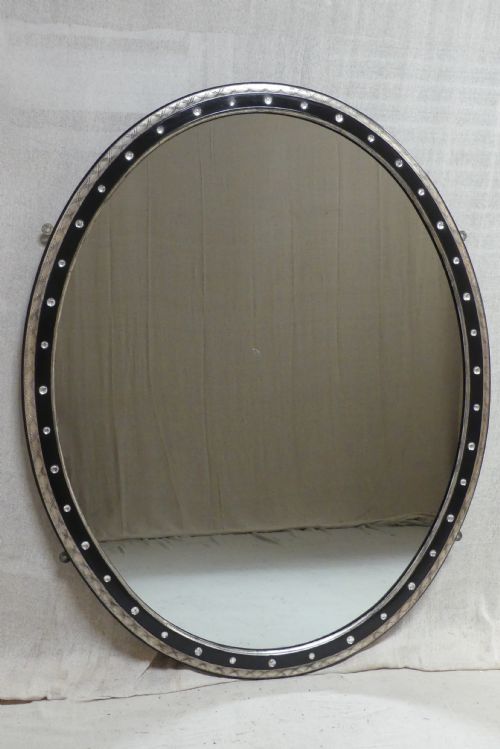


Silvered Wall Mirror
A silvered wall mirror brings deep light and historic character to a room, catching the eye with its reflective surface and aged metallic finish.
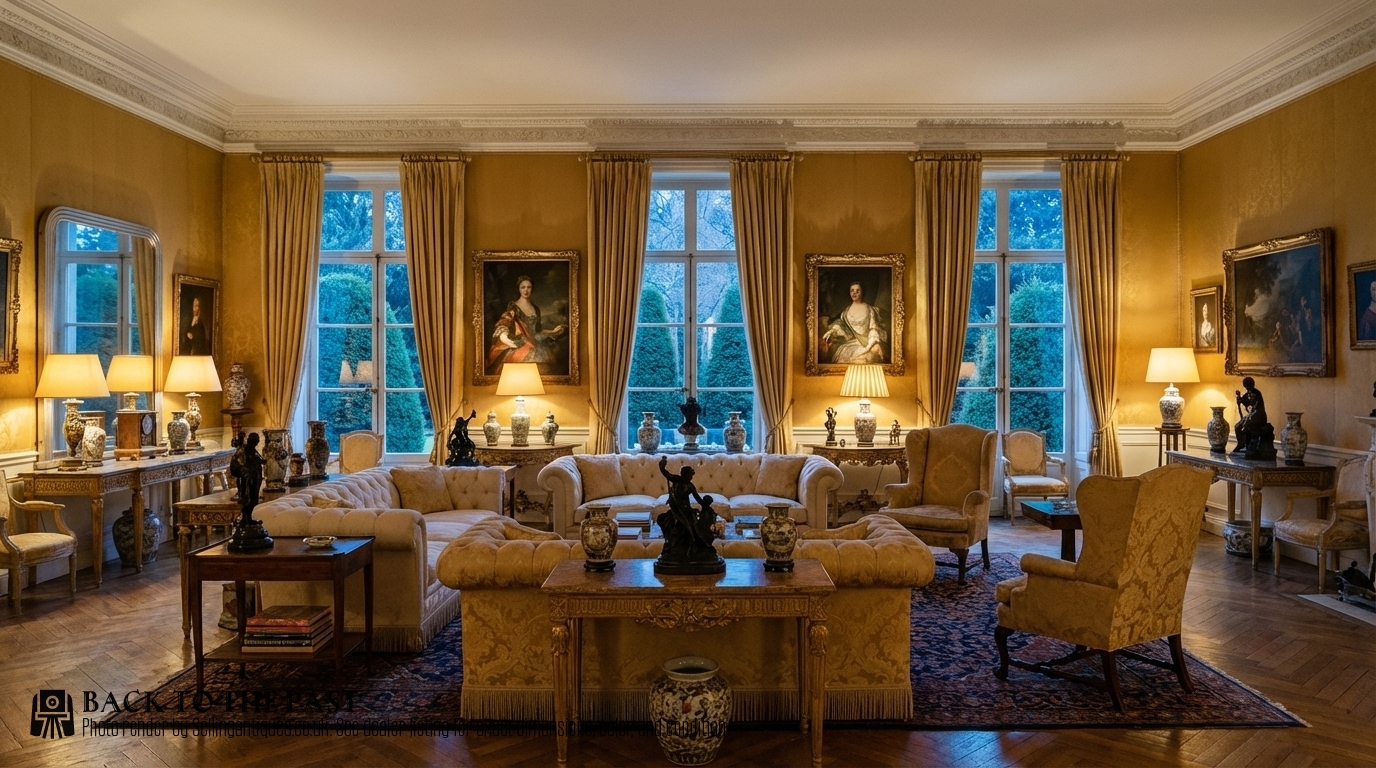
Identifying a silvered wall mirror
A silvered wall mirror provides both functional reflection and decorative presence, appearing in formats ranging from grand overmantel installations to classical wall-hanging pieces. The evidence shows these objects spanning the nineteenth and early twentieth centuries, with Victorian English and French styles forming the core of what is available.
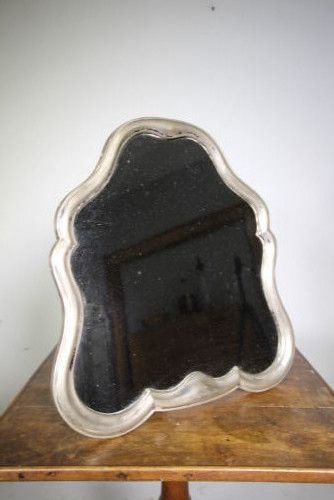
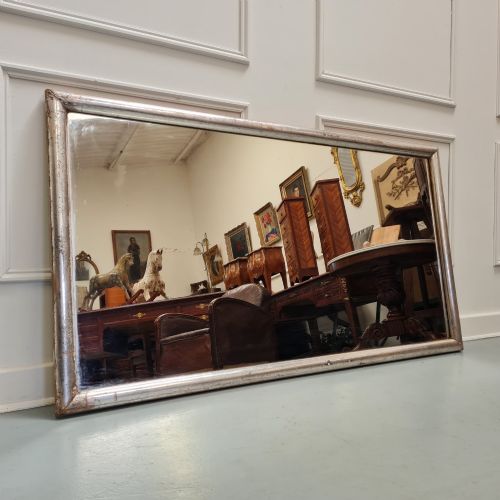
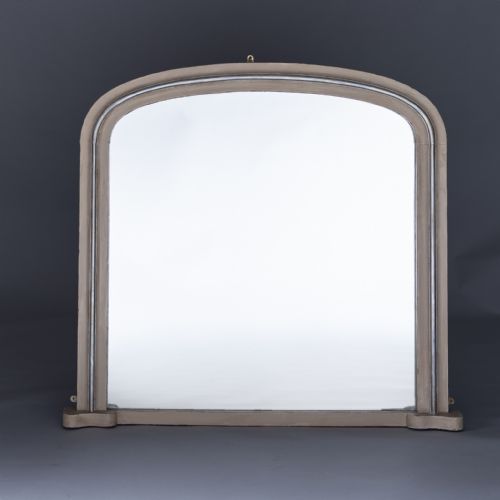
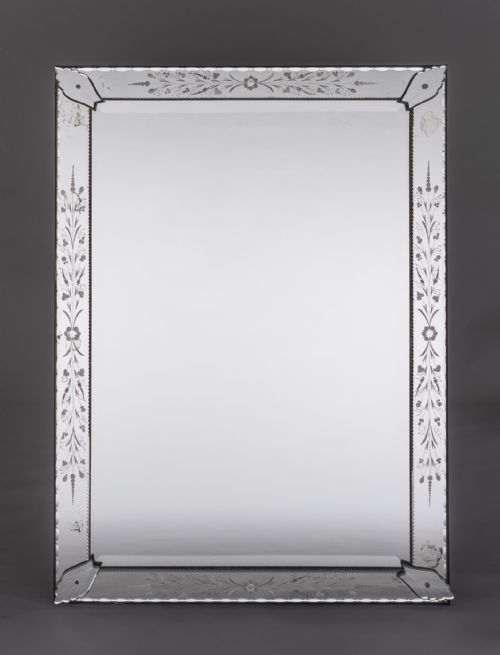
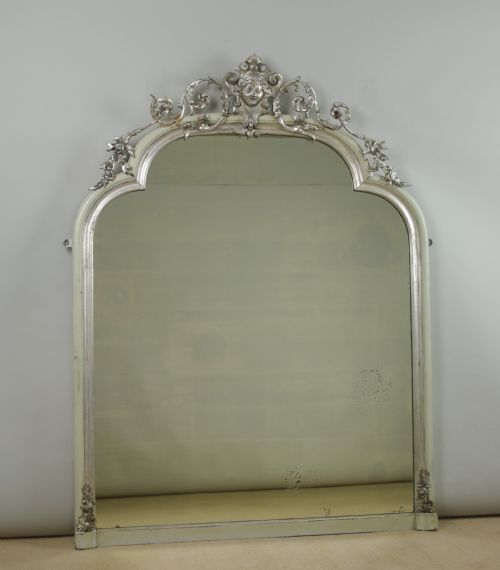
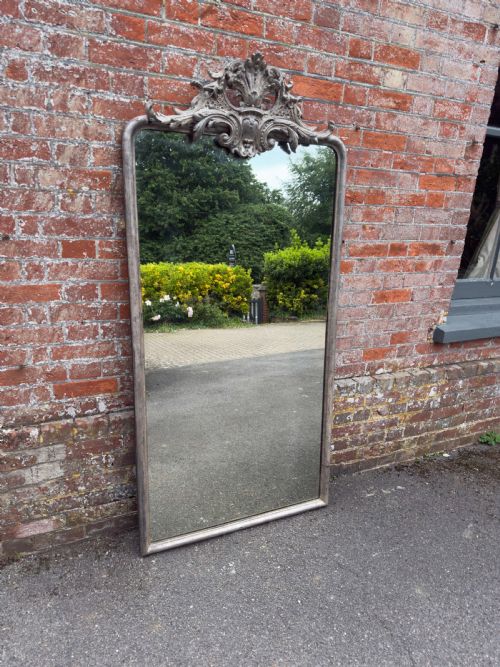
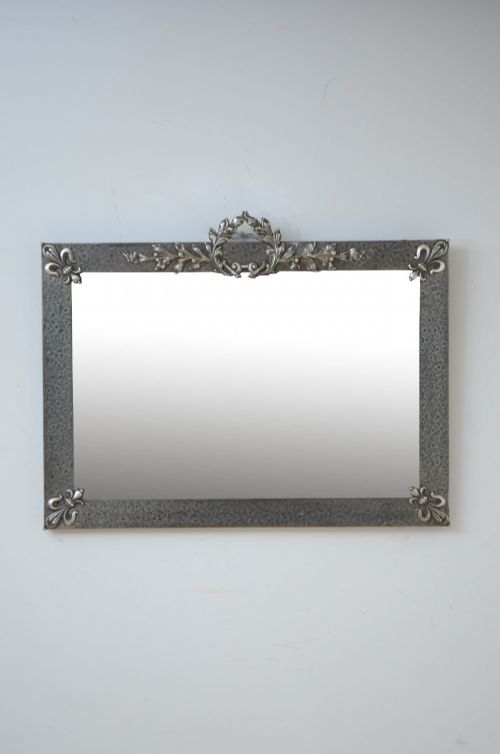
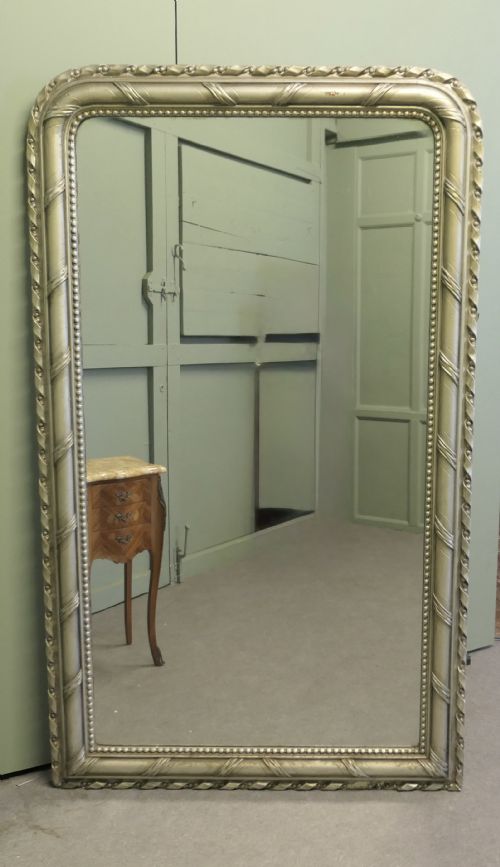
Buyers will encounter overmantel mirrors designed to sit above a fireplace alongside large rectangular, arched top, and shaped decorative variants. English traditional forms sit alongside French chateau pieces, Louis XVI style frameworks, and Rococo designs incorporating elaborate ornamentation.
The materials recorded in the archive and current listings demonstrate a reliance on wood substrates finished with gesso, mirror glass, paint, and silver leaf or silver gilt. Certain examples incorporate specific motifs such as carved cherubs, floral mouldings, and flame torch details.
Materials and construction
Construction relies upon a timber substrate that forms the foundational architecture for the frame, whether built as a large overmantel or a wall-hanging mirror. Artisans applied layers of gesso over the wood to create a smooth, pliable surface suitable for intricate carving and moulding.
Surfaces received decorative treatments involving paint, silver leaf, silver gilt, and cream gilt finishes to achieve the characteristic metallic sheen. Silvered border details and ornate flower mouldings were integrated into the gesso and timber framework before the insertion of the mirror glass.
Retail Price Guide 2026
Typical UK retail prices for silvered wall mirror, calculated from the Sellingantiques database of over a million retail prices indexed since 2003. This retail price guide relies exclusively on Sellingantiques data; no external sources or auction records are used, so the figures do not describe the wider market.
Listings demonstrate materials including wood, silver leaf, glass, gesso, paint, and mirror glass across Victorian and French chateau styles.
Assessing quality and craftsmanship
Quality rests in the depth and execution of the manual labour involved in carving the timber and applying the gesso ornamentation. Pieces featuring detailed sculptural elements such as cherubs, complex floral mouldings, and flame torch designs demonstrate higher artisan input than plain bordered versions.
The sophistication of the finish separates standard production from finer examples, particularly where layered silver leaf, paint, and gilt interact across an arched top or shaped frame. The integrity of the original wood structure and the preservation of the silvered surface over decades determine the overall distinction of the object.
The Silvered Wall Mirror Glossary
- Overmantel mirror
- A large mirror specifically proportioned to hang on the wall directly above a fireplace mantelpiece.
- Gesso
- A plaster-like mixture applied to wood frames to create a smooth surface for moulding and gilding.
- Silver gilt
- A metal finish where silver leaf is applied to an object, often treated to achieve a warm metallic tone.
- Archtop
- A mirror frame featuring a curved upper section rather than a simple right-angled rectangle.
- Rococo style
- An ornate design tradition characterised by asymmetry, scrollwork, and naturalistic motifs like flowers and cherubs.
Frequently Asked Questions
How do I hang a heavy overmantel mirror?
These large mirrors require secure wall fixings anchored directly into structural studs or masonry to support the substantial combined weight of the timber frame and glass.
Professional installation is recommended for nineteenth-century overmantel pieces to ensure the weight is distributed safely across the wall surface.
Where should I place a silvered wall mirror?
Positioning the mirror opposite a window maximises the distribution of natural daylight across the room, brightening darker corners.
They also function effectively as focal points above mantelpieces, sideboards, or console tables in both traditional and contemporary interiors.
How do I clean the silvered frame?
Dust the ornate mouldings gently with a dry, soft-bristled brush to remove particulate matter without disturbing the aged metallic finish.
Avoid using modern chemical cleaning sprays on the silver leaf or gesso, as moisture and harsh solvents can damage the historic surface.
How can I tell a French style from an English one?
French pieces from the nineteenth century often lean towards decorative flourishes such as cherubs, intricate floral mouldings, and shaped arched tops.
English traditional and Victorian overmantel mirrors tend to present more restrained architectural proportions while retaining substantial timber and gesso construction.