
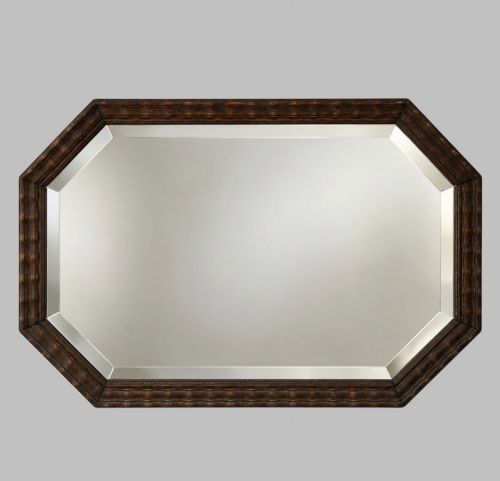
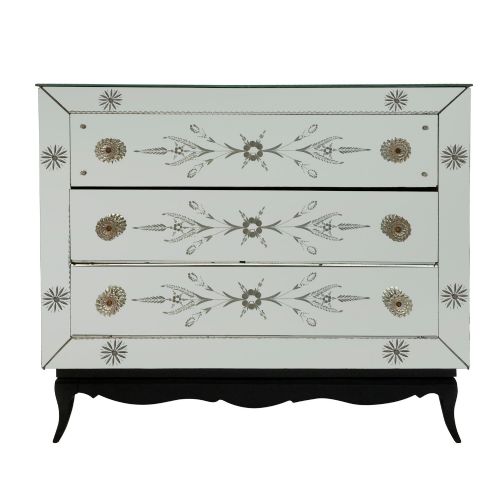

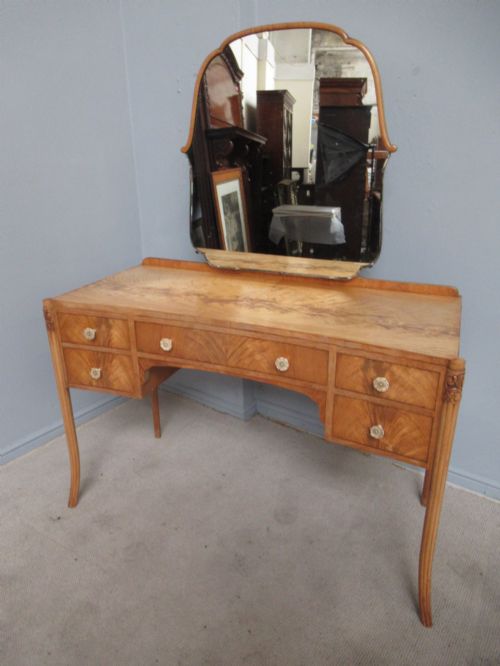
Vintage Glass Mirror
A vintage glass mirror brings light and depth to a room, offering a functional antique that grounds an interior.
Vintage Glass Mirror
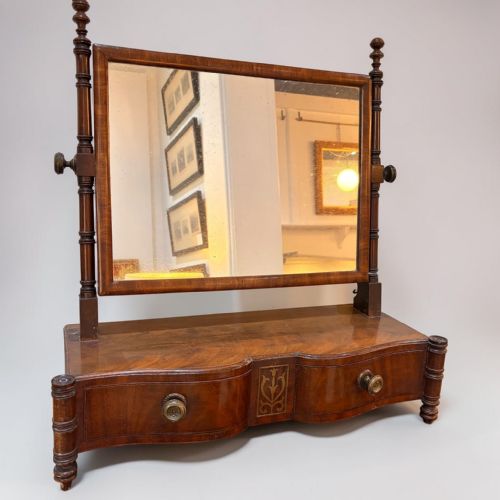
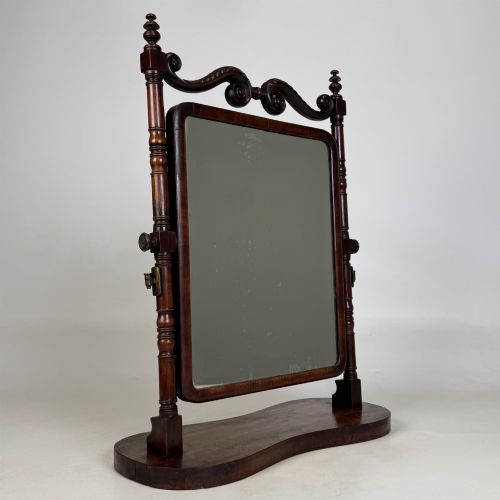
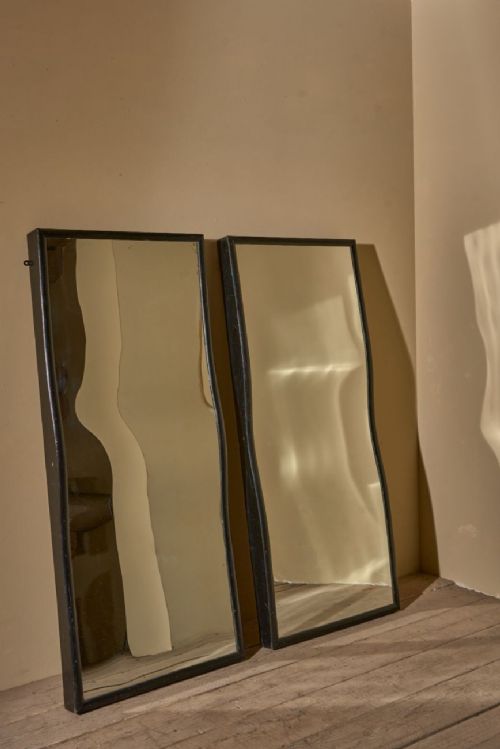
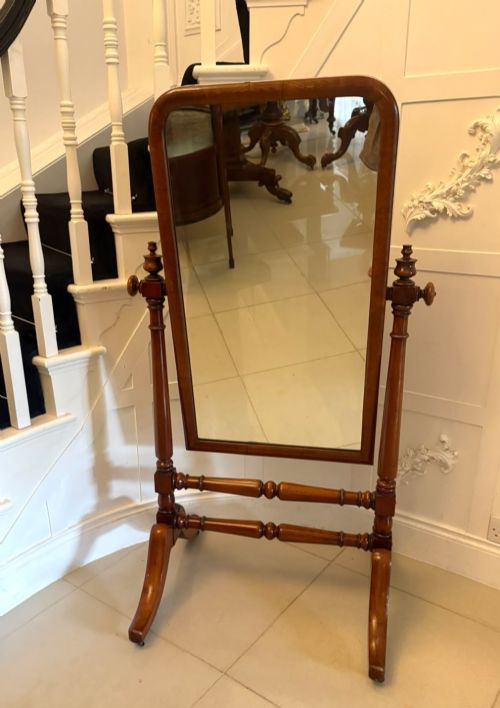
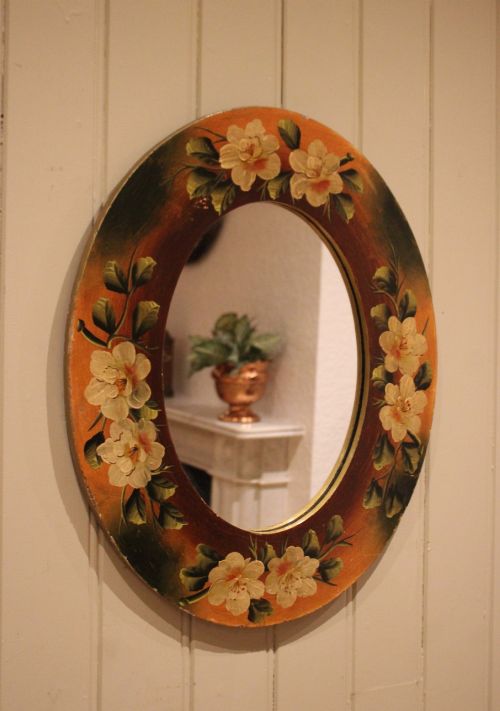
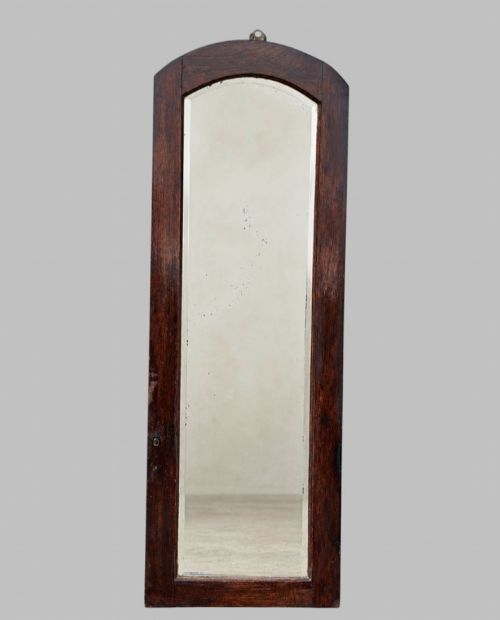
A vintage glass mirror search uncovers pieces ranging from grand overmantel and pier formats to dressing table and cheval swing mirrors.
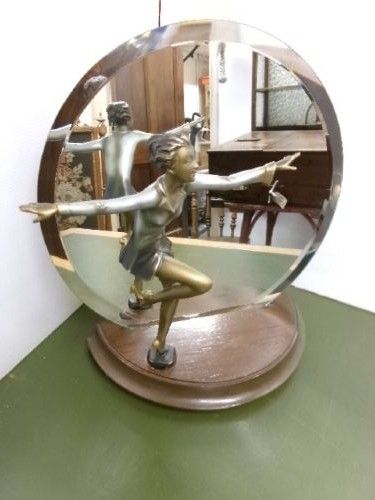
The selections span diverse eras including the 18th century, Victorian period, Edwardian years and the Art Deco movement.
Materials and construction methods
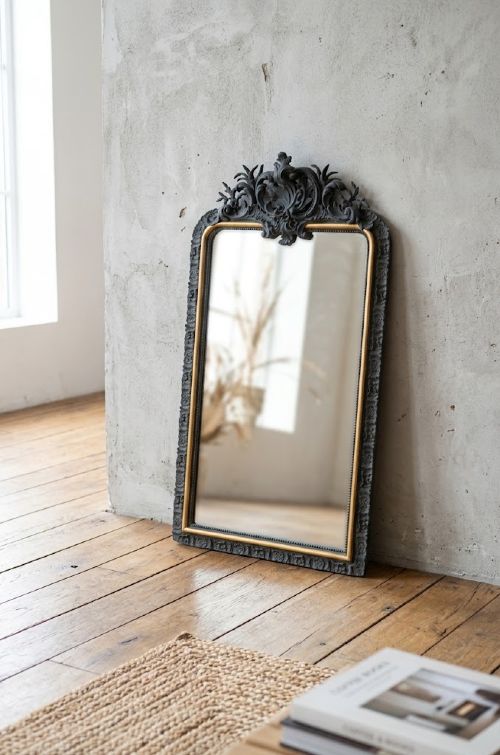
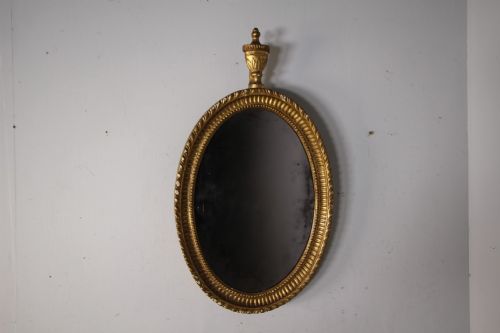
Frames rely heavily on timbers such as mahogany, oak, walnut and kingwood, alongside gilded gesso and carved giltwood.
Mirror plates feature reflective surfaces set within sturdy wooden joinery or elaborate moulded frames.
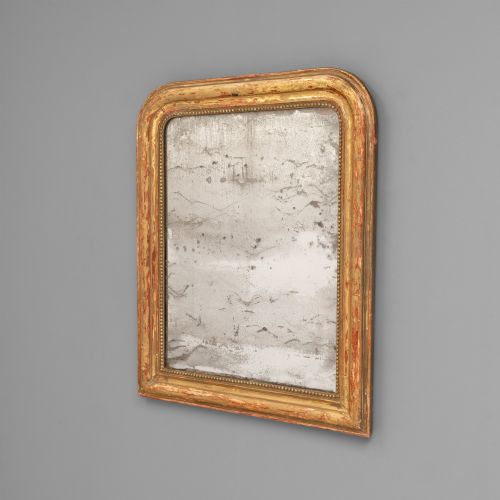
Techniques combine traditional cabinetmaking with hand-carved ornamentation and applied gilt leaf.
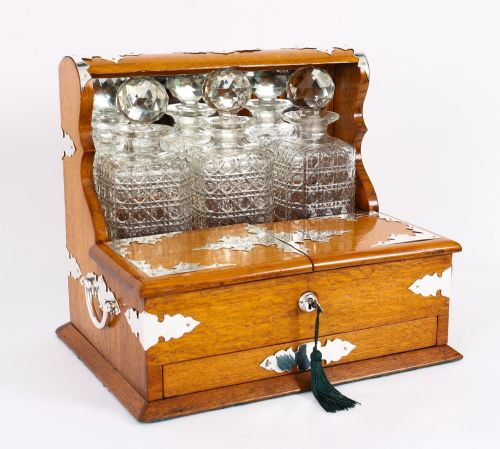
Some mirrors share catalogue space with unexpected companions like dry bars, card tables and dancing lady spelter figures.
Distinctions in craftsmanship
The refinement of the carved detail and the depth of the gilding set superior frames apart from simpler commercial productions.
The integrity of the original mirror glass plate and its supporting wooden backboards signal higher preservation standards.
Waring & Gillow·Heal & Sons
The Vintage Glass Mirror Glossary
- Gesso
- A plaster-like material applied to wooden frames as a base for gilding or painting. It allows intricate moulded ornamentation.
- Pier mirror
- A tall glass designed specifically to hang on the narrow wall space between windows. These pieces maximise interior light reflection.
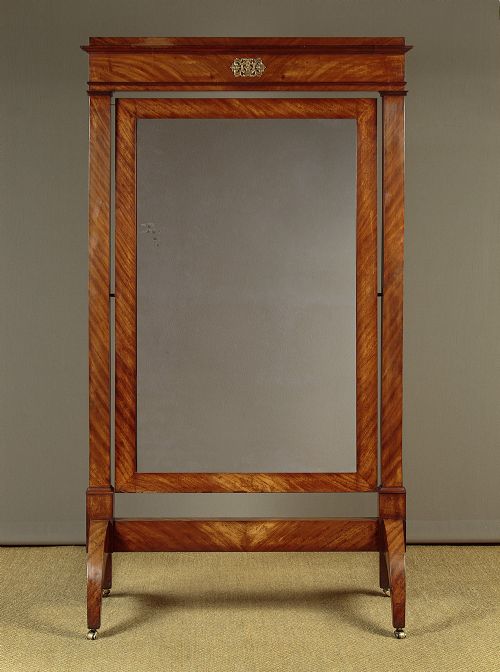
- Cheval mirror
- A freestanding full-length mirror mounted on a pivoting frame. The design allows the glass to tilt at various angles.
- Foxed glass
- Mirror glass showing age-related spots and oxidation. This creates a mottled, darkened reflective quality characteristic of older pieces.
- Parcel gilt
- Woodwork decorated with partial gilding alongside exposed natural timber grain. It highlights specific carved elements on a frame.
Vintage Glass Mirror: Frequently Asked Questions
What is a cheval mirror?
A cheval mirror is a floor-standing mirror suspended in a frame on pivots, allowing the user to tilt the glass.
These pieces typically function as dressing mirrors in bedrooms and dressing rooms.
How do I identify a pier mirror?
Pier mirrors are traditionally tall and narrow, designed to fit the wall space between two windows.
They often feature giltwood or painted frames suited to formal reception rooms.
What causes foxed glass?
Foxed glass results from the degradation of the reflective silver or mercury backing over long periods.
This oxidation produces distinctive dark spots across the mirror plate.
Where should I hang an overmantel mirror?
Overmantel mirrors are traditionally positioned directly above a fireplace mantelpiece.
They serve to reflect room light and anchor the decorative arrangement above the hearth.