


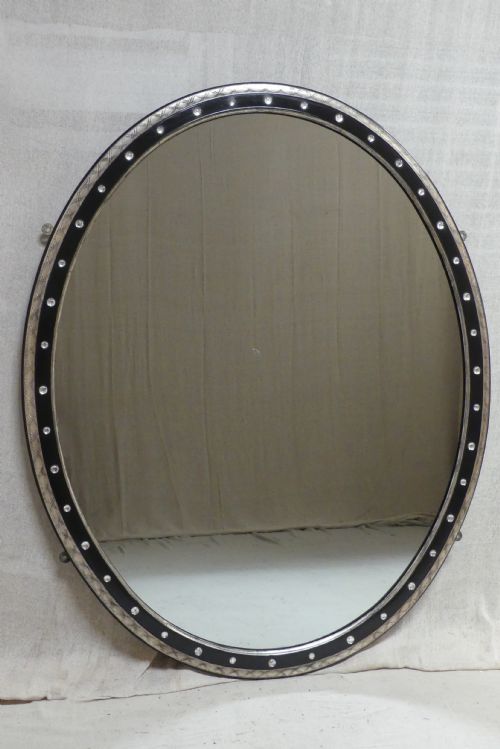


Engraved Glass Mirror
An engraved glass mirror brings striking reflection and delicate surface detail to a room, drawing the eye with its worked plates and decorative framing.
Engraved Glass Mirror
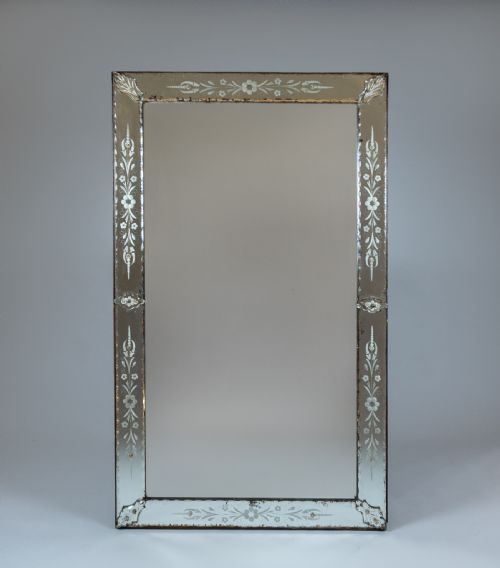
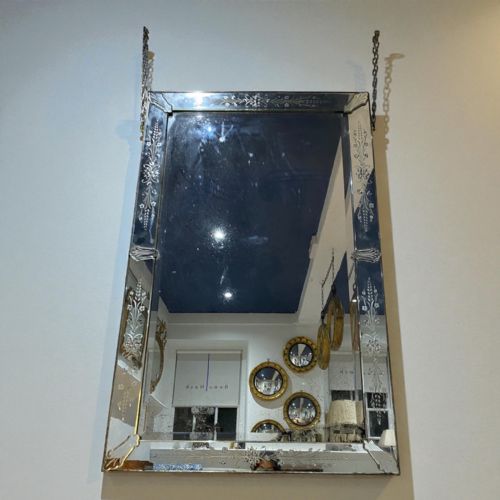
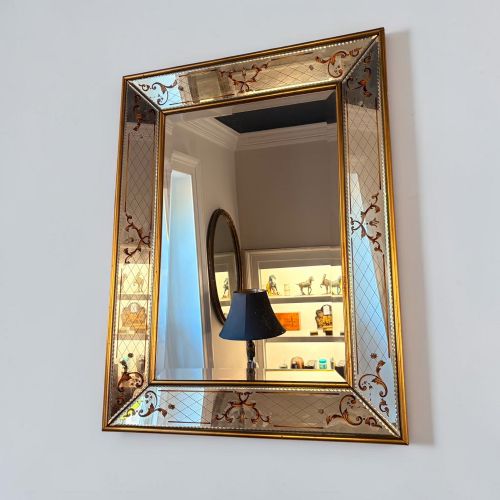
When you search for an engraved glass mirror, you encounter wall mirrors, overmantels, and dressing items dating from the nineteenth and twentieth centuries. These pieces combine reflective glass with wheel-cut, etched, or engraved decoration upon the plates or surrounding frames.
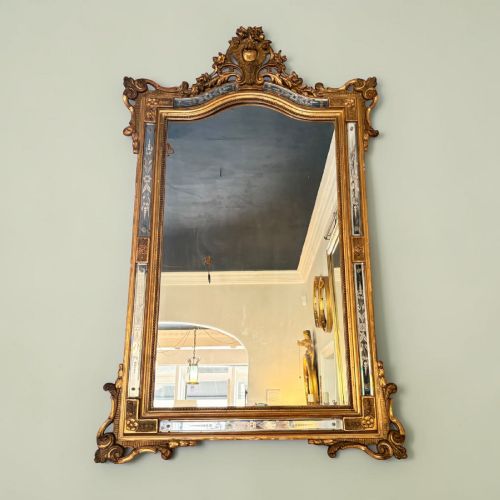
The most common versions met here include large Venetian examples, ornate gilt-wood rococo wall mirrors, and parcel gilt oval forms. Many date from the Victorian, Edwardian, and later periods, showing diverse regional influences from British cabinet-making to Italian glasswork.
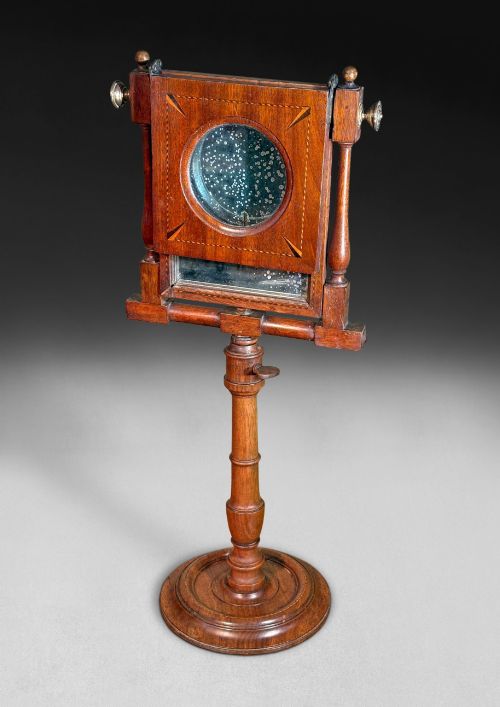
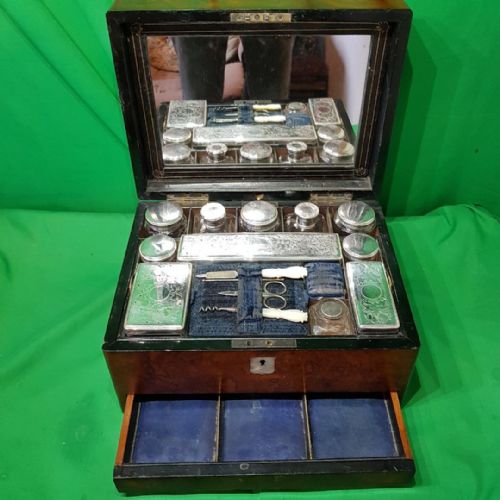
Beyond standard wall hanging pieces, related forms such as travelling sets, dressing table sets, and pedestals appear with glass and mirror components. Each piece balances functional reflection with decorative surface artistry characteristic of its period.
How they were made
Glass plates are worked by hand using wheel-cutting, etching, or engraving techniques to incise floral, geometric, or figurative motifs directly into the surface. The resulting lines catch the light differently from the plain areas of the mirror.
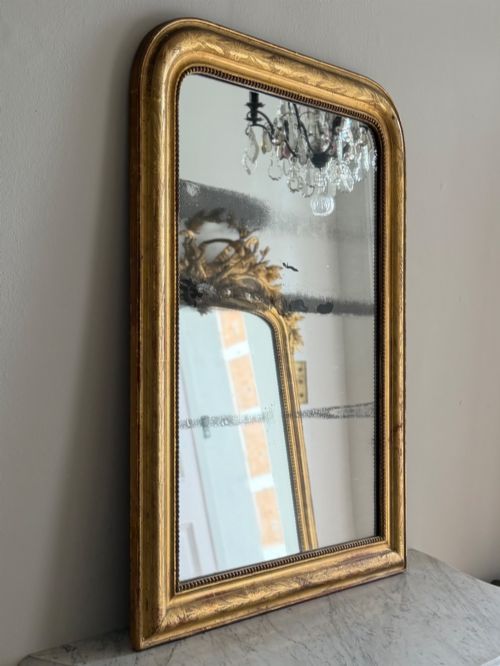
Frames employ traditional woodworking and gilding methods, utilising materials such as burr walnut, ebonised timber, and carved gilt-wood. Giltwood elements often feature applied gold leaf over gesso and carved wooden carcases in styles ranging from rococo to regency.
Engraved Glass Mirror Retail Price Guide 2026
Typical asking prices for engraved glass mirror among the pieces listed under this phrase on Sellingantiques today, from the lower quarter to the upper quarter. They describe what is for sale here now, not the wider market.
Listings feature periods spanning from the Victorian era and 1850 through Edwardian times to the 1930s and 1950s.
What varies in quality
The depth and clarity of the engraving on the glass plate distinguish finer examples from simpler production. Skilled hand-cutting yields crisp lines and subtle shading across floral or scroll motifs.
The sophistication of the frame construction and carving determines the overall calibre of the piece. Hand-carved gilt-wood or carefully selected burr walnut veneers demonstrate superior craftsmanship compared to simpler or replacement surrounds.
The Engraved Glass Mirror Glossary
- Engraved glass
- Glass decorated by abrading the surface with small rotating wheels or diamond points to create permanent designs. This technique allows for intricate shading and detailed pictorial or floral motifs.
- Giltwood
- Timber carved and coated with a thin layer of gold leaf or metallic powder. It provides a bright, reflective finish popular in grand decorative frames.
- Burr walnut
- Wood taken from the gnarled growths of a walnut tree, showing highly figured, swirling grain patterns. Cabinet-makers veneer high-end furniture and dressing pieces with it.
- Overmantel mirror
- A large mirror designed to hang specifically above a fireplace mantelpiece. These pieces often feature multiple glass plates or wide frames to command the wall space.
- Venetian mirror
- A style of mirror originating from Italy, characterised by etched glass frames, applied glass floral elements, and intricate crestings. They project light outward from multiple angled surfaces.
Engraved Glass Mirror: Frequently Asked Questions
How do I clean an engraved glass mirror?
Use a soft microfibre cloth and a mild, ammonia-free glass cleaner applied to the cloth rather than directly onto the mirror surface. This prevents moisture from seeping behind the plate or damaging the aged silvering.
Avoid harsh scrubbing around engraved lines where dust and polish residue can accumulate. Gentle wiping preserves both the glass and any surrounding wood or gilt finishes.
Where should I hang a large wall mirror?
Position the mirror on a substantial wall where it can reflect natural light from a window to brighten the room. Hanging it opposite a focal point helps amplify the sense of space and displays the decorative frame to advantage.
Ensure the wall fixings match the weight of the piece, particularly with heavier carved gilt-wood or multi-plate constructions. Professional mirror hangers often recommend securing them to wall studs or using heavy-duty masonry anchors.
What defines the Venetian style?
Venetian mirrors stand out through their extensive use of glass elements within the frame itself, including mirrored borders, etched panels, and applied glass leaves or rosettes. They often feature elaborate crestings and minimal exposed wood.
This tradition prioritises luminosity and reflective complexity over heavy timber framing, creating an ornate yet airy decorative effect.
How can I tell a Victorian mirror from a later piece?
Victorian mirrors frequently utilise darker timbers such as ebonised wood or burr walnut, alongside hand-beveled or early machine-cut heavy glass plates. Construction details at the back, such as hand-cut screws and old pine backing boards, offer further clues to age.
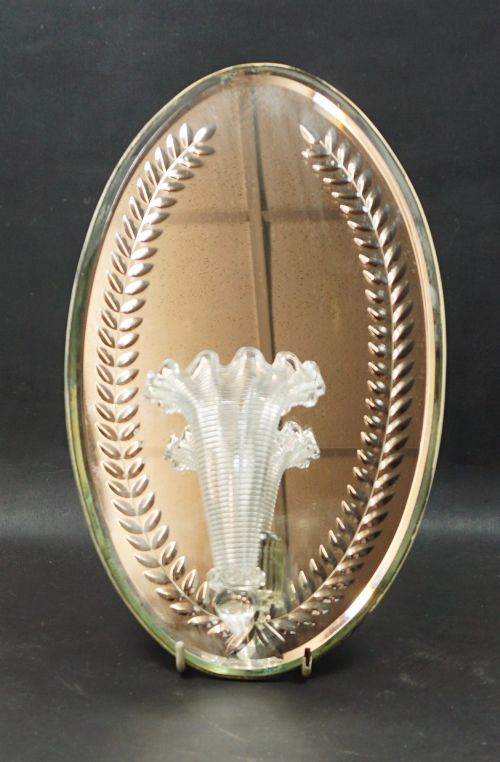
Later twentieth-century examples, such as those from the 1930s or 1950s, often display cleaner geometric lines or brighter peach-tinted glass plates associated with Art Deco design.