


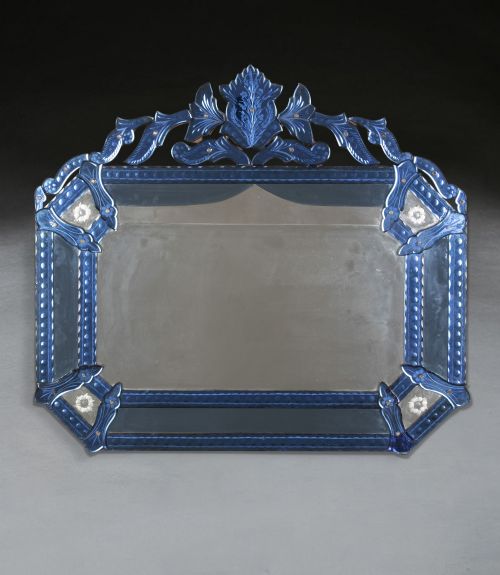

Antique Etched Mirrors
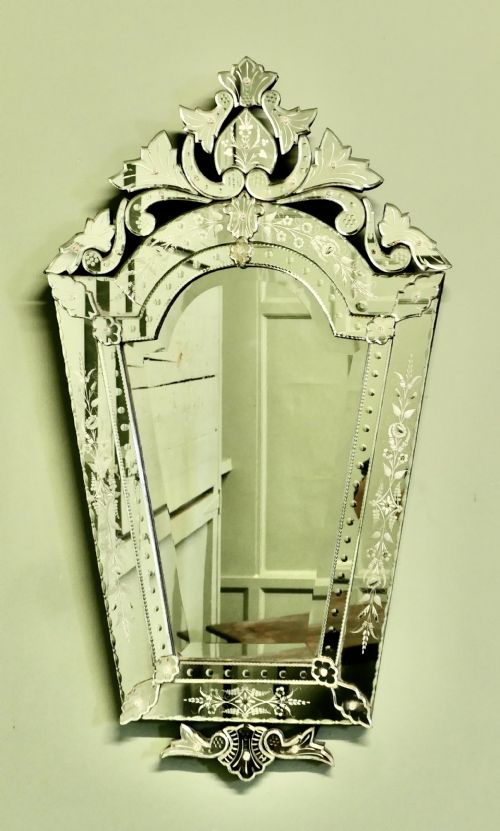
These antique etched mirrors bring substance and historic glasswork to a room, ranging from Venetian cushion designs to English pub advertisements.
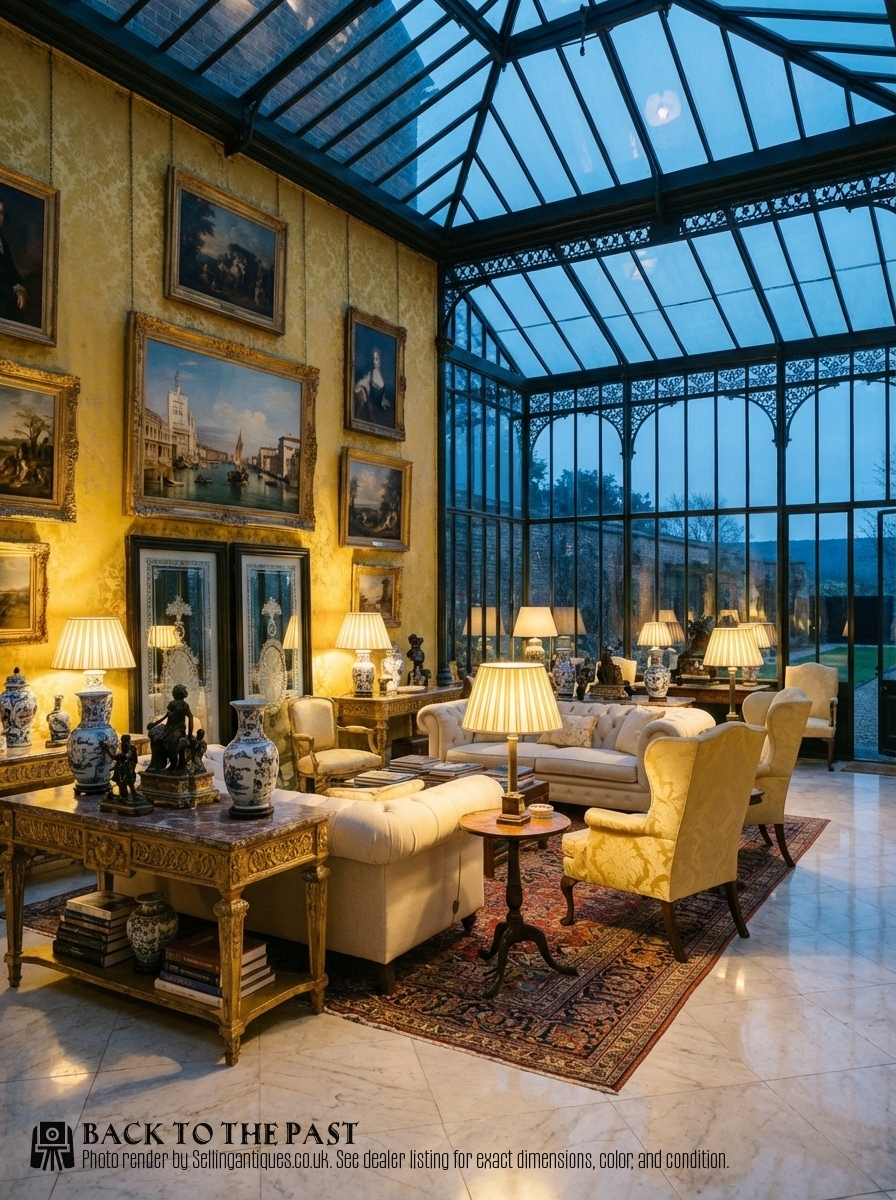
Antique Etched Mirrors
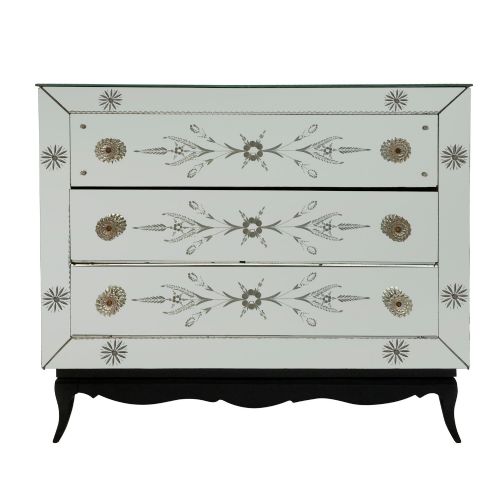
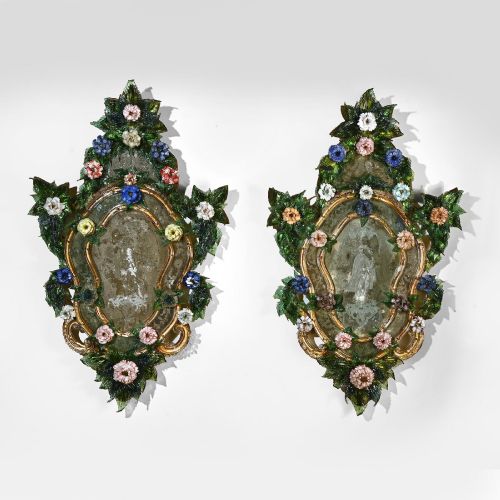
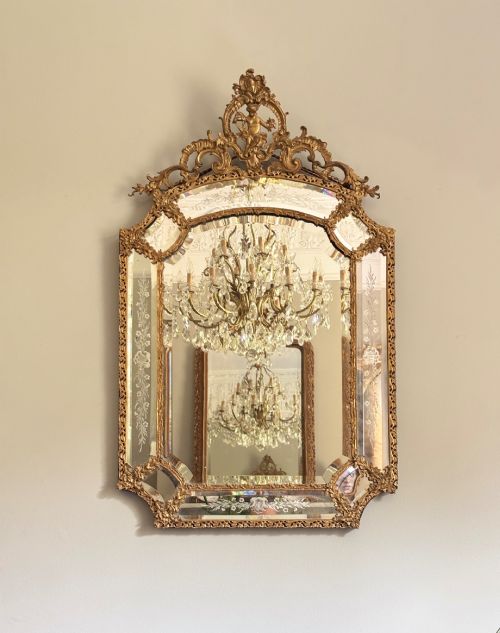
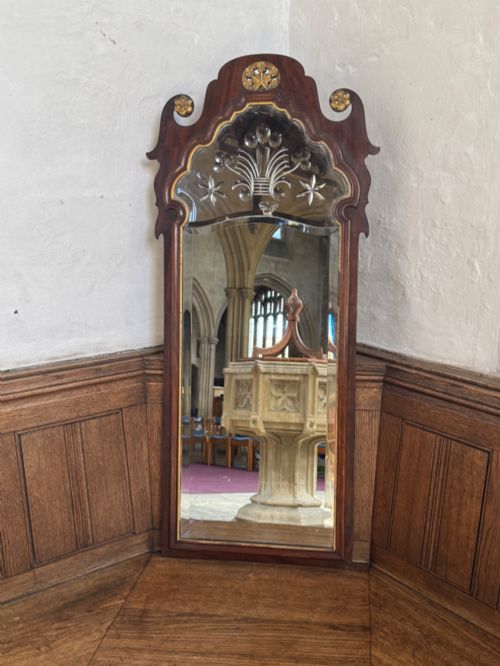
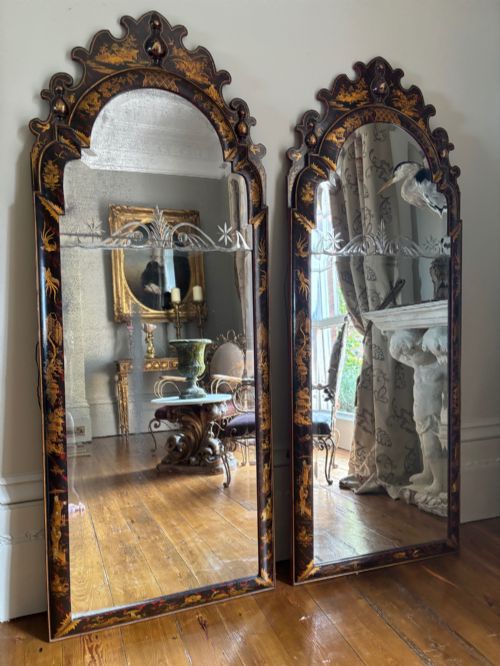
When you search for antique etched mirrors, you encounter a diverse group of wall mirrors, overmantels, trays, and fire screens spanning the nineteenth and early twentieth centuries. Venetian pieces appear frequently, alongside French and English examples from periods such as the Edwardian era and the 1930s.
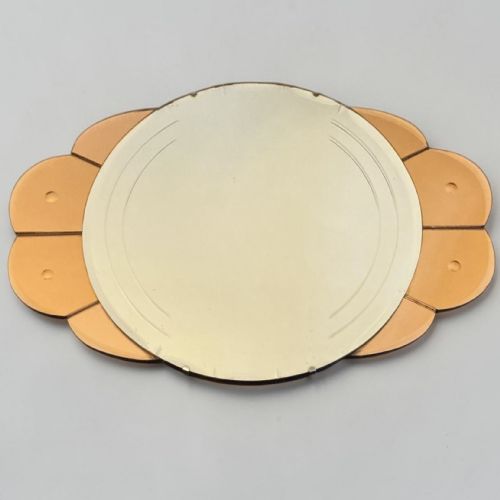
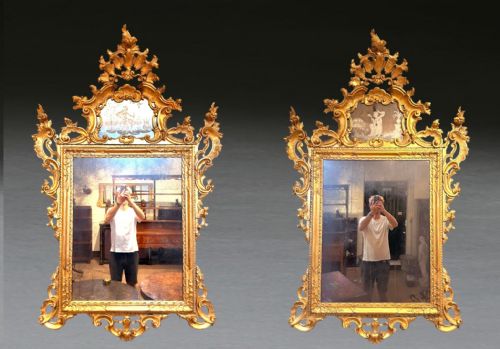
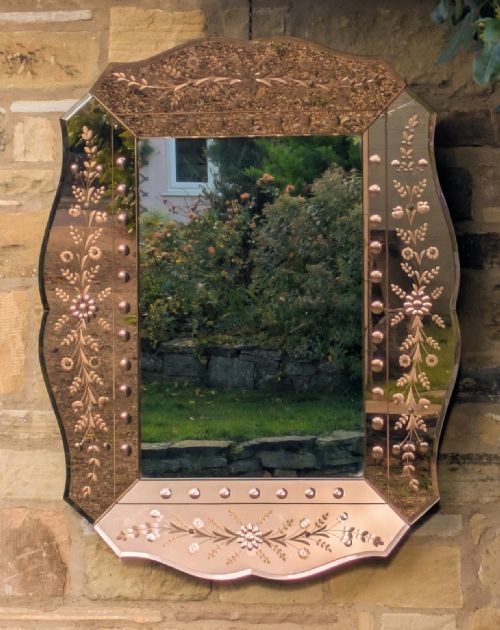
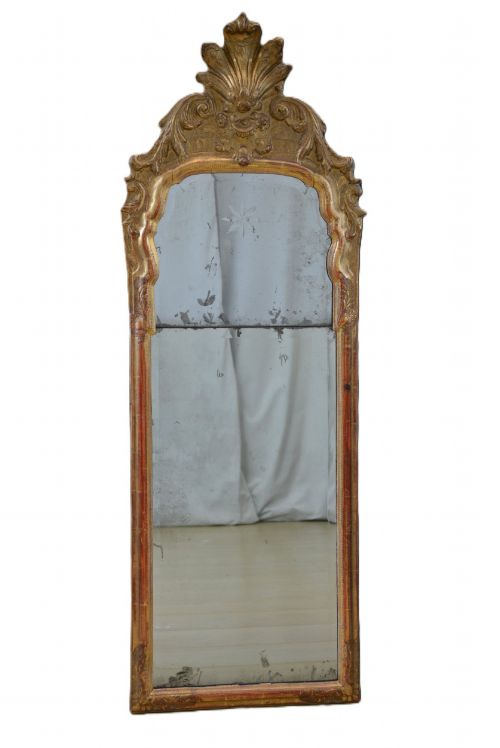
The selection encompasses rectangular plates, arched top forms, and round shapes set within frames of carved gilt-wood, gesso, brass, and mirrored glass. Many items display coloured glass elements, including peach and ruby red borders, or incorporate reverse cutting and engraving.
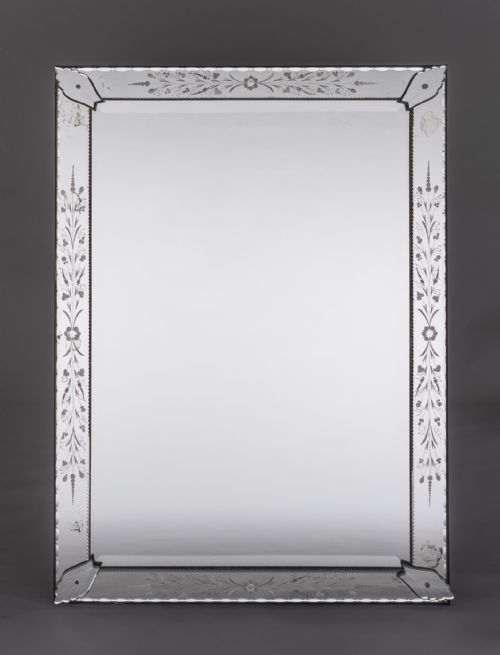
Venetian production heavily influences the selection, bringing cushion mirrors and intricately decorated glass frames into the assortment. Alongside these, English advertising and pub mirrors provide domestic commercial history from around 1900.
Materials and Techniques
Makers utilised glass and silvered glass plates, often set into carved gilt-wood and gesso frames or supported by wooden structures. Brass, metal, and painted wood also feature widely across the selection.
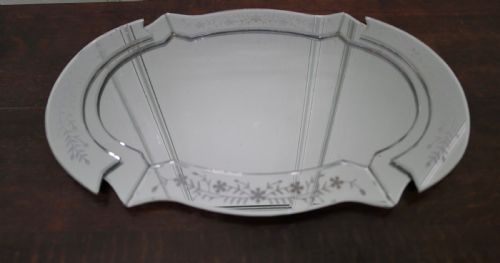
Surface decoration relies on acid etching, engraving, and reverse cutting directly onto the glass plates. Artisans combined these techniques with polychrome highlights and coloured glass sections such as peach and cobalt blue.
Some nineteenth century mirrors started life pouring drinks in Maida Vale pubs before retiring to the living room wall.
Distinctions in Execution
The depth and clarity of the engraved or etched lines separate standard production from superior work. Finer plates display crisp detail in floral motifs or geometric patterns without blurring.
Frame construction also dictates standard, where hand-carved gilt-wood and gesso exhibit greater relief and precision than simpler moulded surrounds.
John Belchier
The Antique Etched Mirrors Glossary
- Cushion mirror
- A mirror featuring a convex or sloping outer frame section made of glass panels that angles inward toward the central plate.
- Reverse cut plate
- A technique where glass is carved from the back to create a low-relief design visible through the front.
- Gesso
- A plaster-like material applied to wooden frames as a smooth base for subsequent gilding or painting.
- Pier mirror
- A tall, narrow mirror traditionally hung on the wall space between windows.
- Overmantle
- A large mirror designed specifically to sit directly above a fireplace mantel.
Antique Etched Mirrors: Frequently Asked Questions
How do I date an antique etched mirror?
Dating relies on combining the style of the frame, the framing materials, and the execution technique of the glass plate. Periods represented range from the Victorian era through the Edwardian years and into 1930s Art Deco.
Examining the reverse side of the glass and the composition of the wood or gesso helps confirm the manufacturing era. Comparing stylistic influences like Venetian or Baroque revivals provides further chronological context.
Where should I hang an overmantle mirror?
Overmantle mirrors find their traditional home directly above a fireplace mantelpiece, anchored securely to the wall. Their large scale allows them to anchor a room and reflect surrounding light.
Ensure the wall fixings match the weight of the wooden or gilt frame before installation. Placing them opposite a window maximises their ability to brighten the interior space.
How do I care for antique silvered glass?
Maintenance requires gentle cleaning with a soft, dry microfibre cloth to remove dust without disturbing the surface. Avoid using harsh chemical sprays or abrasive cleaners that can damage the old silvering.
Keep the mirrors away from excessive moisture and direct sunlight to preserve the integrity of the glass and frame. Handle framed pieces carefully by the structure rather than the decorative glass edges.