

Pair Wall Mirrors
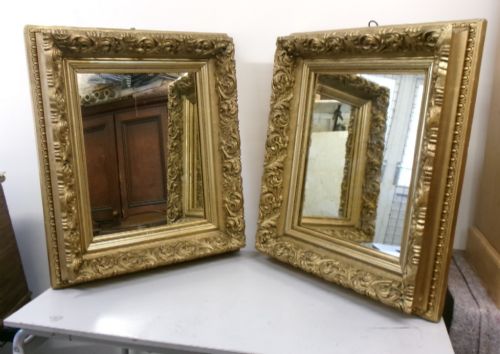
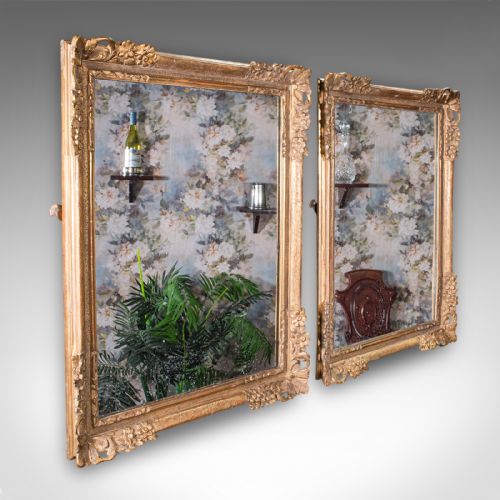
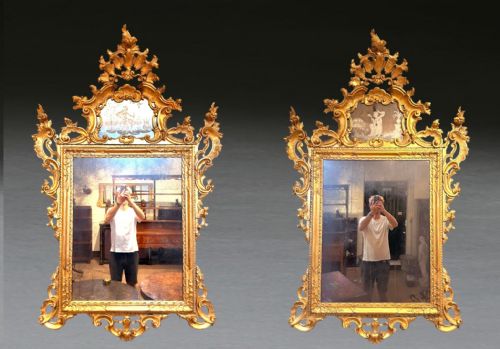
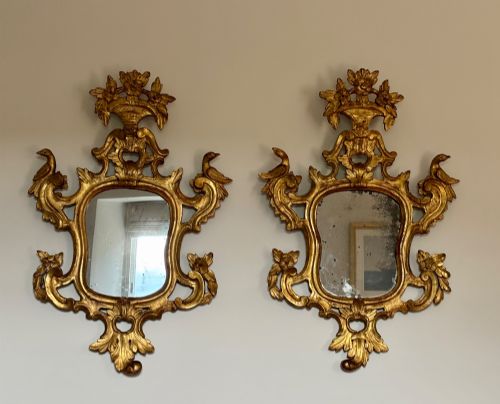
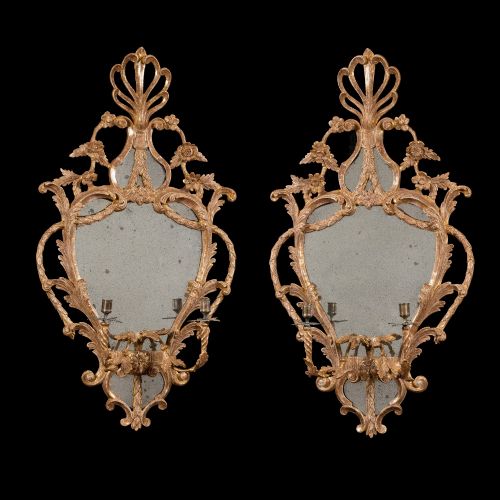
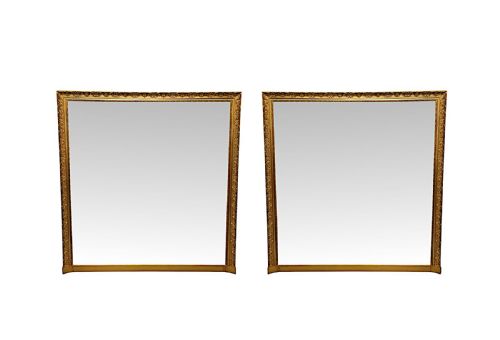
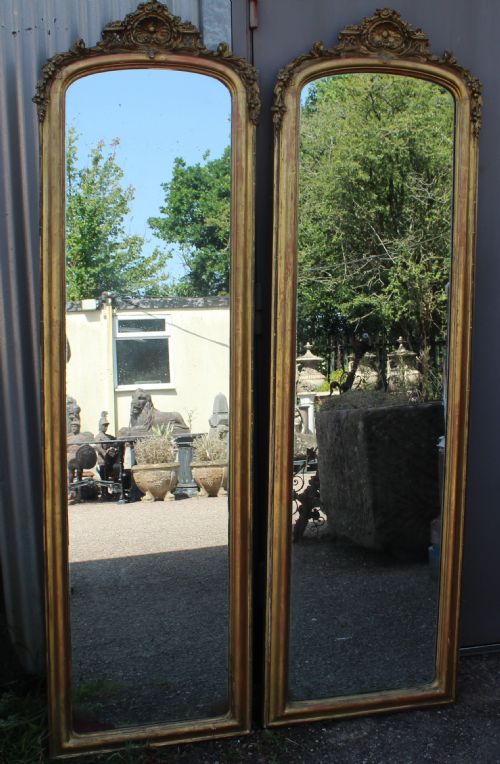
These pair wall mirrors bring symmetry and reflected light to a room, spanning Regency elegance and ornate Victorian revival styles.
The Nature of Pair Wall Mirrors
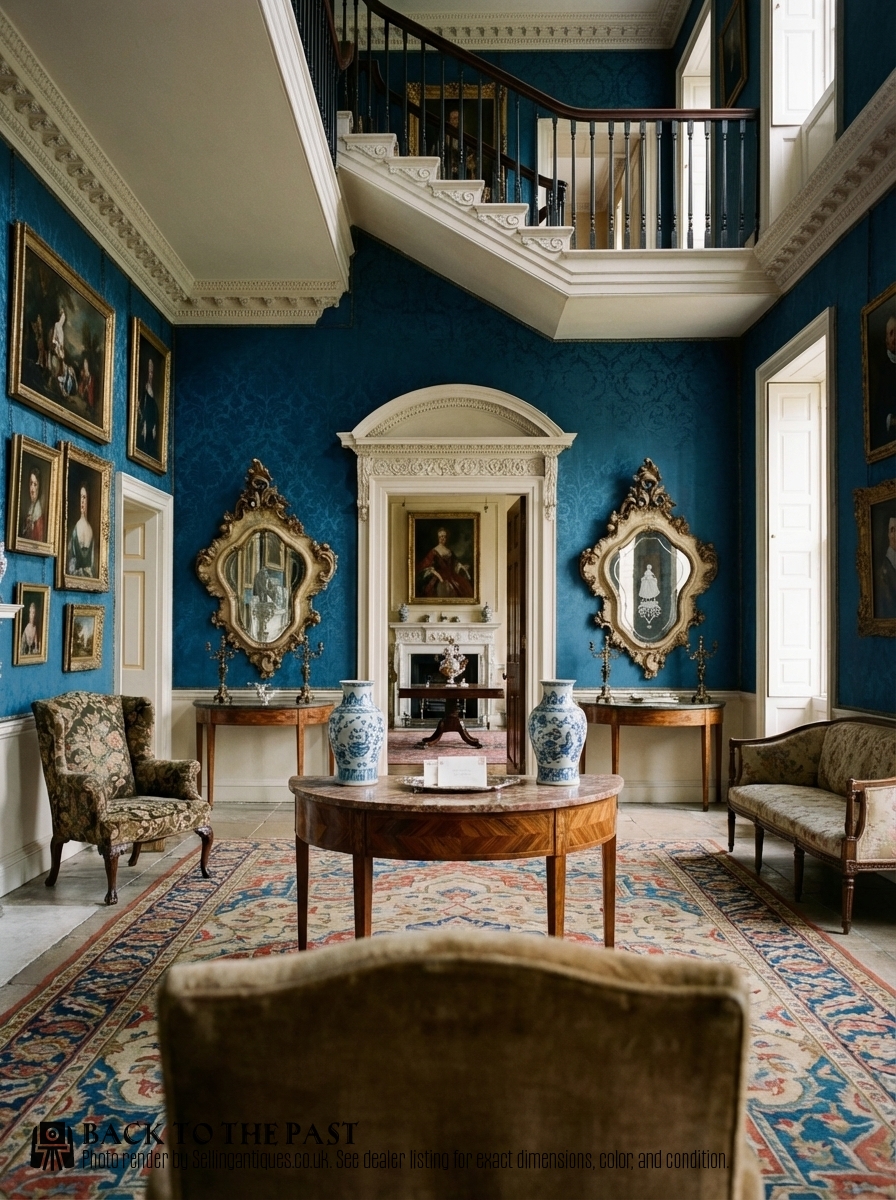
Pair wall mirrors serve both decorative and practical functions, bringing symmetry to domestic interiors by reflecting light and space. When searching for pair wall mirrors, buyers encounter a wide variety of domestic forms designed to anchor a room.
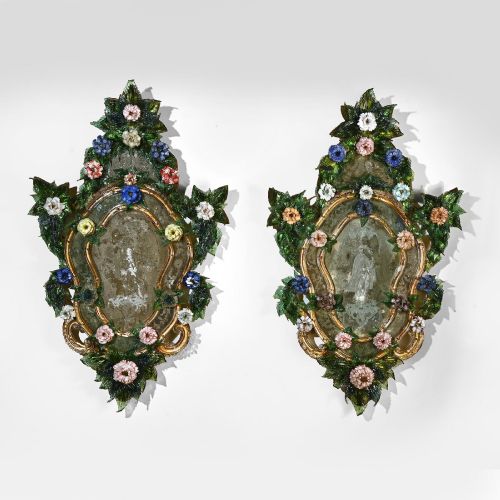
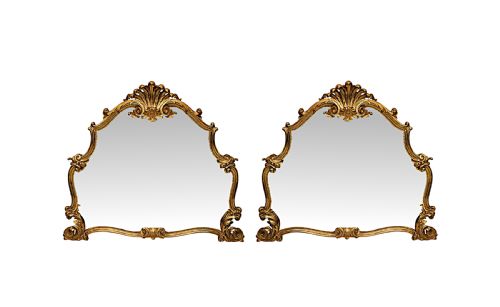
The pieces listed here span several distinct periods, most notably the nineteenth century, Regency era, and Edwardian period. Styles range from restrained Georgian designs to exuberant Rococo Revival, Venetian, and Gothic revival interpretations.
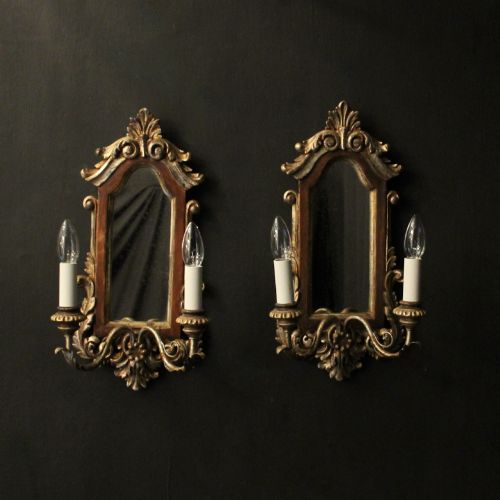
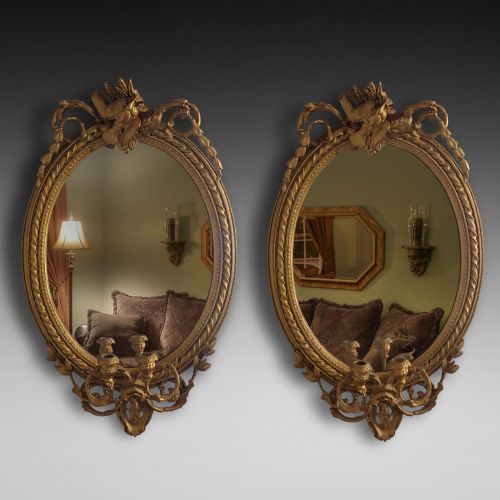
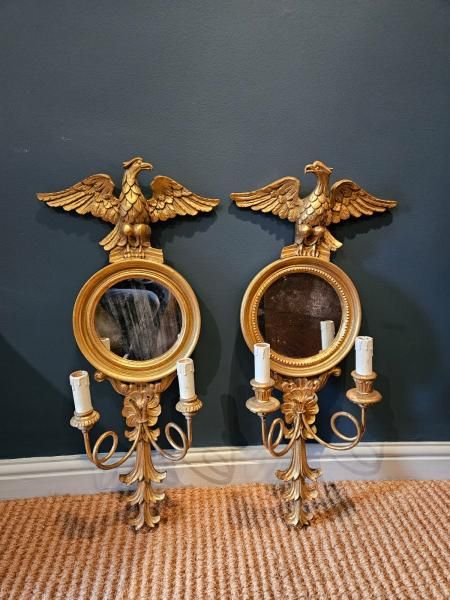
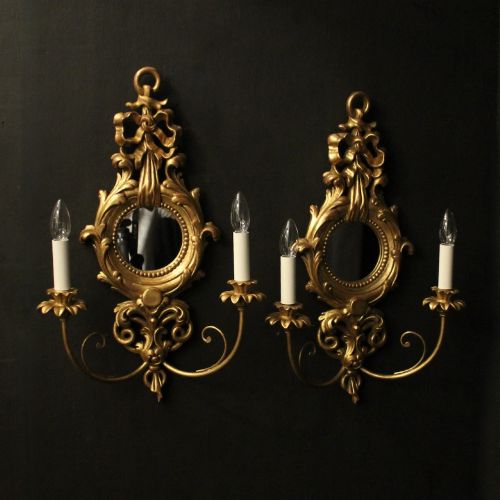
Makers utilised diverse regional influences, producing English, French, and Italian examples. Common formats include pier mirrors, convex girandoles with candle sconces, and full-height dressing glasses.
Distinctions in Quality
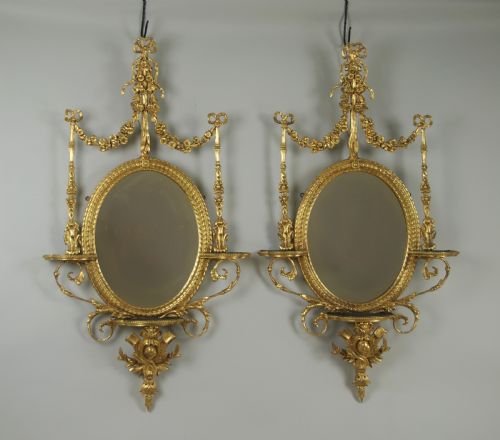
Quality rests in the depth and crispness of the wood carving, where hand-tooled ornament on giltwood or gesso surpasses mechanical repetition. Superior pieces retain their original surface finishes, whether burnished gold leaf, hand-painted polychrome, or layered japanning.
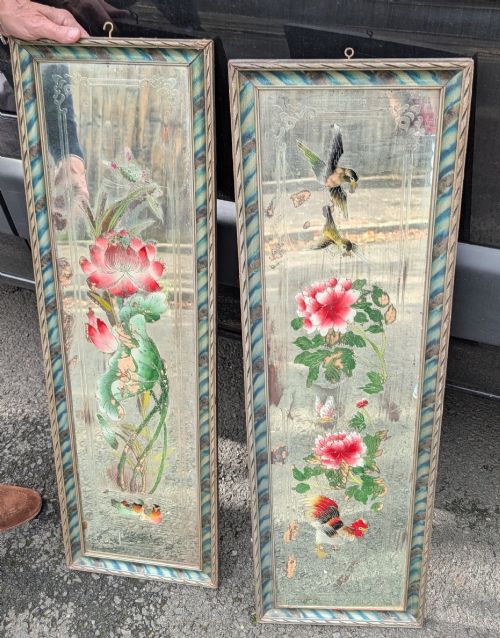
The integrity of the mirror glass itself alters the visual weight, with original mercury or early silvered plates showing subtle foxing that distinguishes period items from modern replacements. Proportion, weight of timber, and the harmony between the two matching frames dictate the standing of any given set.
Retail Price Guide 2026
Typical UK retail prices for pair wall mirrors, calculated from the Sellingantiques database of over a million retail prices indexed since 2003. This retail price guide relies exclusively on Sellingantiques data; no external sources or auction records are used, so the figures do not describe the wider market.
The Pair Wall Mirrors Glossary
- Giltwood
- Wood carved and coated with gold leaf. This finish defines the most ornate Regency and Rococo Revival examples.
- Girandole
- A wall mirror featuring attached candle sconces. These fixtures multiply reflected light through mounted candles.
- Japanning
- European imitation of East Asian lacquerwork. This technique produces glossy red or black surfaces decorated with raised gilt motifs.
- Pier glass
- A tall mirror designed to hang on the wall space between windows. These pieces often coordinate with console tables placed below them.
- Gesso
- A plaster mix applied to wood frames to create a smooth base for gilding. Intricate relief ornamentation is typically moulded in this material.
Frequently Asked Questions
How do I hang heavy pair wall mirrors safely?
Heavy frames require secure fixings into structural wall studs or solid masonry using rated brackets. Distributing the weight across two stable points prevents twisting on the hanging wire.
Professional mirror hangers utilise dedicated cleats to ensure large giltwood or mahogany frames remain flush and secure against the plaster.
Where should I place pair wall mirrors in a room?
Matching mirrors work best when hung opposite windows to maximise daylight or positioned symmetrically above mantelpieces and sideboards. This arrangement creates a balanced focal point that expands the visual depth of the interior.
Placing them flanking a central piece of furniture or a doorway maintains architectural symmetry throughout the space.
How can I tell a Regency mirror from a Victorian revival piece?
Regency mirrors often feature restrained classical motifs such as ball-stud frames, reeded pilasters, and convex glass plates. They reflect the early nineteenth-century preference for austere elegance derived from antique models.
Victorian revival pieces, including Rococo and Second Empire styles, lean towards heavier, more exuberant carving and complex asymmetrical scrollwork.
Should I replace aged or foxed mirror glass?
Original mirror glass with light foxing and oxidation preserves the authenticity and age of the piece. Collectors value these honest signs of antiquity over pristine modern replacements.
Replacement glass is generally reserved for situations where severe degradation completely obscures the reflection.