

Georgian Pier Glass
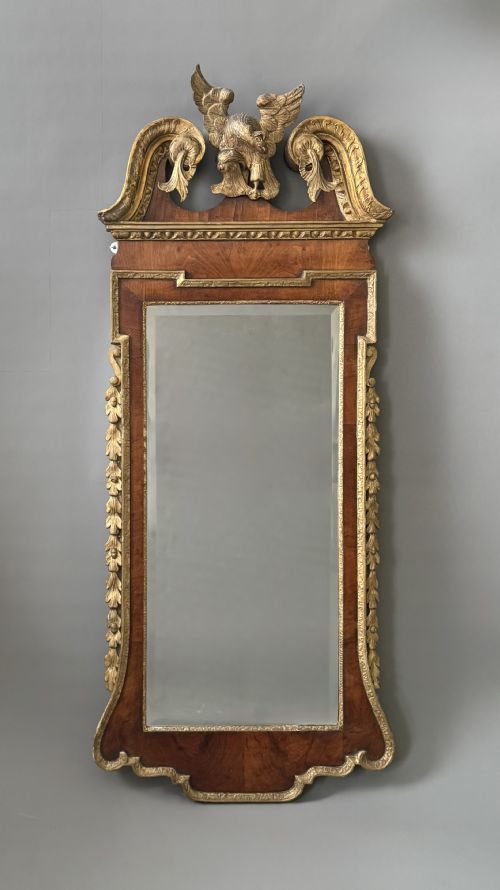
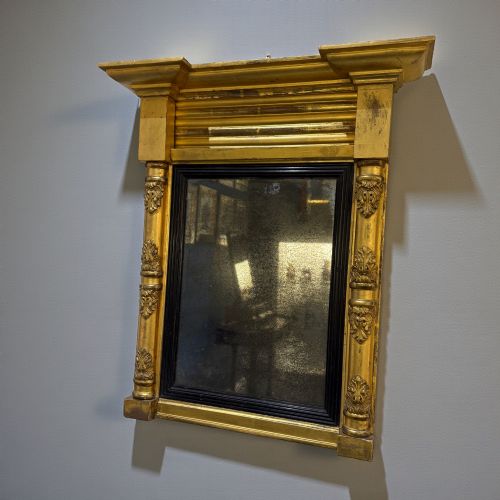
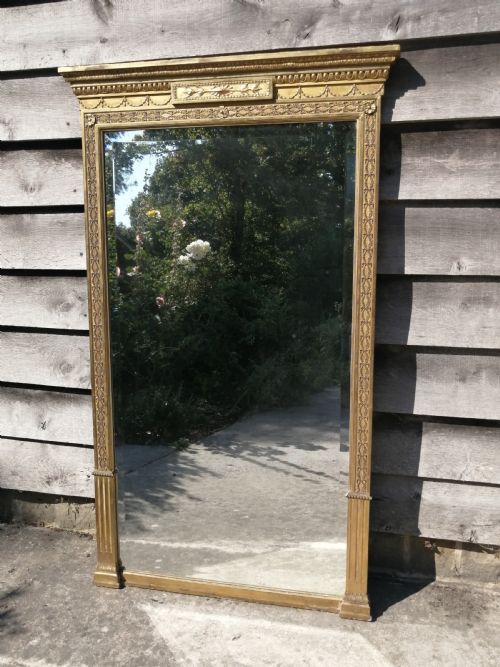
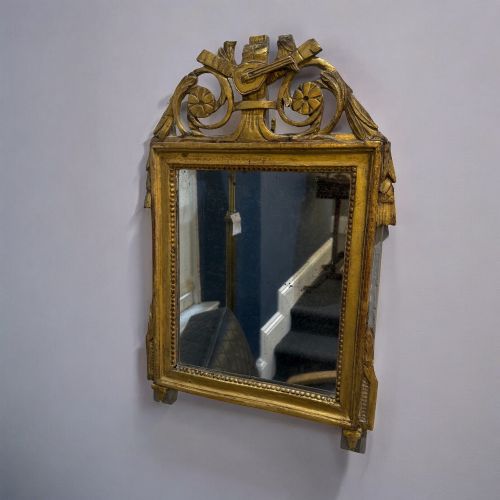
A georgian pier glass brings vertical light and refined proportion into a room, framed in rich mahogany, walnut, or layered gesso and giltwood.
Georgian Pier Glass
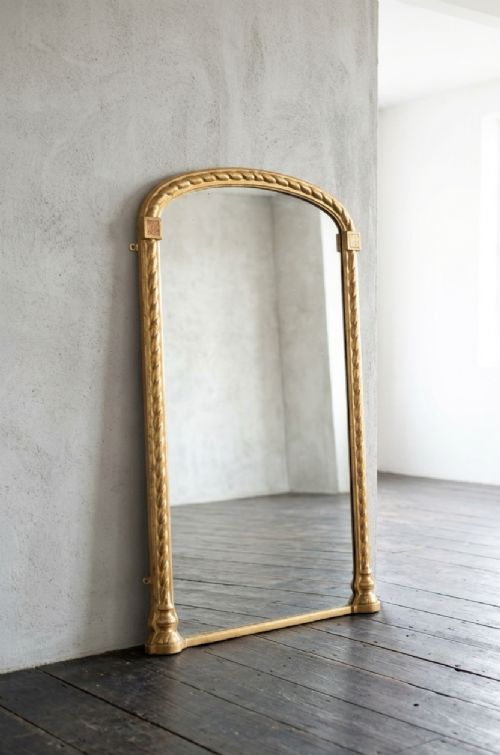
A georgian pier glass is a tall, narrow mirror designed specifically to hang on the wall space, or pier, between two windows. These pieces reflect ambient daylight deeper into the apartment or parlour, serving both a functional and an architectural purpose.
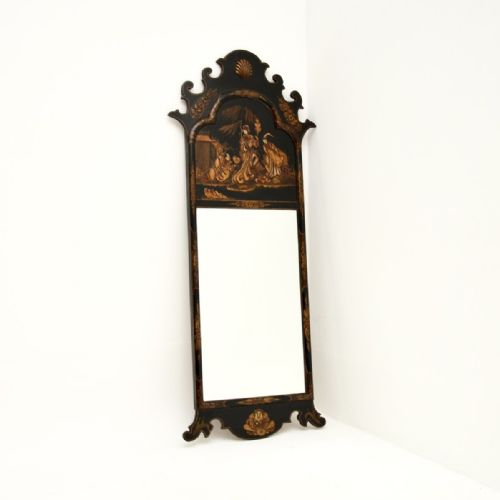
The versions met most frequently on this page span the eighteenth and nineteenth centuries, taking the form of upright wall mirrors, pier mirrors, and occasional overmantle variants. They display the prevailing aesthetics of the Georgian, Regency, and Neoclassical periods, alongside later revivals.
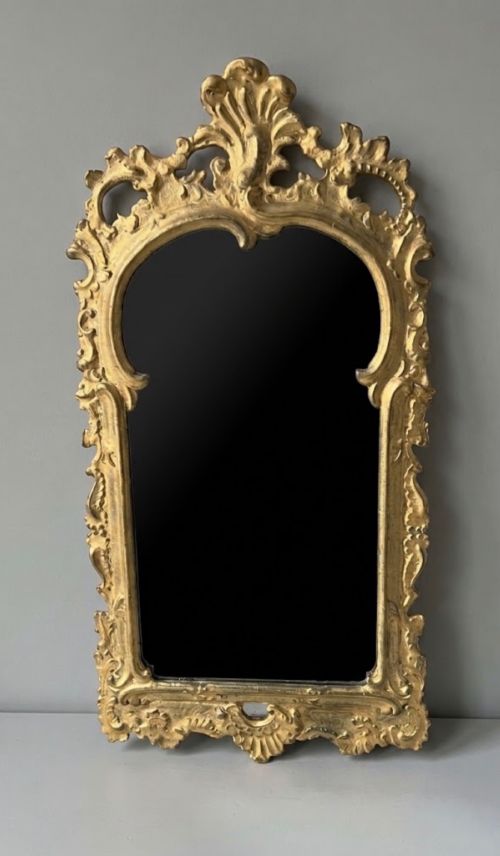
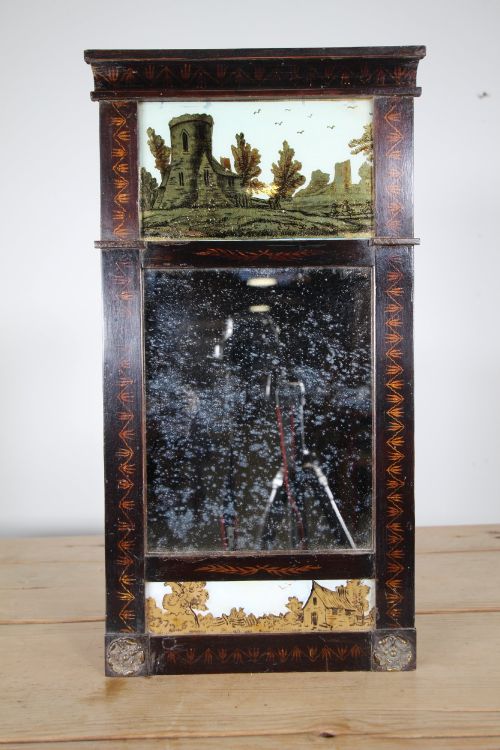
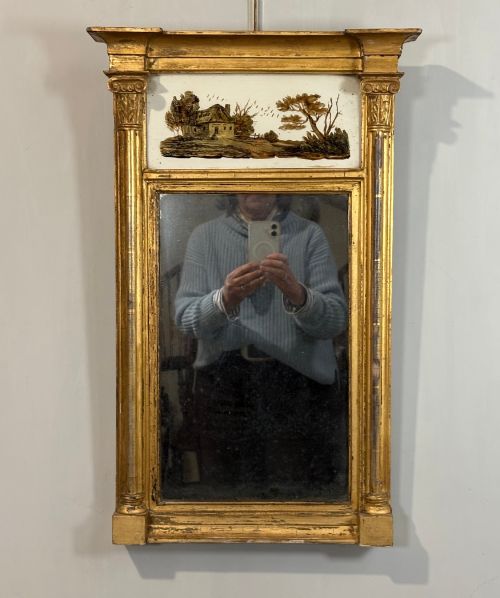
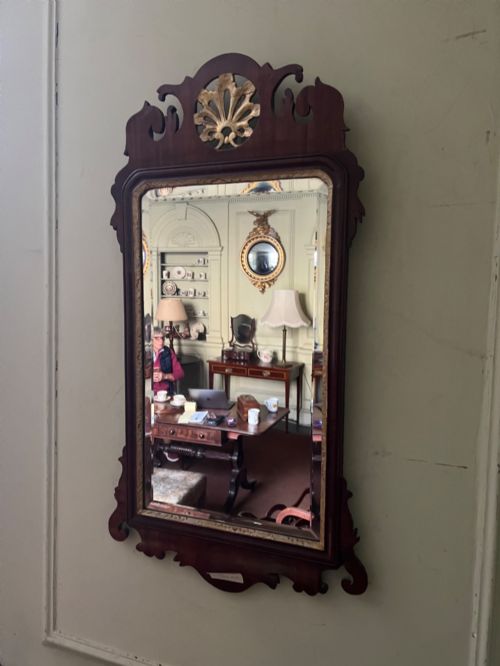
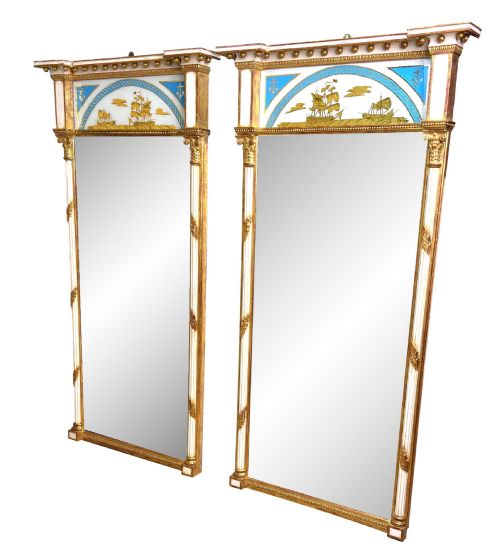
Makers utilised distinct regional timbers and finishes, producing everything from simple mahogany fretwork frames to elaborate giltwood designs featuring verre eglomise panels or carved details. Each piece reflects the decorative priorities of its specific decade of production.
Materials and Construction
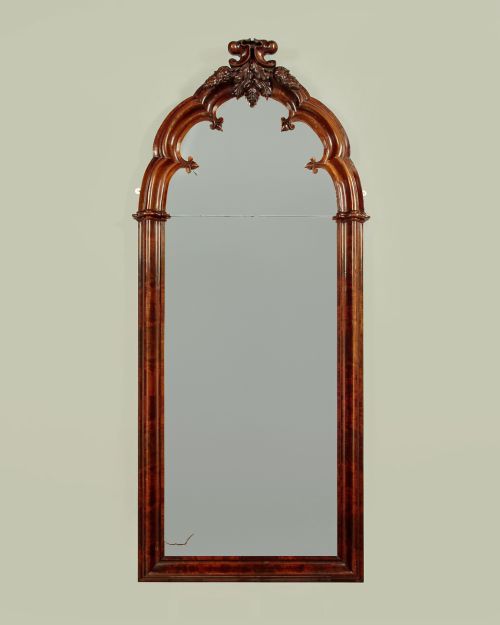
Frames are constructed from dense hardwoods like mahogany and walnut, often ornamented with parcel-gilt details, fretwork cutting, or intricate marquetry inlay. Cabinetmakers shaped solid timber bases before applying decorative veneers and carved motifs.
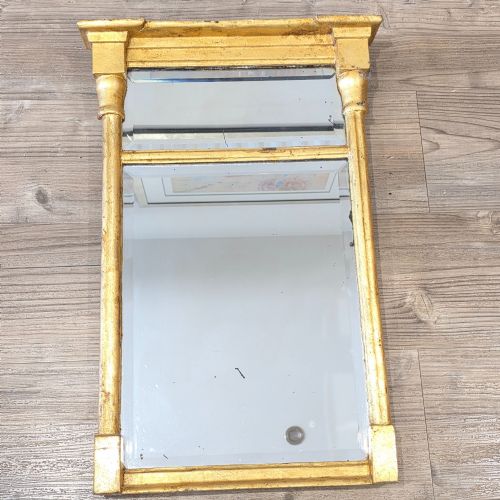
Giltwood and gesso pieces depend on a layered application of plaster over a wooden core, hand-carved and covered in gold leaf to catch the candle or daylight. These surfaces require careful hand-workmanship to maintain crisp architectural enrichment.
Mirror plates consist of early reflective glass, sometimes mercury glass or featuring original plates and reverse cut plates that show authentic age through subtle oxidation and variation in the silvering.
Georgian Pier Glass Retail Price Guide 2026
Typical asking prices for georgian pier glass among the pieces listed under this phrase on Sellingantiques today, from the lower quarter to the upper quarter. They describe what is for sale here now, not the wider market.
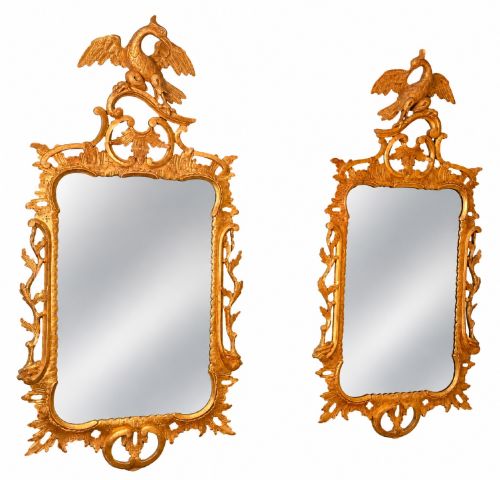
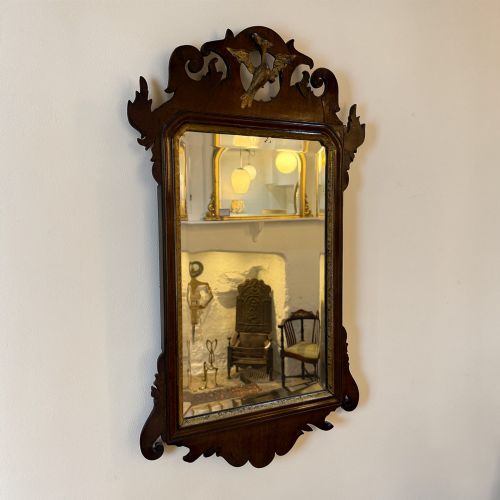
Several mirrors feature hand-cut hoho birds perched atop fretwork frames, watching over centuries of interior reflections.
Evaluating Quality
Quality rests upon the crispness of the hand-carving and the depth of the timber or gilding. Superior examples display sharply defined fretwork, delicate parcel-gilt accents, and harmonious proportions suited to architectural wall spaces.
The integrity of the glass plate contributes significantly to the piece. Original mirror plates with genuine silvering or period verre eglomise panels hold more historic weight than later replacements.
Construction methods distinguish standard work from master craftsmanship, visible in the joinery of the wooden frames, the weight of the gesso application, and the preservation of original backing boards and fixings.
Gillows Of Lancaster·William Kent·John Belchier
The Georgian Pier Glass Glossary
- Pier glass
- A tall wall mirror designed to hang between windows. This specific form maximised natural light in period rooms.
- Gesso
- A plaster mixture applied to wood frames as a base for gilding. Craftsmen carved intricate details into this dried surface before applying gold leaf.
- Verre eglomise
- A cold-painting and gilding technique on the reverse of glass. It introduces decorative borders or pictorial panels to the top of the mirror.
- Parcel-gilt
- Partially gilded woodwork where gold leaf highlights specific carved elements against a dark wood or painted ground.
- Fretwork
- Thin wood panels cut with intricate geometric or organic patterns using a fretsaw. This technique defined many eighteenth-century mahogany frames.
Georgian Pier Glass: Frequently Asked Questions
What is a georgian pier glass?
A georgian pier glass is a tall, vertical wall mirror historically positioned on the narrow wall between two windows. These pieces were built to amplify natural light and complement the symmetrical interior architecture of the period.
The form encompasses various regional styles, ranging from mahogany fretwork frames to elaborate giltwood designs adorned with carved motifs or painted glass panels.
How were pier glasses used in period homes?
In eighteenth and nineteenth-century interiors, these mirrors hung in drawing rooms, parlours, and hallways to bounce daylight around darker corners. Often placed above pier console tables, they created an illusion of greater spatial depth.
Beyond illumination, they served as prominent decorative statements that demonstrated the homeowner's taste through fashionable wood veneers and carved ornamentation.
How do I live with a antique mirror?
Living with these pieces involves mindful placement away from direct, harsh sunlight to protect historic gilding and wooden frames. Secure wall fixings are essential given the weight of timber, gesso, and glass.
Allowing the mirror to anchor a room works best when matched with proportionate furniture, letting the original glass and frame patina become a natural part of the interior.
How do I tell periods apart?
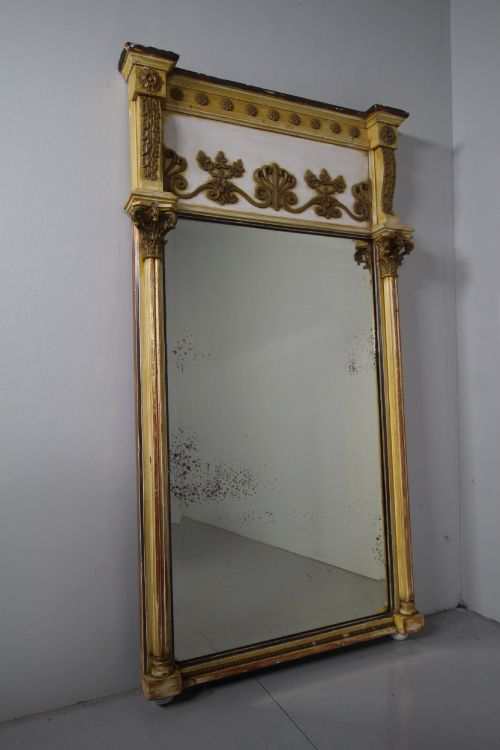
Distinguishing periods relies on observing timber choices, carving styles, and construction techniques. Earlier eighteenth-century pieces often feature walnut or detailed mahogany fretwork, while Regency examples lean towards bold giltwood, architectural columns, and painted panels.
Revival pieces from later eras frequently emulate these earlier designs, though inspection of the backboards, fixings, and glass plate helps clarify the true age of manufacture.