

Architectural Wall Mirror
An architectural wall mirror brings structure and classical proportion into a room, framing light with the discipline of a building facade.
Architectural Wall Mirror
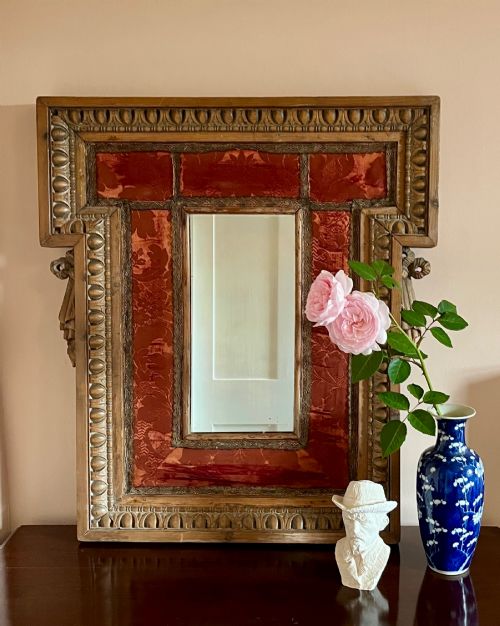
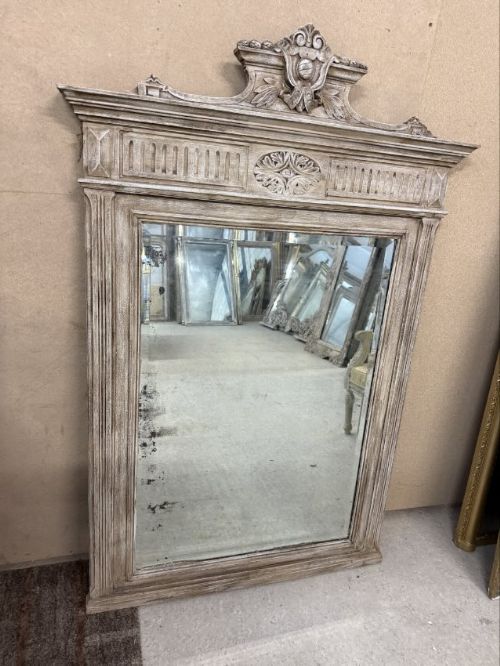
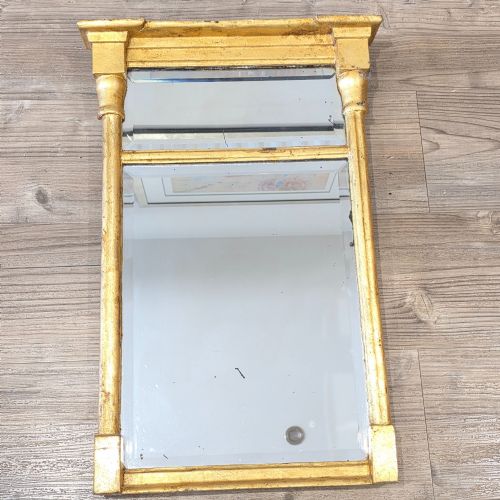
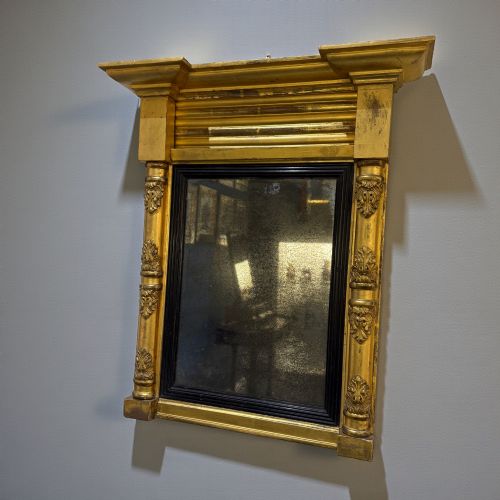
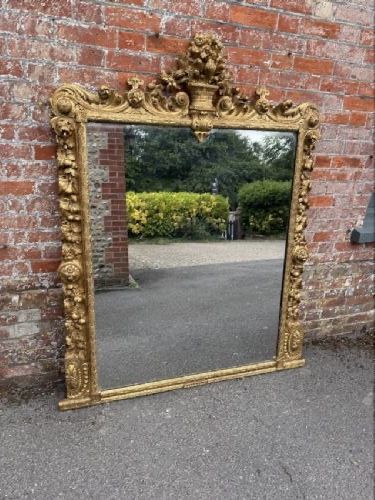
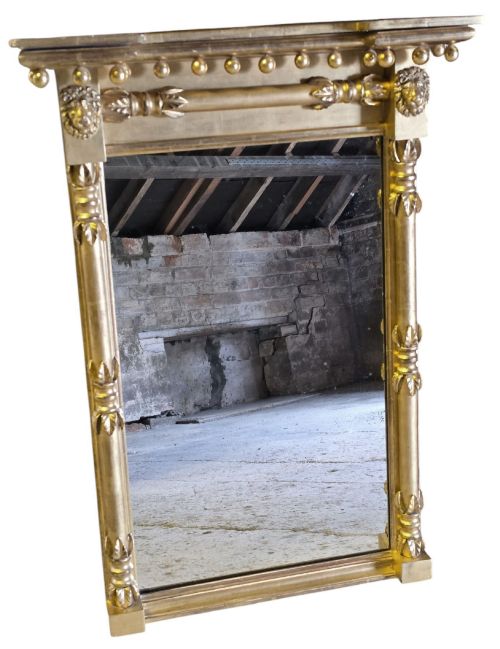
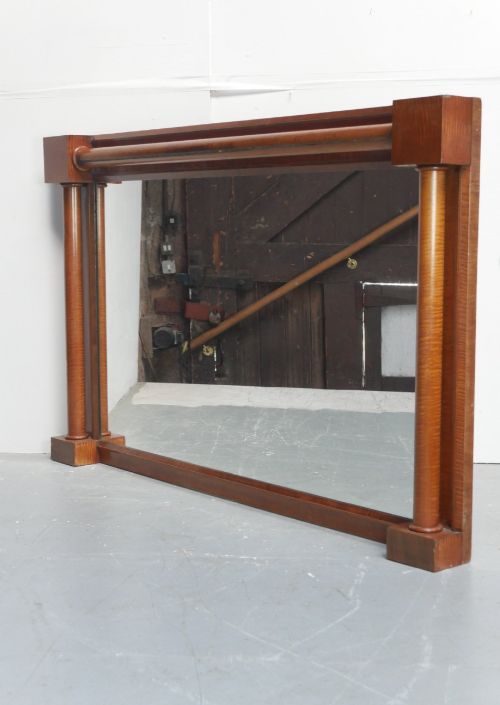
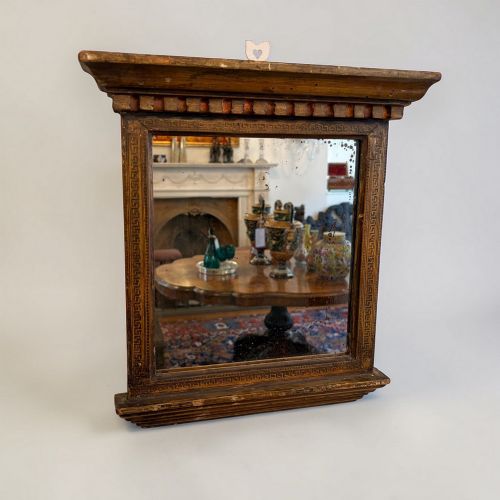
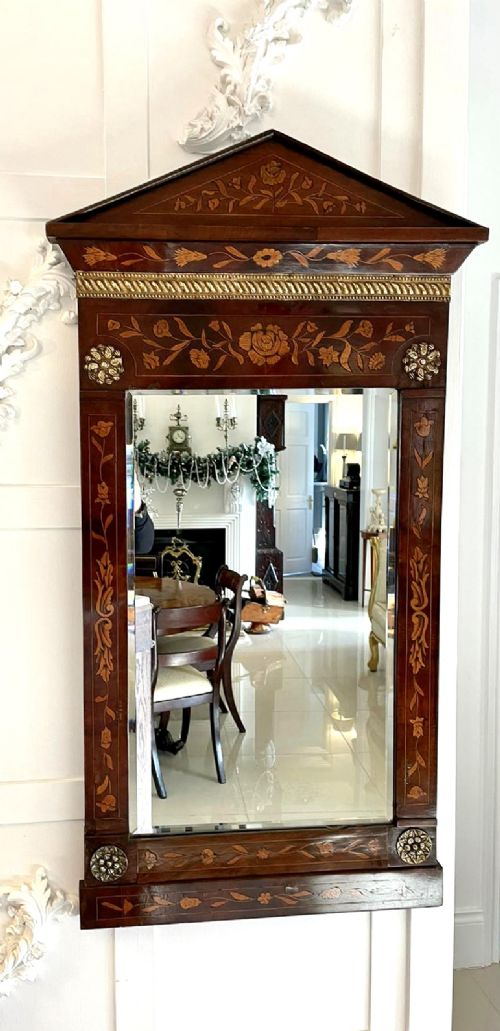
When you search for an architectural wall mirror, you encounter large overmantles, pier mirrors, and wall-hung glasses designed to organise internal space through classical proportions. These pieces draw heavily on Georgian, Regency, and Victorian design traditions, often reflecting architectural motifs like columns, pediments, and arched tops.
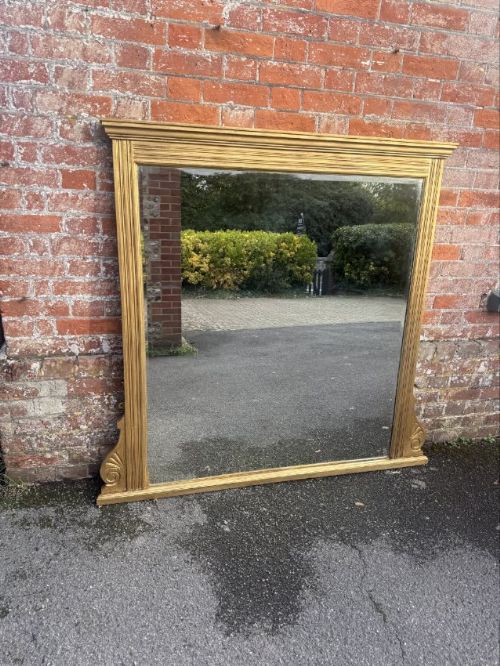
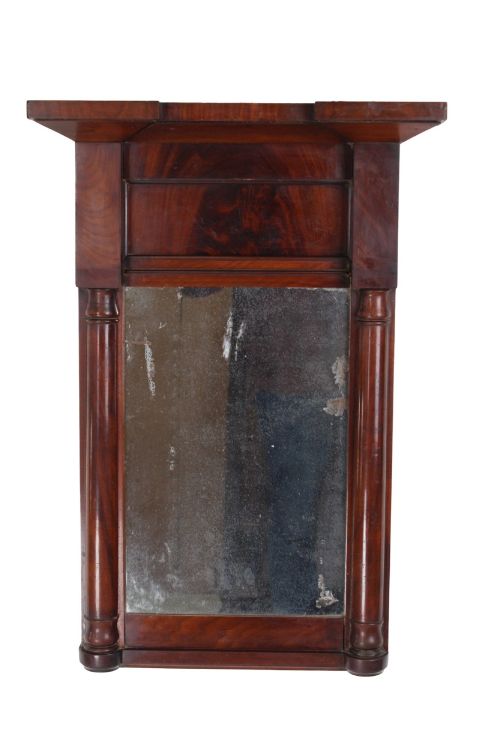
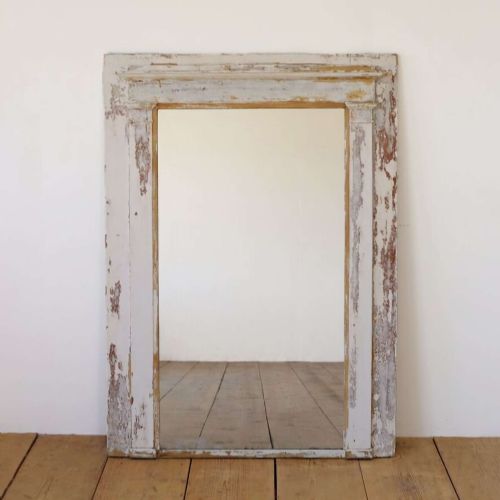
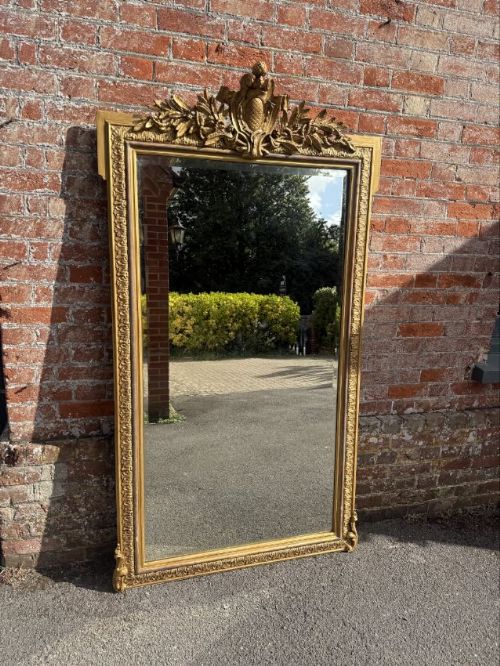
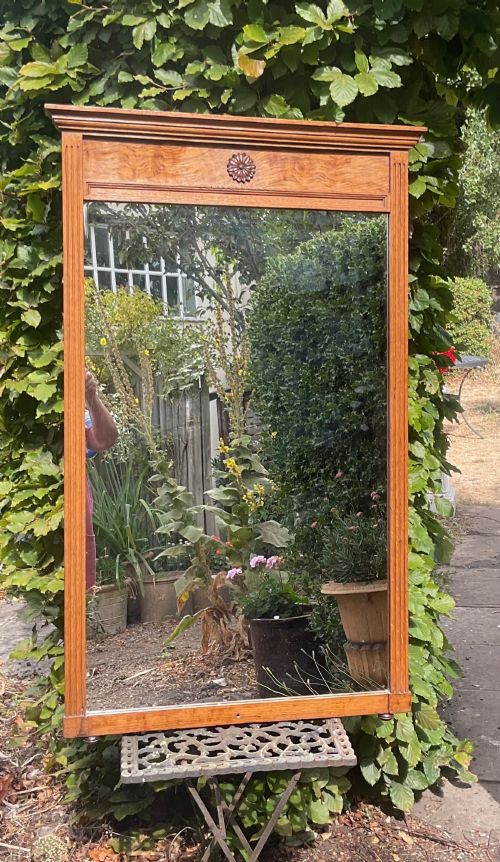
The version you meet most frequently on this page is the 19th-century giltwood overmantle, alongside mahogany and walnut pier mirrors built to sit between windows or above fireplaces. Surviving examples range from substantial country house walnut frames to smaller blonde oak and painted pine pieces from later decades.
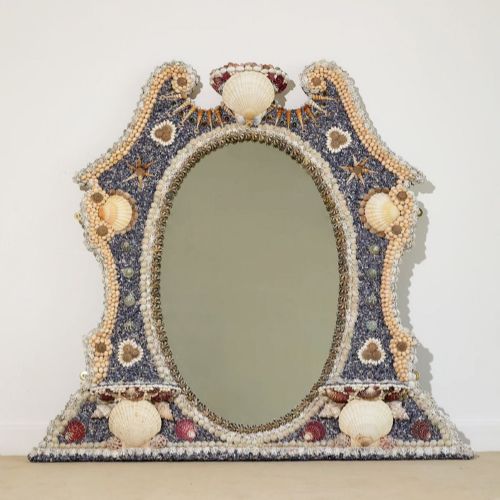
Makers and workshops constructed these objects to anchor a room's decorative scheme, using substantial timber and reflective glass to pull natural light deeper into nineteenth-century interiors. Their formats span austere classical rectangles to heavily ornamented frames carrying neoclassical decorations and verre eglomise panels.
Materials and construction
Carved wood and gesso form the structural core of the gilded pieces, providing a stable foundation for the application of gold leaf and paint. Joinery relied on traditional methods suited to heavy frames, accommodating both original mirror plates and later replacements.
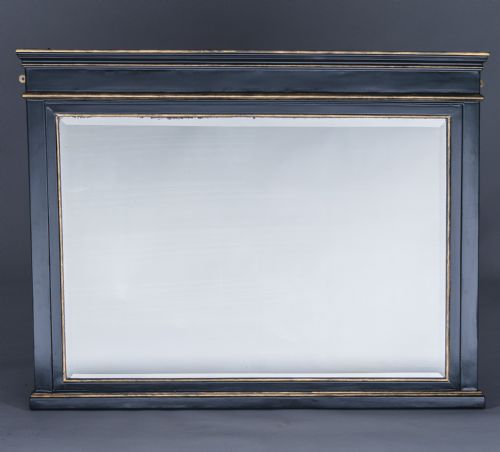
Walnut, mahogany, oak, and rosewood supply the timber for polished and inlaid variants, sometimes accented with parcel gilt details to catch the eye. Ebonised finishes and painted pine also appear among the records, showing the range of treatments applied by period workshops.
Architectural Wall Mirror Retail Price Guide 2026
Typical asking prices for architectural wall mirror among the pieces listed under this phrase on Sellingantiques today, from the lower quarter to the upper quarter. They describe what is for sale here now, not the wider market.
The listings on this page span the 18th century, Regency, Victorian, and Edwardian periods, employing giltwood, mahogany, walnut, and oak.
Distinctions in quality
Depth of carving and the crispness of gesso moulding separate standard framing from exceptional work, particularly on Regency and Victorian gilt pieces where ornamental details can lose definition. The quality of the original glass plate, with its subtle distortions and silvering wear, also contributes to the character of a piece.
Proportion and the handling of timber define the better examples, such as walnut or mahogany frames showing careful grain selection and precise marquetry inlay. Substantial scale combined with balanced architectural elements marks out the more ambitious overmantle and pier mirrors.
The Architectural Wall Mirror Glossary
- Pier mirror
- A tall narrow glass designed to hang on the wall space between two windows. These pieces often sat above low console tables in formal reception rooms.
- Overmantle mirror
- A wide horizontal glass made specifically to fit the mantelpiece above a fireplace. They dominated nineteenth-century domestic interiors and commanded significant wall space.
- Gesso
- A plaster-like mixture applied to wood frames to create a smooth surface for gilding. Skilled artisans carved intricate relief ornament directly into this layer.
- Verre eglomise
- A technique involving cold painting and gilding on the reverse of glass. It appears in borders and panels on Regency mirrors to add decorative contrast.
- Parcel gilt
- A finish where portions of a wooden or painted object are highlighted with gold leaf. This method emphasised specific carved details without gilding the entire surface.
Architectural Wall Mirror: Frequently Asked Questions
Where should I hang an overmantle mirror?
An overmantle mirror traditionally sits directly above a fireplace mantel, anchored to the wall to reflect light and balance the hearth below. Placing it at the correct height ensures it engages with the proportions of the chimney breast.
In modern spaces, these mirrors work equally well above low sideboards or large consoles, provided the wall fixings can support the substantial weight of the timber and glass.
How do I identify a Regency mirror?
Regency mirrors often feature classical architectural elements like reeded frames, ebonised details, and verre eglomise glass panels. They frequently take the form of pier glasses designed for narrow wall spaces.
The influence of French Empire and neoclassical styles appears in the clean lines, giltwood finishes, and occasional use of side columns or ball-turned mouldings.
Are original mirror plates important?
Original glass plates show age through minor foxing, slight silvering loss, and soft distortions that reveal the history of the object. Collectors value these signs of authenticity as evidence of period manufacture.
While many pieces received replacement glass over the centuries, surviving original plates preserve the exact visual character intended by the nineteenth-century maker.
How do I care for a giltwood frame?
Giltwood frames require gentle dust removal with a soft dry brush rather than chemical cleaning agents. The gold leaf and underlying gesso remain sensitive to moisture and abrasive cloths.
Keeping the mirror away from direct sunlight and fluctuating humidity protects the delicate surface and prevents the timber framework from warping over time.
What is the difference between an overmantle and a pier mirror?
An overmantle mirror is proportioned horizontally to fit above a fireplace, filling the wide wall space beneath the ceiling. Its layout reflects the hearth's central domestic role.
A pier mirror is built vertically to occupy the narrow strip of wall between two windows, bringing light further into the room and making efficient use of limited space.