
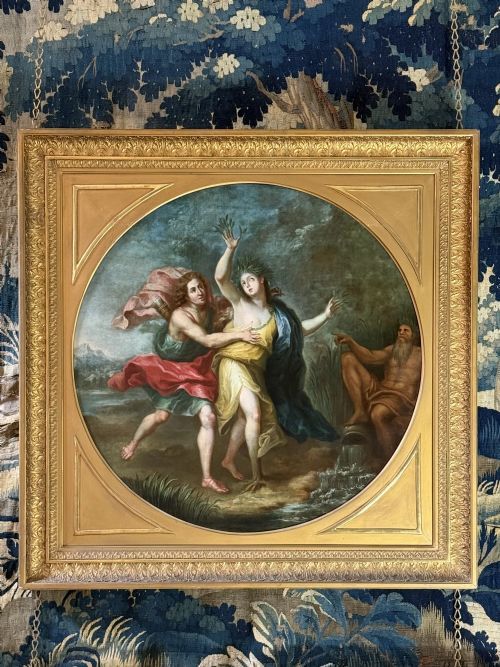
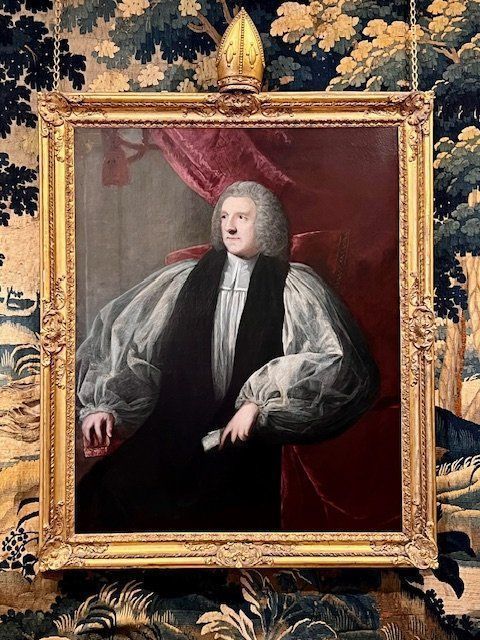
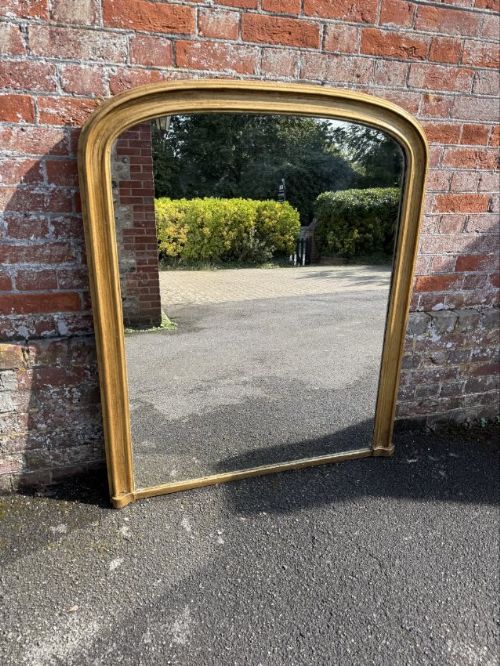
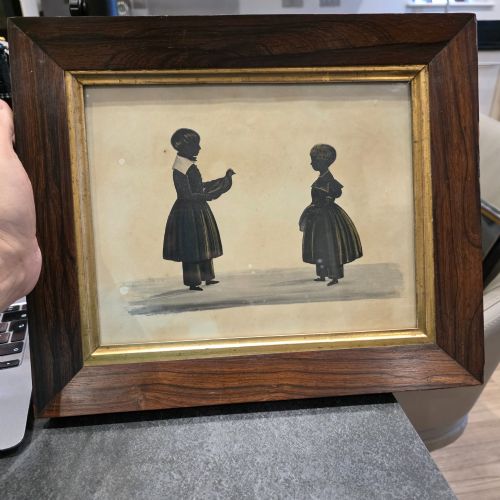

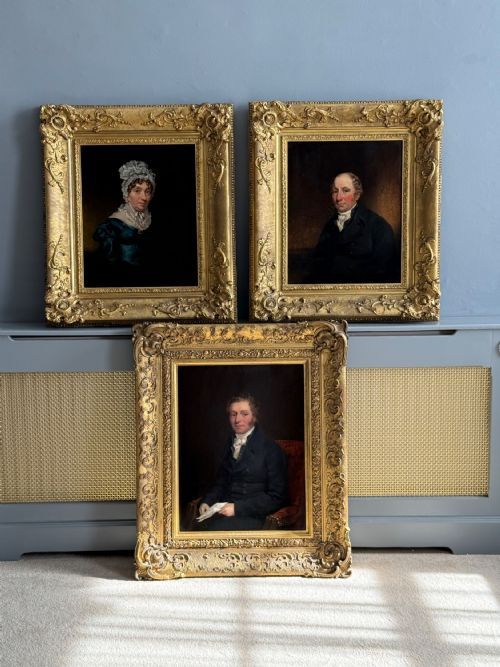
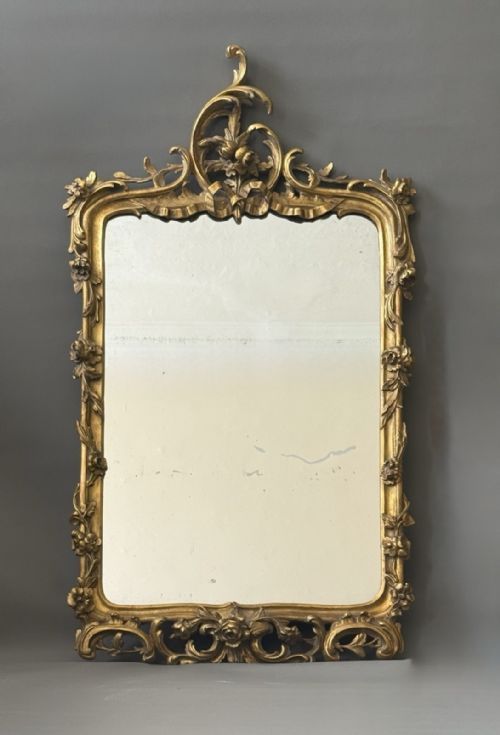
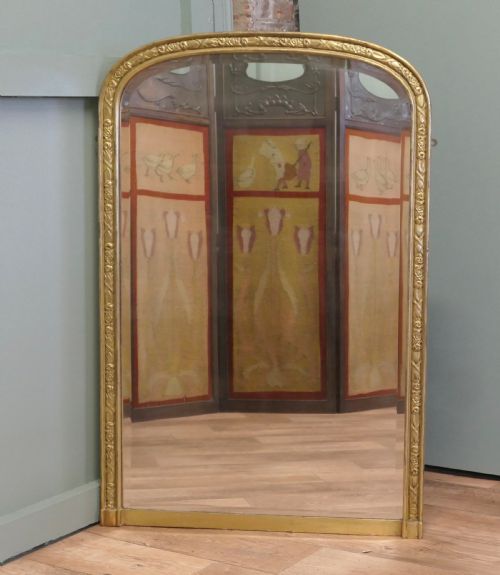
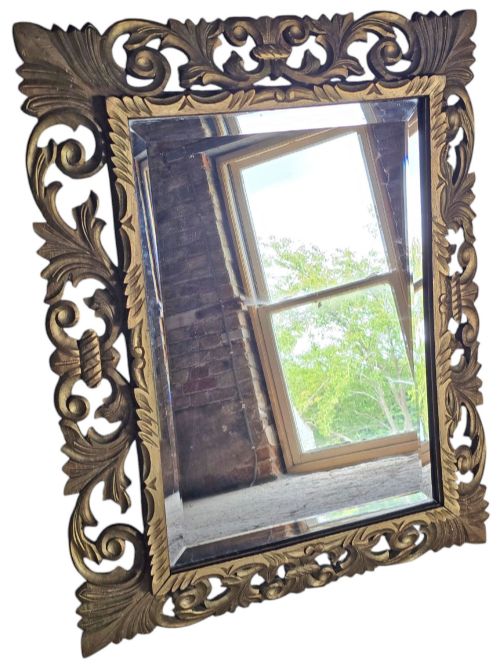
Antique Gilded Frame
An antique gilded frame brings warmth and historic presence to any wall, housing mirrors, portraits, and textiles with enduring style.
Identifying an antique gilded frame
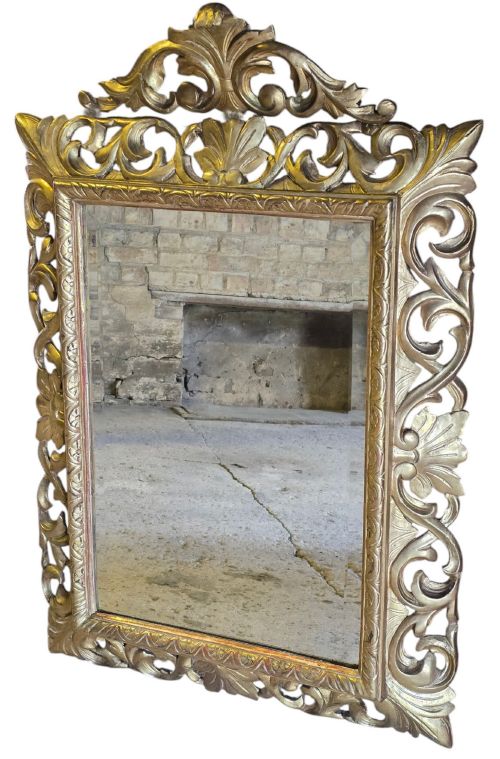
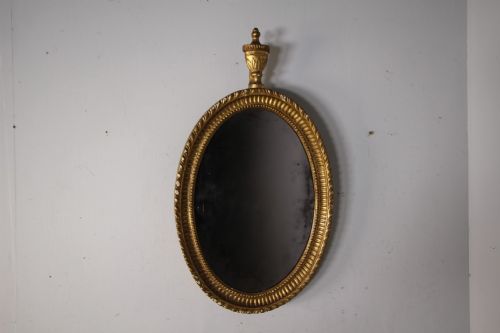
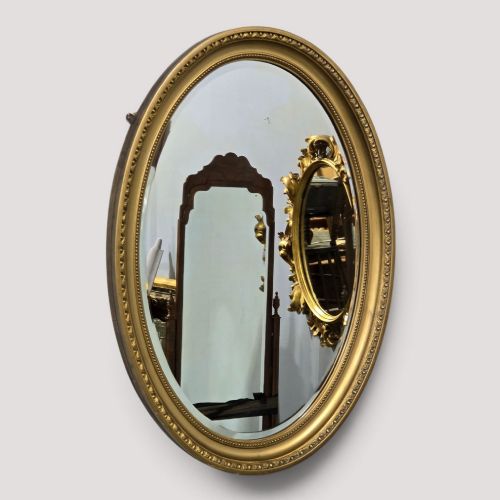
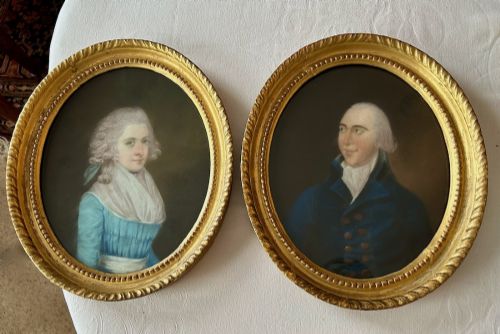
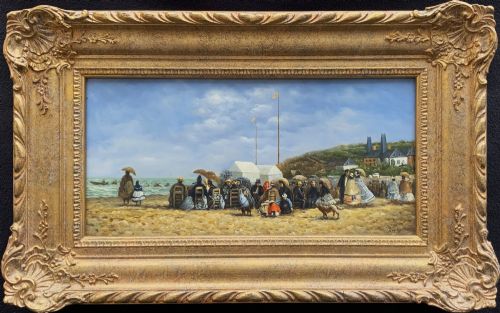
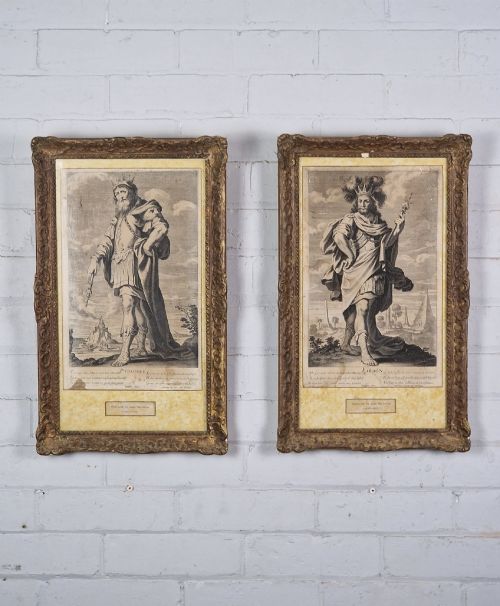
When you search for an antique gilded frame, you encounter a variety of forms including wall mirrors, picture frames, and specialised presentation boxes designed for fans and porcelain plaques. The pieces span several centuries, featuring distinct regional aesthetics such as Florentine, French Chateau, and English Regency designs.
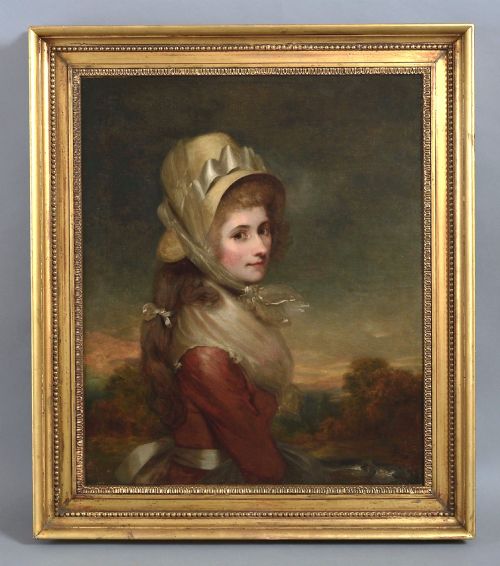
You are most likely to meet 19th-century works on this page, alongside earlier examples and objects decorated with cast bronze, cherubs, or enamel. These items serve either to frame oil paintings on canvas or to function independently as decorative wall mirrors with glass panels.
Materials and construction methods
Craftsmen built the underlying structure from timber, often utilising wood and gesso to prepare a smooth, receptive surface for the application of metal finishes. Many decorative elements rely on composition or cast bronze to achieve intricate relief details like cherubs and floral motifs.
Surfaces receive their golden appearance through methods involving genuine metal application or water gilding, while other pieces incorporate glass, mirror glass, silk, and enamel inserts. Bronze photograph frames frequently utilise hinged stands and velvet backings to support their display.
Retail Price Guide 2026
Typical UK retail prices for gilded frame, calculated from the Sellingantiques database of over a million retail prices indexed since 2003. This retail price guide relies exclusively on Sellingantiques data; no external sources or auction records are used, so the figures do not describe the wider market.
The inventory records French Chateau, Florentine, and English Regency styles alongside portrait paintings and painted fans.
Distinctions in craftsmanship
The division between standard work and superior production rests in the crispness of the carved or cast details, particularly around corners and high-relief ornaments like paste stones and putti. Hand-chased bronze work and deep, layered gilding demonstrate a level of artisan investment that simpler pressed composition lacks.
The integrity of the timber ground and the preservation of the original surface layers dictate the visual impact of the piece over time. Objects retaining their first gilded skin present a more cohesive historic character than those heavily reworked in later eras.
Pierre Mignard·François Jouvenet·Sir Godfrey Kneller·John Closterman
The Antique Gilded Frame Glossary
- Giltwood
- Wood that has been coated with gold leaf or gold paint. This technique forms the primary visual foundation for the most traditional picture frames and mirrors.
- Gesso
- A plaster mixture applied to wood frames to create a smooth surface for gilding. It allows carvers to achieve sharp relief details before the metal layer goes on.
- Composition
- A mouldable mixture of whiting, resin, glue, and linseed oil pressed into shape. Makers utilised this material as a cost-effective alternative to hand-carved wood ornamentation.
- Pier mirror
- A tall mirror designed to hang on the wall between windows. These pieces often reflect additional light into period rooms.
- Water gilding
- A traditional technique applying gold leaf over wet bole using rabbit-skin glue. It allows the metal to be burnished to a high, reflective shine.
Frequently Asked Questions
How do I date an antique gilded frame?
Examine the construction methods of the underlying wood and the composition of the gesso layer beneath the gold surface. Earlier pieces often display hand-carved details, while later 19th and early 20th-century items frequently rely on moulded composition or cast bronze.
Look closely at the fasteners, backing materials, and the style of any artwork or mirror glass housed within. Technological shifts in glass production and framing hardware provide reliable clues regarding the decade of manufacture.
What is the difference between giltwood and composition?
Giltwood refers to solid timber that has been carved directly and then covered in gold leaf. Every decorative flourish on true giltwood is shaped by hand using gouges and chisels.
Composition, by contrast, involves pressing a pliable paste of resin, glue, and chalk into metal moulds before applying it to a simpler wooden backing. This moulded material allowed makers to produce elaborate relief decorations more efficiently.
Can I hang a heavy antique frame safely?
Assess the weight of the timber and glass structure before selecting wall fixings. Large 19th-century mirrors and carved frames require robust brackets secured directly into wall studs or masonry rather than standard plaster anchors.
Verify that the internal joins and hanging loops attached to the frame itself remain secure. Professional framing assistance ensures the weight distributes evenly without straining the historic mitre joints.
How should I clean a gilded surface?
Dust the carvings gently with a soft, dry brush to prevent particulate buildup from abrading the delicate metal leaf. Avoid liquid cleaners, moisture, and chemical solvents, which easily strip historic water gilding or damage vulnerable composition ornaments.
Conservative maintenance preserves the original patination accumulated over centuries. When in doubt, consult a professional conservator specialising in historic frames before attempting any remedial treatment.