





Rope Twist Mirror
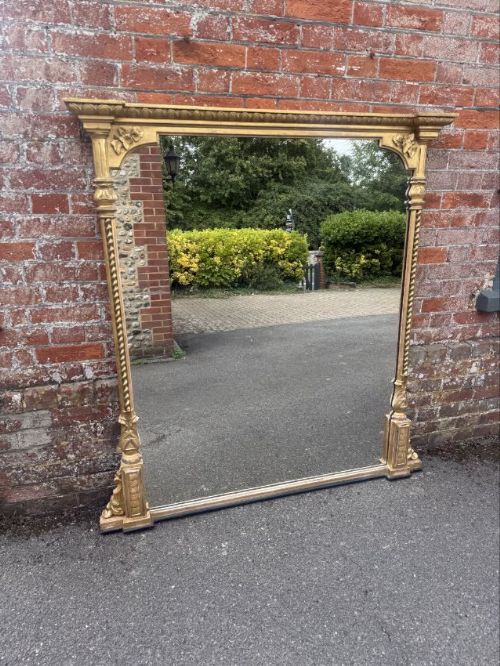
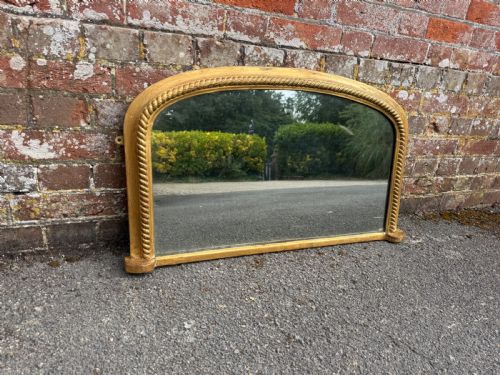
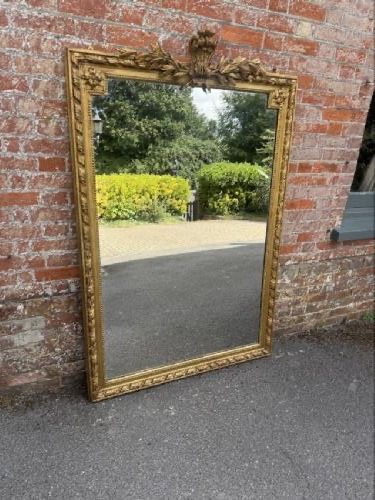
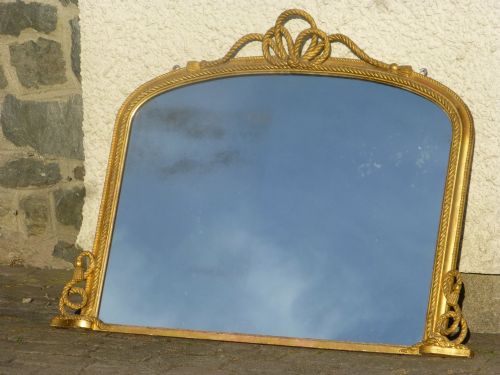
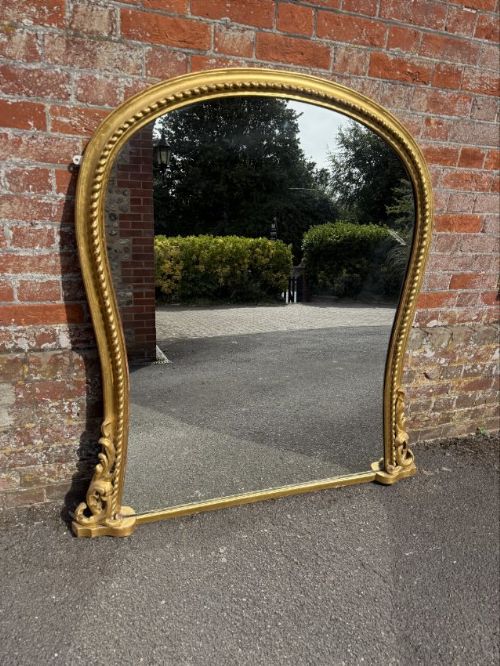
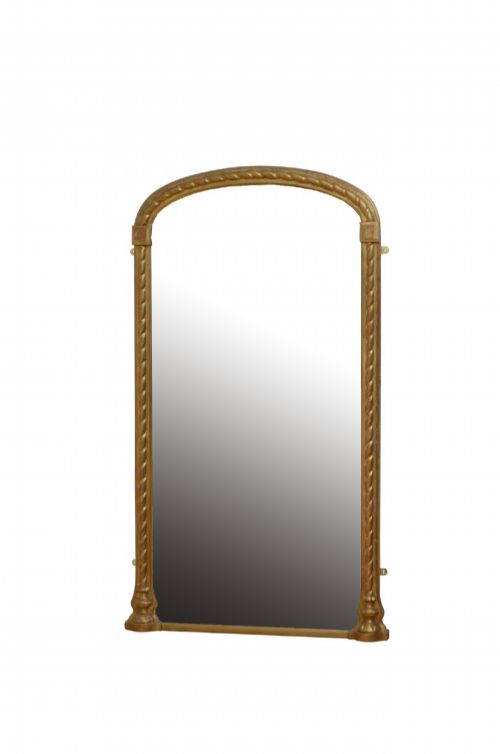
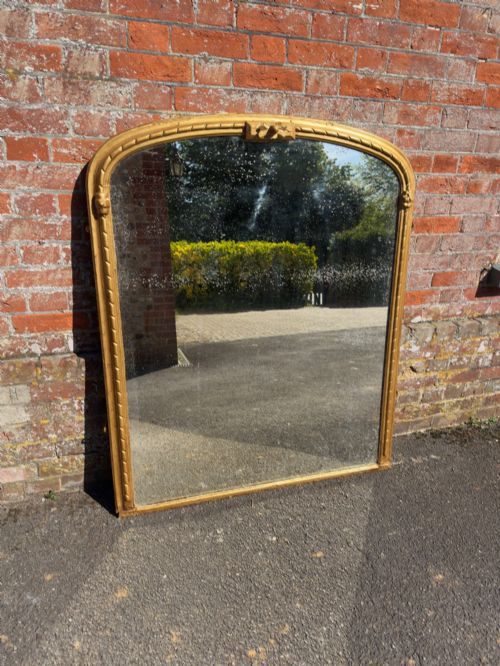
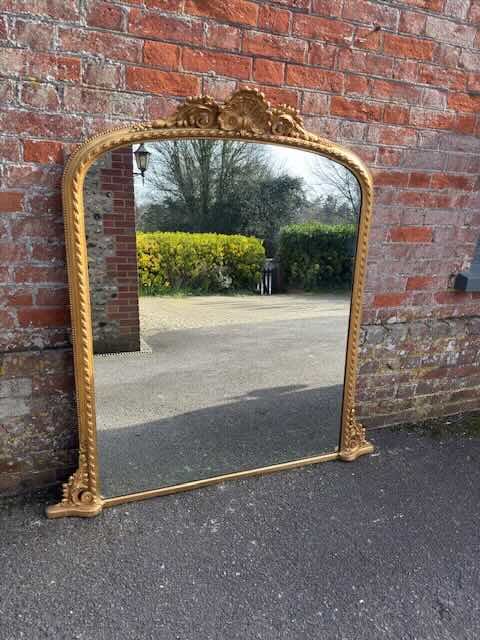
A rope twist mirror brings tactile carved texture and generous proportions to an interior, channelling nineteenth-century craftsmanship into a striking focal point.
Rope Twist Mirror
The selection ranges from grand arched English examples to French chateau pieces, alongside pier mirrors and circular girandoles originating from the Regency and Victorian eras.
Makers and artisans of the period applied these spiral motifs to gesso, carved wood, and gilt surfaces, creating substantial architectural mirrors designed to command a room.
How they were made
Craftsmen shaped the core frames from timber such as pine or carved wood before applying layers of gesso to build up the intricate spiral relief.
Surfaces were then finished with gold leaf, metal gilt, or paint to achieve the reflective, luminous quality prized in nineteenth-century interiors.
Rope Twist Mirror Retail Price Guide 2026
Typical asking prices for rope twist mirror among the pieces listed under this phrase on Sellingantiques today, from the lower quarter to the upper quarter. They describe what is for sale here now, not the wider market.
The inventory encompasses wall mirrors, overmantels, pier mirrors, and girandoles spanning Victorian, Regency, and French design traditions.
What varies in quality
The crispness of the carved rope twist relief and the depth of the underlying gesso moulding distinguish finer examples from simpler production.
Original gilding or period paint finishes retain a depth and patina that later interventions or heavy restorations alter.
The Rope Twist Mirror Glossary
- Gesso
- A plaster-like mixture applied to wood frames to create a smooth surface for carving or gilding. This compound allowed artisans to achieve sharp relief details on rope twist mouldings.
- Overmantel Mirror
- A large mirror specifically designed to hang above a fireplace mantel. These pieces often feature arched or shaped tops suited to nineteenth-century domestic architecture.
- Girandole
- A decorative wall mirror featuring attached candle sconces. The reflective glass works alongside the candles to multiply ambient light in a room.
- Giltwood
- Timber coated with a thin layer of gold leaf or metallic powder. It provides the bright, reflective finish seen on many nineteenth-century frames.
Rope Twist Mirror: Frequently Asked Questions
Where should I hang an overmantel mirror?
These large mirrors traditionally sit directly above a fireplace mantel to anchor the vertical space of a room. Their generous scale allows them to reflect light and expand the feel of the interior.
Ensure the wall fixings are secured properly into studs or masonry due to the substantial weight of carved wood and gesso frames.
How do I identify a nineteenth-century mirror?
Look for construction traits such as hand-carved wooden elements, layered gesso, and original mirror glass with natural ageing or foxing. Period pieces from the Victorian and Regency eras often display distinct proportions and traditional joinery.
Examining the backboards and framing techniques provides further clues regarding the manufacturing date and origin.
What is a pier mirror?
A pier mirror is a tall, narrow glass designed to fit the wall space between windows, known as the pier. These pieces maximise natural light by reflecting illumination from adjacent window openings.
They frequently share the same gilded frames and rope twist motifs found on larger overmantel examples.
How do I care for a gilded frame?
Dust the carved rope twist surface gently with a soft, dry brush to prevent the accumulation of particles in the recesses. Avoid chemical cleaners or moisture, which can damage historic gesso and metal leaf finishes.
Keeping the mirror away from direct heat sources and damp environments protects the structural integrity of the wood and the integrity of the antique surface.