

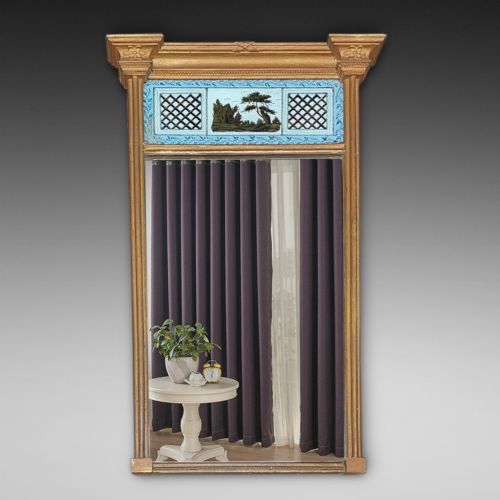
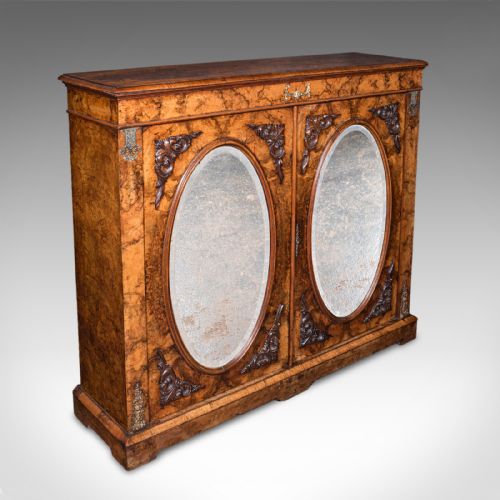
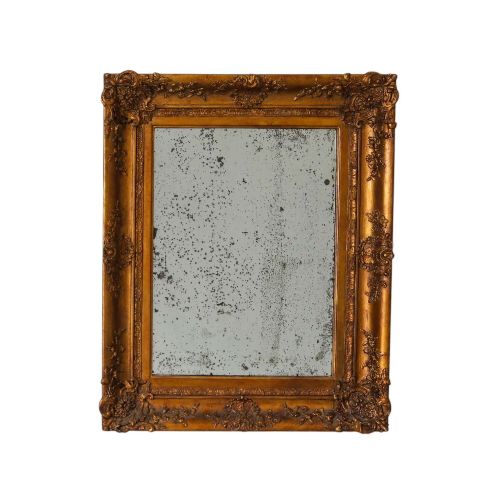


English Regency Mirror
An English regency mirror brings architectural grace and warm gilded reflection to an interior, bridging classical proportion with decorative flair.
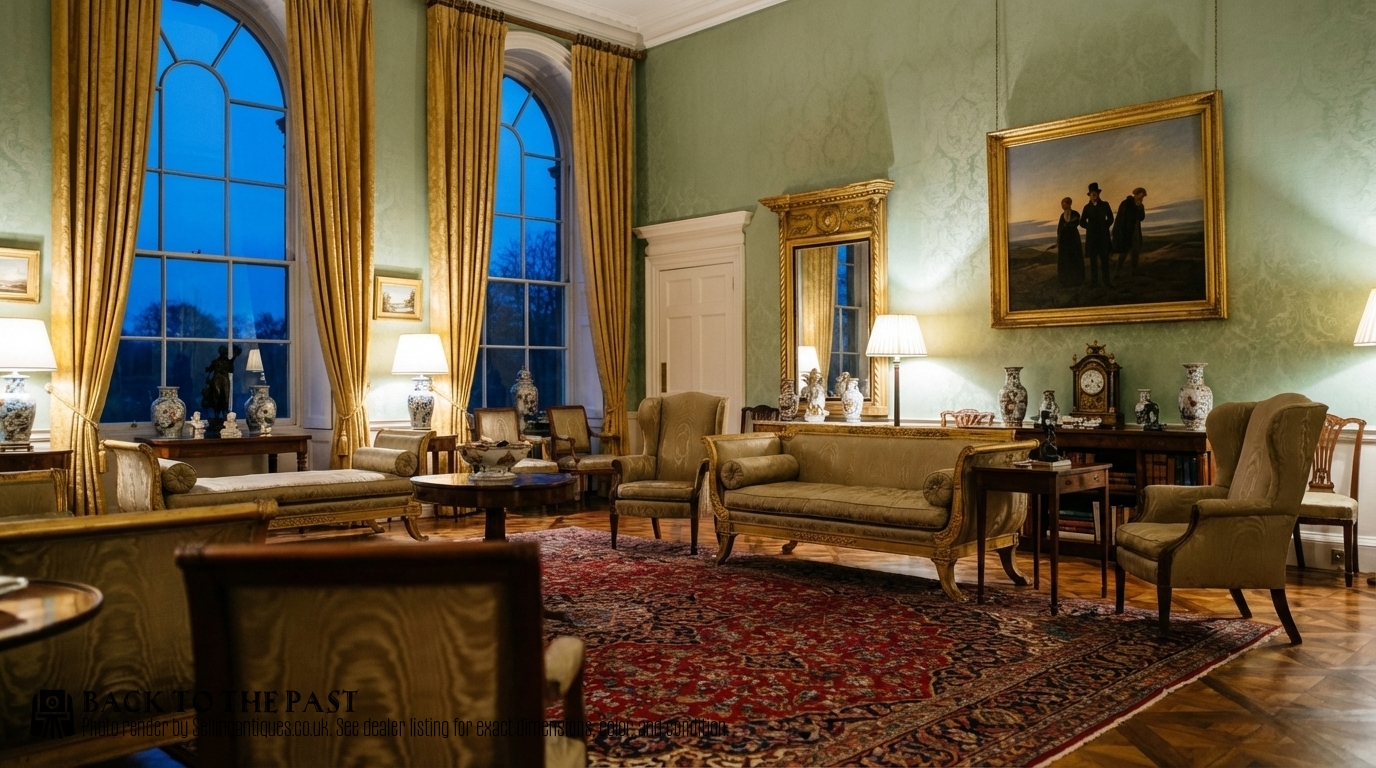
English Regency Mirror
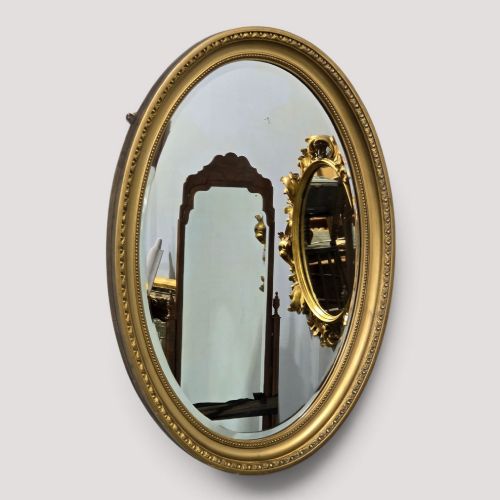
When seeking an english regency mirror, buyers encounter a distinct category spanning convex wall glasses, grand overmantels, and slender pier mirrors designed to catch the light between windows.
The selections on this page draw heavily from the early nineteenth century alongside later nineteenth-century interpretations, presenting formats intended for principal reception rooms and halls.
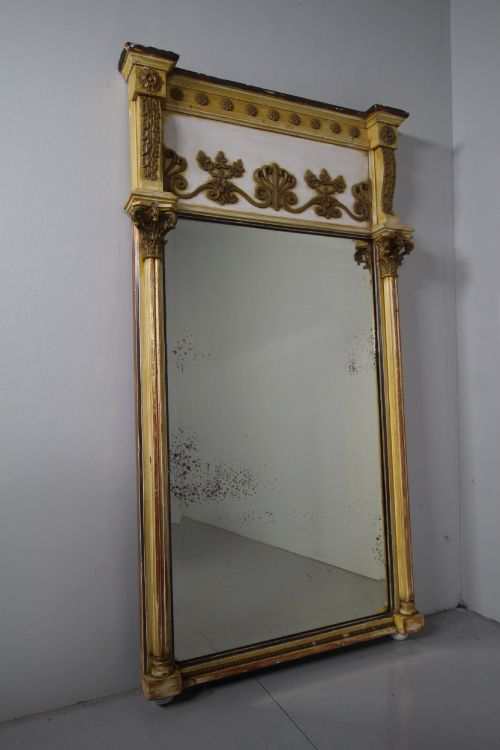
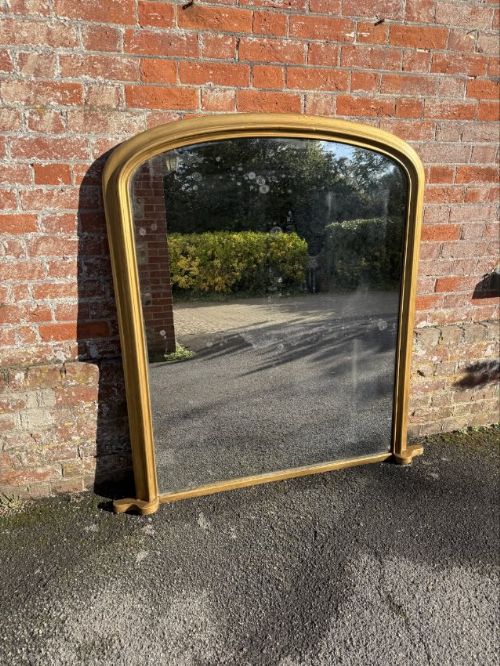
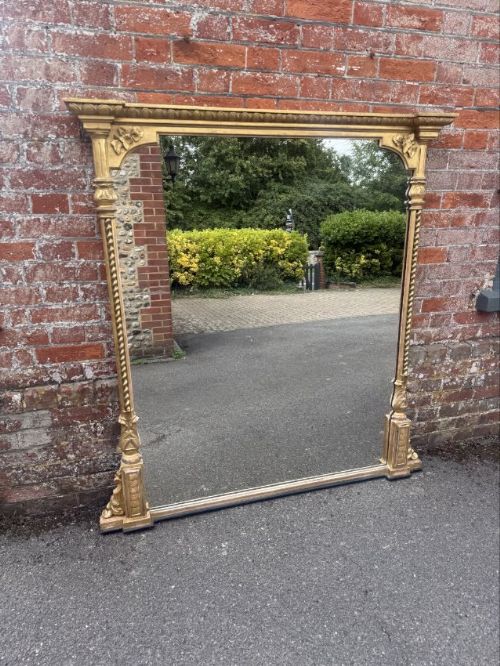
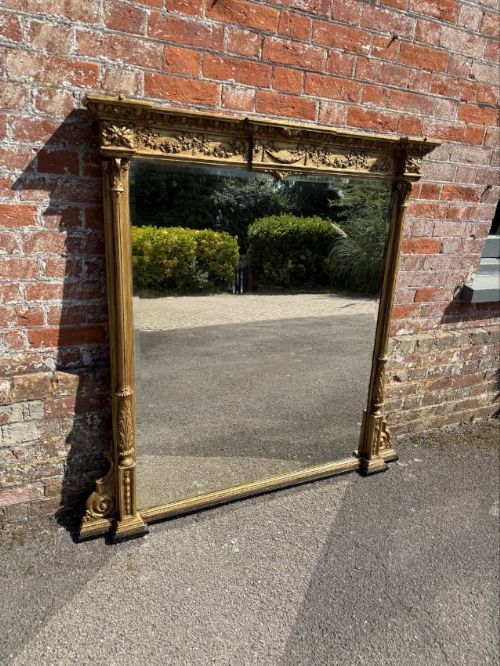
Forms range from massive architectural overmantels featuring rope twist columns to circular convex glasses framed in giltwood and brass.
How they were made
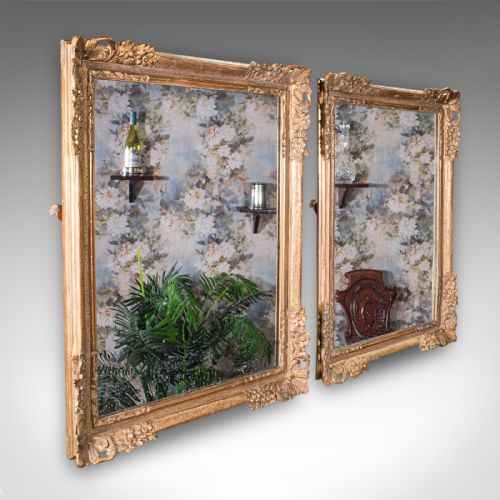
Makers shaped these frames from woods such as mahogany, rosewood, and pine, applying layers of gesso to build up intricate relief ornaments like acanthus leaves and reeded columns.
Surfaces received finishes of gold leaf or oil gilt, often combined with parcel painting to highlight carved details.
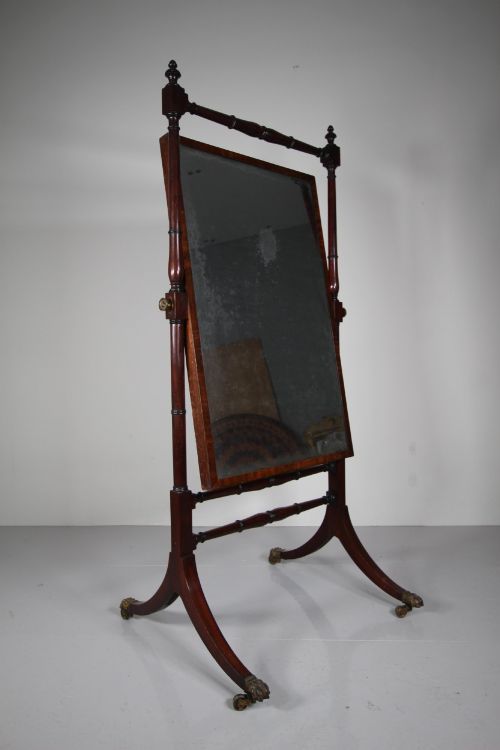
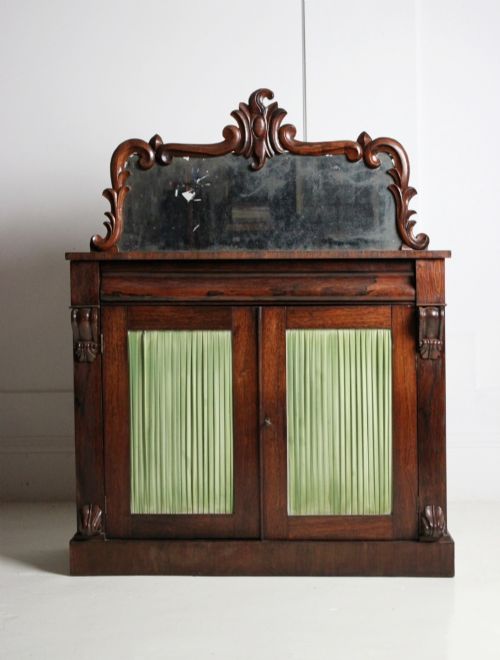
Reflective surfaces utilised silvered mirror glass, frequently surviving with characteristic foxing or dark age spots across the original plate.
English Regency Mirror Retail Price Guide 2026
Typical asking prices for english regency mirror among the pieces listed under this phrase on Sellingantiques today, from the lower quarter to the upper quarter. They describe what is for sale here now, not the wider market.
Listings span periods from the early nineteenth century through the late Victorian era, utilising materials like rosewood, gesso, and gold leaf.
What varies in quality
The distinction between tiers rests upon the crispness of the hand-carved gesso ornamentation and the depth of the original gilding.
Superior examples retain their original mirror plates with authentic foxing intact, whereas lesser pieces often show later plate replacements or crude structural repairs to the frame joints.
The English Regency Mirror Glossary
- Gesso
- A mixture of chalk, gypsum, and size used to coat wooden frames before gilding, allowing carvers to mould sharp relief details. This preparation forms the base for the gold leaf application.
- Giltwood
- Timber covered with a thin layer of gold leaf applied over bole and gesso. It provides the signature warm metallic lustre seen on period frames.
- Convex mirror
- A round glass curved outward to provide a wide-angled reflection of the room. These glasses were popular in principal reception spaces.
- Pier mirror
- A tall, narrow glass designed to hang on the wall space between windows. They often sat above matching console tables or side cabinets.
- Foxing
- Age-related spots and discolouration within the silver backing of vintage glass. Many collectors value this natural oxidation as proof of antiquity.
English Regency Mirror: Frequently Asked Questions
Where should I hang a convex mirror?
Convex glasses suit principal reception rooms and hallways where their curved reflection can capture the entire light of the space.
Position them at eye level opposite a window to maximise daytime brightness.
What is a pier glass used for?
Pier mirrors were traditionally hung on the narrow wall space between two windows to bounce natural light back into the interior.
They frequently coordinate with console tables placed directly beneath them.
How do I identify a gesso frame?
Gesso frames feature moulded ornamentation built up from a chalk and glue paste applied directly over the wooden structure.
This technique permitted intricate classical motifs such as rope twists and reeded columns.
Is foxing on the glass a fault?
Foxing consists of natural dark spots and speckles that develop within the silvering behind the glass over many decades.
Collectors treat this oxidation as an authentic sign of age rather than a defect.