


George III Mirror
When you search for a george iii mirror, you are looking at eighteenth-century wall hangings and tabletop dressing glasses that bring genuine period proportion into a room.
George III Mirror
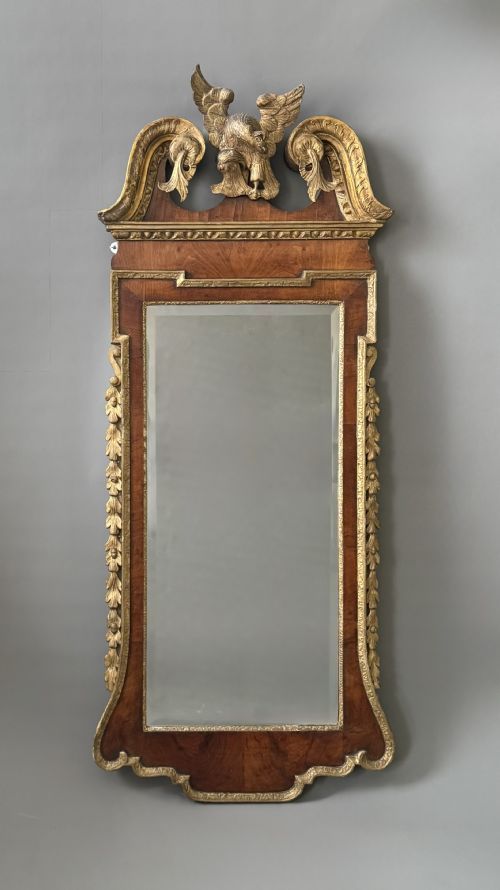
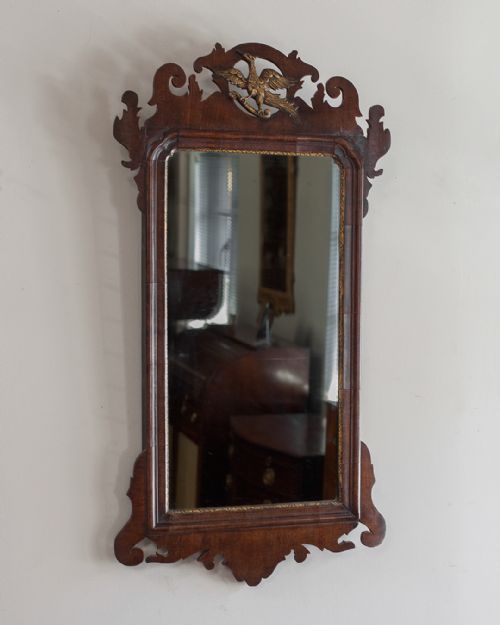
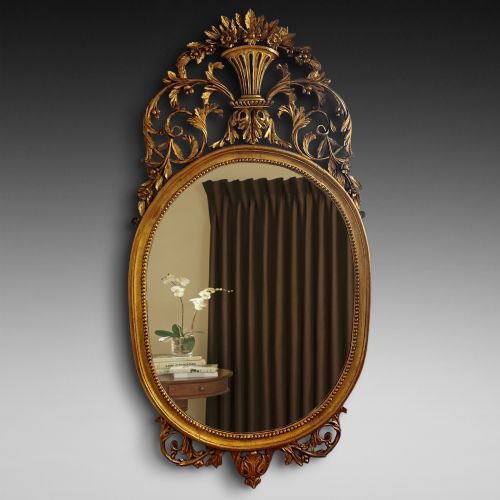
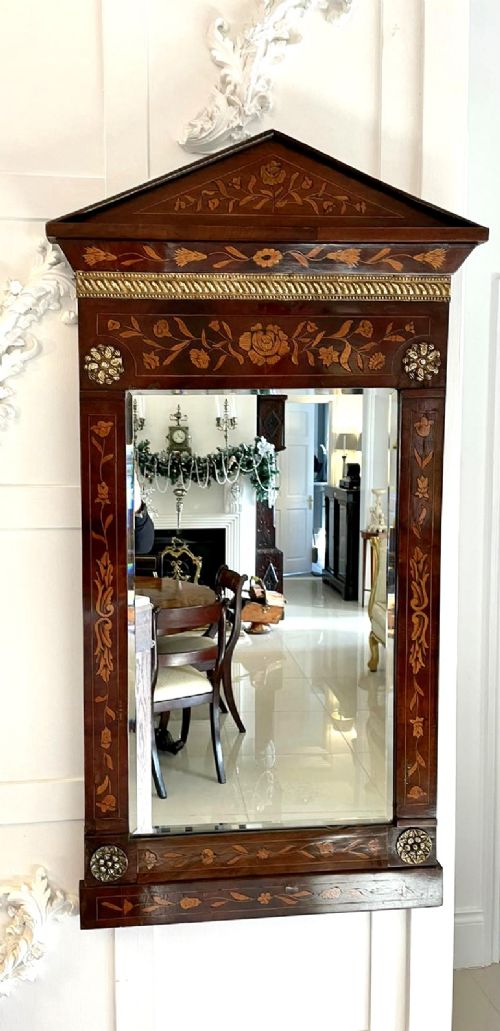
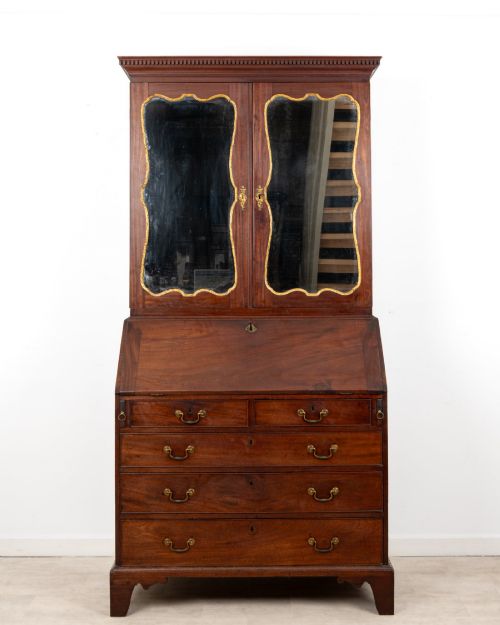
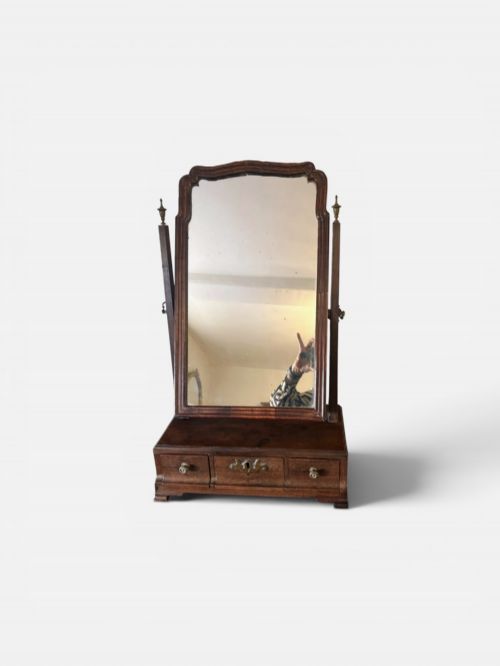
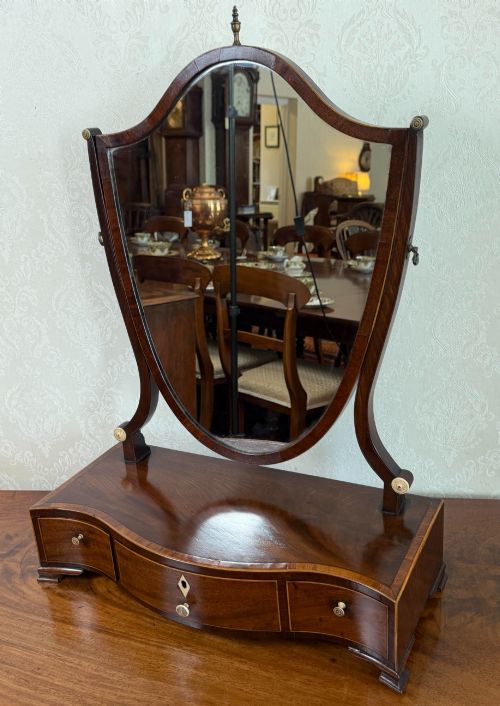
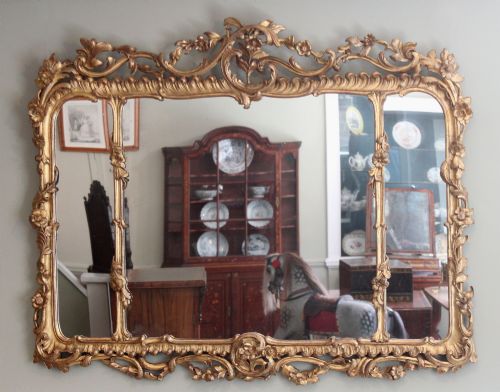
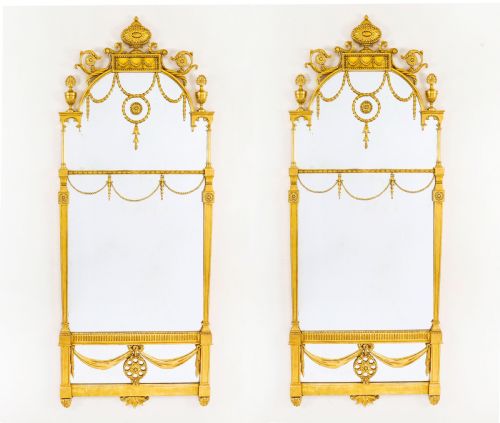
A george iii mirror encompasses wall-hung pieces, overmantles, and small dressing glasses designed for tables or bureaus. The items on this page range from walnut and mahogany fretwork frames to carved giltwood ovals and neoclassical pier mirrors.
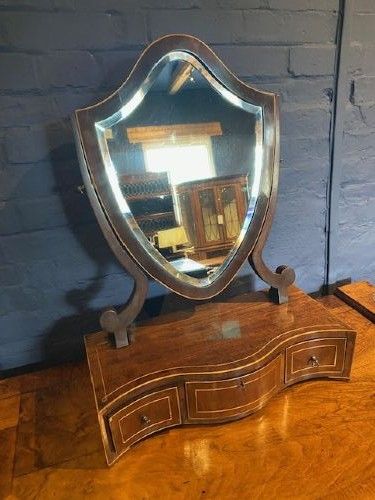
Buyers will encounter both tall cheval glasses for bedrooms and compact toilet mirrors featuring pivoted swing frames. Many pieces reflect the decorative vocabulary of Chippendale, Adam, and Dutch marquetry from the eighteenth century.
How they were made
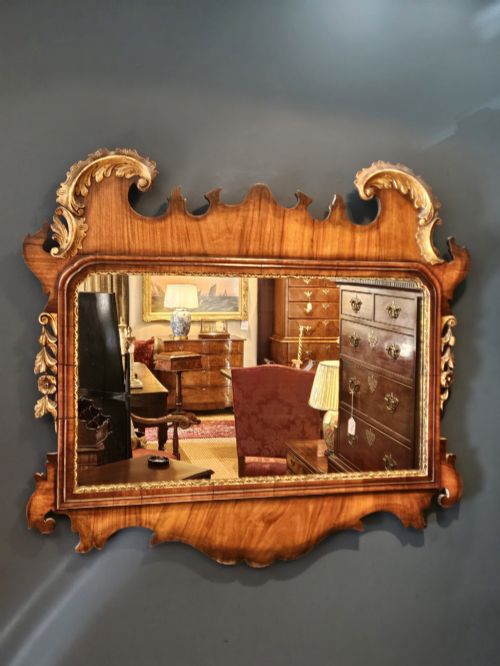
Cabinetmakers constructed the wooden frames using dense timbers like mahogany, walnut, and satinwood, frequently cutting intricate fretwork patterns with a fretsaw. Parcel-gilt details and distinct motifs such as the carved Ho-Ho bird added decorative contrast to the dark wood.
Giltwood versions relied on carved softwoods built up with layers of gesso before receiving fine gold leaf applied by hand. Original mirror glass plates were commonly hand-silvered and set directly into the back of the rebates.
George III Mirror Retail Price Guide 2026
Typical asking prices for george iii mirror among the pieces listed under this phrase on Sellingantiques today, from the lower quarter to the upper quarter. They describe what is for sale here now, not the wider market.
Several pieces feature carved Ho-Ho birds perched atop the fretwork, adding a watchful, exotic companion to your wall.
What varies in quality
The sophistication of the carving dictates much of the distinction between standard examples and superior works. Crisp relief work on giltwood frames and delicately pierced mahogany scroll ears show the hand of a skilled artisan rather than standard workshop production.
The retention of original mirror glass plates and backboards influences the integrity of a piece. Subtle variations in timber grain, such as burr maple or figured walnut, separate simpler utility items from refined dressing and pier glasses.
The George III Mirror Glossary
- Fretwork
- Openwork ornamentation cut from thin wood panels using a saw. This technique defines many eighteenth-century mahogany wall frames.
- Gesso
- A plaster-like material applied to wood surfaces as a smooth base for gilding. It allows for sharp relief moulding on frame borders.
- Pier glass
- A tall mirror designed specifically to hang on the wall space between windows. These pieces often feature grand neoclassical proportions.
- Parcel-gilt
- Partially gilded woodwork where gold leaf highlights specific carved details against a contrasting dark wood surface.
- Toilet mirror
- A small adjustable glass mounted on a tabletop stand or miniature chest. These served as functional dressing aids in bedrooms.
George III Mirror: Frequently Asked Questions
How do I identify a period frame?
Examine the construction methods visible on the reverse of the wood, including the joinery of the frame corners and the type of backboards used. Older pieces often show hand-cut elements and aged fixings that differ from later revival work.
Look closely at the glass plate itself for slight distortions, waviness, or foxing that indicate age. Original mercury silvering displays a distinct mottled appearance under close inspection.
Where should I hang a wall mirror?
Hang wall-hung pieces securely on sturdy masonry or wall studs using appropriate fixings to support the weight of the timber and glass. Placing them opposite a window helps maximise natural light within a room.
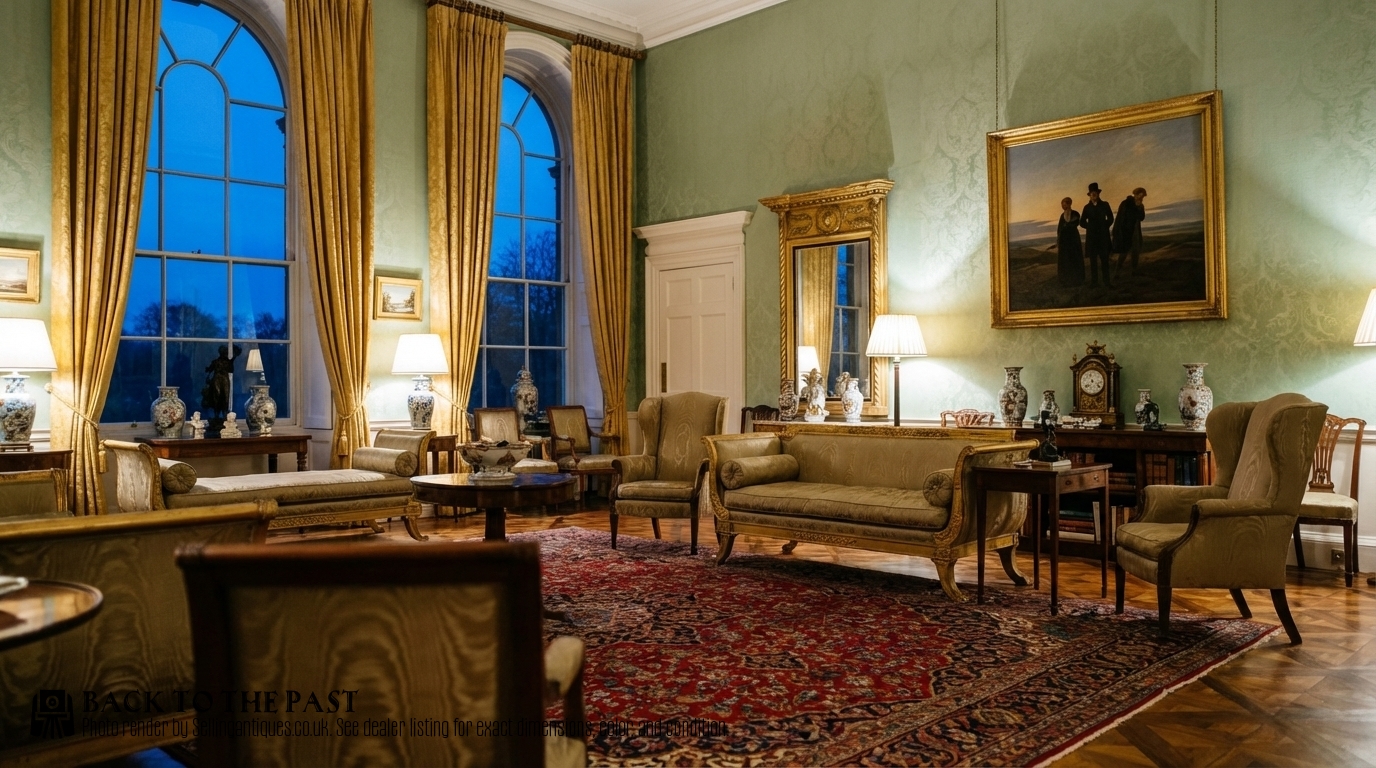
Ensure the scale of the frame complements the surrounding wall space and furniture below it. Overmantle designs sit naturally above fireplace surrounds, while smaller fretwork pieces suit narrower wall panels.
How do I care for antique glass?
Clean the glass surface gently using a soft microfibre cloth and a mild, ammonia-free cleaning solution. Avoid spraying liquids directly onto the frame or the edges of the mirror plate where moisture might seep behind the glass.
Protect the wood and gilt surfaces by dusting them regularly with a dry feather duster or soft brush. Keep pieces away from direct sunlight and damp environments to preserve the finish.
What is a cheval mirror?
A cheval mirror is a full-length dressing glass suspended within a standing floor frame on pivots. This allows the user to tilt the entire glass angle to check their attire.
These freestanding pieces became popular for bedrooms and dressing rooms during the Georgian period. Their substantial frames provide stability while offering a full-length reflection.