


Standing Bedroom Mirror
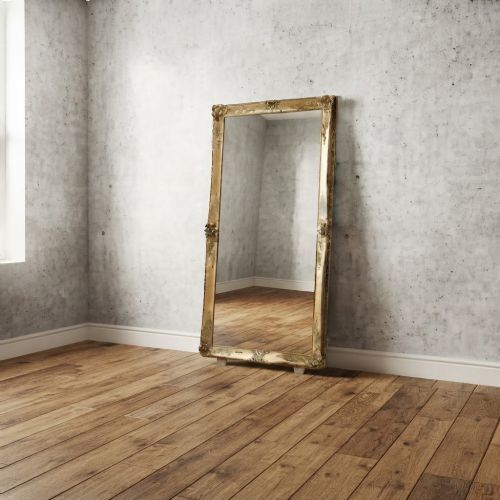
A standing bedroom mirror is a functional piece designed for full-length reflection, offering both utility and character to an interior.
Standing Bedroom Mirror
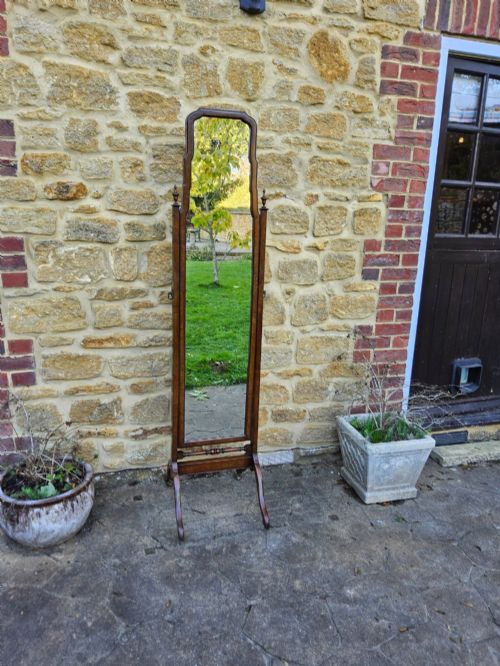
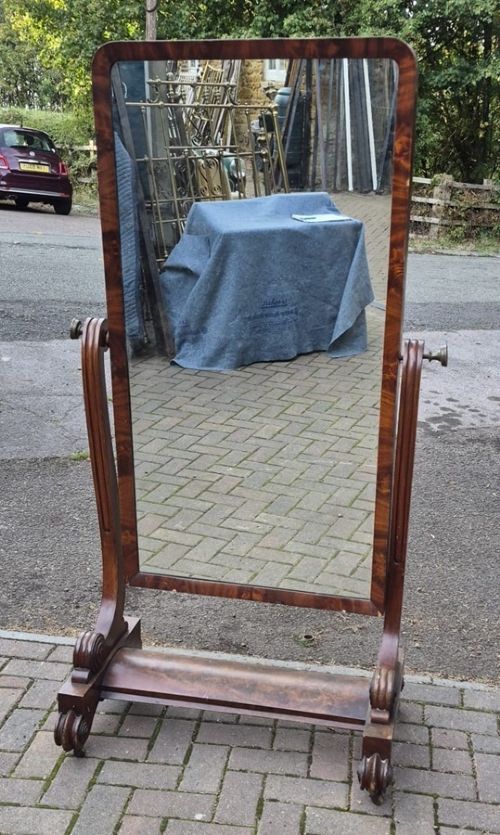
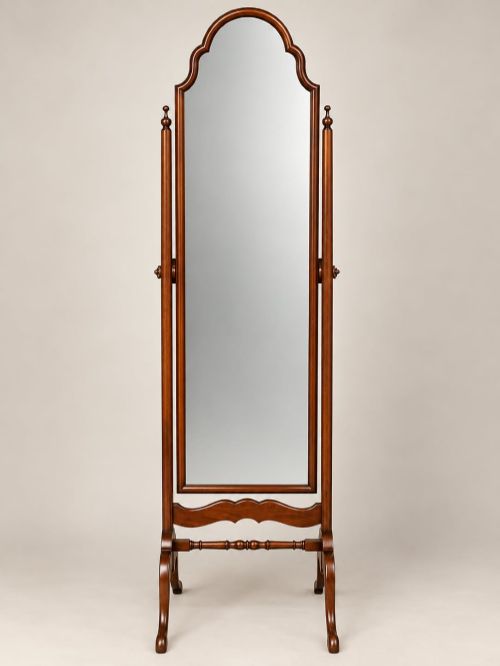
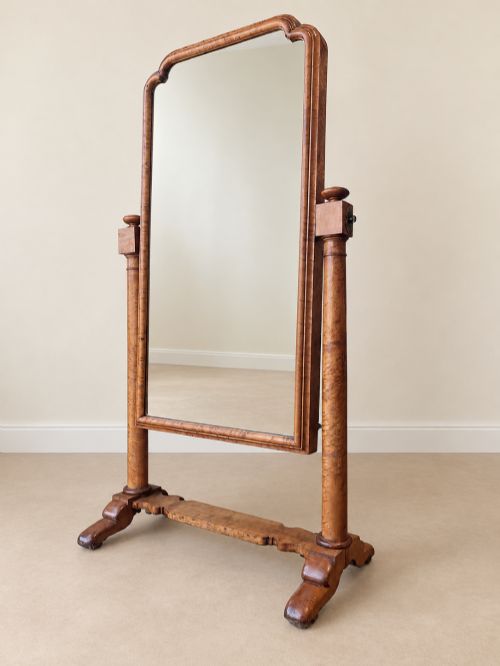
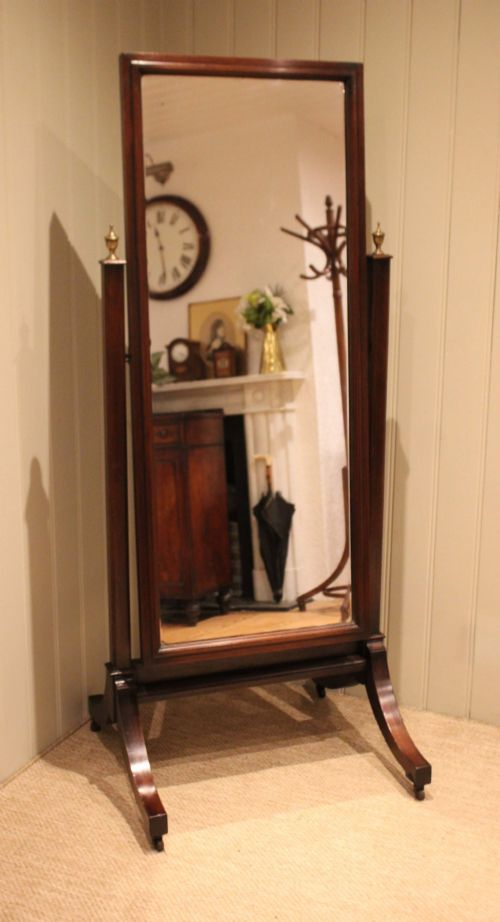
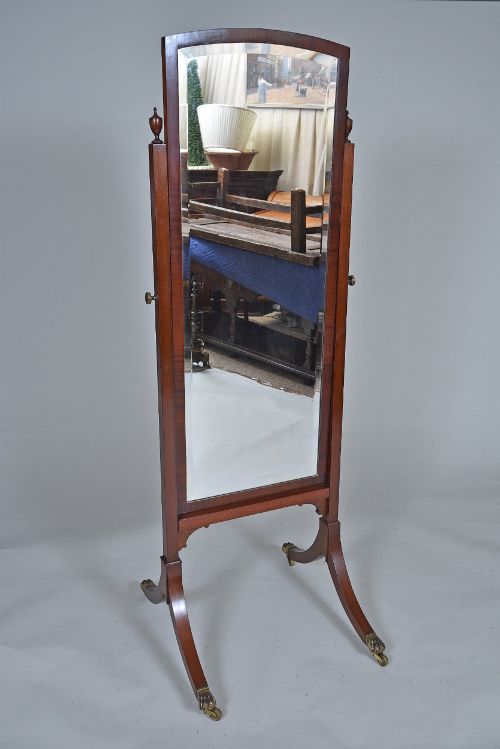
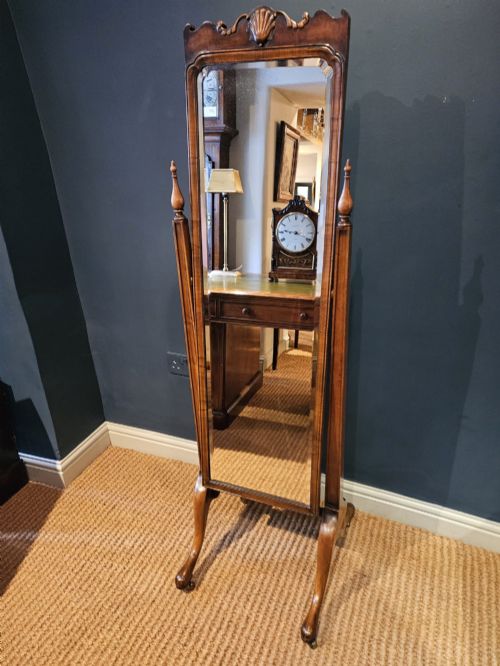
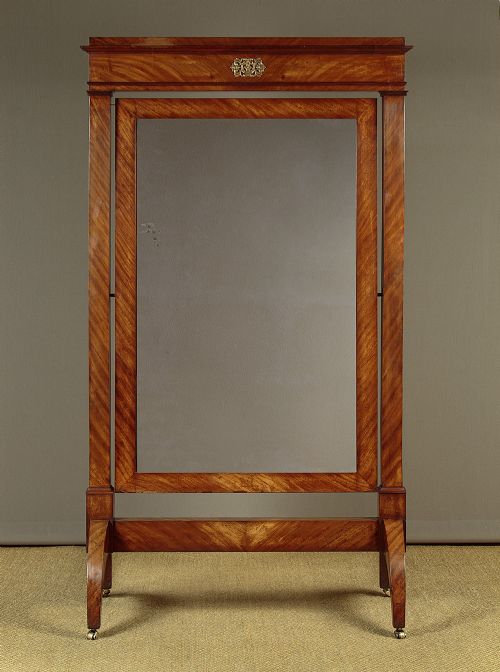
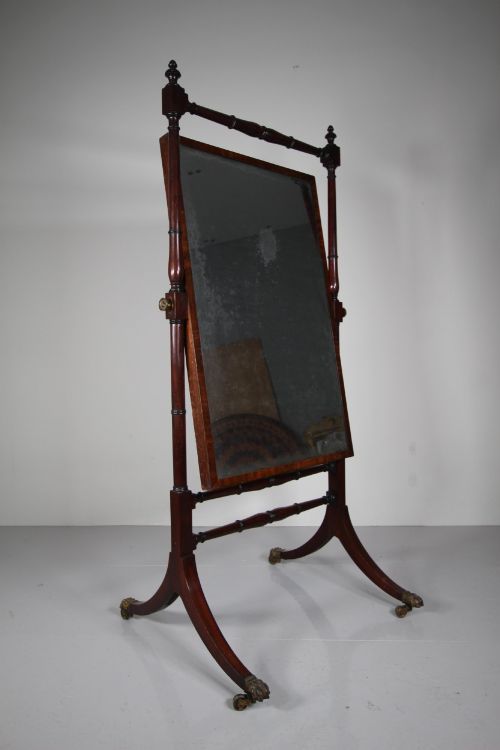
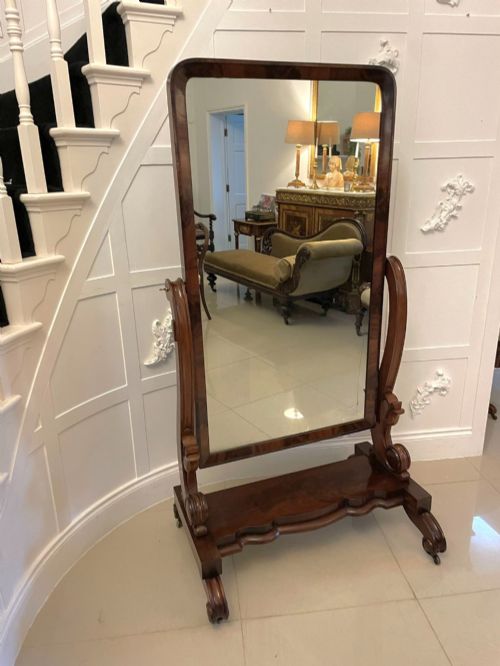
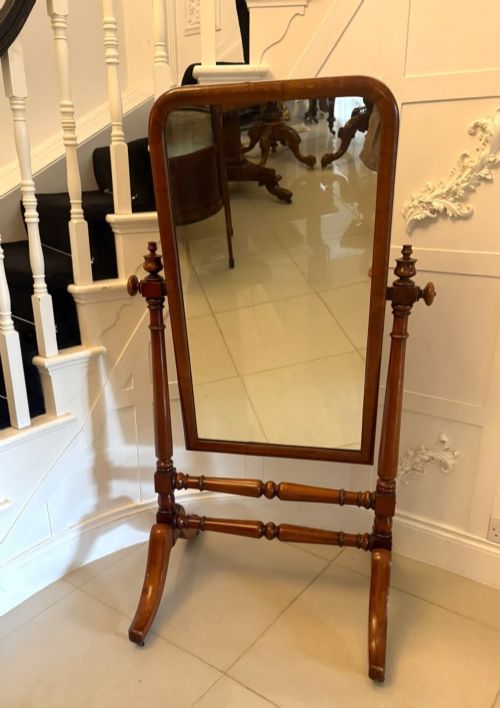
A standing bedroom mirror primarily takes the form of a cheval mirror, which is a freestanding full-length glass set within a frame that pivots on vertical pivots or pins. These pieces emerge across the nineteenth and twentieth centuries, spanning periods from the Regency and William IV eras through the Victorian and Edwardian decades up to the nineteen-twenties.
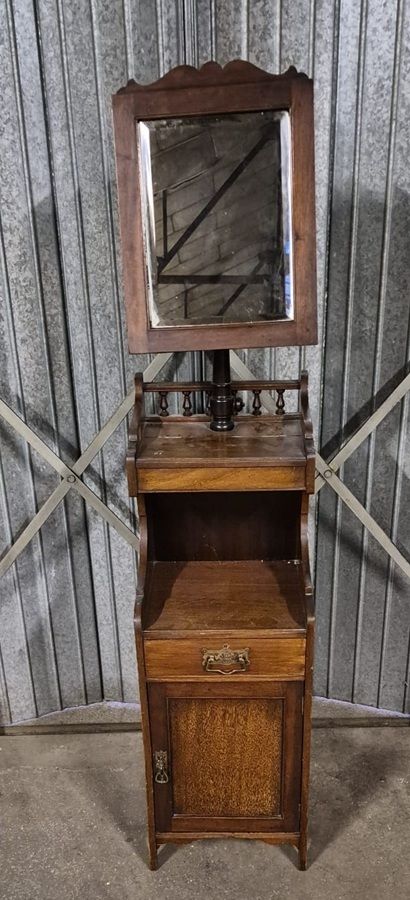
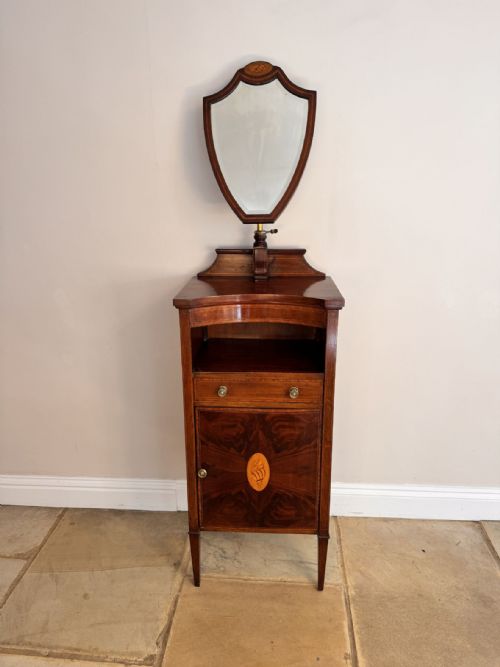
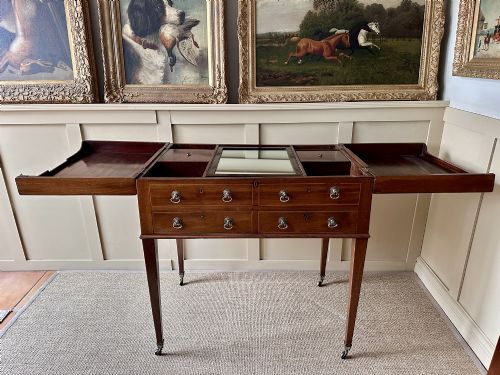
The versions most frequently encountered on this page are mahogany cheval mirrors dating from the Victorian period and the nineteenth century. Alongside these full-length swinging glasses, the selection includes smaller dressing table mirrors, shaving stands, and washstands that incorporate mirror glass into their overall design.
Makers and retailers such as Gillows and Waring and Gillow occasionally appear, alongside pieces retailed by Harrods, demonstrating the range of workshops that produced these bedroom furnishings. Stylistic variations span from plain classical Regency lines to elaborate Victorian carvings, French Chateau influences, and Chinoiserie decoration.
Indicators of quality
The refinement of the timber selection and the crispness of any carved ornamentation distinguish finer examples from standard production pieces. Figured veneers, such as burr walnut or well-chosen mahogany grain, indicate a higher grade of craftsmanship.
Structural stability in the support frame and the precision of the pivoting mechanism determine the day-to-day usability of the mirror. Well-made pieces balance the weight of the heavy glass smoothly within its upright supports without excessive wobble.
Standing Bedroom Mirror Retail Price Guide 2026
Typical asking prices for standing bedroom mirror among the pieces listed under this phrase on Sellingantiques today, from the lower quarter to the upper quarter. They describe what is for sale here now, not the wider market.
Listings feature woods including mahogany, walnut, oak, and satinwood alongside mirror glass and brass hardware.
Gillows·Waring and Gillow·Harrods
The Standing Bedroom Mirror Glossary
- Cheval mirror
- A freestanding full-length mirror mounted on a frame that allows it to swing. This design allows the user to view their entire outfit from head to toe.
- Tilt dressing glass
- A smaller mirror mounted on a frame with pivots, designed to sit atop a dressing table or chest of drawers. It tilts to adjust the angle of reflection.
- Shaving stand
- A specialised piece of furniture incorporating a mirror, often adjustable, alongside storage or washing facilities for grooming. These frequently date from the Victorian period.
- Chinoiserie
- A decorative style reflecting European interpretations of Chinese artistic traditions, often featuring painted or lacquered motifs on wood. This finish appears on specific Victorian and twentieth-century mirror frames.
Standing Bedroom Mirror: Frequently Asked Questions
What is a cheval mirror?
A cheval mirror is a freestanding, full-length looking glass suspended on a central pivot within a supportive wooden frame. This allows the glass to tilt back and forth.
The name derives from the French word for horse, referencing the four-legged trestle stand that traditionally supports the pivoting frame.
Where should I place a standing mirror?
These pieces suit bedrooms and dressing rooms where full-length reflection is necessary for daily dressing. Their freestanding nature means no wall mounting is required.
Positioning them near a window helps reflect natural light deeper into the room, enhancing the sense of space while remaining entirely portable.
How do I date an antique mirror?
Dating relies on timber choices, construction methods, and stylistic details that align with periods like the Regency, Victorian, or Edwardian eras. Mahogany and walnut were favoured at different times.
Hardware such as brass pivot screws and the thickness or bevel of the mirror glass itself also offer clear clues to the manufacturing decade.
Are these mirrors adjustable?
Most antique cheval and dressing mirrors feature side pivots made of brass or wood that allow the frame to tilt freely. Tightening these pivots secures the glass at the chosen angle.
This adjustability was essential for accommodating users of different heights and for catching the best light in the room.