
Vintage Dressing Mirror
A vintage dressing mirror brings reflected light and proportion to a room, ranging from small swing frames for tabletops to tall cheval glass on pivoted stands.
Vintage Dressing Mirror
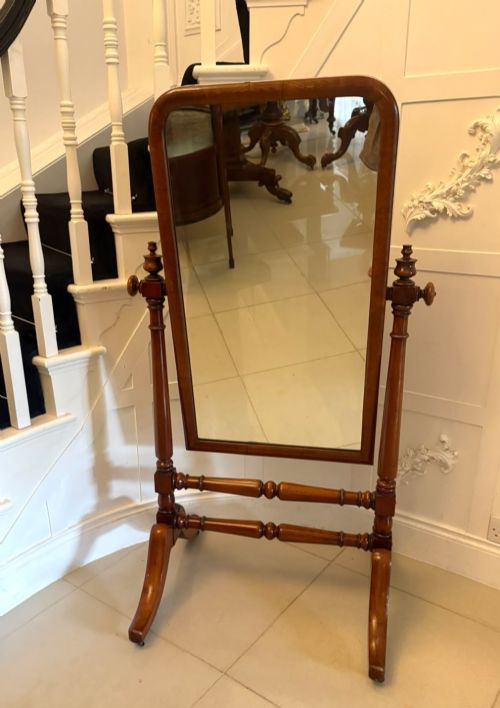
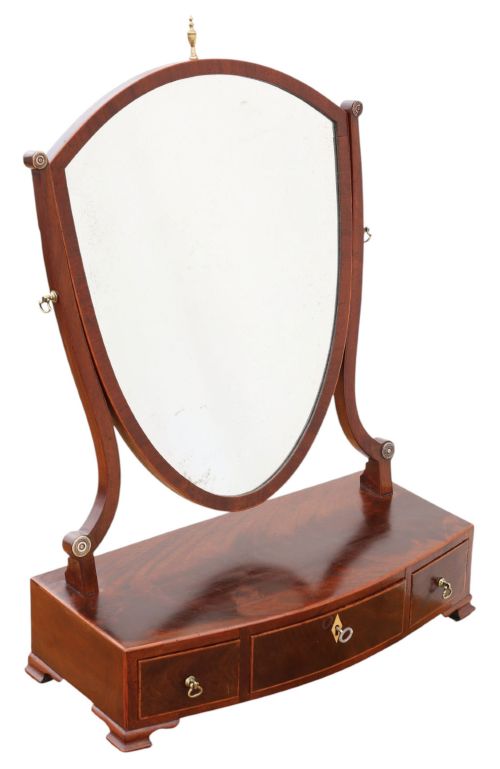
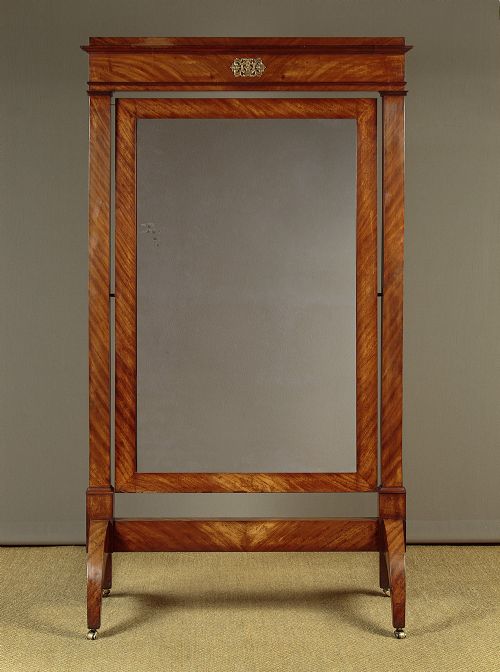
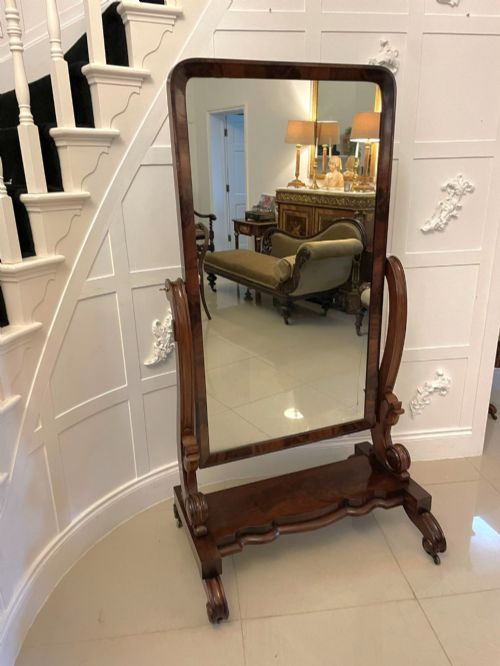
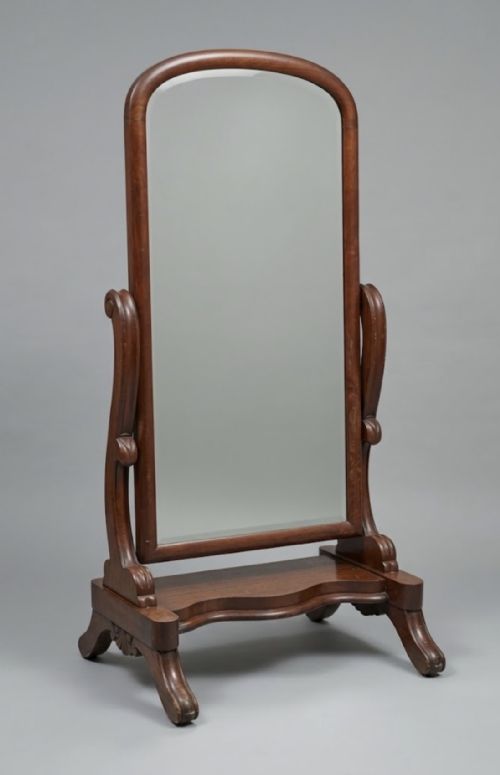
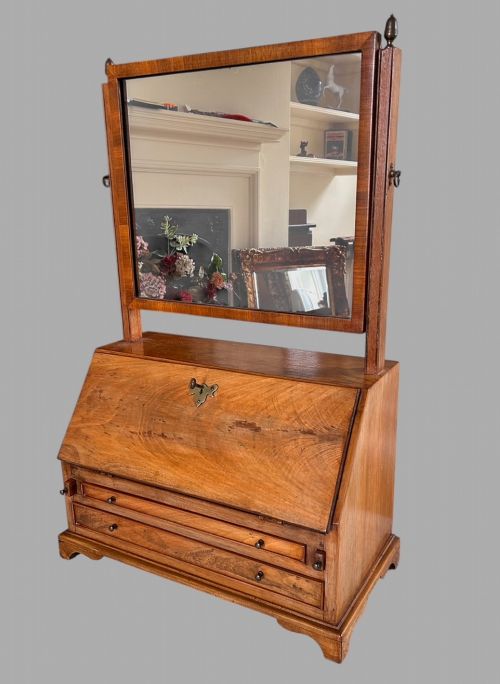
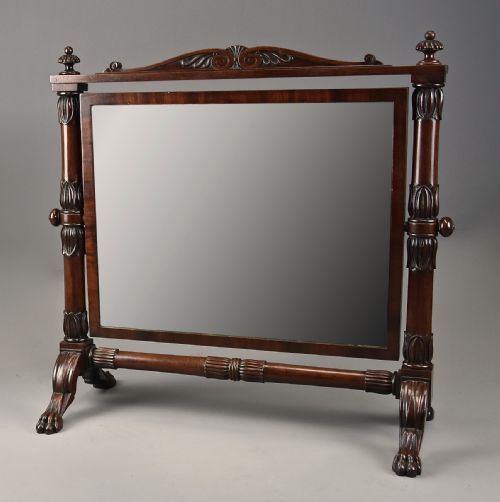
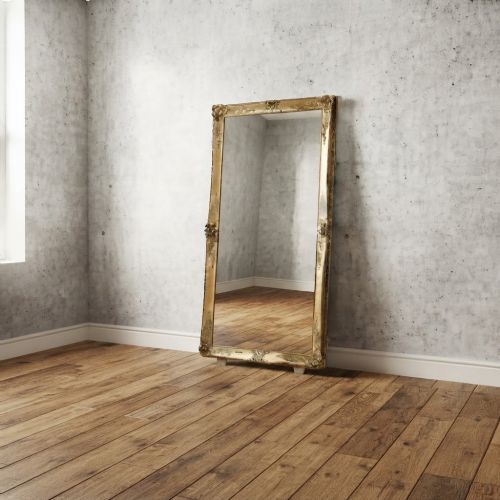
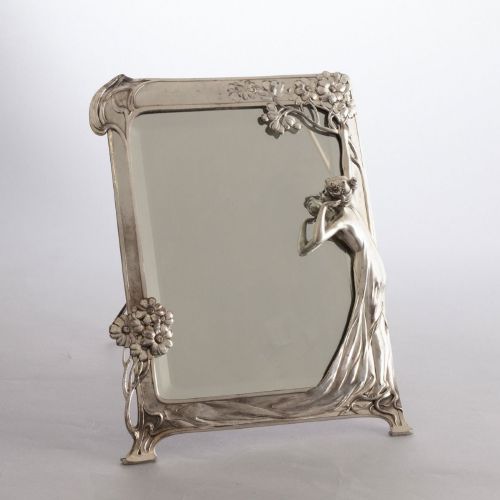
When you search for a vintage dressing mirror, you encounter pieces spanning from the Georgian and Victorian eras through the Edwardian period and into the 1930s. The selection includes compact table mirrors, swing frames mounted on small bureau bases, and large floor-standing cheval mirrors.
The most common formats on this page are tabletop swing mirrors and full-length cheval frames. These objects originated as functional bedroom furniture for grooming and dressing, evolving across different aesthetic movements.
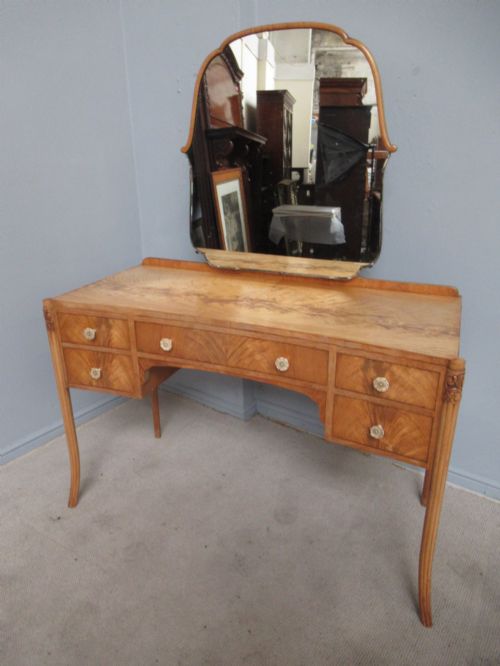
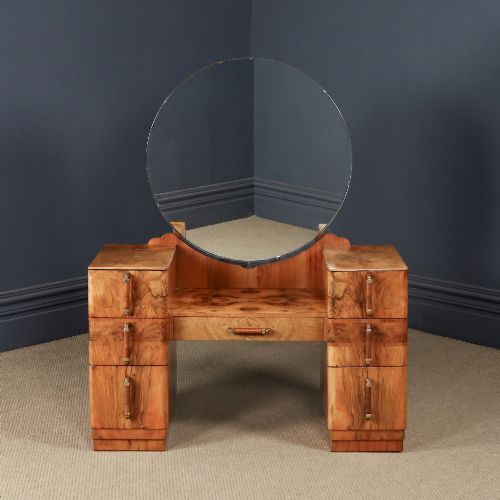
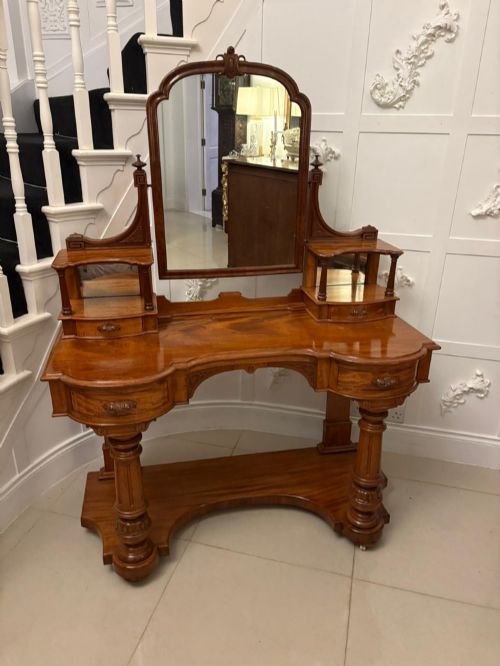
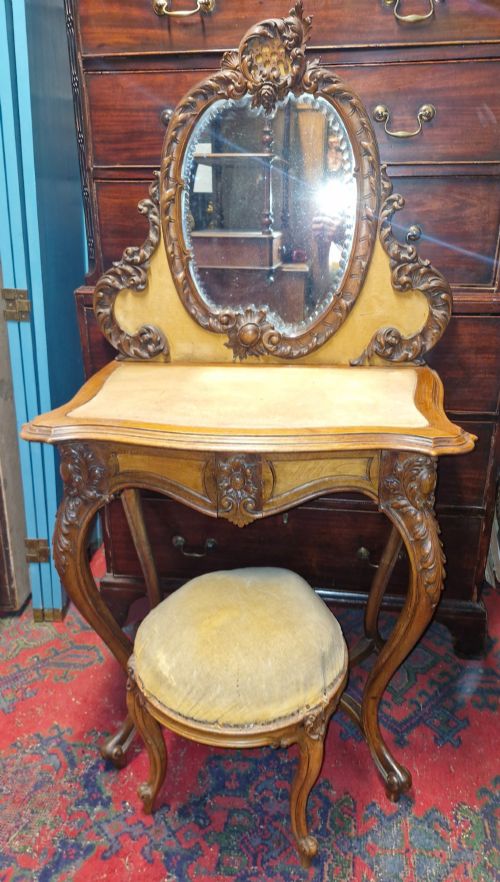
Makers and designers from various eras utilised specific proportions, adapting the mirror glass to sit securely within wooden or metal frames. Pieces range from simple oak and mahogany swing types to elaborate triple-mirror dressing tables.
Materials and Construction
Makers constructed these mirrors predominantly using timbers such as mahogany, walnut, oak, and satinwood, frequently selecting burr veneers for decorative grain patterns on the frames and bases. Brass fittings, including pivot screws, hinges, and candle sconces on earlier examples, provide structural movement and contrast against the dark wood.
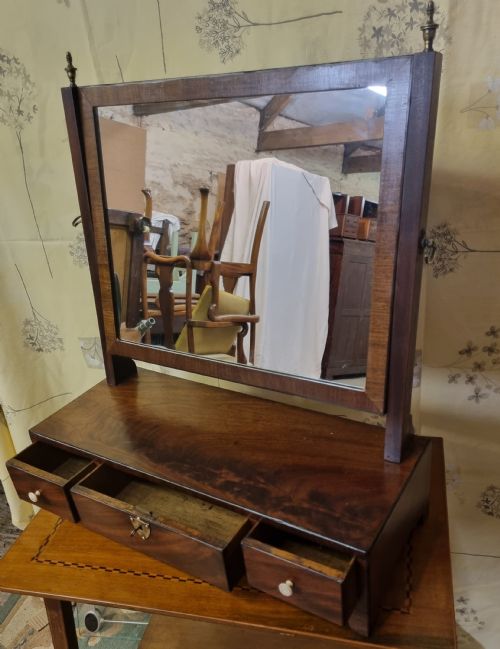
Glass plates are set into rebated frames, sometimes supported by substantial floor-standing cradles or table boxes fitted with small drawers. Techniques such as crossbanding, inlay, and hand-carving define the decorative treatment of the wooden surrounds across the different periods represented.
Vintage Dressing Mirror Retail Price Guide 2026
Typical asking prices for vintage dressing mirror among the pieces listed under this phrase on Sellingantiques today, from the lower quarter to the upper quarter. They describe what is for sale here now, not the wider market.
Materials represented across the selection include solid oak, satinwood, kingwood, pewter, and sterling silver alongside traditional mahogany and walnut.
Standards of Execution
Quality in a vintage dressing mirror rests on the selection of timber, the weight of the brass hardware, and the joinery of the frame and base. Superior examples exhibit finely figured veneers, precise dovetailing on any accompanying drawers, and substantial framing that prevents warping over time.
The clarity and depth of the mirror glass itself, alongside the smooth articulation of the swivel mechanism, separate standard production items from pieces produced by notable workshops and cabinetmakers.
Maples of London and Paris·Heal And Sons·P And MA Nicholson·Waring And Gillows
The Vintage Dressing Mirror Glossary
- Cheval mirror
- A full-length plate glass mirror suspended on a vertical floor-standing frame with pivots that allow the glass to tilt. This form became popular in the late eighteenth century and remained a bedroom staple through the Edwardian era.
- Swing mirror
- A tabletop glass plate mounted within two upright posts on a base or box, enabling the user to adjust the angle of reflection. These often feature small drawers incorporated into the supporting plinth.
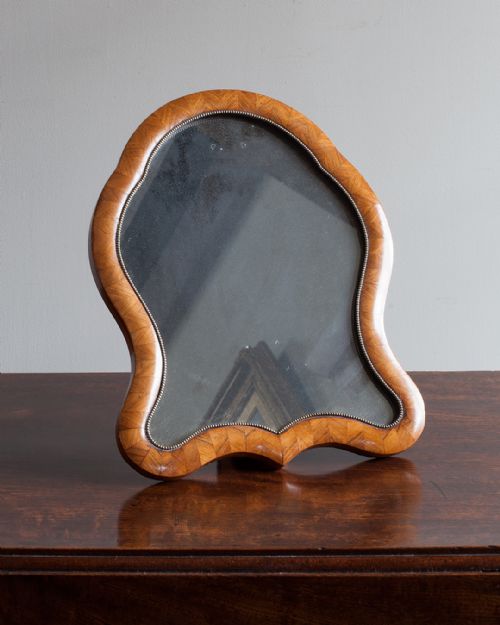
- Shield mirror
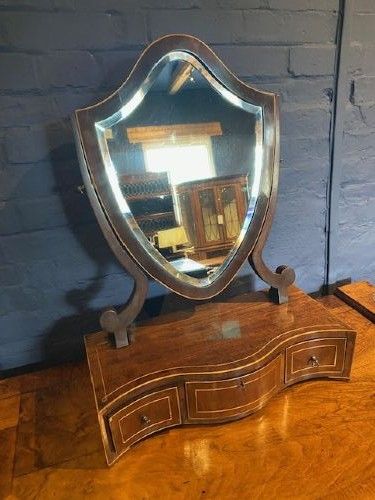
- A dressing glass cut into the shape of a heraldic shield, typically supported on a serpentine wooden base. This design is frequently associated with Georgian furniture makers.
- Triptych
- A three-panel mirror arrangement where two smaller hinged wings flank a central glass plate. This configuration allows the user to view profiles while dressing.
- Burr walnut
- Timber taken from the abnormal growth of a walnut tree, yielding complex, swirling grain patterns. Cabinetmakers sliced this wood into thin veneers for decorative surfaces on dressing tables and mirror frames.
Vintage Dressing Mirror: Frequently Asked Questions
How do I date a vintage dressing mirror?
Dating relies on examining the timber species, construction joints, edge bevels on the glass, and the style of the brass hardware. Earlier pieces from the Georgian era often feature hand-beveled plates and secondary woods like pine or oak behind the primary mahogany.
Twentieth-century examples transition towards machine-sawn elements, different veneer cuts, and distinct aesthetic movements like Art Deco or Arts and Crafts. Comparing the turning on the upright supports against known period furniture helps narrow the manufacturing decade.
Are cheval mirrors free standing?
Cheval mirrors are designed to stand directly on the floor without requiring wall attachment. Their heavy wooden or brass bases and side pillars support the weight of the pivoting frame.
This makes them versatile pieces for bedrooms and dressing rooms, as they can be repositioned easily while remaining stable during use.
What is the difference between a toilet mirror and a dressing mirror?
A toilet mirror historically refers to a smaller swing glass designed to sit upon a chest of drawers or a dedicated dressing table. These often incorporate small box bases with one or more small drawers for storage.
A dressing mirror is a broader term that encompasses both these tabletop accessories and large floor-standing cheval formats intended for full-length viewing.
How do I care for antique mirror glass?
Antique mirror glass requires gentle cleaning with a soft cloth and mild, non-ammonia cleaning solutions sprayed onto the cloth rather than directly onto the glass. This prevents moisture from seeping behind the silvering layer at the edges.
Preserving the original glass, including any age-related foxing or spotting, maintains the authenticity and character of the piece.