

Traditional Wall Mirror
Traditional wall mirror designs bring architectural presence and bright reflection to a room, offering the grandeur of carved gesso, rich woods and historic giltwork.
What traditional wall mirror examples include
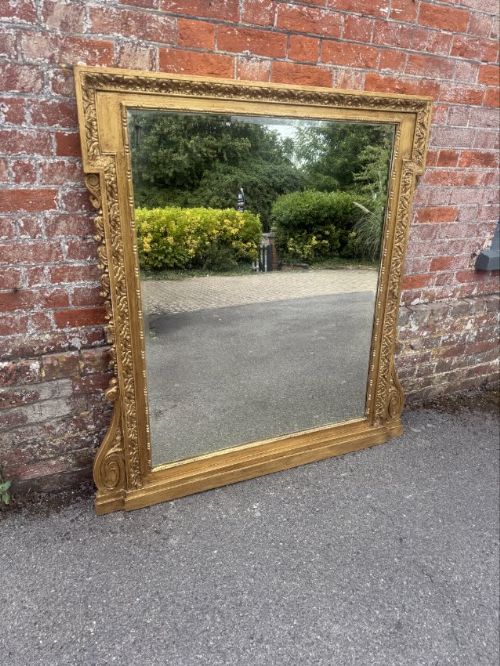
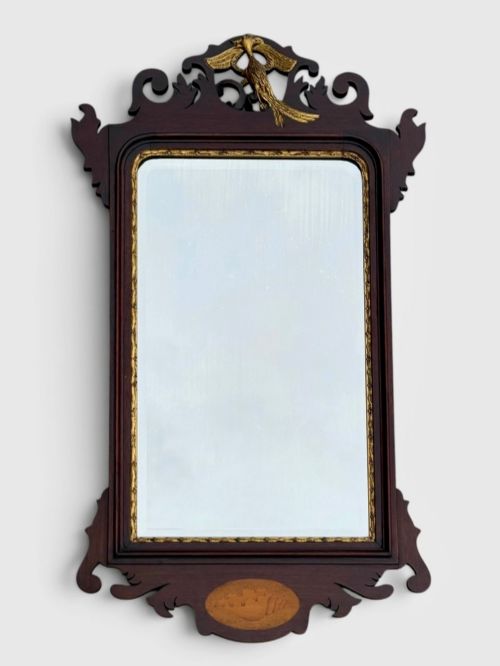
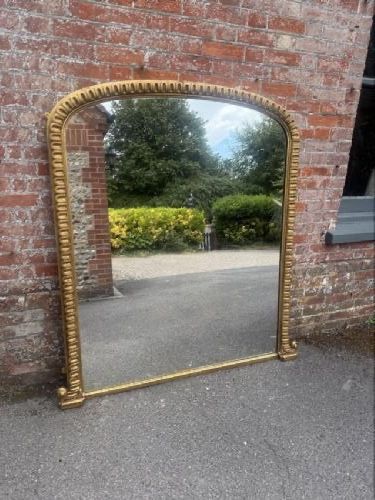
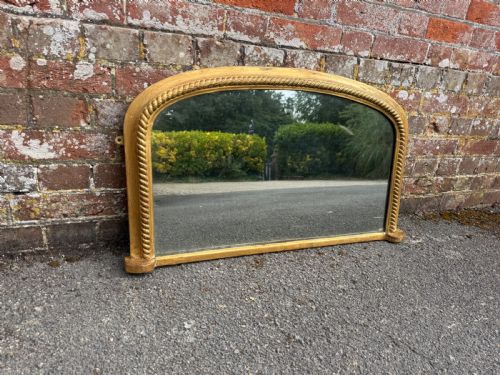
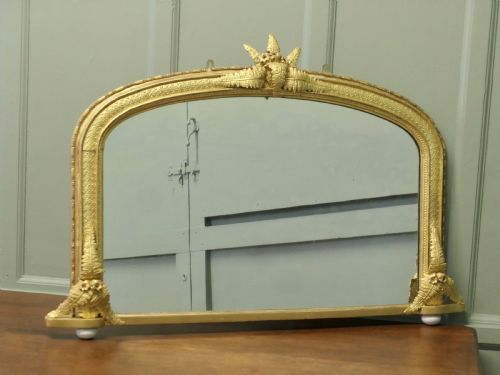
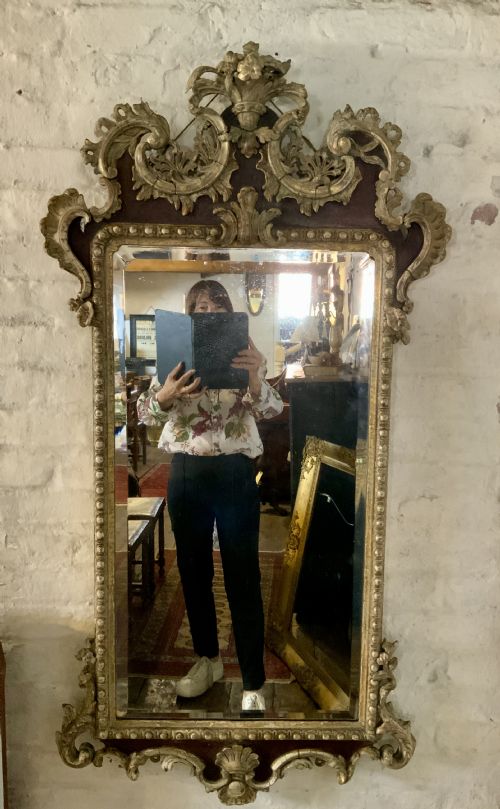
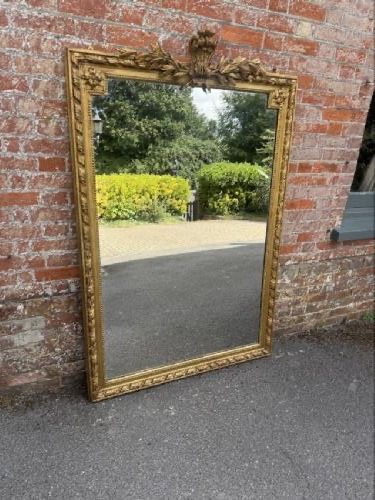
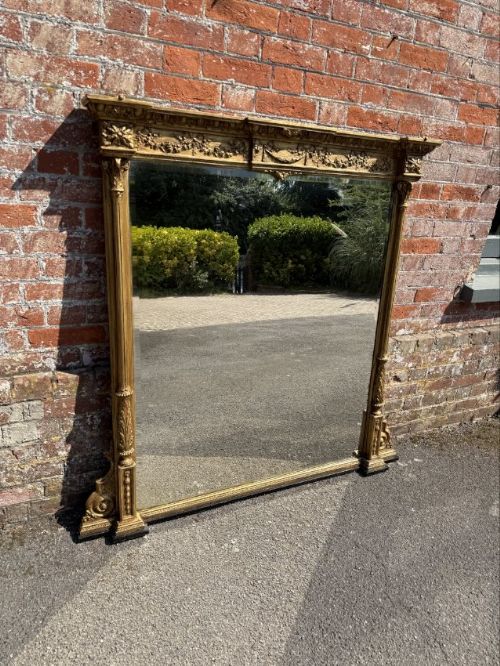
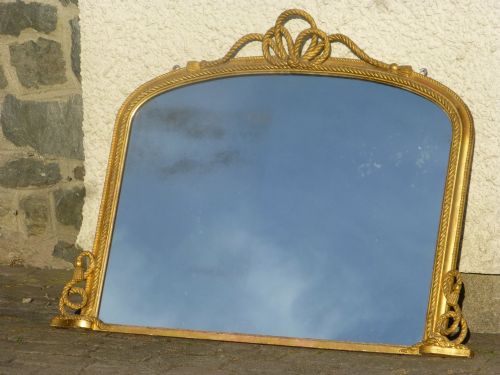
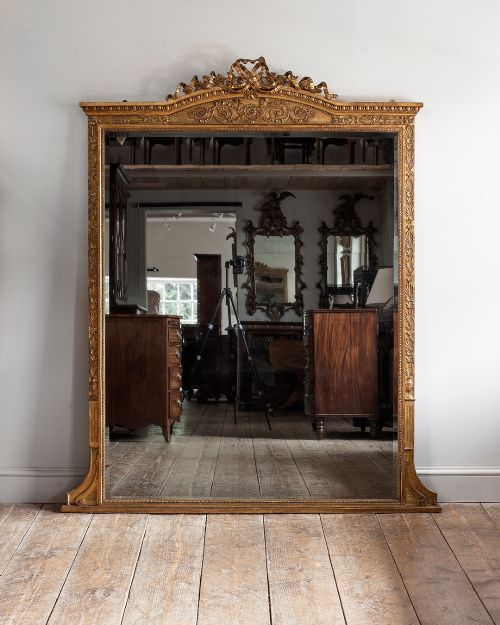
A traditional wall mirror on this page predominantly takes the form of a large overmantel mirror designed to sit above a fireplace. These substantial pieces originate from the nineteenth century, spanning decades such as the eighteen fifties, sixties, seventies and nineteen hundreds.
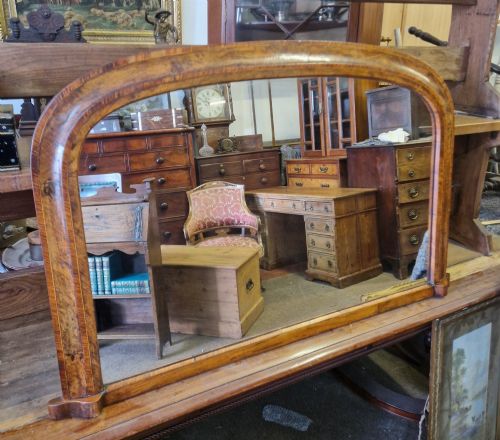
The styles range across Victorian, nineteenth century French, Georgian style, grand Regency and French chateau aesthetics. Alongside expansive overmantel mirrors, simpler wall mirrors appear in the selection.
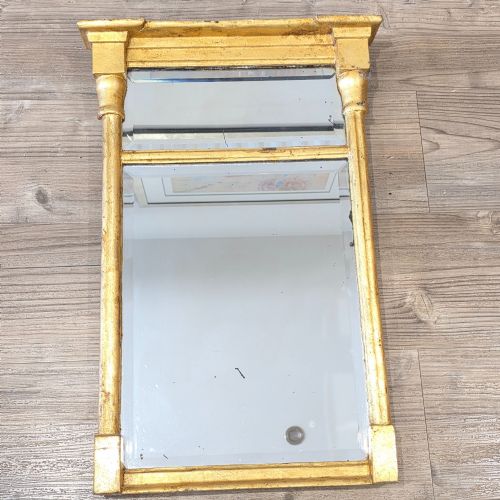
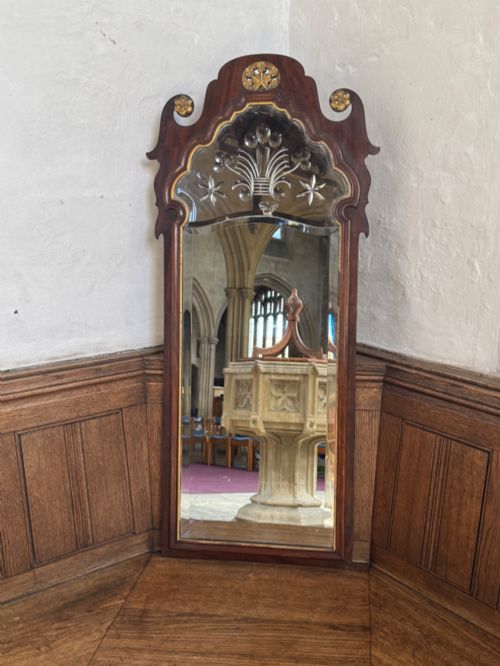
Makers and craftsmen of these periods utilised distinct architectural framing, including arched tops, column frames and parcel gilt detailing. Buyers seeking a traditional wall mirror will encounter both water gilded surfaces and rich timber frames in walnut or mahogany.
How they were made
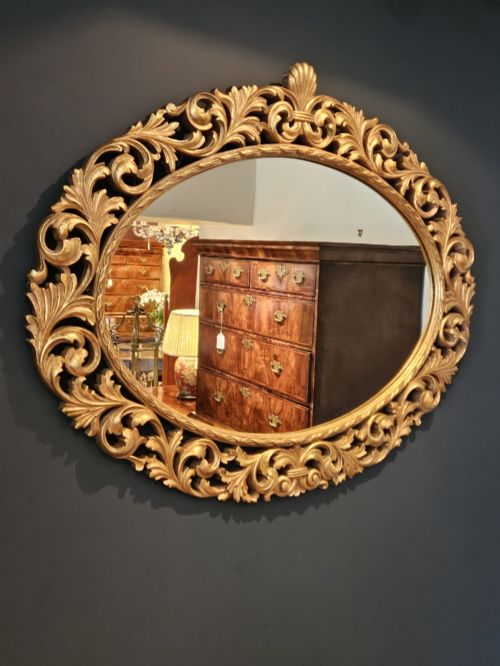
These pieces are constructed from wood and gesso, often finished with gold leaf or water gilding to achieve a brilliant reflective surface. Carved wood provides a sturdy structural core, whilst composition and gesso layers allow for intricate moulded decoration along the frames.
Timbers such as walnut and mahogany are selected for their grain and durability, sometimes paired with parcel gilt highlights. The glass itself is set within these heavy wooden and gesso armatures, supported by traditional backboards.
Retail Price Guide 2026
Typical UK retail prices for traditional wall mirror, calculated from the Sellingantiques database of over a million retail prices indexed since 2003. This retail price guide relies exclusively on Sellingantiques data; no external sources or auction records are used, so the figures do not describe the wider market.
One past listing unexpectedly paired a mirror with brass wall lanterns, proving that nineteenth century designers loved a well lit hallway.
What varies in quality
Quality in these mirrors rests upon the depth and crispness of the carved wood and gesso ornamentation. Hand applied water gilding or gold leaf exhibits a warmer, more nuanced lustre compared to later mechanical finishes.
The integrity of the timber frame, whether solid mahogany, walnut or gilded composition, dictates the structural durability of the piece. Larger overmantel mirrors demand superior joinery to support the substantial weight of the glass and heavy decorative crests.
The Traditional Wall Mirror Glossary
- Gesso
- A plaster based material applied to wood frames to create a smooth surface for gilding. It is frequently moulded into relief decorations.
- Overmantel Mirror
- A large mirror specifically proportioned to hang on the wall directly above a mantelpiece or fireplace. These dominate the room and amplify natural light.
- Giltwood
- Timber that has been coated with gold leaf or gilt powder. This finish brings a luminous quality to nineteenth century frames.
- Water Gilding
- A traditional technique using gold leaf applied to wet size on a gesso ground. It allows the metal to be burnished to a high shine.
- Parcel Gilt
- A decorative treatment where only specific portions of a wooden object are gilded, leaving the natural grain of walnut or mahogany visible elsewhere.
Frequently Asked Questions
Where should I hang an overmantel mirror?
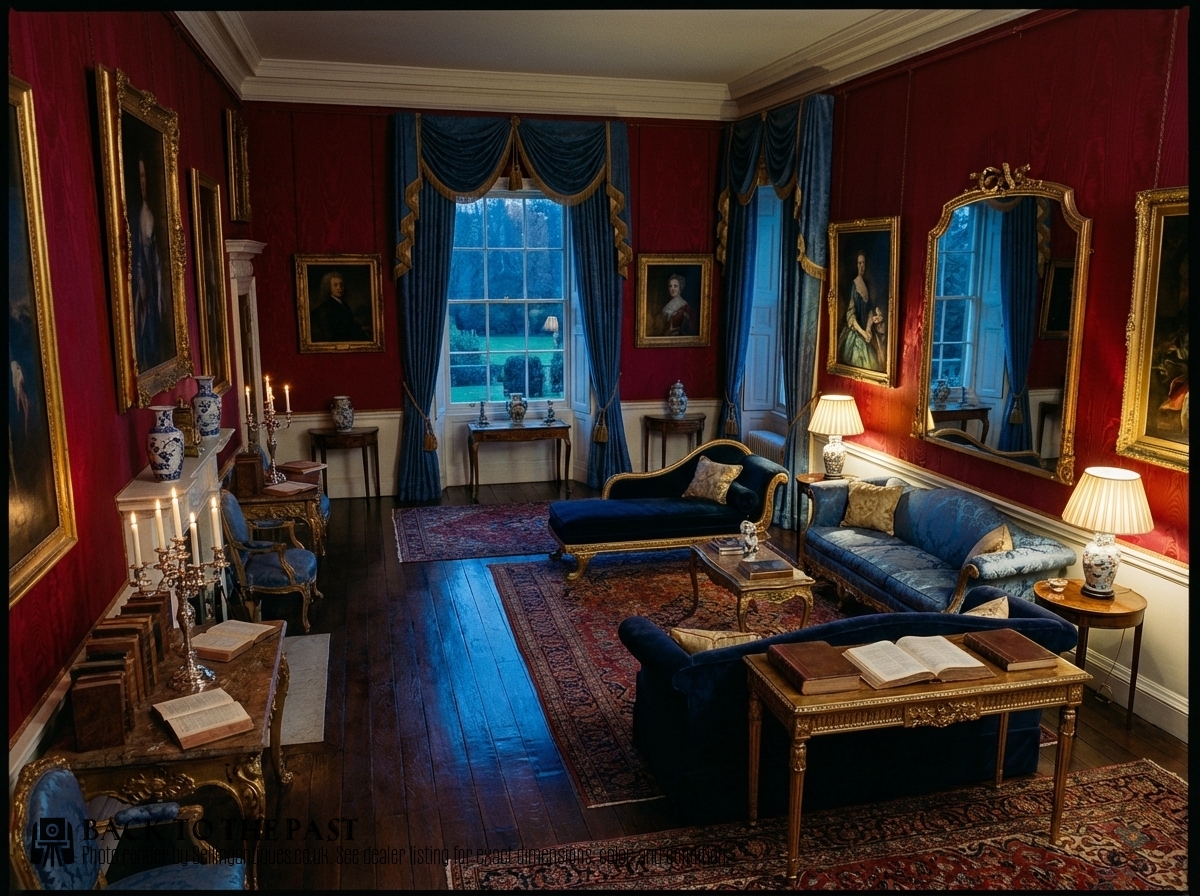
These large mirrors are traditionally placed directly above a fireplace mantelpiece to anchor the room's focal point. Their generous scale bounces light across the space and reflects surrounding interior details.
Ensure the wall structure and fixings are sufficiently robust to support the considerable weight of carved wood, gesso and glass.
How do I identify nineteenth century mirrors?
Examine the construction materials, joinery methods and framing styles such as Victorian or grand Regency designs. Nineteenth century examples frequently utilise heavy gesso over carved wood, water gilding, or timbers like walnut and mahogany.
Dates across the evidence span from eighteen fifty to nineteen hundred, showing distinct architectural forms like arched tops and column frames.
What is the difference between giltwood and water gilding?
Giltwood describes any wooden object coated in gold leaf or metallic finish. Water gilding is the specific traditional technique used to apply that leaf onto a gesso base.
Water gilded surfaces can be burnished with an agate stone to achieve a deep, reflective sheen distinct from modern paints.
Can these mirrors be used in modern rooms?
The grand scale and historic craftsmanship of nineteenth century mirrors provide a striking contrast against contemporary interiors. Placing a large arched or column framed piece in a modern setting adds architectural depth.
Their neutral gilded and wooden tones integrate easily with various colour schemes while retaining period character.