

Queen Anne Mirror
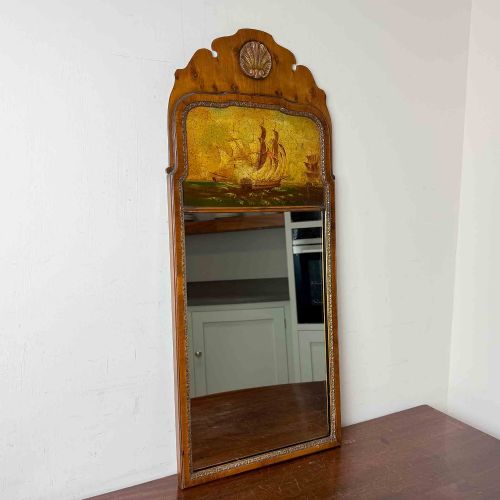
A queen anne mirror brings fluid symmetry and warm burr walnut figures to a wall or dressing surface.
Queen Anne Mirror
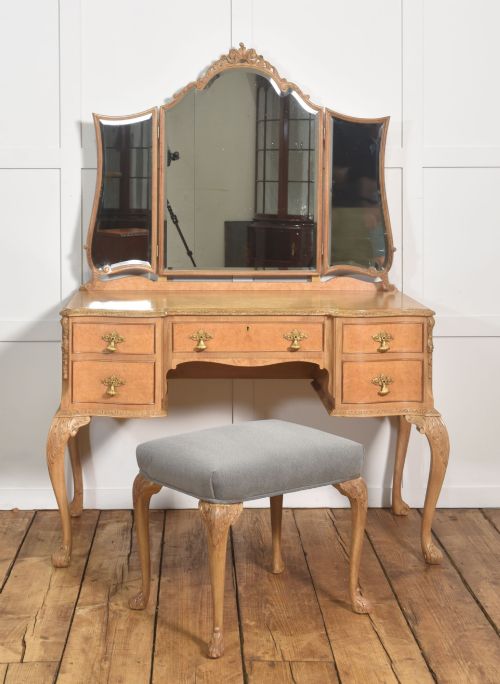
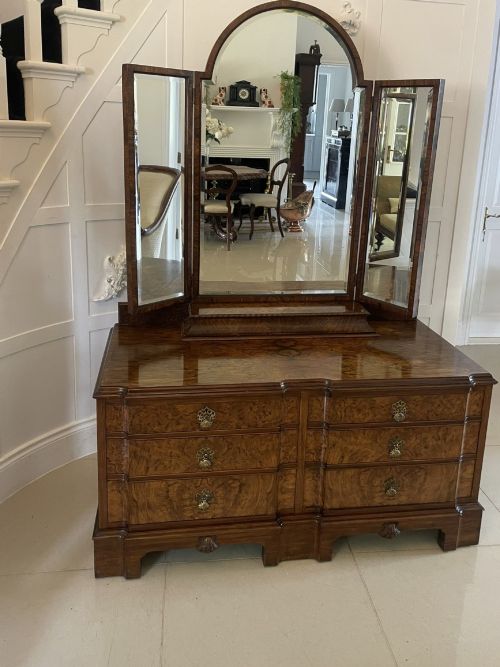
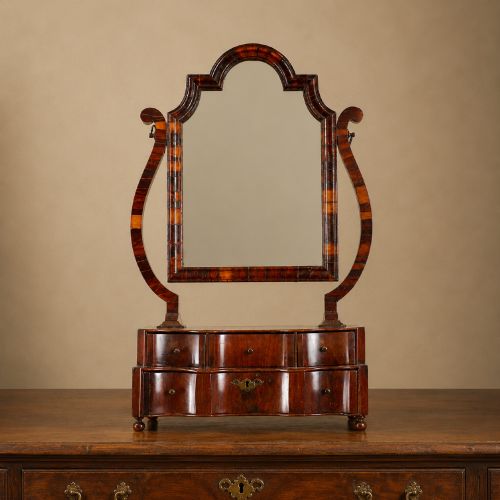
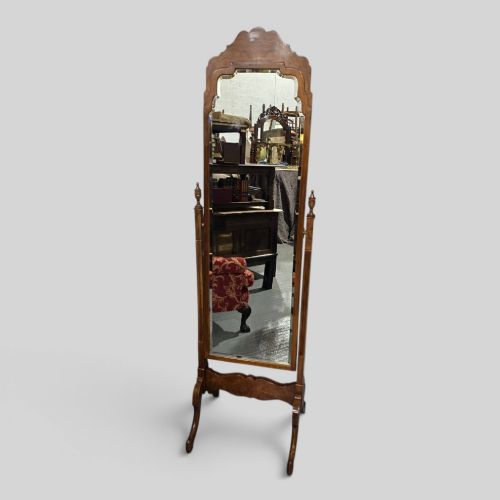
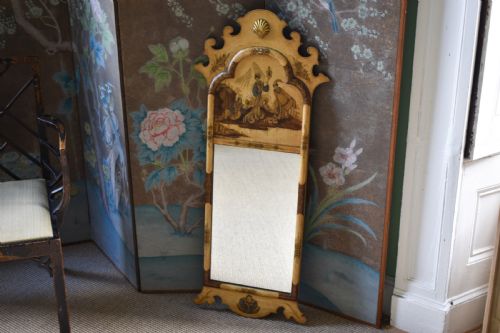
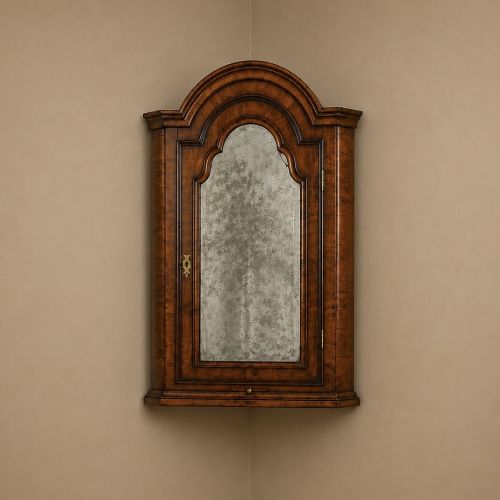
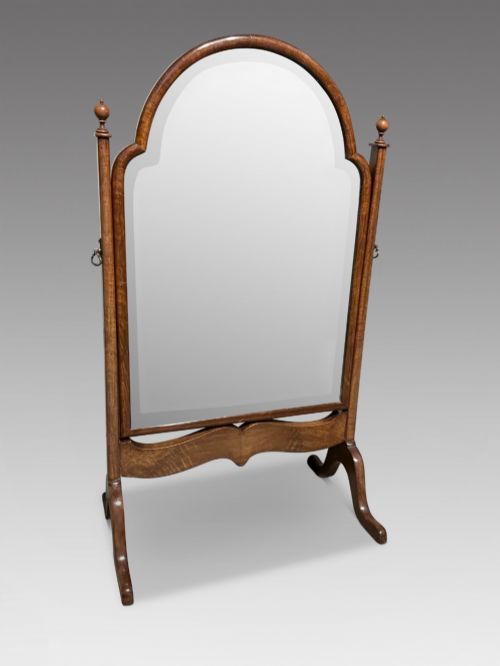
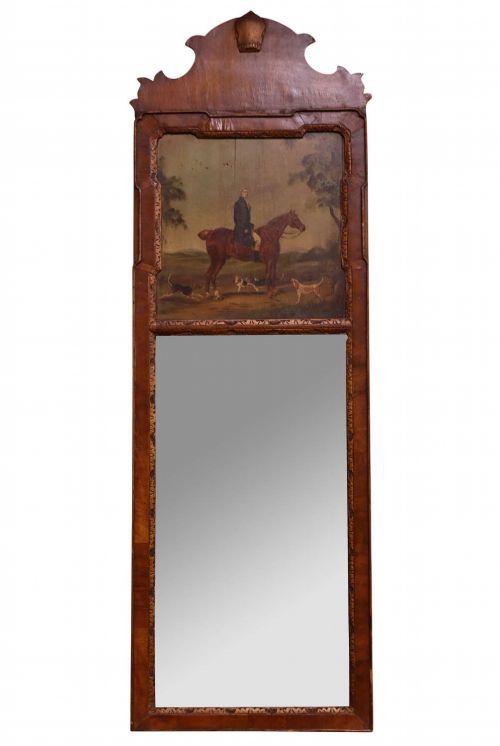
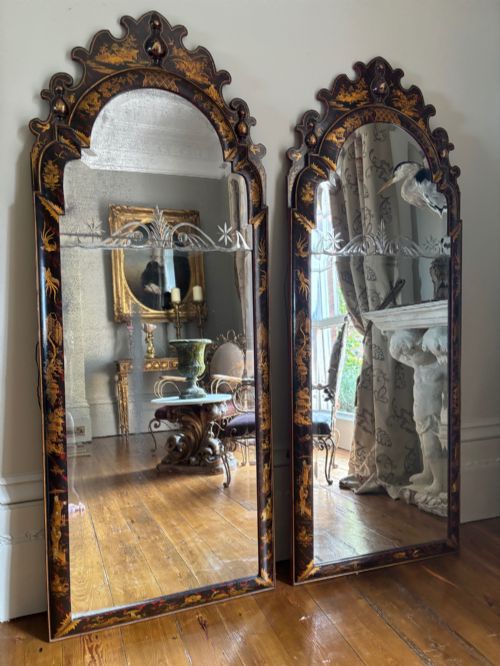
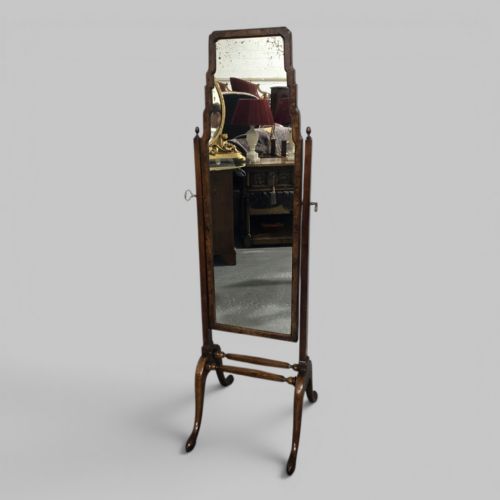
A queen anne mirror encompasses wall-hanging pier glasses, adjustable toilet mirrors for dressing tables, and tall cheval mirrors designed for full-length reflection. These pieces range from authentic eighteenth-century survivals to later revival interpretations produced during the late nineteenth and early twentieth centuries.
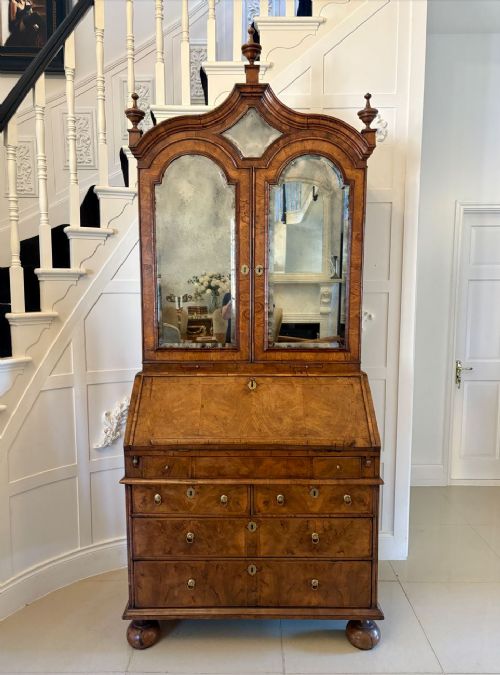
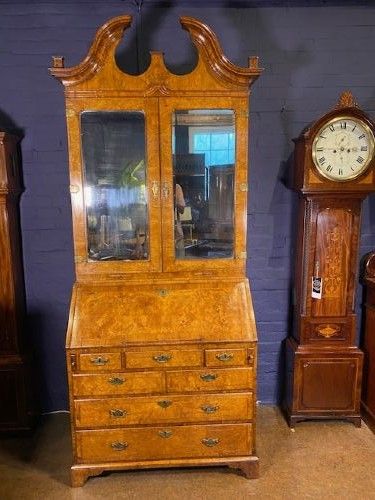
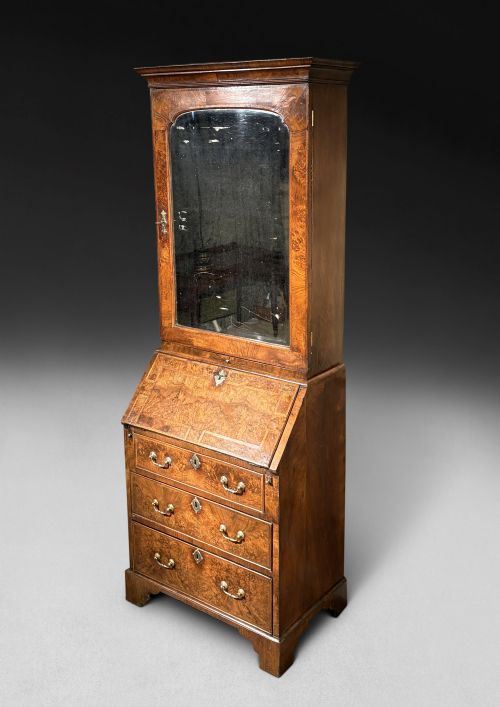
The aesthetic is defined by arched crests, subtle cushion mouldings, and figured veneers that highlight the natural grain of the timber. Alongside standard wall mirrors, the category frequently intersects with dressing table furniture and architectural bureau bookcases incorporating integrated glass plates.
How they were made
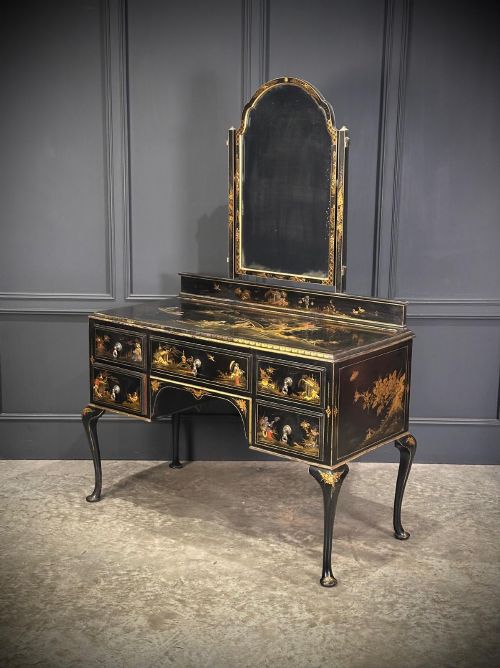
Cabinetmakers constructed these frames using soft or hard woods as a carcase, overlaid with carefully cut burr walnut, laburnum, or featherbanded veneers. Giltwood, gesso, and hand-painted lacquer finishes also appeared, particularly on pieces adopting ornate Chinoiserie decoration.
Early glass plates were hand-silvered and bevelled by hand, leaving subtle imperfections and wavy distortions across the reflective surface. Frames were joined with traditional cabinetry techniques, often incorporating original mirror plates secured within rebated backboards.
Queen Anne Mirror Retail Price Guide 2026
Typical asking prices for queen anne mirror among the pieces listed under this phrase on Sellingantiques today, from the lower quarter to the upper quarter. They describe what is for sale here now, not the wider market.
The record shows distinct revival phases around 1900 and 1920, frequently pairing walnut mirrors with matching dressing tables and bureau bookcases.
What varies in quality
The depth and selection of the timber veneer dictate much of the visual impact, with rich burr walnut and intricate featherbanding representing the upper tier of craftsmanship. Grain matching across the arched crest and symmetrical borders distinguishes superior examples from plainer production.
The survival of original mirror glass plates and undisturbed backboards elevates an object's integrity. Subtle details such as proportion in the scrolling pediment and clean execution of carved giltwood or japanned motifs separate standard revival pieces from finer workshop outputs.
The Queen Anne Mirror Glossary
- Featherbanding
- A decorative inlay technique where thin strips of veneer are cut and arranged in a herringbone pattern to frame drawer fronts or mirror borders.
- Pier glass
- A tall, narrow wall mirror traditionally hung on the stretch of wall between two windows.
- Cheval mirror
- A full-length floor-standing mirror suspended on a frame with pivoting side pins that allow the glass to tilt.
- Japanned
- A European imitation of East Asian lacquerwork, created by applying layers of resin and decorative metallic motifs onto a dark background.
- Cushion frame
- A moulded frame profile with a rounded, convex section that projects outward toward the outer edge.
Queen Anne Mirror: Frequently Asked Questions
How do I identify an 18th-century mirror?
Eighteenth-century examples typically show hand- bevelled glass with oxidized foxing and dense pine or oak secondary backing timbers behind the frame.
Construction details like hand-cut screws and old fixings further distinguish period originals from later revival interpretations.
Where should I hang a pier glass?
Pier glasses were originally designed to fit narrow wall spaces between windows to bounce daylight back into panelled rooms.
In modern interiors, they work effectively above console tables or fireplaces where vertical wall proportions require emphasis.
What is a toilet mirror?
A toilet mirror is a smaller dressing glass mounted on a miniature bureau or a set of small drawers intended for tabletop use.
These pieces allowed users to adjust the angle of reflection while sitting at a dressing table.
Are revival mirrors authentic antiques?
Revival pieces date mostly from the late nineteenth and early twentieth centuries, constructed in historical styles to satisfy Edwardian and Victorian tastes.
While not originating in the reign of Queen Anne, these items remain quality antique furniture in their own right.