
Walnut Framed Mirror
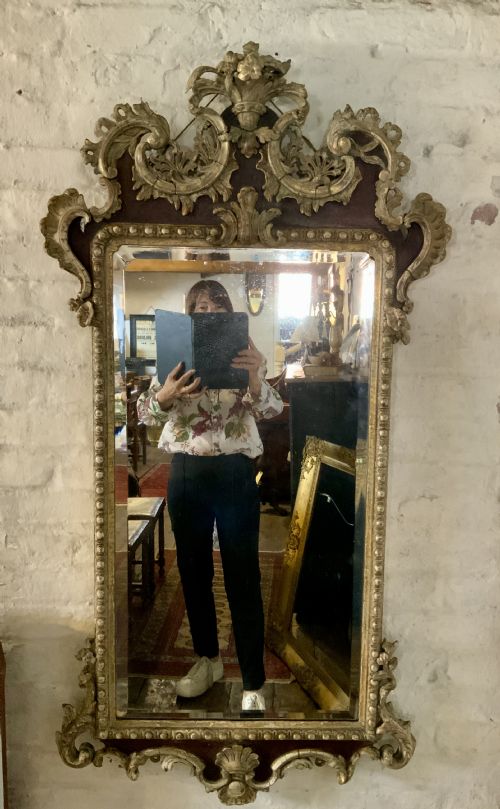
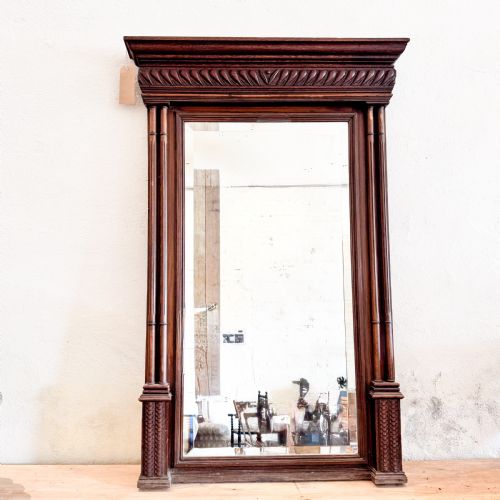
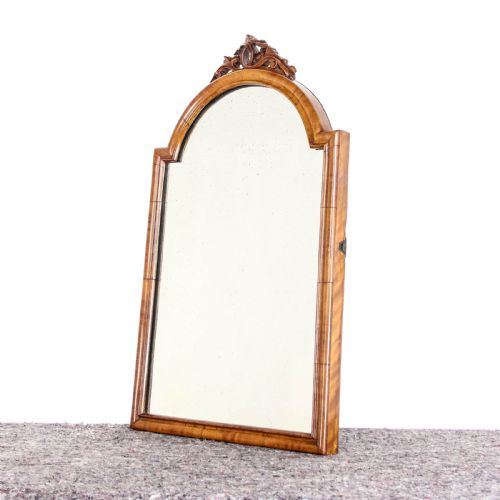
A walnut framed mirror brings rich timber grain and deep historical character to a room, ranging from restrained Queen Anne plates to elaborate Victorian carvings.
Walnut Framed Mirror
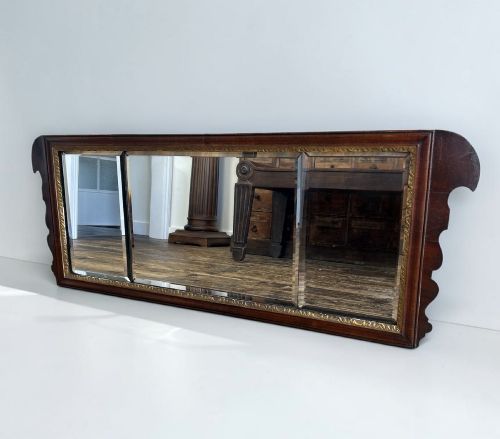
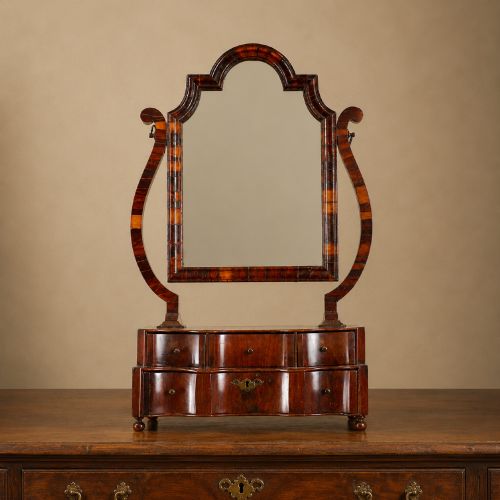
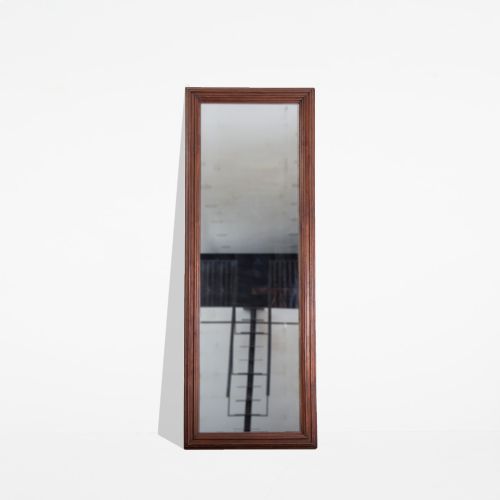
When you search for a walnut framed mirror, you encounter pieces spanning from the late seventeenth century through the twentieth century, with Georgian and Victorian examples appearing most frequently. These objects take many forms, including simple wall hanging plates, tall cheval dressing mirrors, and architectural overmantels designed for grand chimney breasts.
Materials and Technique
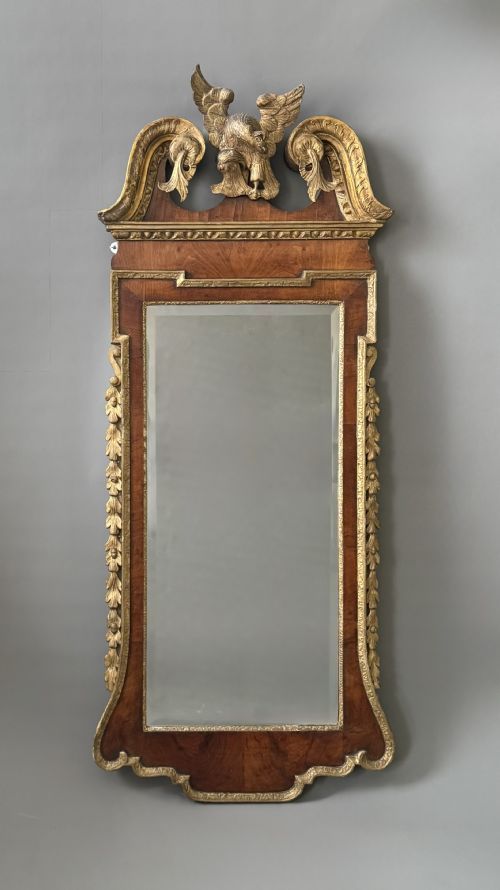
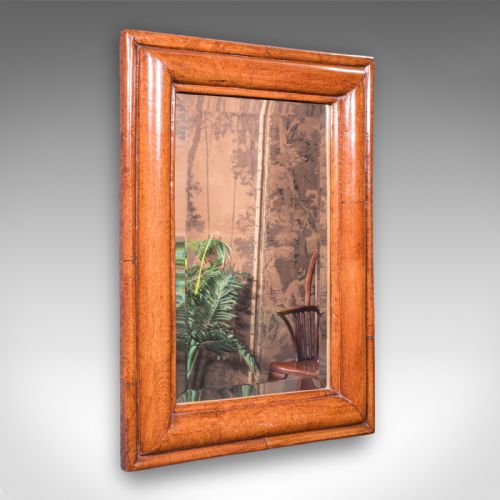
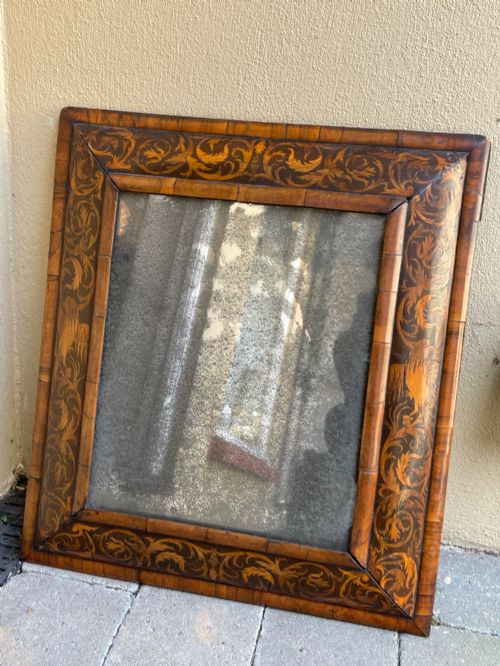
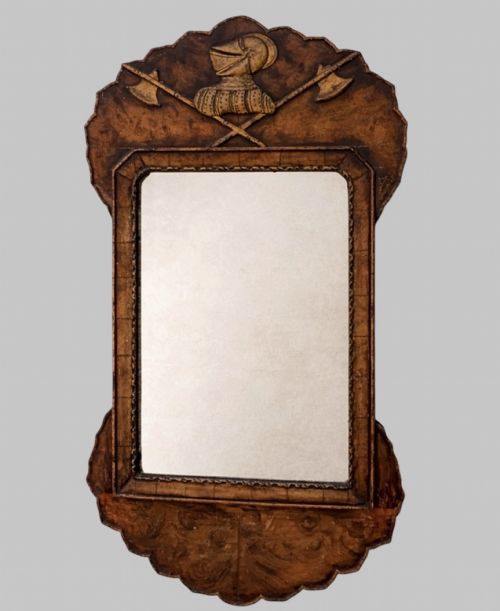
Cabinetmakers utilised solid walnut, burr walnut veneers, and oyster veneers arranged to highlight the natural swirling grain patterns of the wood. Parcel gilt details, gilded wood, and ebonised highlights frequently accent the frames, adding contrast to the warm brown tones of the primary timber.
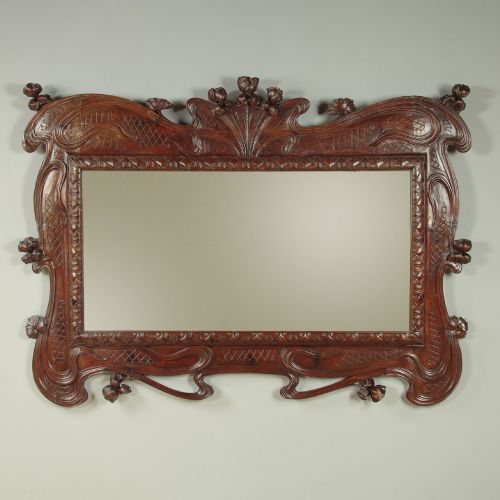
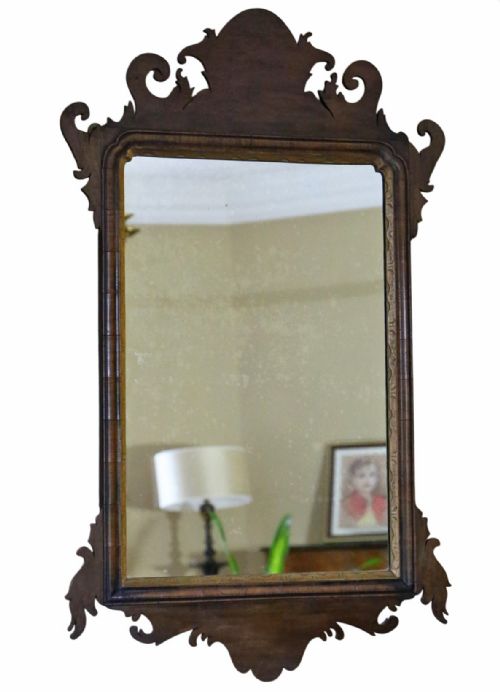
Early examples often feature cushion frames or fret-cut silhouettes sawn with precision scrolls, while later nineteenth and twentieth century pieces incorporate heavy carved ornamentation, crests, and bevelled glass plates held within sturdy structural backs.
Walnut Framed Mirror Retail Price Guide 2026
Typical asking prices for walnut framed mirror among the pieces listed under this phrase on Sellingantiques today, from the lower quarter to the upper quarter. They describe what is for sale here now, not the wider market.
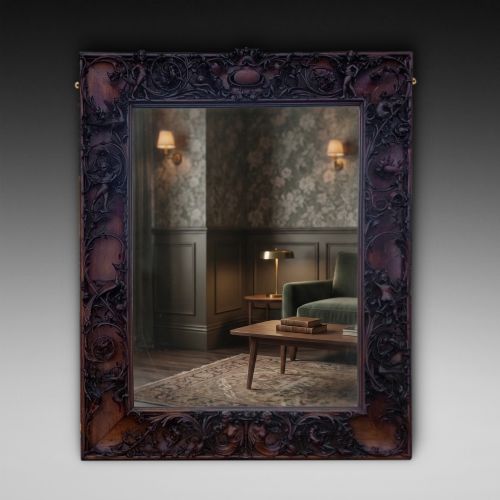
Several mirrors include carved cherubs and crown details, ensuring your reflection is watched over by tiny wooden royalty.
Quality and Construction
The distinction between standard examples and the finest items lies in the choice of timber veneer and the crispness of the carving or fretwork. High quality pieces display carefully matched burr walnut or meticulously laid oyster pieces that wrap harmoniously around the frame profile.
Original glass plates, period mercury backing, and intact gilded gesso enrich a piece significantly compared to replaced components or later alterations. Proportions also dictate value, with balanced scale and original backboards marking out superior craftsmanship.
The Walnut Framed Mirror Glossary
- Oyster veneer
- Cross-sections sliced from small branches or roots of walnut trees, producing circular or oval patterns resembling oyster shells. This technique gained prominence during the late seventeenth century.
- Fret-cut
- A silhouette pattern sawn through thin wood to create decorative borders, frequently seen on eighteenth century Georgian wall mirrors with scrolled outlines.
- Parcel gilt
- Partially gilded decoration applied to specific carved details or mouldings, leaving the surrounding walnut timber exposed to create visual contrast.
- Cushion frame
- A convex, rounded frame profile popular during the William and Mary period that accentuates the figured grain of the timber.
- Cheval mirror
- A freestanding full-length dressing mirror mounted on a vertical frame with pivoting side pivots, allowing the glass to tilt.
Walnut Framed Mirror: Frequently Asked Questions
How do I date an old walnut mirror?
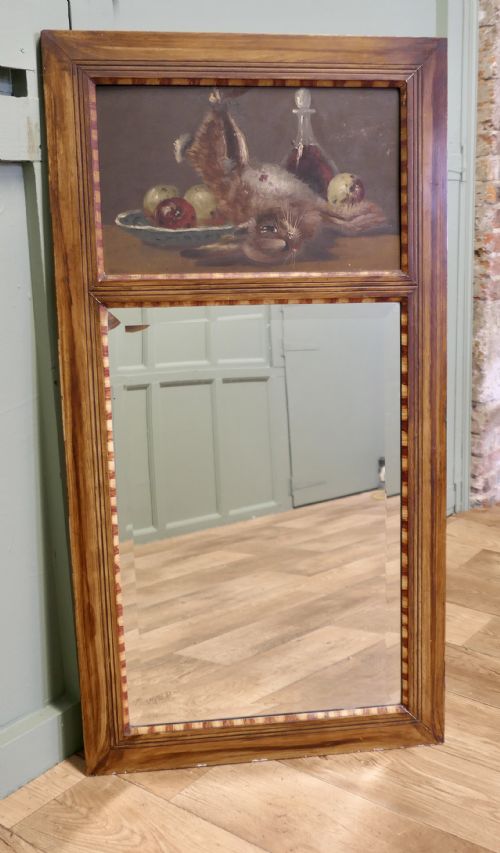
Dating relies on examining construction methods, timber choice, and edge bevelling on the glass plate. Early pieces from the seventeenth and eighteenth centuries often utilise pine or oak secondary woods behind hand-cut veneers.
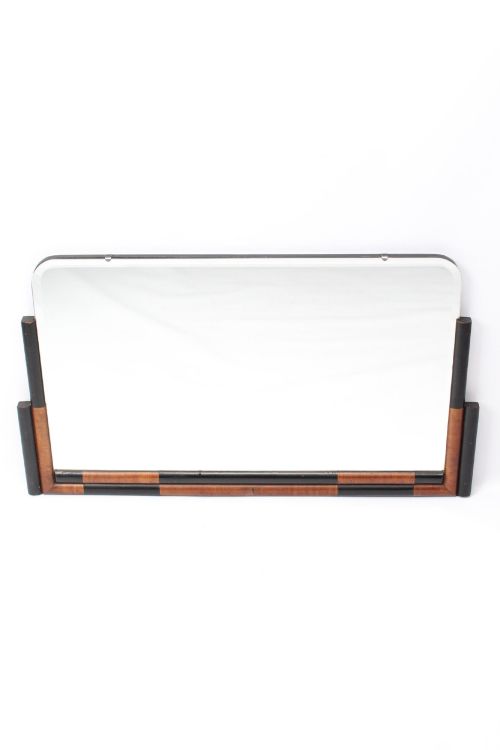
Later Victorian and Edwardian revivals tend to feature machine-sawn backing boards, heavier plate glass, and distinct architectural revival styling such as George II fretwork or Art Deco lines.
What is an overmantel mirror?
An overmantel mirror is a wide format looking glass specifically designed to hang on the wall directly above a fireplace mantelpiece. These pieces often echo the architectural proportions of the hearth below.
They appear frequently in Victorian and later twentieth century inventories, serving to reflect light and anchor the decorative scheme of a reception room.
Are original mirror plates common?
Original glass plates survive in select eighteenth century and nineteenth century pieces, identifiable by subtle surface ripples, minor foxing, and imperfections within the silvering. Many older mirrors received replacement glass during their working lives.
While original plates add historical value, replaced modern glass offers a clearer reflection for daily use in a contemporary home.
Where should I hang a heavy wooden mirror?
Heavy walnut frames require secure wall fixings distributed into wall studs or solid masonry to support the considerable weight of the timber and glass. Large overmantels and cheval mirrors need particularly robust support.
Positioning the frame opposite a window helps maximise natural daylight, transforming the mirror into an effective tool for brightening darker interior spaces.