

Antique Rectangular Mirror
The antique rectangular mirror brings proportion and reflected light to a room through centuries of timber frames, gilt gesso, and bevelled glass.
Antique Rectangular Mirror
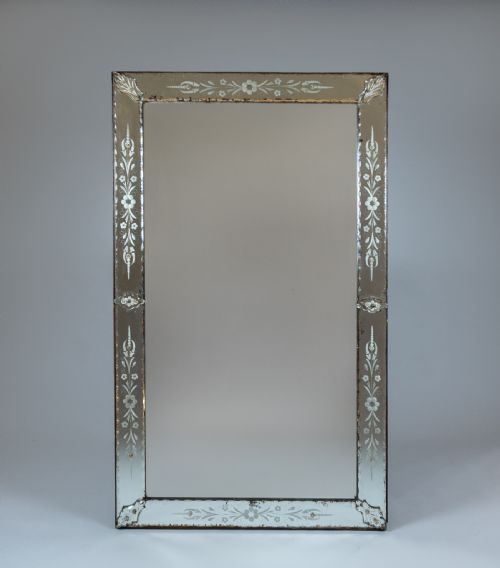
An antique rectangular mirror serves functional and decorative roles across domestic interiors, spanning forms from compact vanity and dressing pieces to large wall-hanging formats and architectural overmantels.
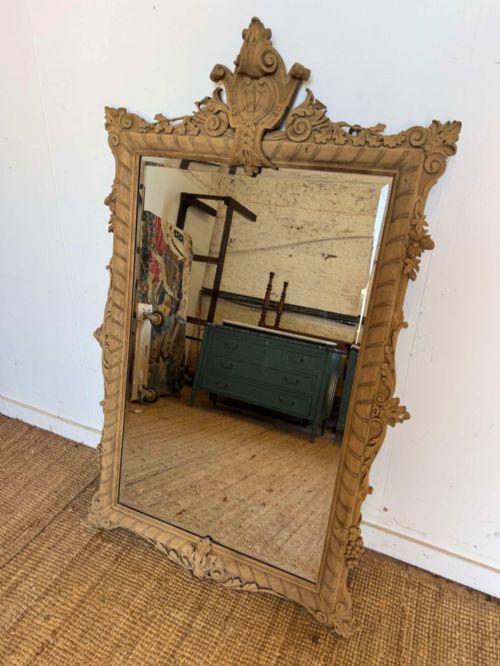
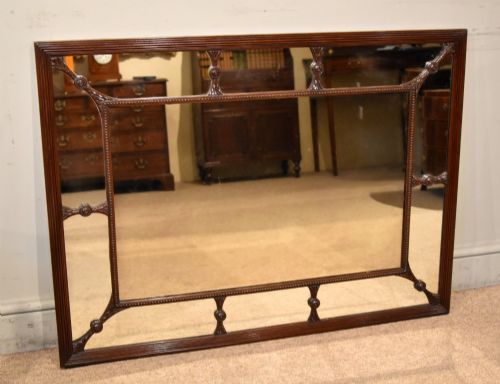
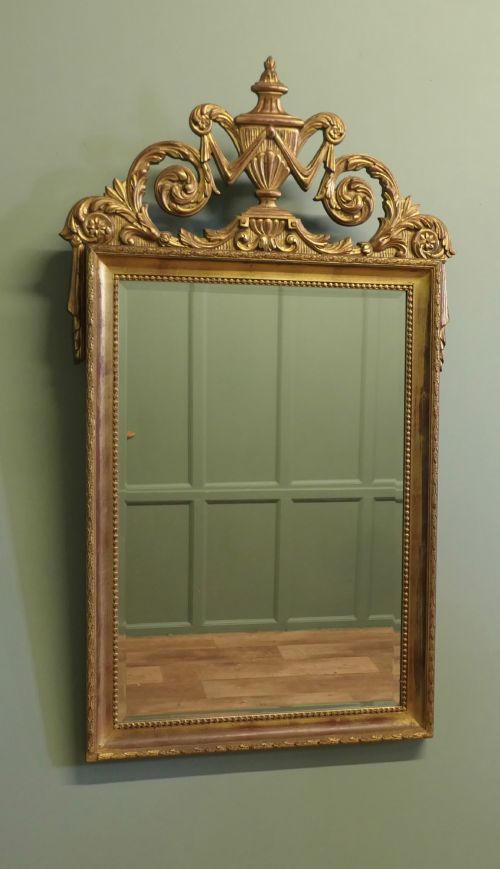
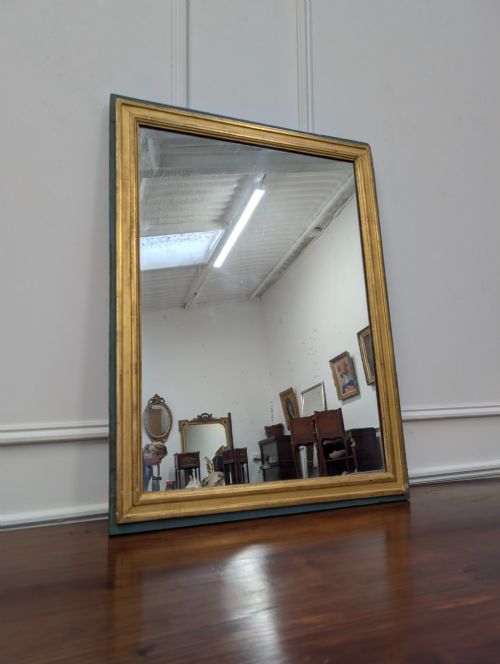
The selections encountered on this page encompass nineteenth-century French giltwood designs, Victorian mahogany and ebonised frames, Edwardian oak structures, and Arts and Crafts metalwork.
Buyers frequently select these items to anchor a mantelpiece, extend the sense of space in a hallway, or provide a focal point above a console table using historical proportions.
How they were made
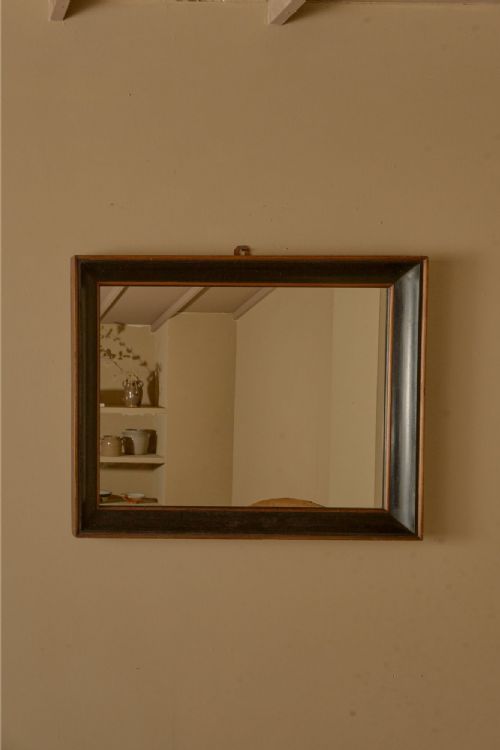
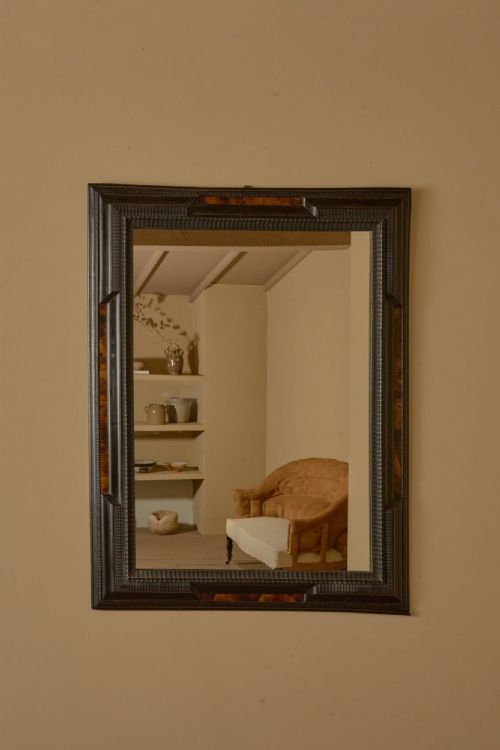
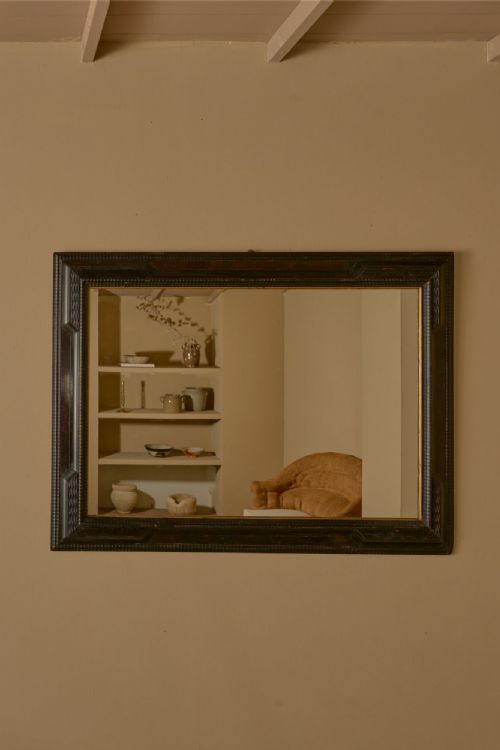
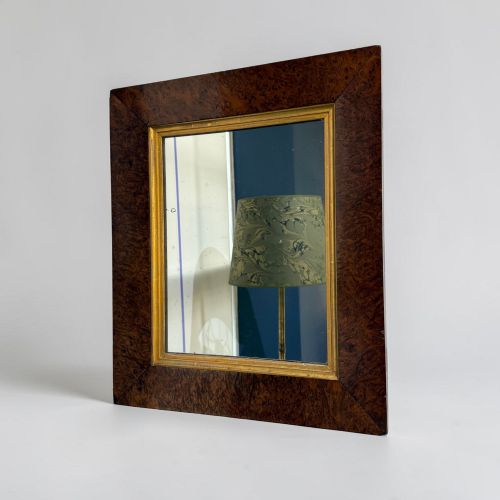
Carved timber frames utilise woods such as oak, walnut, mahogany, maple, and burr elm, sometimes finished with ebonisation or faux tortoiseshell effects.
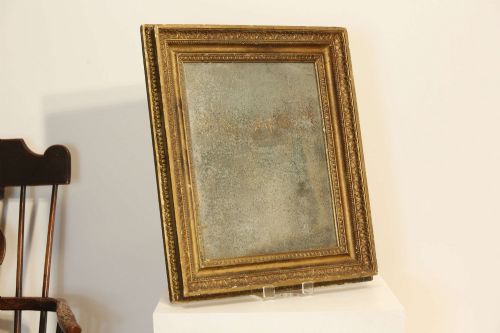
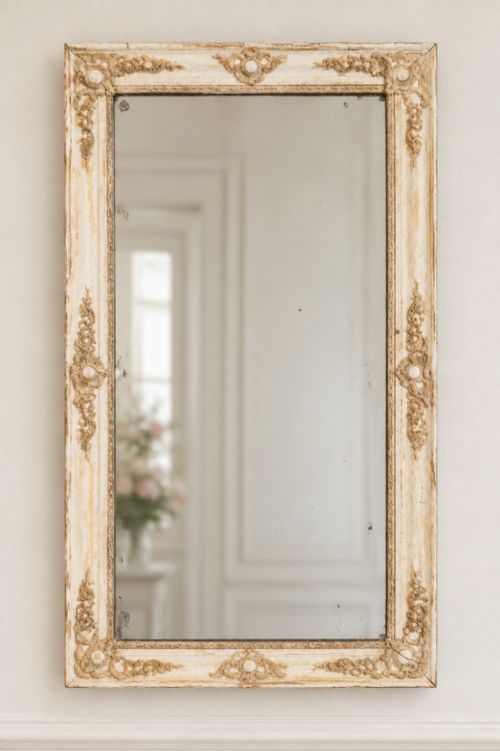
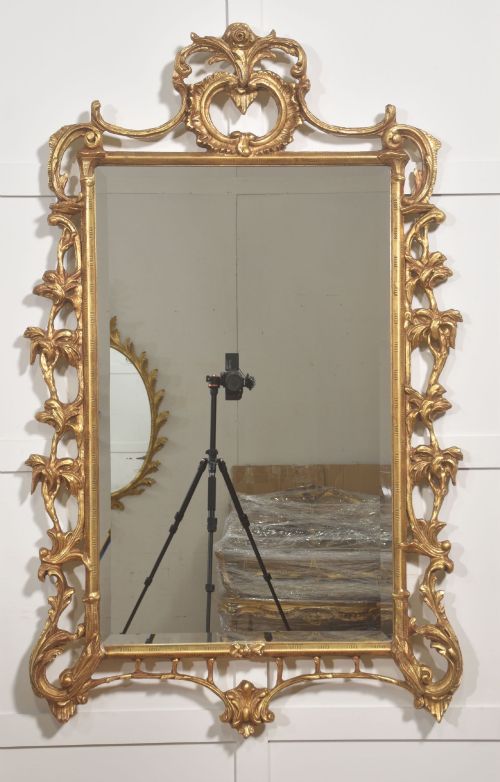
Gilded examples apply gold leaf or oil gilt over layers of gesso built upon wooden substrates, frequently incorporating moulded floral, mythological, or scrollwork ornament.
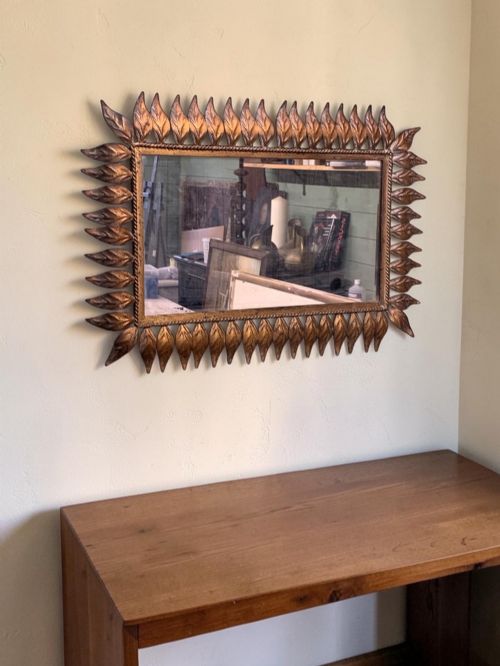
Metal-framed variants from the Arts and Crafts tradition employ hammered copper, brass, and silver plating, whilst mirror plates range from early mercury glass to later bevelled sheet glass.
Antique Rectangular Mirror Retail Price Guide 2026
Typical asking prices for rectangular mirror among the pieces listed under this phrase on Sellingantiques today, from the lower quarter to the upper quarter. They describe what is for sale here now, not the wider market.
Listings feature periods spanning from the early nineteenth century through the Edwardian era, incorporating walnut, oak, mahogany, and giltwood frames.
What varies in quality
Depth and crispness in carved wooden and gesso ornament distinguish standard production from superior craftsmanship, where floral and mythological details retain sharp relief.
The integrity of construction at the mitred corners and the preservation of original gilding or timber patination indicate how well a piece has survived its operational history.
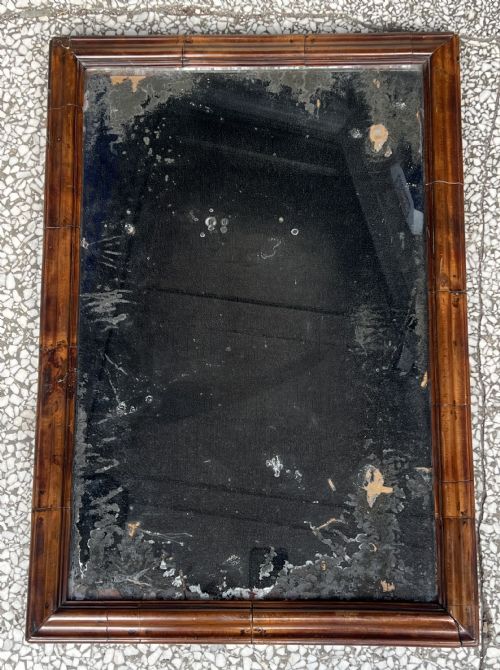
The condition of the reflective plate itself, whether featuring period foxing or replaced modern glass, influences the historical authenticity of the object.
The Antique Rectangular Mirror Glossary
- Trumeau
- A decorative wall mirror, often incorporating an oil painting or carved panel above the glass. These tall French pieces were designed to fit between windows.
- Overmantel
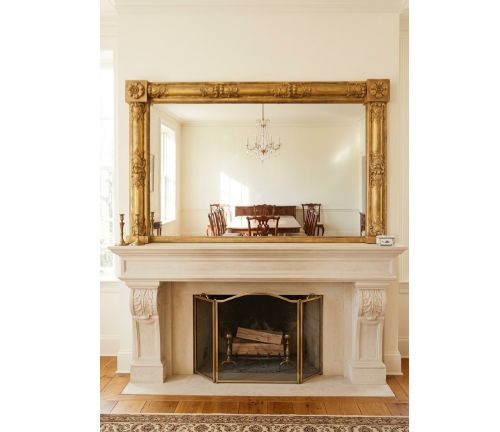
- A large horizontal mirror specifically scaled to hang above a fireplace mantel. They often feature robust giltwood or mahogany frames.
- Gesso
- A plaster-like mixture applied to wood frames to create a smooth surface for gilding. Intricate relief motifs are often moulded directly in this material.
- Foxing
- Small dark spots and clouding within the silver backing of older mirror glass caused by oxidation over time. This chemical ageing creates a characteristic mottled reflection.
- Cheval mirror
- A freestanding full-length dressing mirror mounted on a pivoting frame between four vertical pillars. They allow the glass to tilt at various angles.
- Pier mirror
- A tall, narrow mirror designed to hang on the wall space between two windows. They frequently match the vertical proportions of nearby architectural joinery.
Antique Rectangular Mirror: Frequently Asked Questions
How do I hang a heavy antique mirror?
Large framed mirrors require secure wall fixings distributed evenly across the structure, often utilising heavy-duty picture hooks anchored directly into wall studs or masonry.
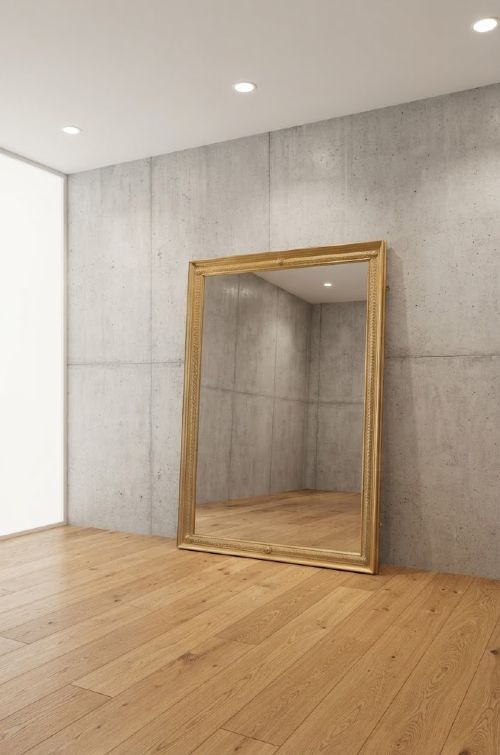
Overmantel and floor-standing leaner formats also benefit from additional wall tethering to prevent accidental toppling in high-traffic rooms.
What is foxed glass?
Foxing refers to the natural oxidation spots that develop behind the glass plate as moisture interacts with the silvering over decades or centuries.
Many collectors prize this characteristic for the gentle, distorted reflection it casts, though some pieces have had their plates replaced entirely with modern glass.
Can I place an overmantel mirror on a wall without a fireplace?
These wide formats function effectively above sideboards, low cabinets, or console tables to replicate the visual anchor normally provided by a fireplace.
Their horizontal proportions help balance long furniture groupings in dining rooms and living spaces.
How do I distinguish French giltwood from Victorian British frames?
French pieces from the nineteenth century frequently employ high-relief gesso carvings featuring floral and mythological motifs with bright oil gilt finishes.
Victorian British examples tend to favour darker timber structures like mahogany and walnut, or restrained ebonised finishes with simpler decorative mouldings.