




Classical Giltwood Mirror
A classical giltwood mirror brings the architectural symmetry of the Regency and Victorian eras directly into a modern room.
What They Are
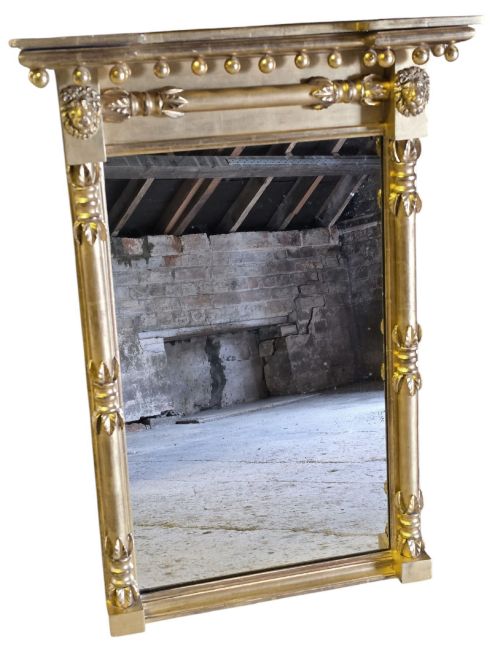
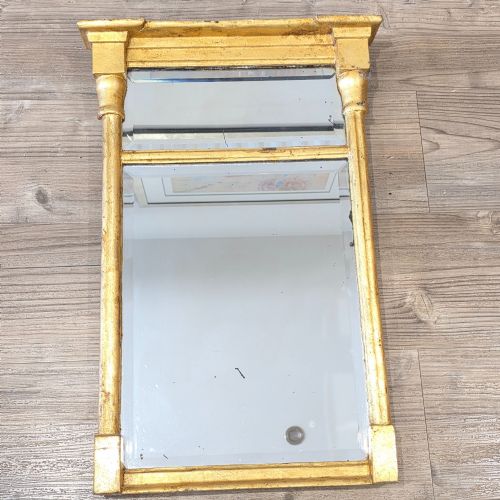
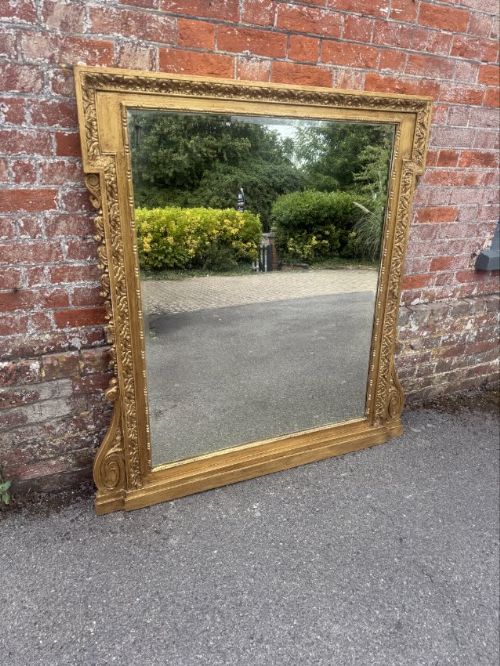
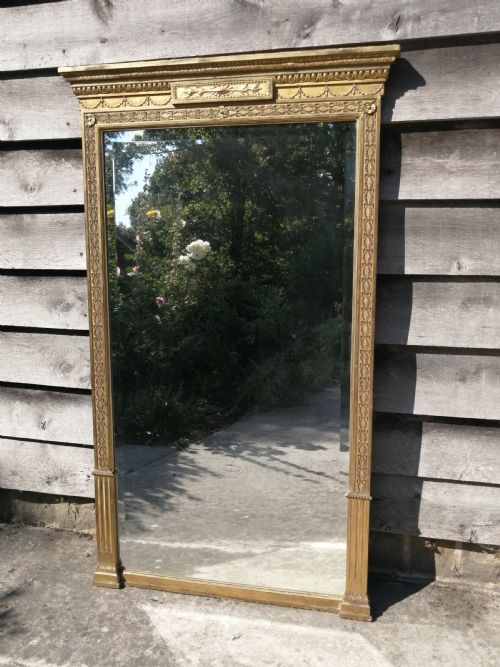
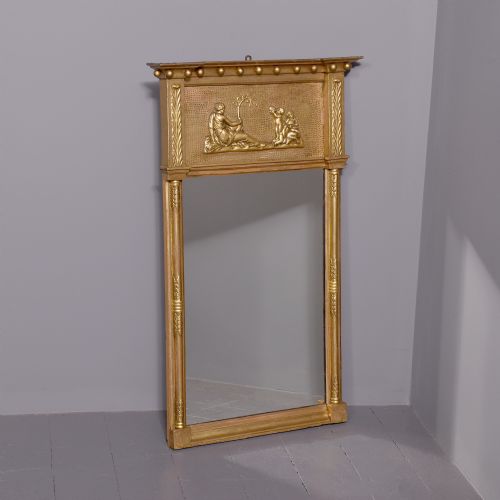
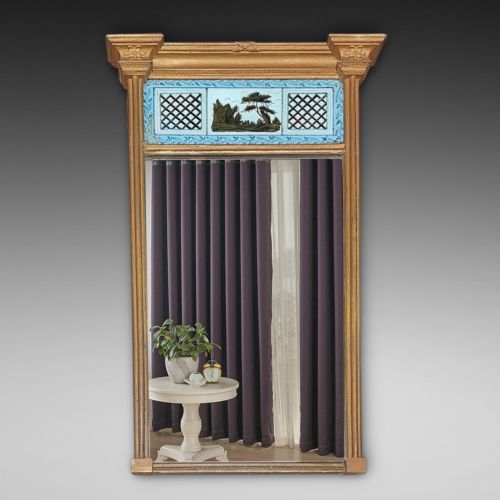
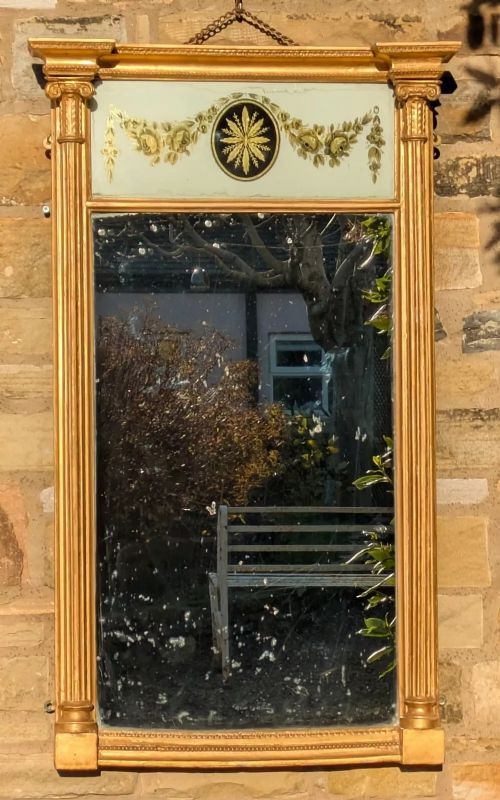
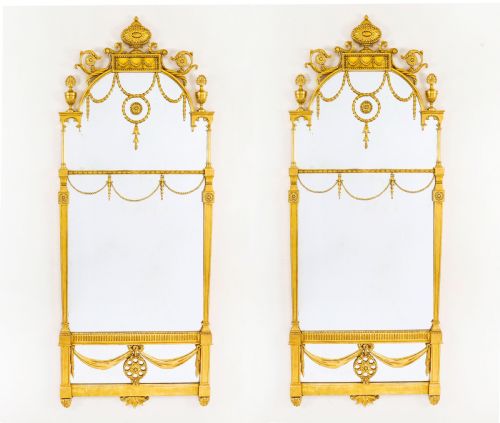
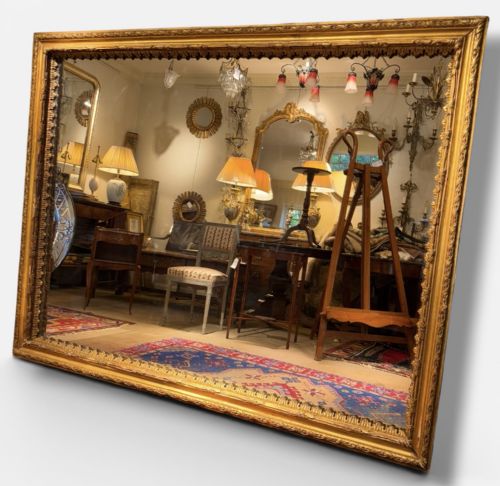
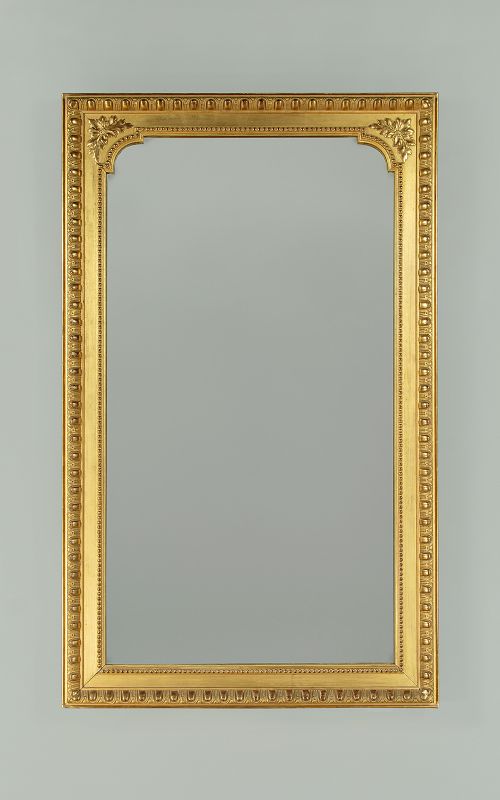
A classical giltwood mirror combines architectural discipline with reflective depth, serving as both a functional glass and a substantial decorative focal point. The examples recorded here span wall mirrors and overmantel mirrors, reflecting periods from the late Georgian era through to the late nineteenth century.
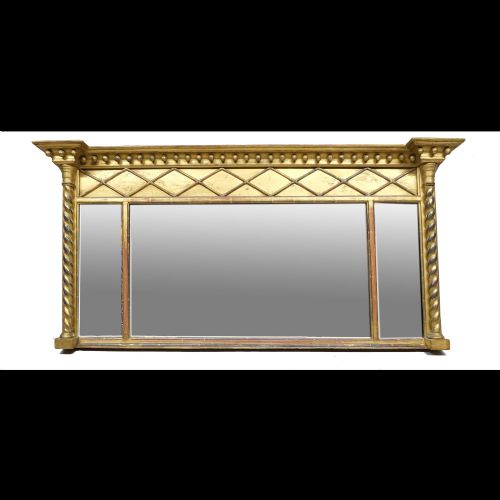
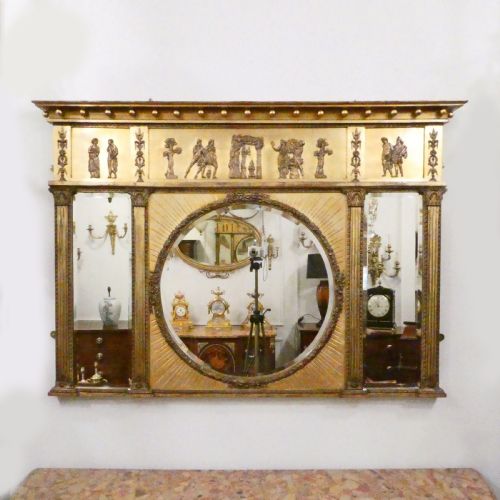
The dominant forms on this page include large overmantel mirrors and tall pier mirrors designed to anchor a principal reception room. Stylistic influences lean heavily on Regency, Neoclassical, and Victorian Classical designs, bringing formal balance and historic presence to an interior.
How They Were Made
The foundation of these frames typically relies on carved wood, shaped into architectural mouldings, arched tops, and decorative rope twist motifs. Over this wooden core, artisans applied layers of gesso to build up crisp relief details before the application of gold leaf or surface gilding.
Mirrors from this tradition utilise original glass plates alongside later replacements, housed within robust timber and gesso structures designed to support heavy reflective surfaces. The integration of metal elements alongside traditional wood and gesso appears in specific Victorian iterations.
Retail Price Guide 2026
Typical UK retail prices for classical giltwood mirror, calculated from the Sellingantiques database of over a million retail prices indexed since 2003. This retail price guide relies exclusively on Sellingantiques data; no external sources or auction records are used, so the figures do not describe the wider market.
Certain frames incorporate tactile rope twist carvings that invite a closer look at nineteenth-century woodworking techniques.
What Varies in Quality
The distinction between ordinary and exceptional pieces lies in the crispness of the carved ornament and the depth of the gesso relief beneath the gilding. Superior examples retain their original gold leaf surfaces and heavy proportions without excessive re-gilding that obscures the underlying hand-carved detail.
Proportion and scale dictate the visual success of a classical giltwood mirror, with grander overmantel formats demanding absolute symmetry in their architectural pediments and framing members. The survival of an original mirror plate adds considerable integrity to the piece.
The Classical Giltwood Mirror Glossary
- Giltwood
- Wood that has been coated with gold leaf or gold paint to create a rich, reflective metallic finish. This surface defines the visual character of classical frames.
- Gesso
- A plaster-like mixture applied to a wooden frame to create a smooth surface for carving and gilding. It allows for intricate decorative mouldings.
- Overmantel Mirror
- A large mirror specifically designed to hang above a fireplace mantelpiece. These pieces often feature wide horizontal proportions.
- Pier Mirror
- A tall, narrow mirror designed to hang on the wall space between two windows. They make efficient use of reflected light in historic interiors.
- Neoclassical
- A style spanning the eighteenth and nineteenth centuries that draws inspiration from classical antiquity. It emphasises symmetry, straight lines, and classical motifs.
Frequently Asked Questions
Where should I hang an overmantel mirror?
An overmantel mirror traditionally sits directly above a fireplace mantelpiece to reflect light and anchor the main wall of a principal room. Its horizontal proportions complement the hearth beneath.
Ensure the wall fixings match the substantial weight of the timber and gesso frame before mounting the mirror securely in place.
How do I care for giltwood surfaces?
Dust giltwood frames gently with a soft, dry brush to prevent any accumulation of dirt within the intricate carved recesses. Avoid liquid cleaners and modern chemicals that damage the delicate gold leaf.
Keep the mirror away from direct heat sources and excessive moisture to protect both the wooden substrate and the gesso preparation.
What is a pier mirror?
A pier mirror is a tall, narrow mirror historically designed to fit the narrow stretch of wall between two windows. This placement maximised daylight within a formal reception room.
These vertical pieces draw the eye upward and work effectively in hallways or spaces with high ceilings.
How do I identify a Victorian classical mirror?
Victorian classical mirrors often feature heavier proportions and robust gesso mouldings that adapt earlier Regency and Neoclassical motifs. They frequently appear as large overmantels.
The materials typically include carved wood, gesso, and sometimes incorporated metal elements alongside traditional gold leaf finishes.