
Regency Gilded Mirror
A regency gilded mirror brings period reflection and bright gilt warmth into a room, capturing light across convex plates and architectural frames.
Regency Gilded Mirror
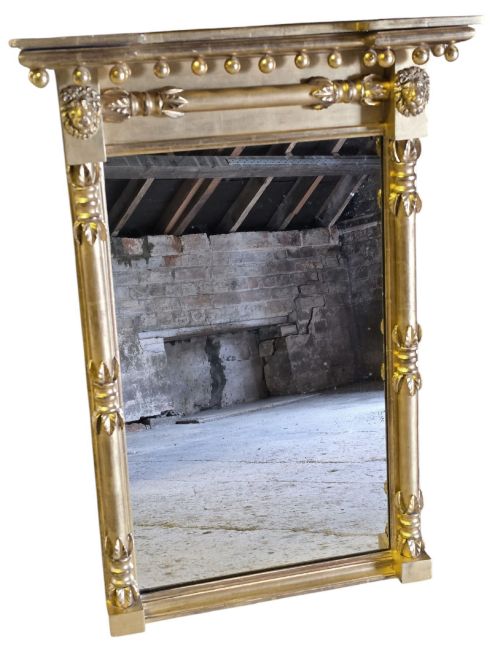
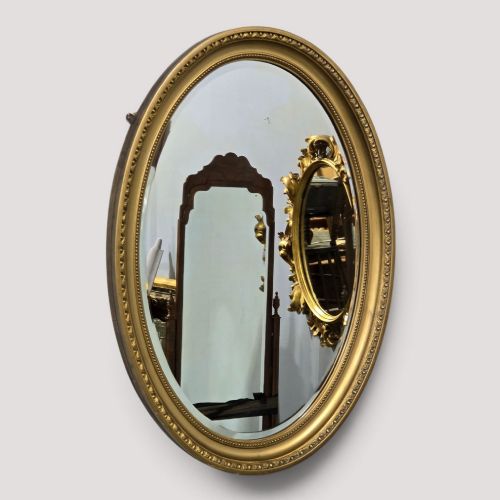
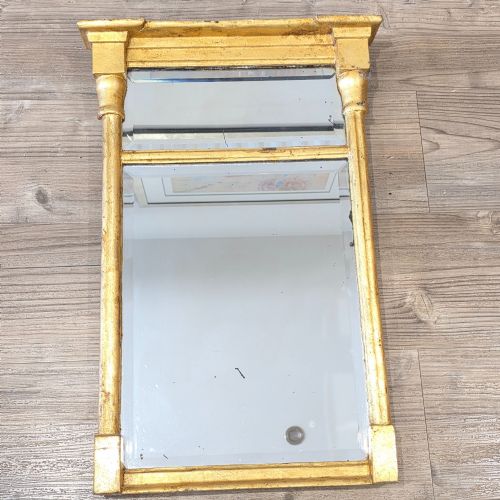
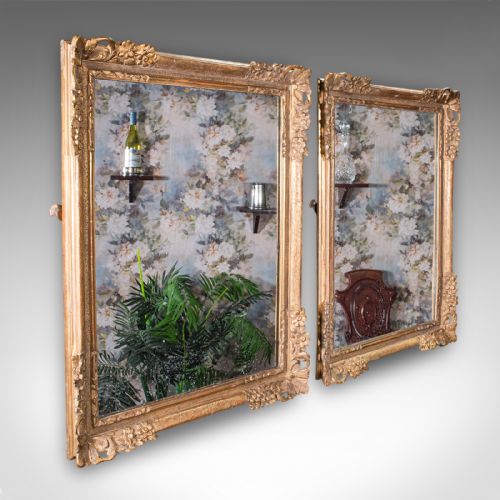
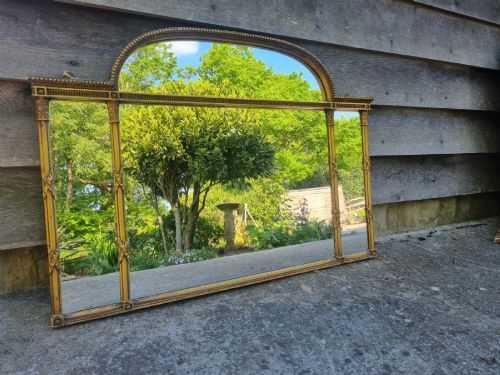
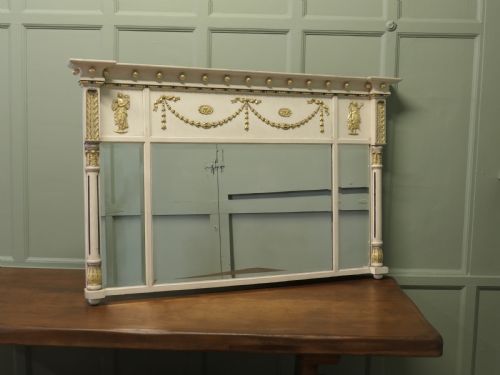
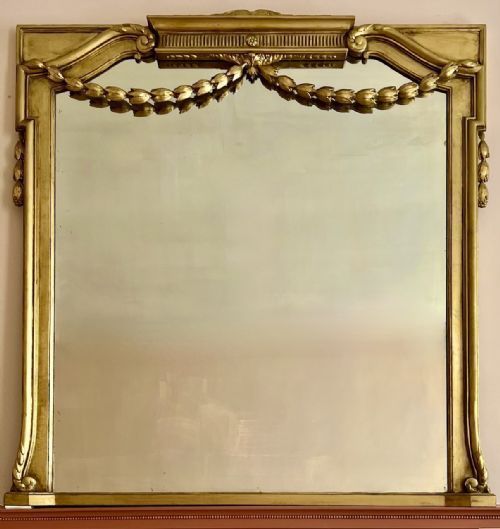
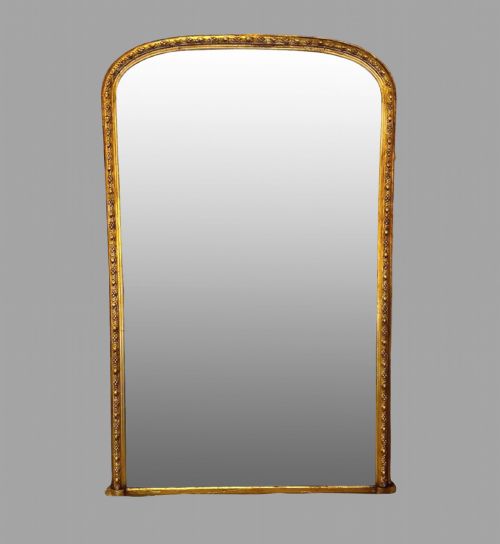
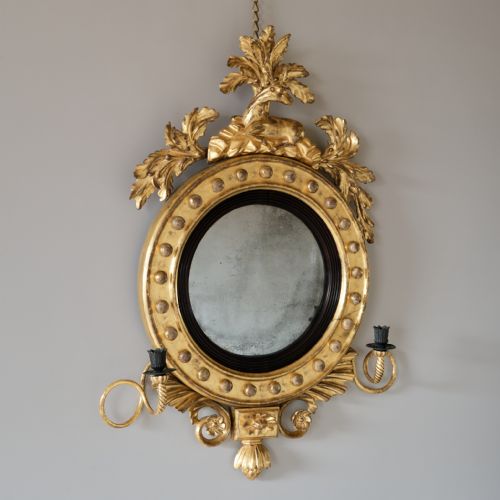
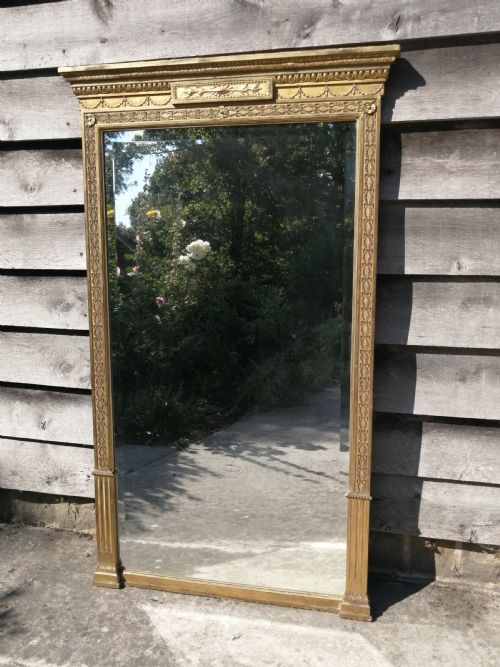
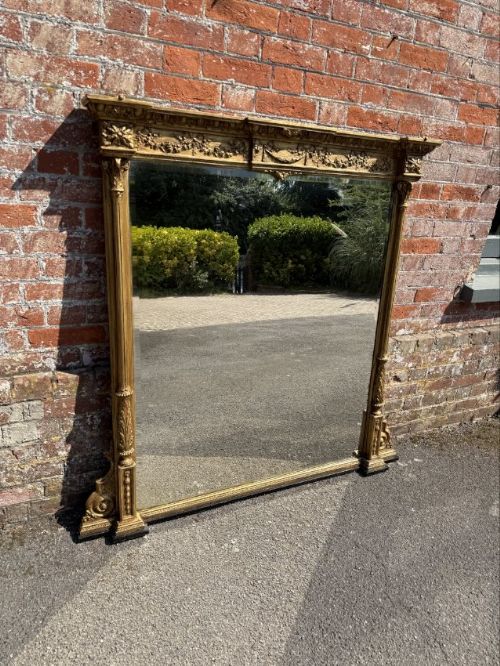
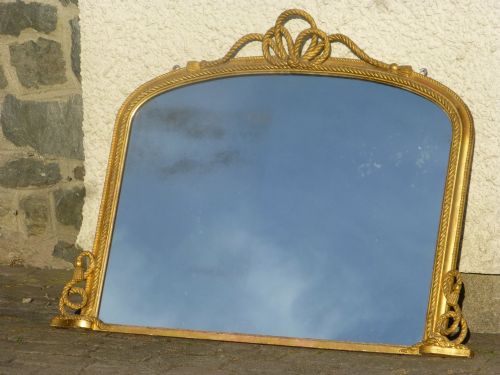
A regency gilded mirror is defined by its architectural presence and bright surface, appearing most often on this page as grand overmantels, tall pier glasses, and circular convex wall mirrors. These pieces originate primarily from the nineteenth century, drawing heavily on neoclassical design principles with clean lines and balanced proportions.
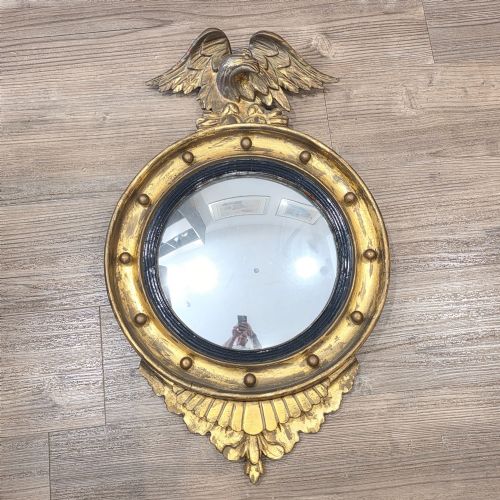
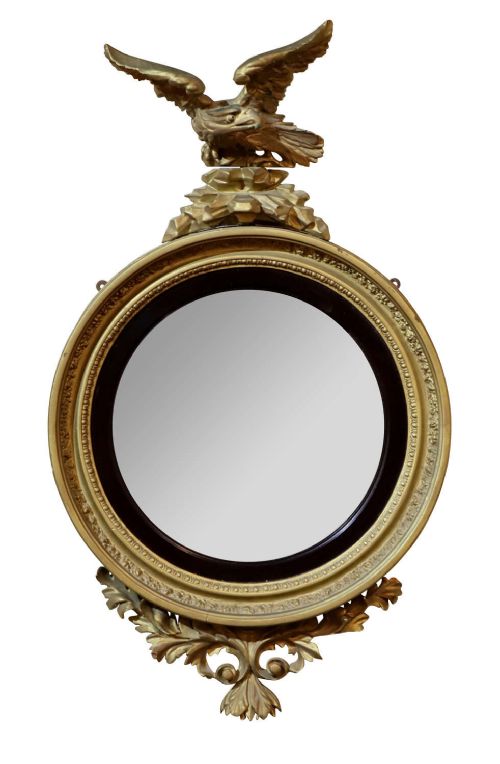
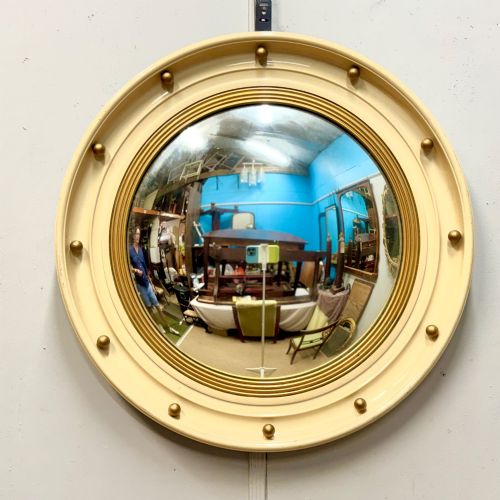
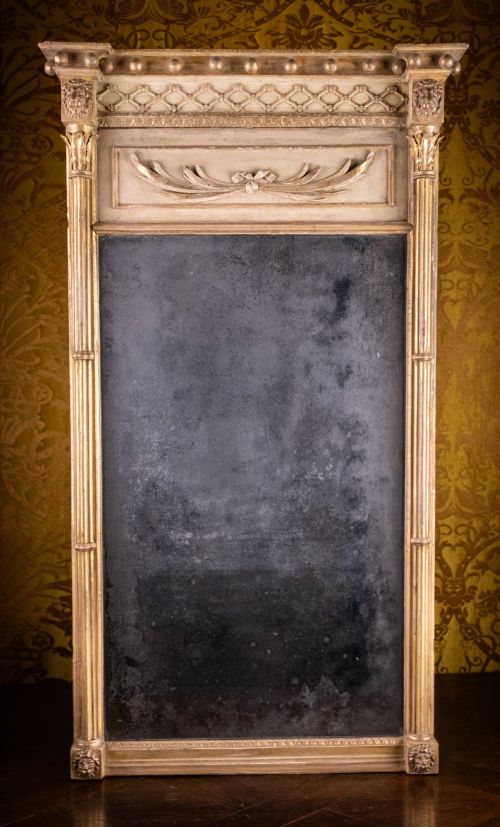
Buyers will encounter substantial overmantel mirrors designed to sit above fireplace openings, alongside vertical pier mirrors built to occupy the narrow wall space between windows. Circular convex mirrors, often called butler's mirrors or bullseyes, also appear frequently with eagle surmounts or ball-studded frames.
The selection bridges genuine period items from the early eighteen-hundreds and later revival pieces produced during the Victorian and Edwardian eras. Regional English country house examples sit alongside more formal urban designs, offering variety in scale from diminutive wall pieces to massive leaner formats.
Materials and Construction
Makers constructed the foundational frames using timber such as pine or hardwood, applying layers of gesso to create smooth surfaces for gilding. Composition ornament, a mouldable mixture of whiting, glue, and resin, was pressed into relief and applied to the wood to form classical motifs like rope twists, lion masks, and acanthus leaves.
Gilding was executed using thin gold leaf applied over bole, sometimes utilising water gilding techniques that allowed for burnishing to a high shine. Mirror glass was silvered by hand or utilised early plate methods, frequently resulting in foxed plates with characteristic dark spots where the backing has aged.
Regency Gilded Mirror Retail Price Guide 2026
Typical asking prices for regency gilded mirror among the pieces listed under this phrase on Sellingantiques today, from the lower quarter to the upper quarter. They describe what is for sale here now, not the wider market.
Several convex mirrors keep a watchful eye over the room aided entirely by carved wooden eagles perched upon the crest.
Assessing Craftsmanship
Quality in a regency gilded mirror rests upon the crispness of the carved or moulded ornamentation and the depth of the gilding layers. Finer examples display sharp definition in details like eagle surmounts, reeded columns, and verre eglomise panels, whereas lower tiers show softened mouldings from worn production blocks.
The integrity of the original mirror plate and frame construction also dictates the standing of a piece. Original silvered glass, hand-carved wooden elements rather than heavy composition substitutes, and untouched surfaces separate standard revival items from superior period works.
Gillows Of Lancaster
The Regency Gilded Mirror Glossary
- Giltwood
- Wood that has been decorated with gold leaf. This material provides the primary metallic finish seen across nineteenth-century frames.
- Convex mirror
- A round mirror with a bulged glass plate that reflects a wide, curved field of vision. These pieces are frequently surmounted by carved eagles or figures.
- Verre eglomise
- A process of cold painting and gilding on the reverse side of glass. It appears here as decorative black and gold panels incorporated into pier mirrors.
- Pier mirror
- A tall vertical glass designed to hang on the wall space between two windows. They often incorporate console tables or column details.
- Gesso
- A plaster mixture applied to wooden frame bases to prepare the surface for gilding. It holds detailed moulded reliefs securely.
- Foxed plate
- Mirror glass displaying dark age spots caused by oxidation behind the glass. Collectors value this trait as proof of original age.
Regency Gilded Mirror: Frequently Asked Questions
Where should I hang an overmantel mirror?
These large horizontal mirrors traditionally anchor the space directly above a fireplace mantelpiece, reflecting light back into the room.
They also function effectively on main living room walls as statement focal points when hung at eye level.
What is the difference between a convex mirror and a pier mirror?
Convex mirrors feature round, outward-curving glass plates that capture a panoramic view of an interior. Pier mirrors are tall and rectangular, built to fit narrow wall partitions between windows.
Both styles utilise gilt frames but serve entirely different architectural functions within a historic room scheme.
How do I identify original nineteenth-century glass?
Original glass often exhibits slight distortions, uneven thickness, and natural foxing where the backing has degraded over time. Modern replacement plates present a uniform, flawless reflection without age spots.
Examining the silvering from the reverse side helps confirm the age of the plate.