


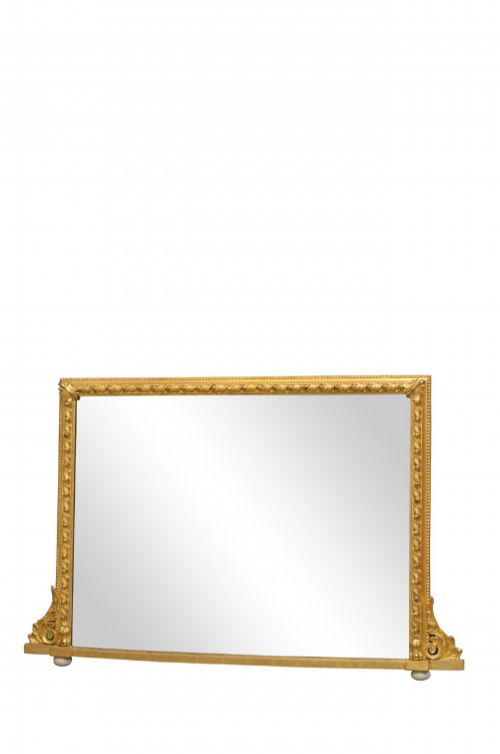

Regency Mantle Mirror
These regency mantle mirror examples are classic overmantel glass pieces shaped for period interiors and sought after for architectural presence.
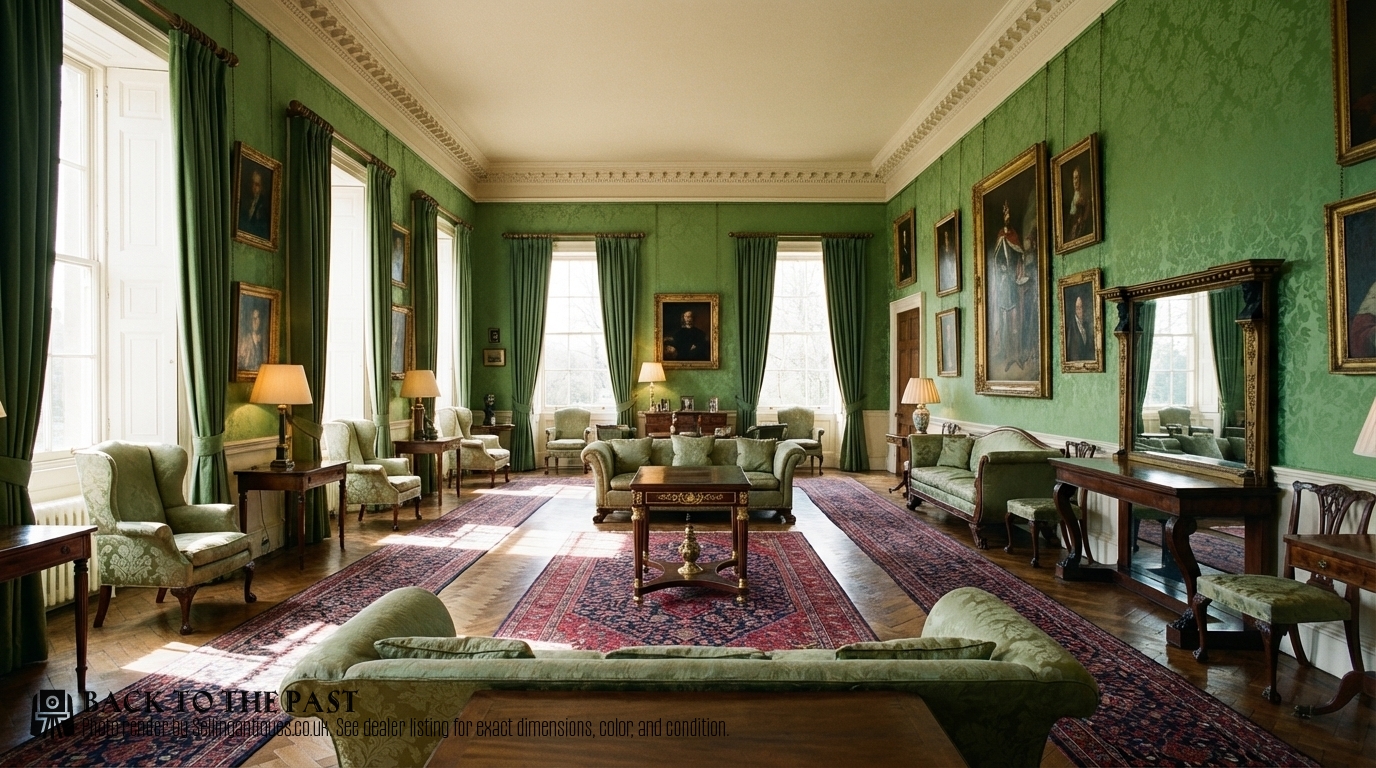
What They Are
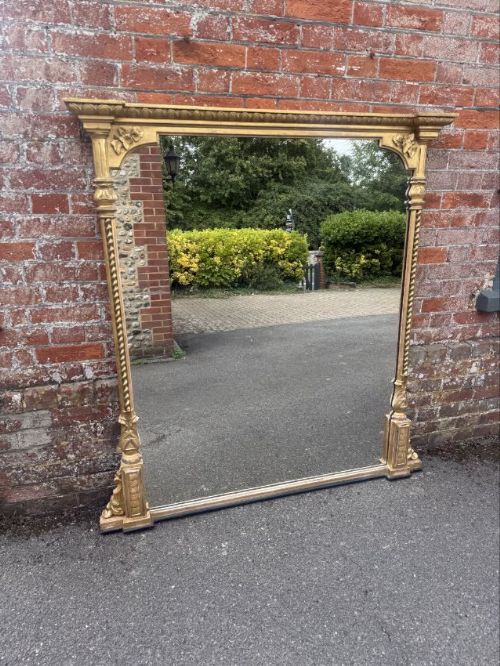
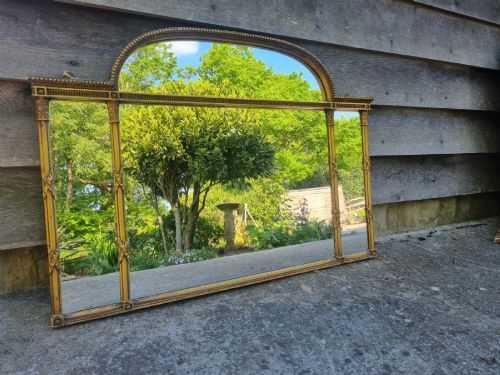
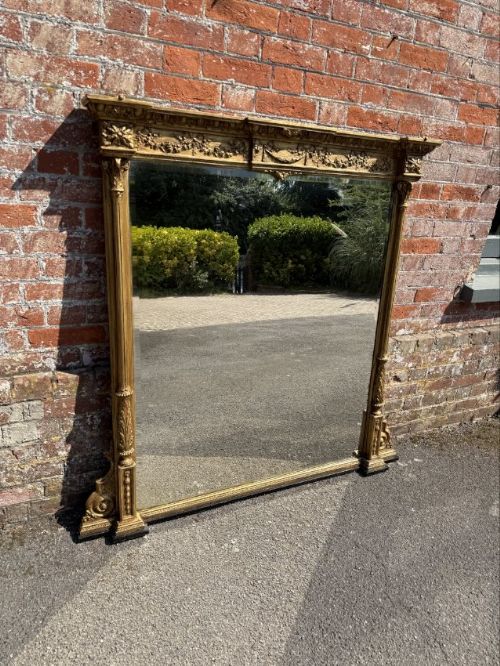
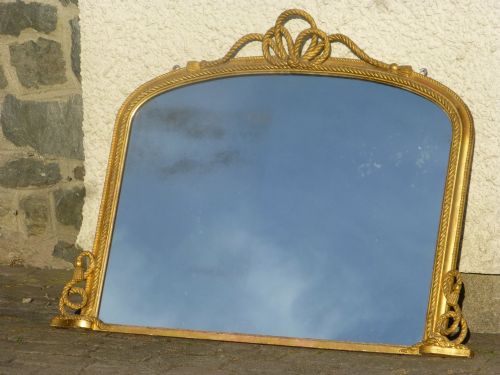
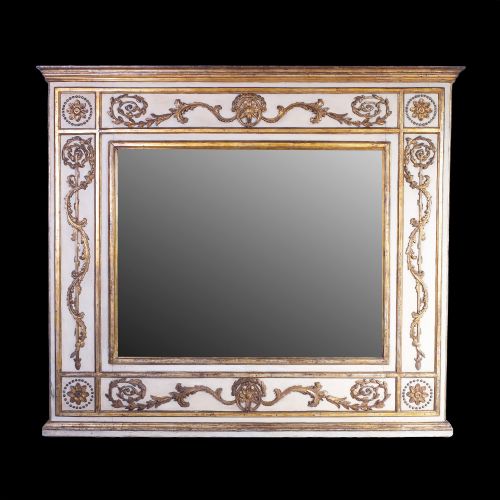
A regency mantle mirror is an architectural overmantel glass designed to sit above a fireplace in rooms from the nineteenth century. Most examples found here emerge from the Regency period or late Georgian era, often taking rectangular forms that stretch horizontally across a chimney breast.
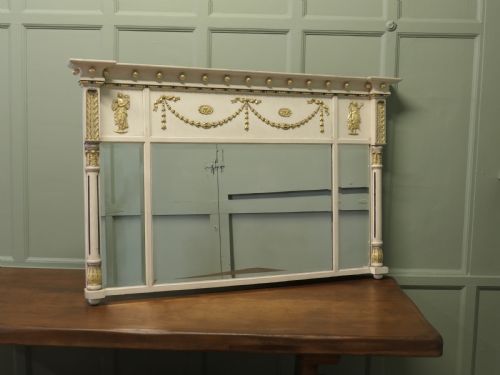
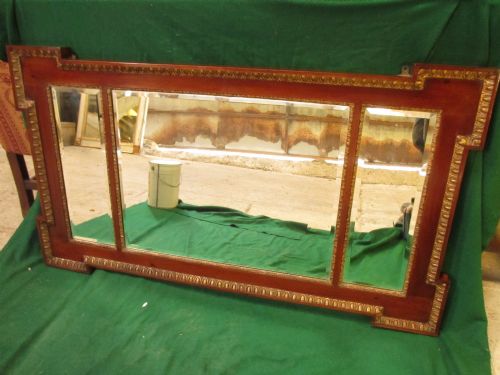
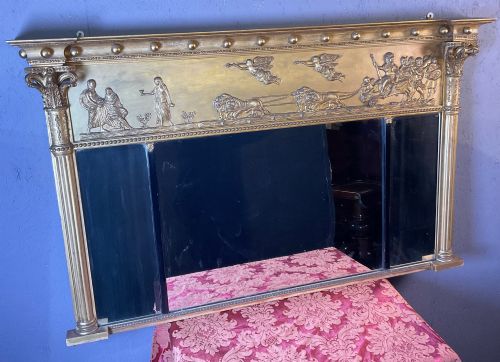
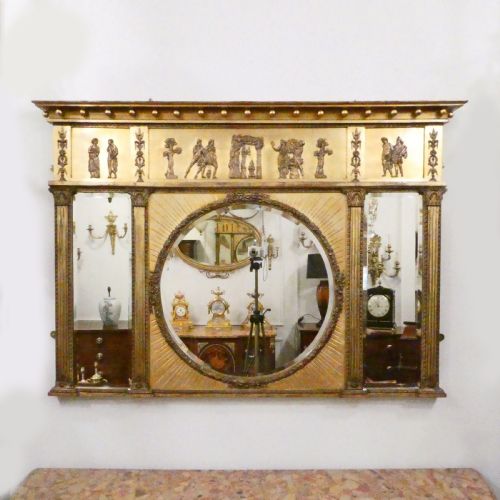
The format frequently appears as a triple plate or triptych mirror, dividing the glass into three distinct sections beneath a decorative frame. Single plate overmantel mirrors also feature regularly, offering an expansive reflective surface.
Origins span classical English designs through to the fashionable Retour D’Egypte or Egyptian Revival taste of the era. Makers utilised styles drawing on Adams classicism alongside bold gilded woodwork to anchor large reception rooms.
How They Were Made
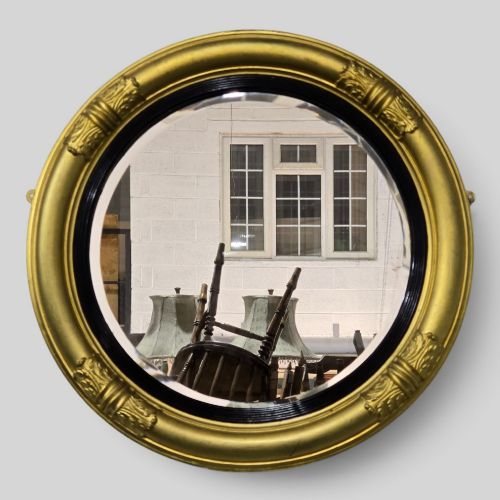
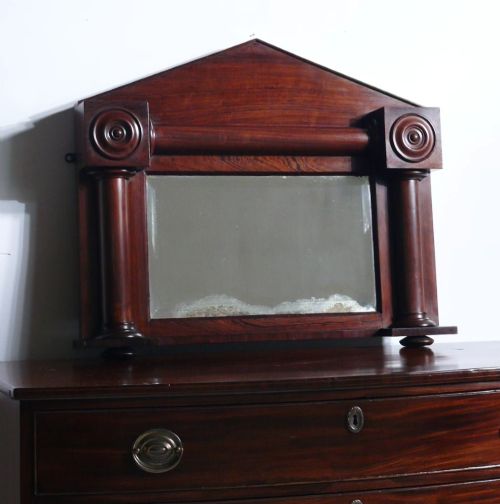
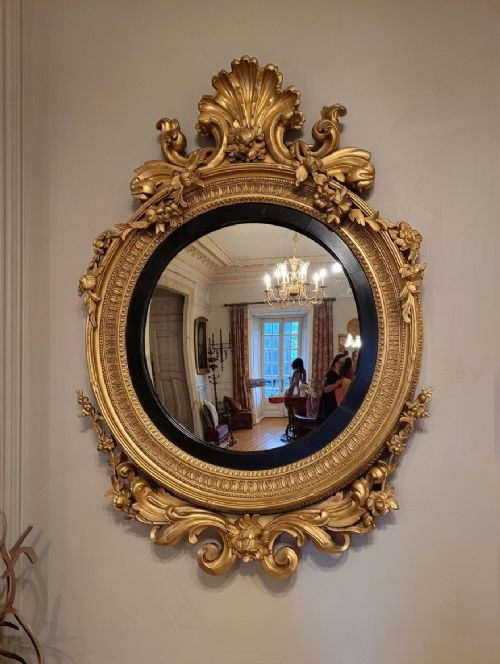
Frames combine carved wood with gesso and composition ornaments, finished with heavy gilding or applied decorative paintwork. Certain variants introduce ebonised wood, rosewood, simulated rosewood, and brass inlay to construct the primary structure.
Mirror glass is set into multi-plate configurations, such as triptych and triple plate layouts, held within sturdy timber backings. Gilding and carved details apply directly to the gesso layers built up over the wooden foundation.
Retail Price Guide 2026
Typical UK retail prices for regency mantle mirror, calculated from the Sellingantiques database of over a million retail prices indexed since 2003. This retail price guide relies exclusively on Sellingantiques data; no external sources or auction records are used, so the figures do not describe the wider market.
Some mirrors wear moss green paint beneath the gold leaf, proving that even nineteenth-century decorators enjoyed a unexpected flash of colour.
What Varies in Quality
Quality rests in the crispness of the carved gesso decoration and the depth of the gilding applied to the wooden frame. Pieces finished with intricate architectural motifs or specialised rosewood and brass inlays display greater ambition than plain gilt borders.
The division of the glass plates and the preservation of original mirror glass plates dictate the visual harmony of the overmantel. Superior examples maintain intact decorative paintwork and robust structural joinery across large rectangular proportions.
Benjamin Elliott of Clerkenwell
The Regency Mantle Mirror Glossary
- Overmantel mirror
- A large mirror specifically proportioned to hang on the wall directly above a mantelpiece or fireplace. These items often feature wide horizontal formats to reflect the room.
- Gesso
- A plaster-like mixture applied to wood frames to create a smooth surface for gilding and relief ornamentation. Artisans carved intricate classical motifs directly into this layered material.
- Giltwood
- Timber that has been coated with a thin layer of gold leaf or gold paint. This finish defines the bright metallic appearance seen on classical frames.
- Triptych
- A mirror plate divided into three distinct vertical sections within a single frame. This configuration was popular for spreading light across wide chimney breasts.
- Retour D'Egypte
- A design style inspired by Egyptian motifs and archaeological discoveries popular during the Regency era. Pieces in this taste incorporate sphinxes, pharaohs, and distinct linear symbols.
Frequently Asked Questions
Where do you hang an overmantel mirror?
These mirrors sit directly on the wall above a fireplace mantel, anchored securely to support their substantial weight. Their horizontal proportions balance the width of the hearth below.
Positioning them at this height allows the glass to reflect light from opposite windows back into the room.
How do I identify a Regency mirror?
Regency mirrors are defined by classical architectural motifs, giltwood frames, and specific nineteenth-century proportions. Look for rectangular formats, triptych glass divisions, and occasional Egyptian Revival details.
Materials commonly include gesso, rosewood, and ebonised wood alongside traditional gilding.
Did they use rosewood on these mirrors?
Certain nineteenth-century examples incorporate solid rosewood or simulated rosewood alongside traditional gilt finishes. These variations offer a darker, contrasting wooden border.
Brass inlay frequently accompanies the rosewood sections to highlight the linear framing.