



Triptych Overmantel Mirror
A triptych overmantel mirror brings architectural balance and reflected light to a fireplace wall.
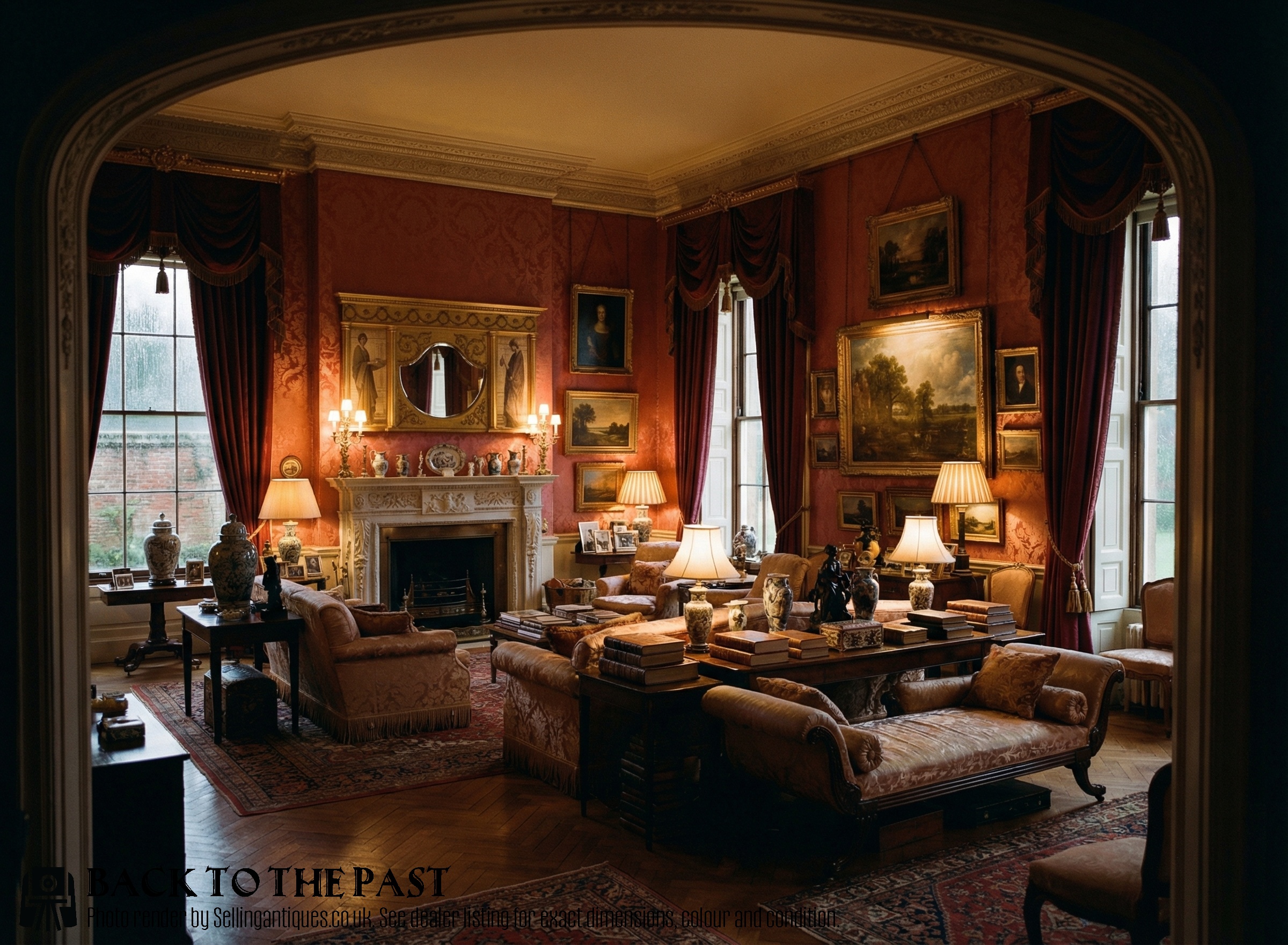
Triptych Overmantel Mirror
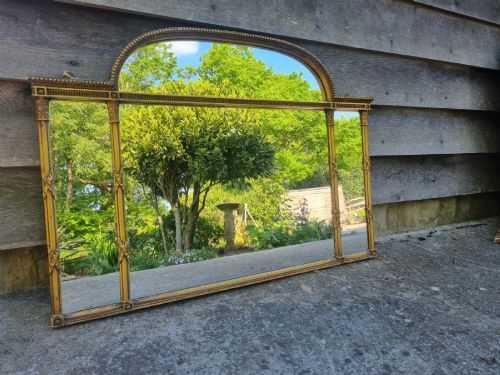
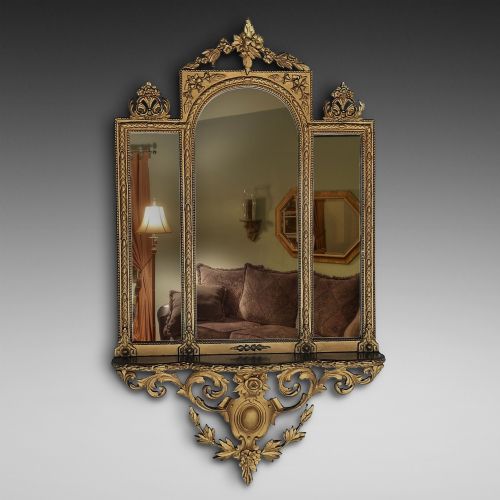
A triptych overmantel mirror divides its reflective surface into three distinct vertical sections, designed specifically to hang on the wall above a fireplace mantelpiece. The form appears frequently in nineteenth-century pieces, spanning the Regency and Victorian periods, with revival styles following later.
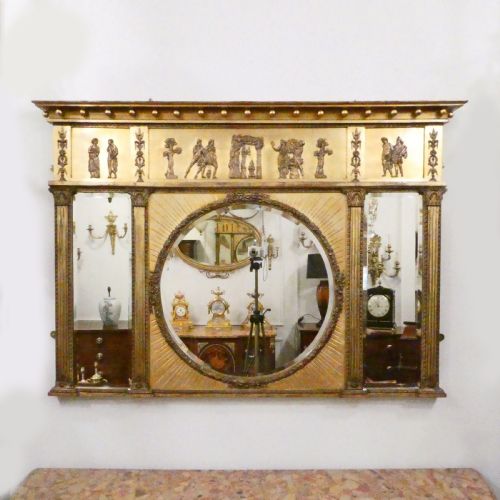
Most examples rely on giltwood, gesso, and carved wooden frames, often incorporating neoclassical motifs, acanthus decoration, or compartmental plates. While some pieces take a large format suitable for grand chimney breasts, neat-sized variants offer similar division for more modest rooms.
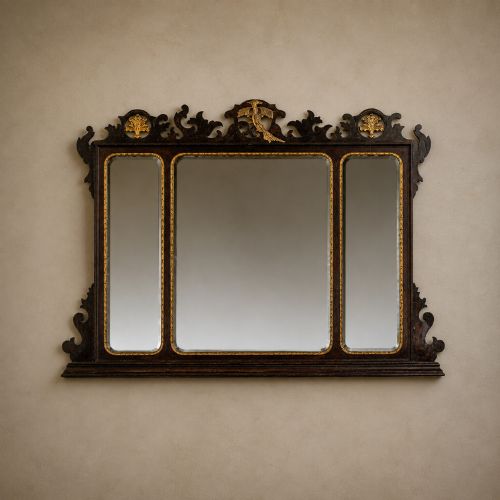
Makers adapted the triple-plate layout across various aesthetic movements, producing Victorian Gothic oak versions, mahogany Chippendale revival designs with cresting, and gilded Regency formats. Buyers encounter both original period items and later revivals sharing the same tripartite structural logic.
What varies in quality
The crispness of the carved wooden ornament and the depth of the gesso mouldings set finer examples apart from simpler production. Hand-carved details on frames and acanthus decorations show superior definition compared to heavily cast composition work.
The quality of the gilding and the preservation of the original gold leaf surface affect the visual impact of the piece. Patination on the mirror plates themselves indicates age, while the structural joinery of the frame determines long-term stability.
Triptych Overmantel Mirror Retail Price Guide 2026
Typical asking prices for triptych overmantel mirror among the pieces listed under this phrase on Sellingantiques today, from the lower quarter to the upper quarter. They describe what is for sale here now, not the wider market.
Occasional early examples feature carved wood squirrels and exotic birds perched atop the frame.
The Triptych Overmantel Mirror Glossary
- Triptych
- A mirror plate divided into three distinct vertical panels within a single frame. This layout distributes light widely across a room.
- Overmantel
- A large mirror designed to hang specifically on the wall above a fireplace mantel. These pieces relate directly in scale to the hearth below.
- Gesso
- A plaster-based mixture applied to wooden frames to create a smooth surface for carving or gilding. It allows intricate relief ornamentation.
- Giltwood
- Timber covered with a thin layer of gold leaf or metal leaf. This finish reflects interior candlelight and daylight.
- Frieze
- A broad horizontal band of painted or carved decoration situated along the upper section of the mirror frame. It often displays classical motifs.
Triptych Overmantel Mirror: Frequently Asked Questions
Where should a triptych overmantel mirror hang?
These mirrors are designed to hang centrally on the wall directly above a fireplace mantelpiece, echoing the horizontal lines of the hearth.
They also function effectively on large expanse walls in principal reception rooms where extra reflected light is required.
How do I identify a Regency period mirror?
Regency pieces often display classical motifs, acanthus decorated columns, and tripartite glass divisions within giltwood frames dating from the early nineteenth century.
Later revival pieces replicate these stylistic elements but generally date from the late nineteenth or early twentieth centuries.
What is the difference between oak and giltwood versions?
Oak versions typically align with Victorian Gothic or later revival tastes, displaying exposed wood grain and heavier structural framing.
Giltwood versions rely on gold leaf surfaces over gesso and carved wood, providing a brighter, more reflective appearance common in Regency pieces.
How do I care for antique mirror glass?
Dust the carved wooden and gilt frames gently with a soft dry brush to protect the delicate gesso and gold leaf surface.
Clean the mirror plates sparingly using a mild glass cleaner applied to a cloth rather than sprayed directly onto the glass.