

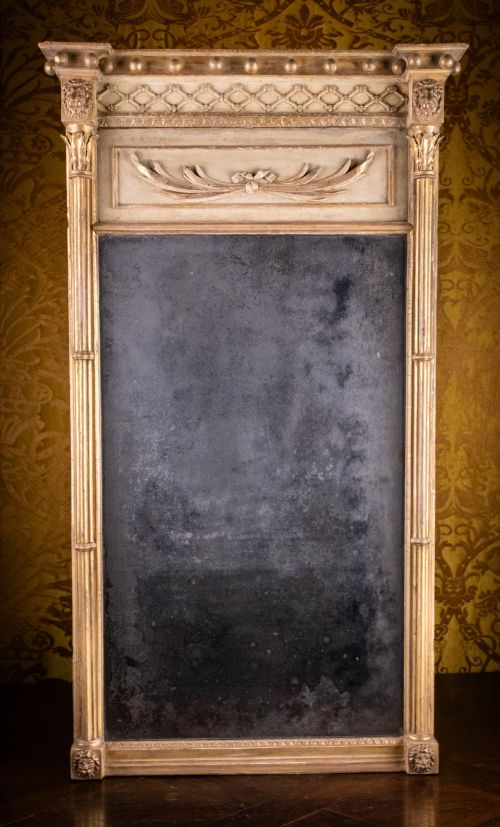
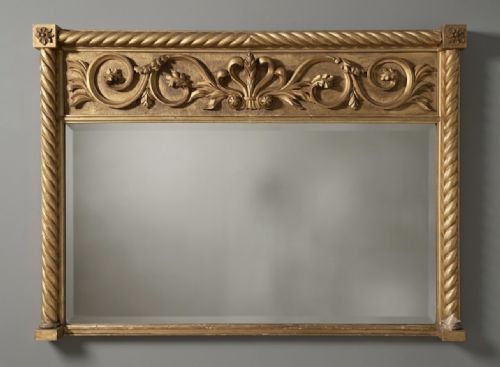
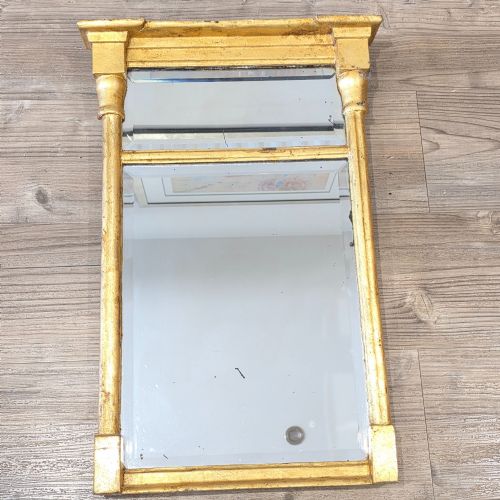
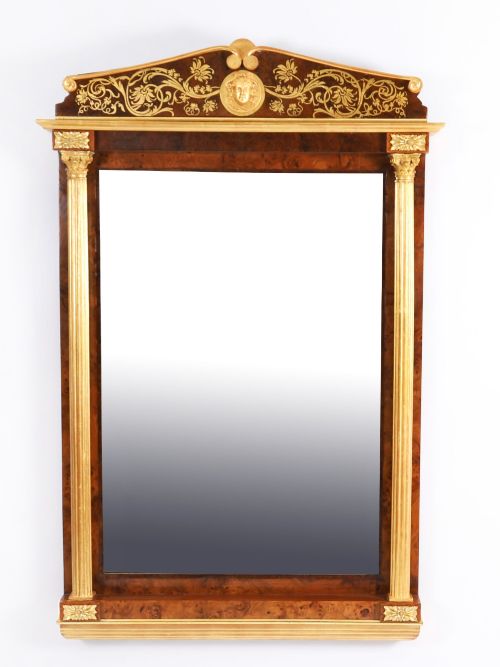
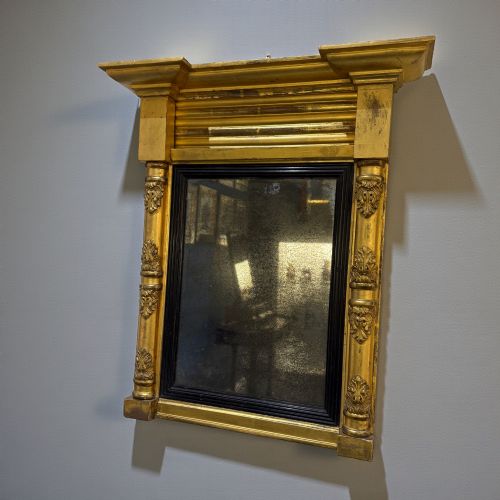
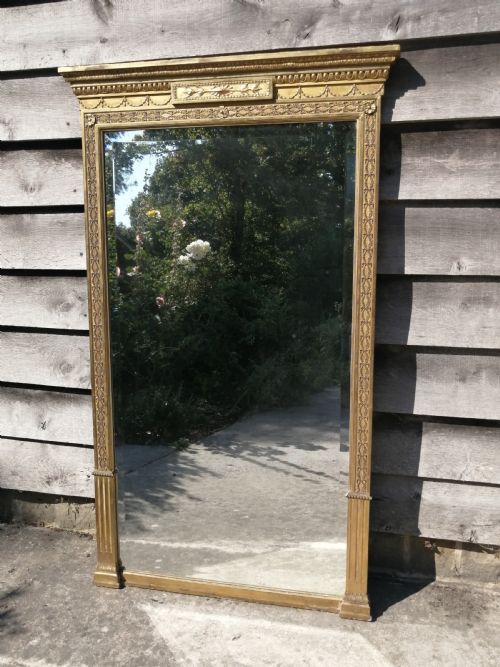
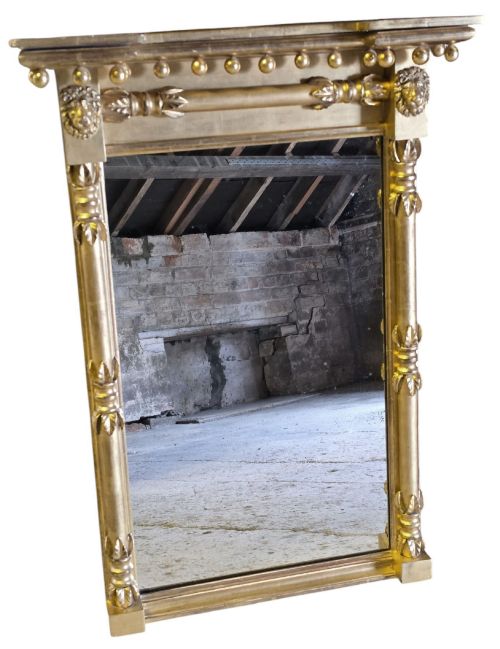
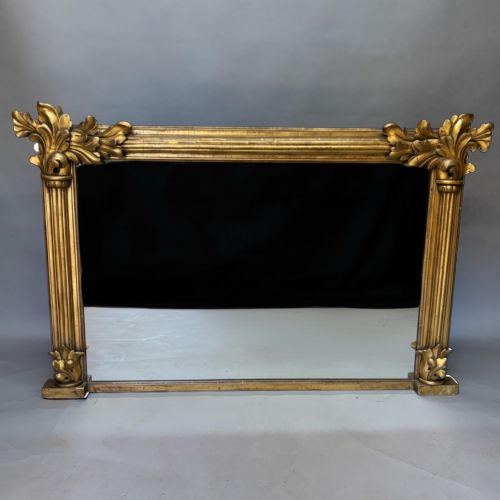
Classical Overmantel Mirror
A classical overmantel mirror brings architectural balance and a sense of expanded light to a room, anchoring a fireplace with period dignity.
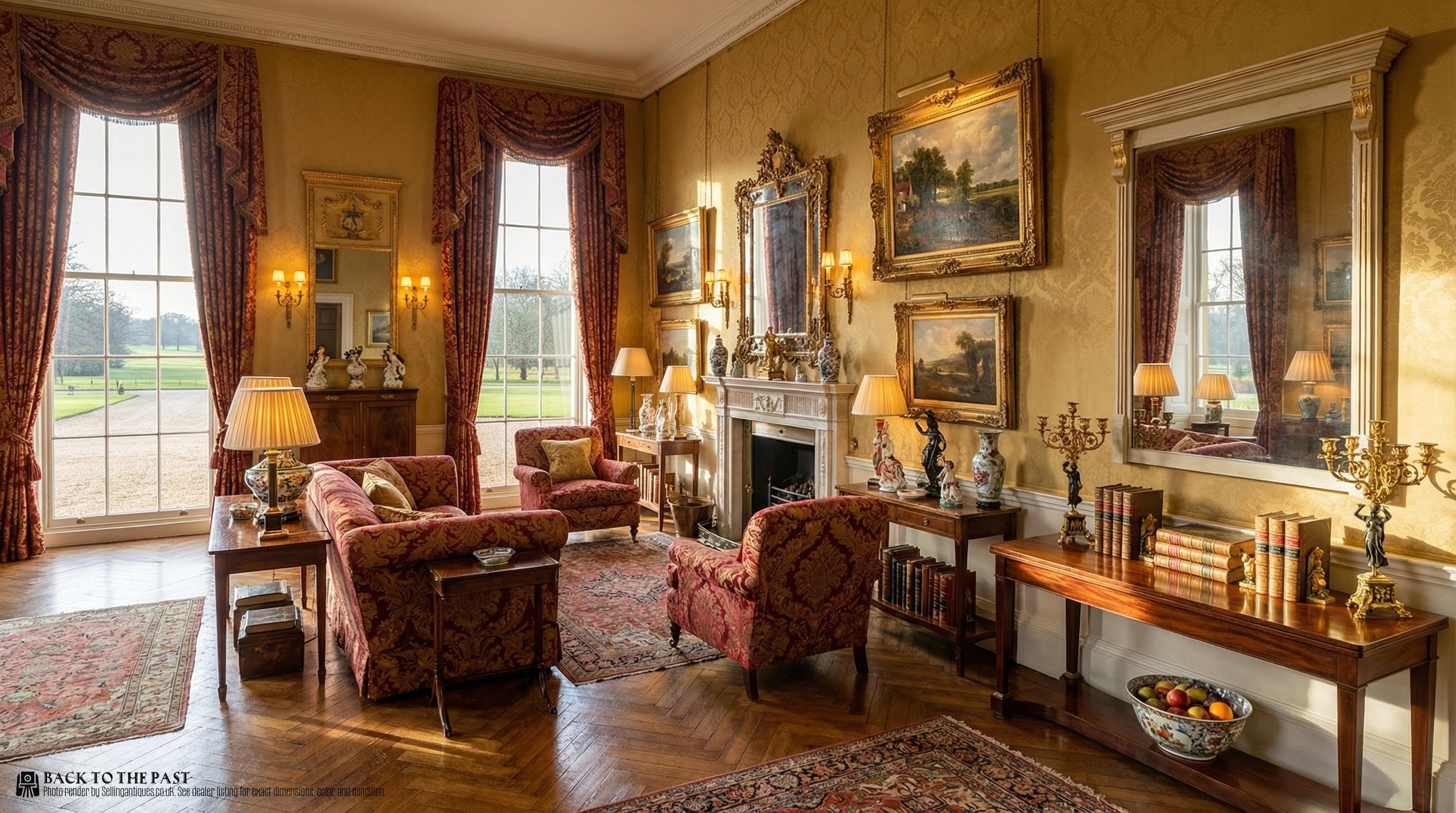
Classical Overmantel Mirror
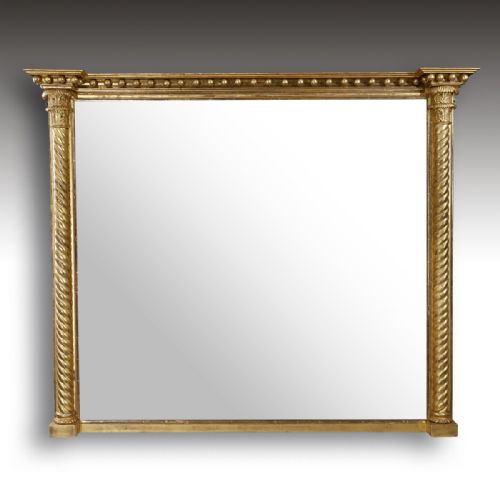
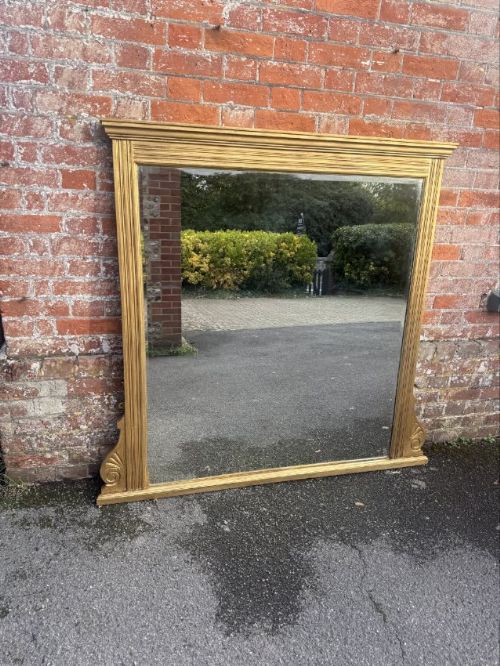
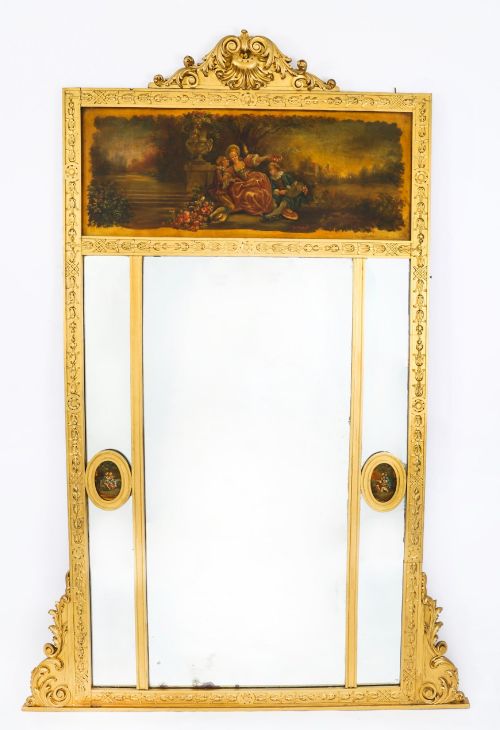
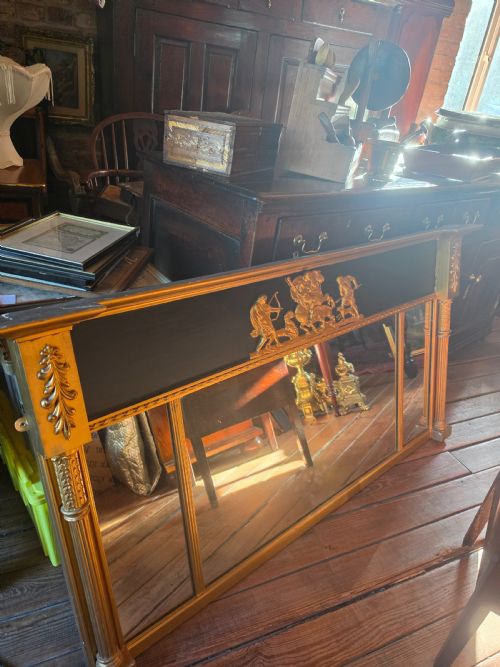
A classical overmantel mirror is a substantial rectangular or architectural looking glass designed specifically to hang above a mantelpiece. These pieces draw on Regency, Victorian, and Georgian aesthetic traditions, frequently incorporating tripartite plates or painted upper panels.
The versions most commonly met in this collection span the nineteenth century, including Regency, Victorian, and revival periods. They range from modest pier mirrors to grand scale giltwood examples originating from English and French workshops.
Materials and Construction Techniques
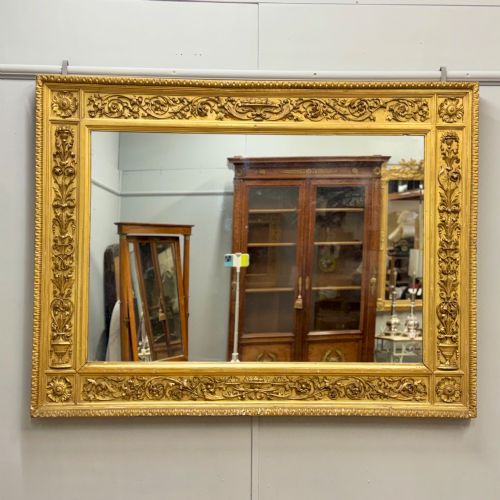
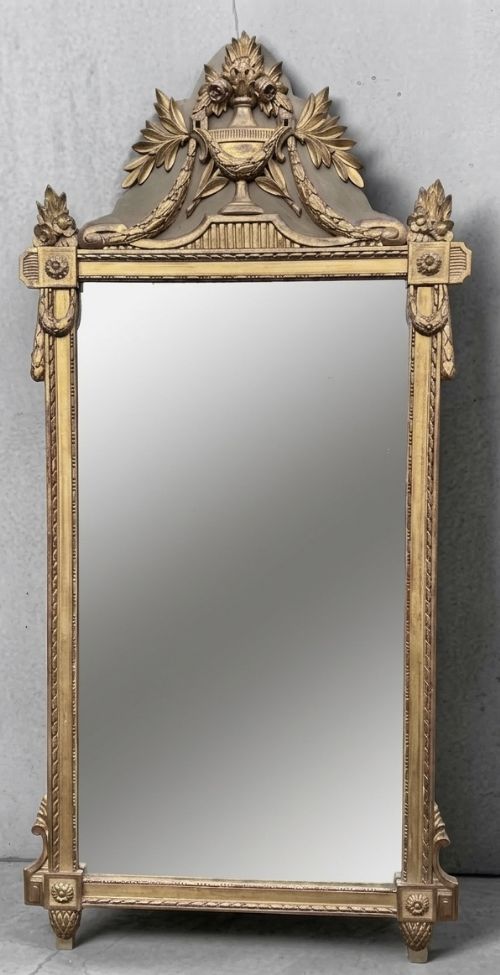
Makers relied on carved wood, gesso, and composition applied over wooden frames to build intricate relief ornament. Surfaces were typically finished in gold leaf or paint, creating the reflective warmth characteristic of the period.
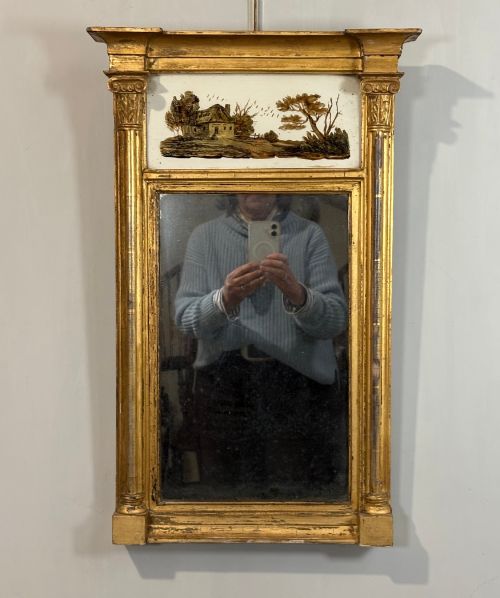
Mirror plates were set into timber frameworks, occasionally accompanied by decorative oil paint panels, verre eglomise inserts, or tripartite configurations that required precise joinery to maintain structural integrity across large expanses.
Classical Overmantel Mirror Retail Price Guide 2026
Typical asking prices for classical overmantel mirror among the pieces listed under this phrase on Sellingantiques today, from the lower quarter to the upper quarter. They describe what is for sale here now, not the wider market.
Several mirrors carry quiet traces of past domestic life, including nineteenth-century French marriage symbols and mythological carvings intended to bring fortune.
Distinctions in Quality
Quality rests in the crispness of the carved details and the depth of the gilding applied to the wood and gesso structure. Superior examples display sharply defined motifs, such as lion masks or classical revival ornaments, executed with confident hand tooling rather than flat moulding.
The integrity of the original glass plate and the coherence of the architectural proportions further separate standard production from exceptional country house or salon pieces.
The Classical Overmantel Mirror Glossary
- Giltwood
- Timber coated with gold leaf over a prepared bole and gesso ground. This finish provides a durable metallic sheen that catches domestic candlelight and daylight.
- Gesso
- A plaster mixture applied to wood frames to create a smooth surface for gilding or deep relief carving. It allows for intricate decorative mouldings.
- Pier Mirror
- A tall glass designed to hang on the wall space between windows. These pieces share stylistic traits with overmantels but serve narrower wall sections.
- Verre Eglomise
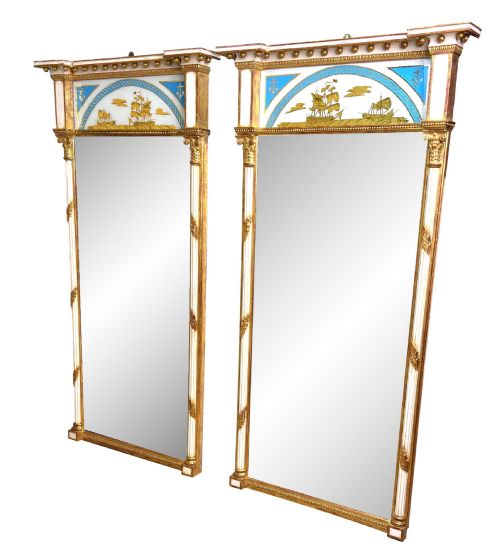
- A cold-painting and gilding technique on the reverse of glass. It appears in decorative upper panels of mirrors from the period.
- Trumeau
- A decorative wall mirror incorporating a painted or carved panel above the glass plate. These French pieces function as integrated wall panelling.
Classical Overmantel Mirror: Frequently Asked Questions
Where should an overmantel mirror be hung?
These mirrors were historically scaled to rest directly upon a mantelpiece shelf, anchoring the vertical space above a fireplace. They can also be mounted securely to the wall just above the fireplace opening to reflect light and balance surrounding furniture.
Ensuring the fixing points engage securely with wall studs is essential due to the considerable weight of nineteenth-century timber and glass frames.
How do I identify a Regency mirror?
Regency pieces often feature classical architectural elements like column frames, giltwood finishes, and decorative motifs such as lion masks or ball-detail cornices. They frequently utilise tripartite plates or incorporate verre eglomise panels above the main glass.
Proportions tend to be balanced and restrained, drawing heavily on Neoclassical design principles popular in the early nineteenth century.
Are original mirror plates common?
Many surviving examples retain their original glass, which often exhibits gentle foxing, minor silvering loss, or subtle distortion. These natural signs of age confirm the glass has remained undisturbed within its antique frame for generations.
Replacement glass is occasionally fitted during conservation, so checking the backboards and plate mounting helps determine originality.
What is the difference between an overmantel and a pier mirror?
Overmantel mirrors are constructed specifically in horizontal or large vertical formats to span the width of a fireplace breast. Pier mirrors are traditionally taller and narrower, designed to fit the wall space between windows.
While both share materials like giltwood and gesso, their original architectural function dictates their distinct proportions.