
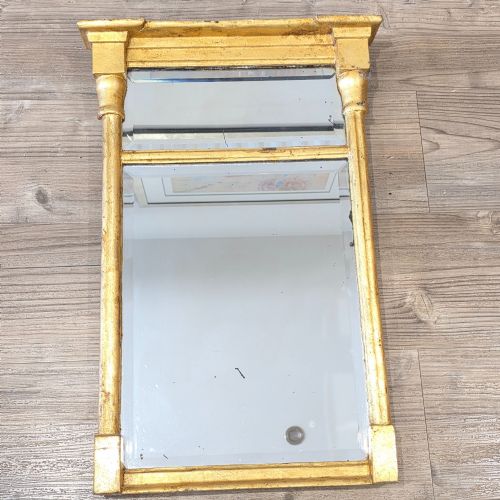
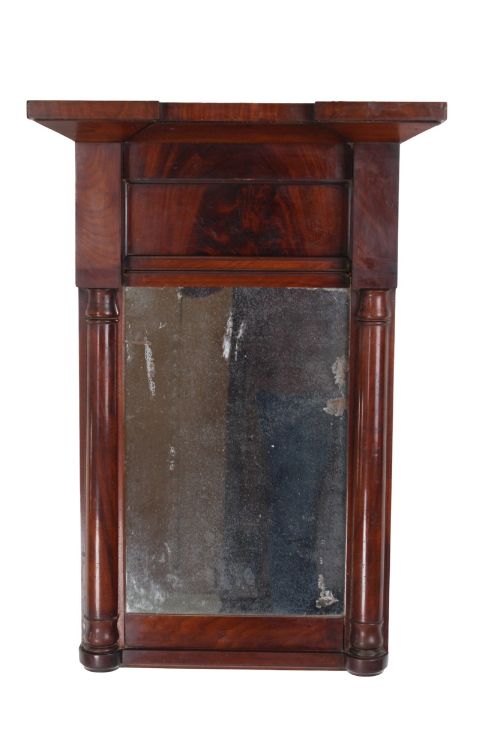
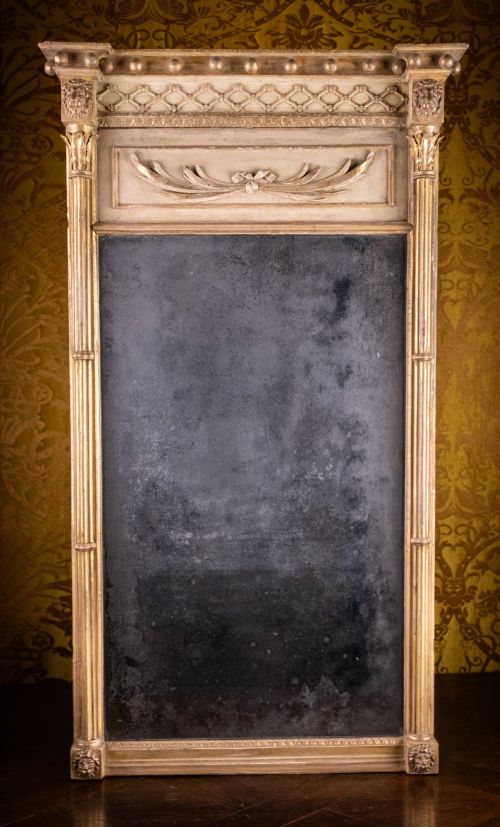
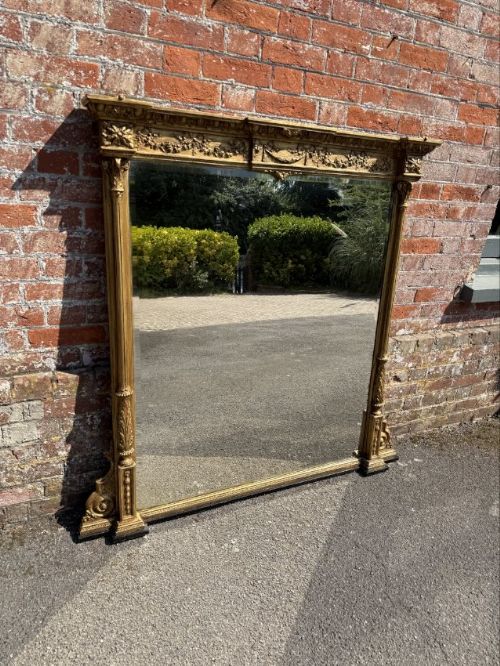

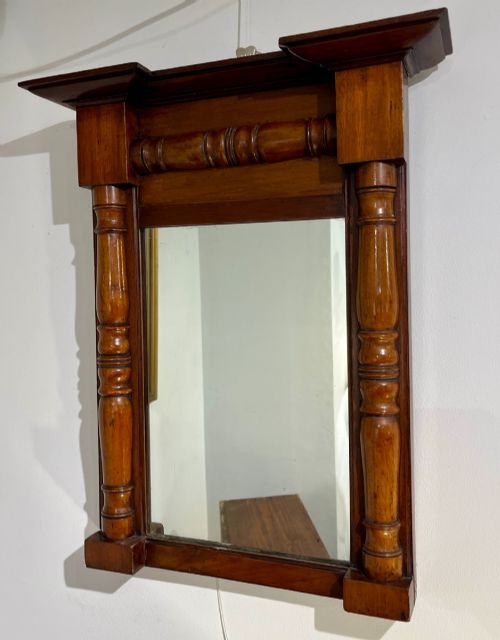
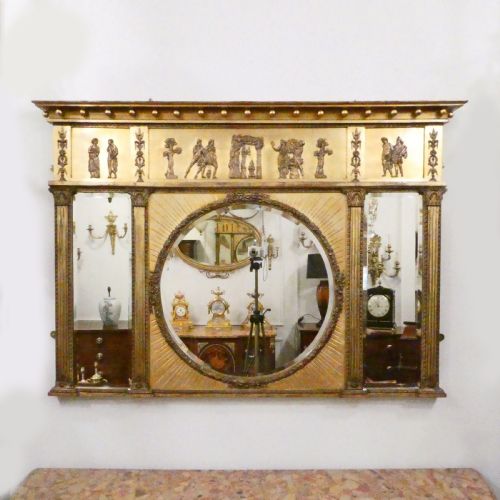


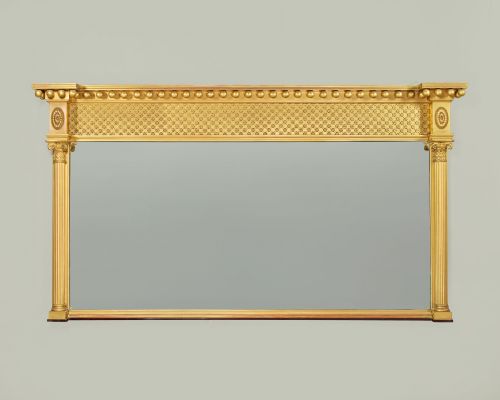


Regency Column Mirror
Regency column mirrors are grand architectural looking glasses built to reflect light and space, combining neoclassical dignity with superb period craftsmanship.
Regency Column Mirror
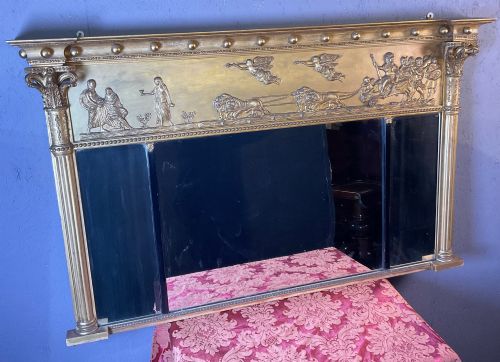
When you search for a regency column mirror, you encounter architectural looking glasses designed during the nineteenth century. These objects function primarily as wall mirrors or overmantel mirrors, anchoring a room with formal neoclassical proportions.
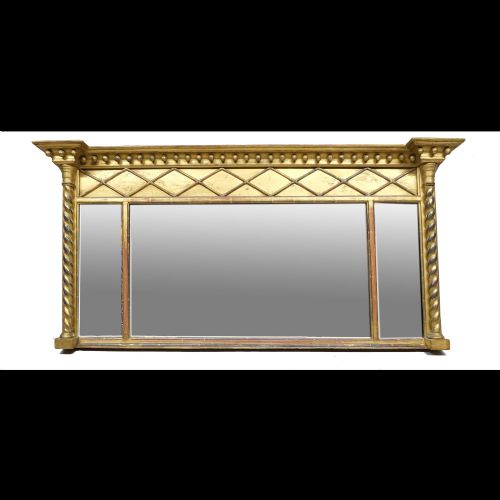
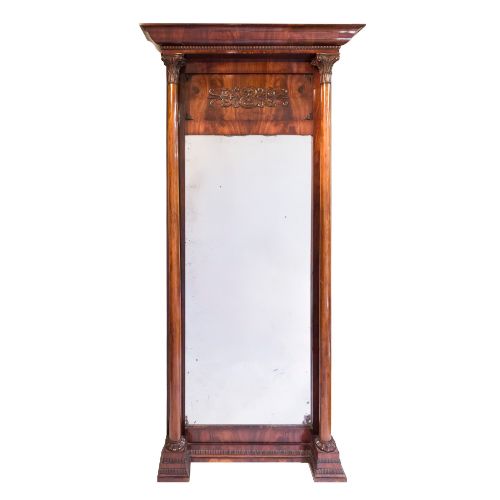
The pieces listed here appear in styles spanning the Regency and Grand Regency eras. Pier mirrors and triptych overmantel mirrors dominate the selection, often incorporating distinctive vertical columns along their frames.
Materials and forms reflect the decorative tastes of the early nineteenth century. Surviving examples include both large statement pieces and neat-sized variations suited to domestic interiors.
Materials and Construction
Frames rely on timber foundations finished in giltwood, ebonised wood, or mahogany. Gesso and composition ornaments are applied to create crisp neoclassical details such as acanthus decoration along the column shafts.
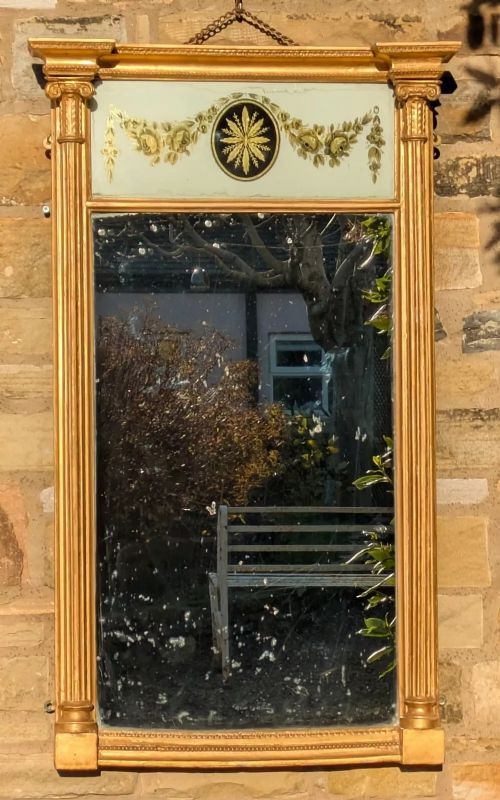
Makers integrated decorative elements like verre eglomise panels into the upper sections of pier glasses. Cluster columns frequently frame the glass, adding architectural depth to the rectangular formats.
Retail Price Guide 2026
Typical UK retail prices for regency column mirror, calculated from the Sellingantiques database of over a million retail prices indexed since 2003. This retail price guide relies exclusively on Sellingantiques data; no external sources or auction records are used, so the figures do not describe the wider market.
Early glass plates occasionally retain faint ripples that distort reflections into charmingly soft, historic vignettes.
Judging Quality
The standard of a regency column mirror rests on the crispness of its applied ornament and the depth of its gilding. Superior examples display sharply rendered acanthus carving and well-defined composition mouldings on the columns.
Proportion and scale distinguish finer pieces from simpler workshops. The integration of specialised glass elements, such as reverse-painted verre eglomise panels, elevates the decorative ambition of the object.
The Regency Column Mirror Glossary
- Pier glass
- A tall mirror designed to hang on the wall space between windows. These pieces often feature candle sconces or decorative consoles beneath.
- Verre eglomise
- A cold decoration technique where glass is gilded and painted on the reverse side. This creates a rich, reflective panel typically positioned at the top of a mirror frame.
- Overmantel mirror
- A wide looking glass built to sit horizontally above a fireplace mantelpiece. They frequently incorporate triptych glass plates divided by pilasters or columns.
- Gesso
- A plaster-like mixture applied to wood frames to provide a smooth surface for gilding. Intricate relief ornaments are often moulded directly in this material.
- Cluster columns
- Bundled vertical shafts used to flank the mirror plate. They contribute to the architectural weight characteristic of the period.
Frequently Asked Questions
Where should I hang a regency column mirror?
These mirrors suit principal reception rooms where their architectural presence can anchor the space. Overmantel versions belong naturally above a fireplace, while pier glasses work best on narrow wall sections between windows.
Positioning the glass opposite a window maximises the reflection of natural light. Ensure the wall structure can support the substantial weight of giltwood and glass frames.
How do I identify a late regency piece?
Late pieces from the nineteenth century often show subtle shifts in proportion and decorative restraint. The applied composition ornaments may become slightly simpler compared to earlier grand examples.
Examination of the timber backing and frame construction helps confirm the period. Construction methods evolved across the nineteenth century, moving towards standardised framing techniques.
What maintenance do these mirrors need?
Preserving the gilding requires avoiding harsh chemical cleaners and modern dusting sprays. A soft, dry brush removes surface dust from the delicate gesso and composition mouldings without disturbing the finish.
Glass panels benefit from gentle cleaning with a microfiber cloth and mild solution. Protecting the surface from direct, prolonged sunlight helps prevent the fading of original giltwood.