

Regency Period Mirror
A regency period mirror brings a sharp classical proportion and light-catching convex plate to a room.
Regency Period Mirror
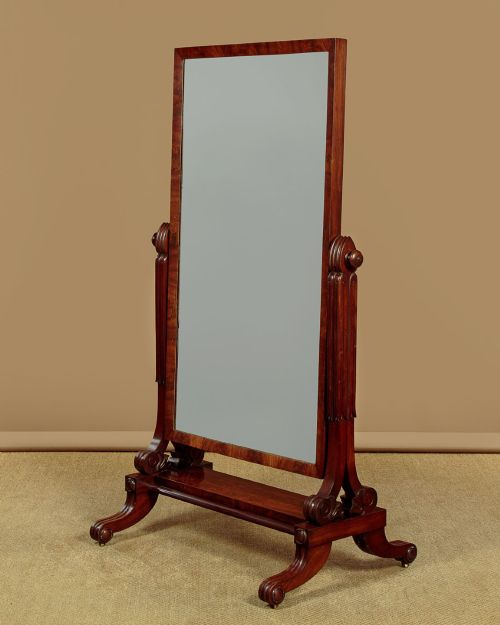
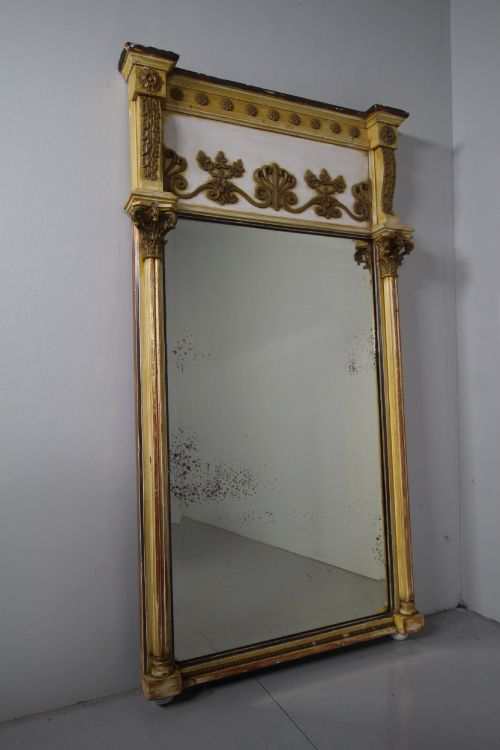
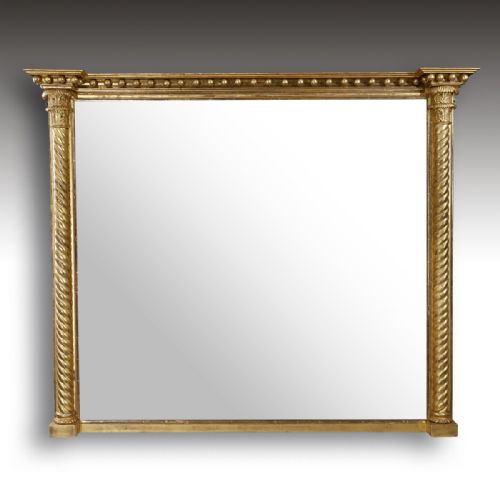
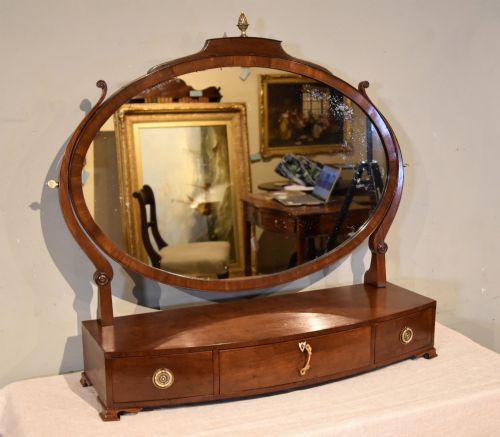
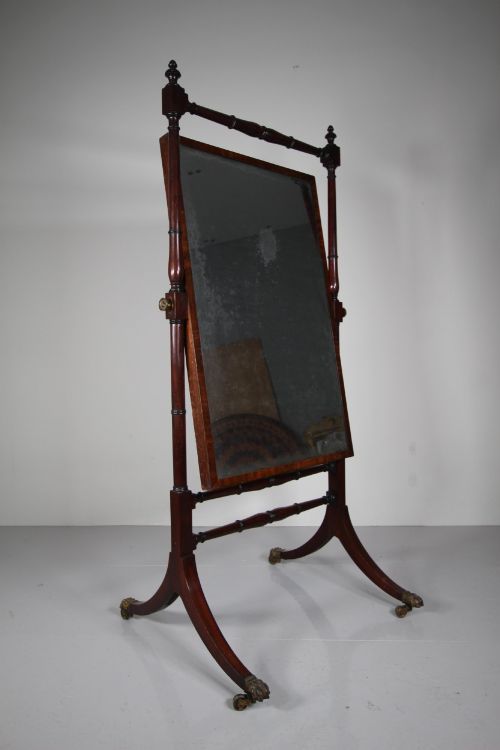
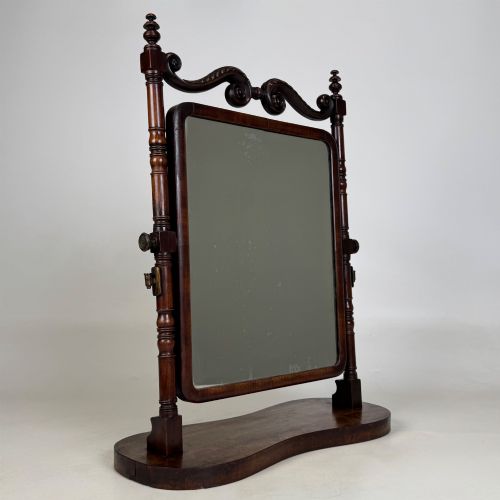
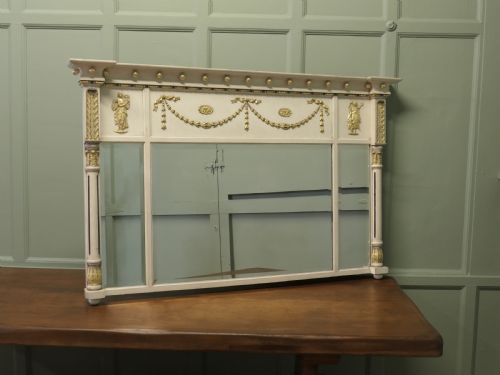
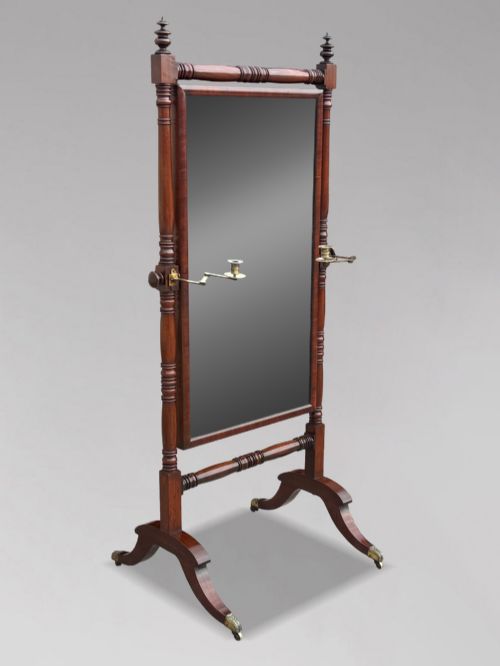
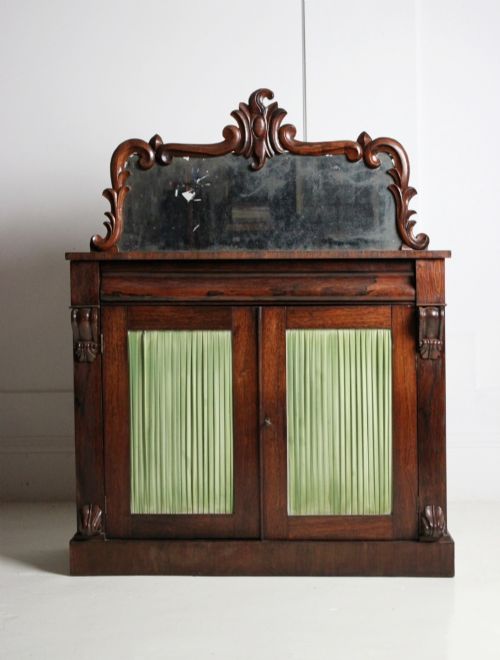
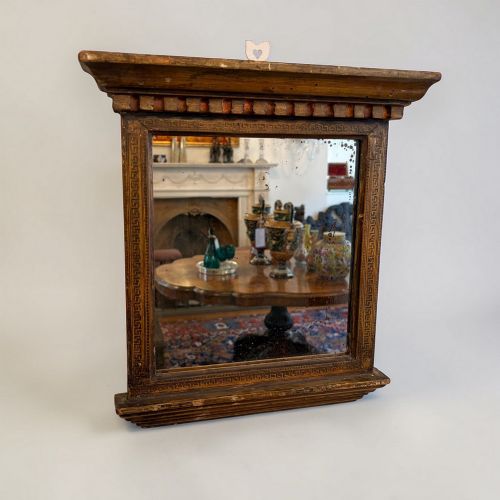
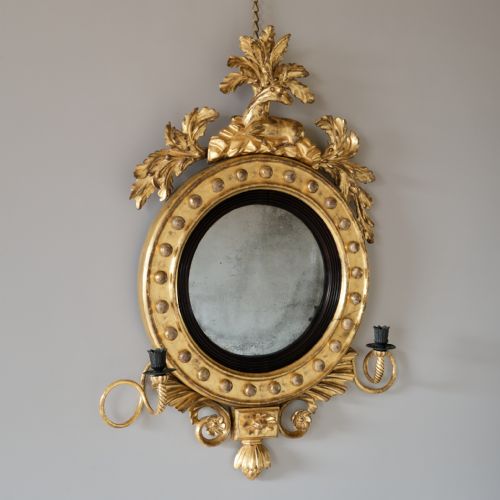
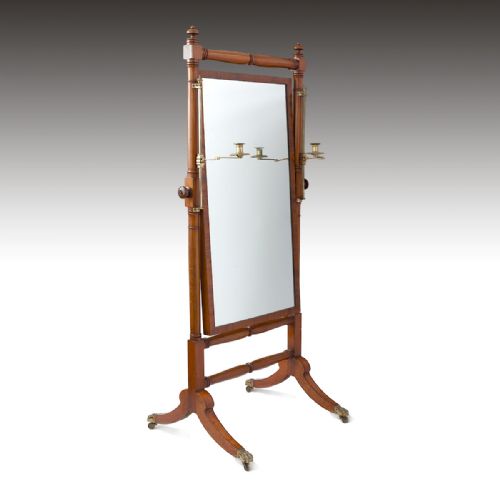
A regency period mirror encompasses grand giltwood convex wall sconces, architectural overmantels, and freestanding mahogany cheval dressing glasses.
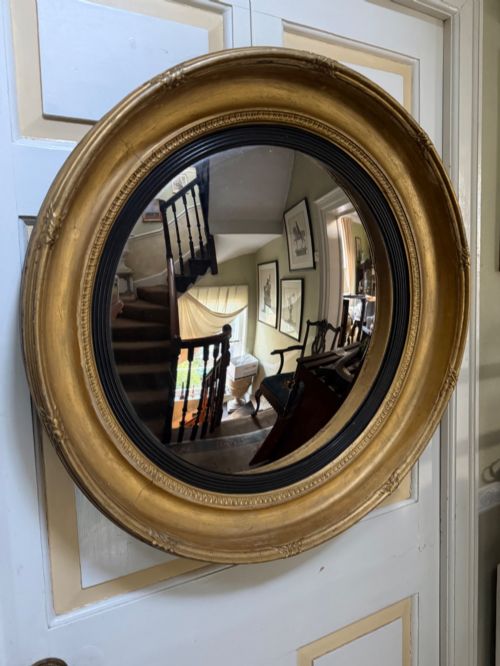
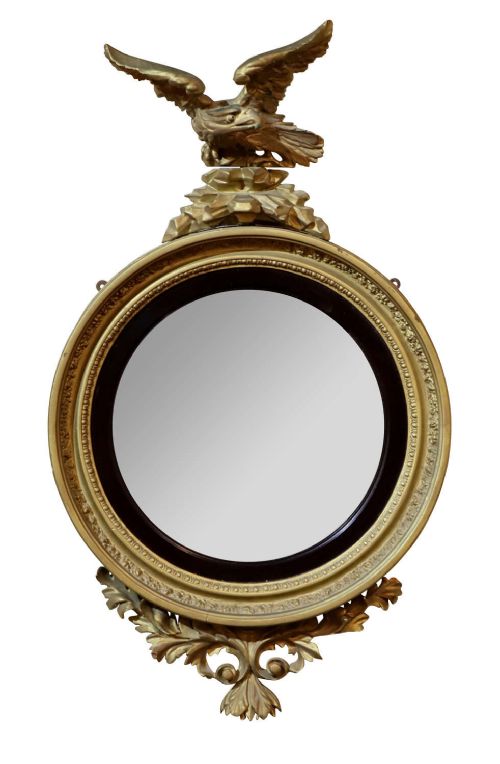
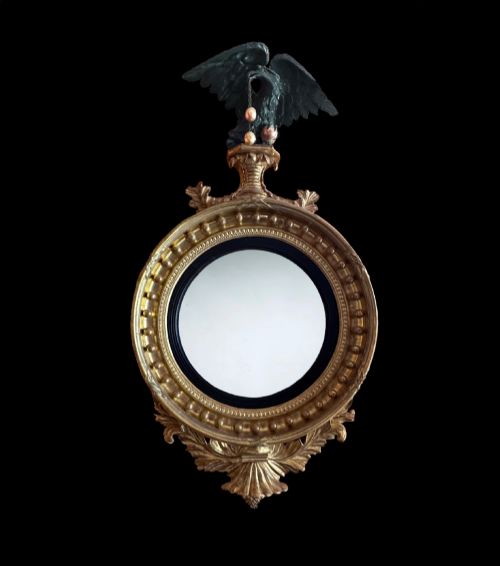
The version most commonly met on this page is the circular convex wall mirror, often topped with an eagle surmount or carved detailing.
Originating predominantly from the early nineteenth century, these pieces reflect the neoclassical tastes of the Regency, George IV, and William IV eras.
Materials and Technique
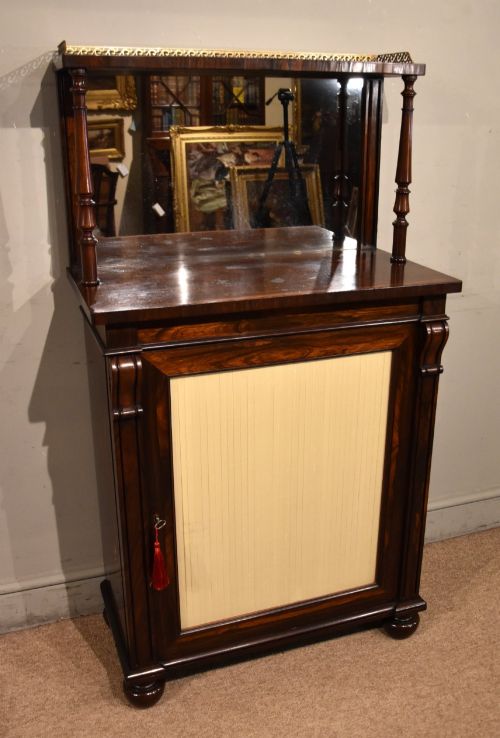
Makers shaped timber frames from rich hardwoods such as mahogany and rosewood, frequently incorporating brass inlay or delicate parcel-gilding.
Giltwood convex and overmantel frames rely on applied gesso over carved wood, water-gilded to achieve a bright reflective surface.
Mirror plates include early cast and blown glass, sometimes retaining original foxing or crackle finishes.
Regency Period Mirror Retail Price Guide 2026
Typical asking prices for regency period mirror among the pieces listed under this phrase on Sellingantiques today, from the lower quarter to the upper quarter. They describe what is for sale here now, not the wider market.
Assessing the Workmanship
Quality rests upon the crispness of the original carving, particularly on complex motifs like eagle pediments, acanthus columns, and laurel wreaths.
The integrity of the mercury or silvered mirror plate and the retention of original water-gilding distinguish superior examples from later restorations.
Gillow
The Regency Period Mirror Glossary
- Convex mirror
- A circular wall glass with a curved plate designed to reflect a wide, distorted view of the interior. These pieces frequently feature ball-studded frames.
- Overmantel mirror
- A wide horizontal glass intended to sit above a fireplace mantelpiece. They often employ multiple plates divided by decorative pilasters.
- Cheval mirror
- A freestanding full-length dressing glass suspended on a pivoting frame between four vertical posts. They are typically executed in mahogany or rosewood.
- Gesso
- A plaster-like mixture applied to wooden frames as a smooth base for gilding. Fine carving remains sharp beneath this thin ground layer.
- Foxing
- Age-related spots and discoloration within the mirror plate caused by the degradation of the backing. Collectors often prize this untouched oxidation.
Regency Period Mirror: Frequently Asked Questions
Where should I hang a convex mirror?
Convex glasses concentrate light and project a wide panoramic view of a room, making them ideal for smaller spaces or dark hallways.
Position them at eye level opposite a window to maximise the illumination they cast across the interior.
How do I identify a genuine period piece?
Examine the construction of the timber backing, the weight of the frame, and the characteristics of the glass plate itself.
Original pieces from the early nineteenth century display period-appropriate joinery, hand-applied gesso, and natural plate ageing rather than modern distressing.
What is an overmantel mirror used for?
Overmantel mirrors were designed specifically to anchor the architectural space above a fireplace hearth and bounce candle or firelight around the room.
Their wide landscape proportions complement the width of a mantelpiece and balance the vertical pull of chimney breasts.
How should I care for antique gilding?
Water-gilt surfaces are exceptionally delicate and sensitive to moisture, humidity, and abrasive cleaning products.
Dust the frame gently with a dry, soft brush and keep the mirror away from direct sunlight and damp walls.