



Gilded Wooden Mirror
A gilded wooden mirror brings warmth and reflective depth to a room through carved timber, gesso, and gold leaf.
Gilded Wooden Mirror
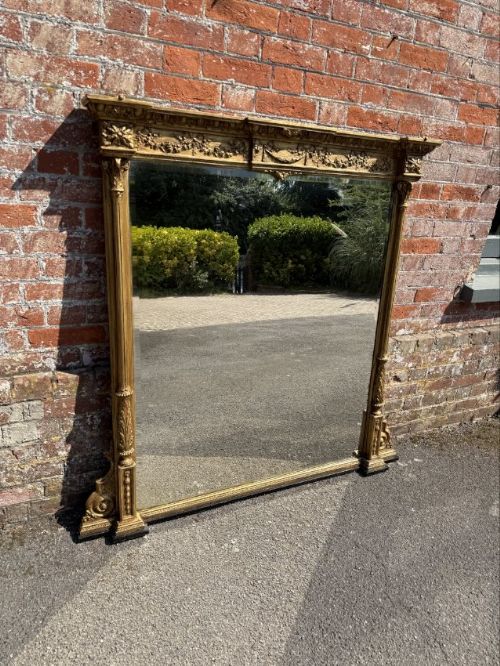
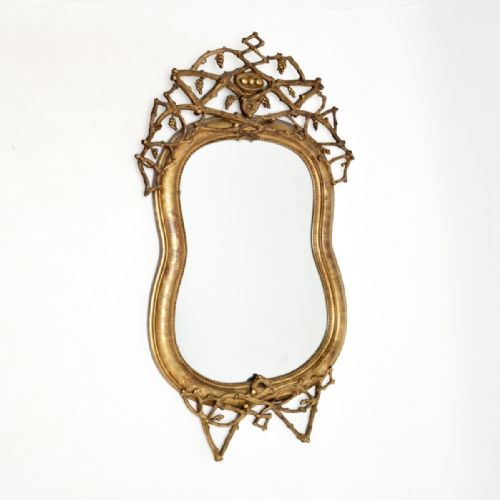
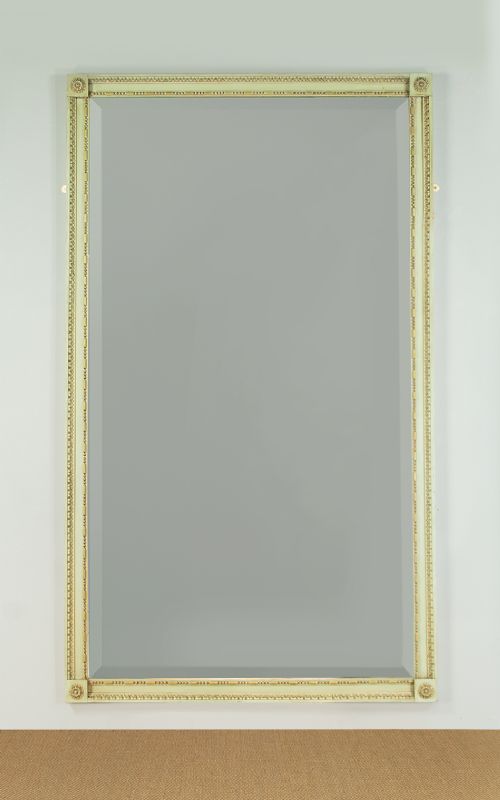
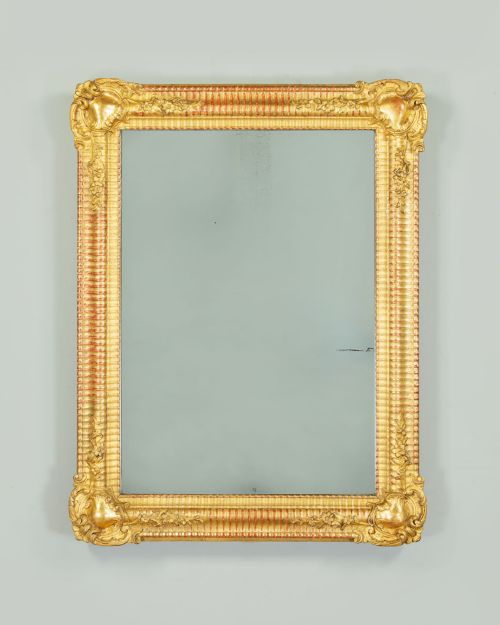
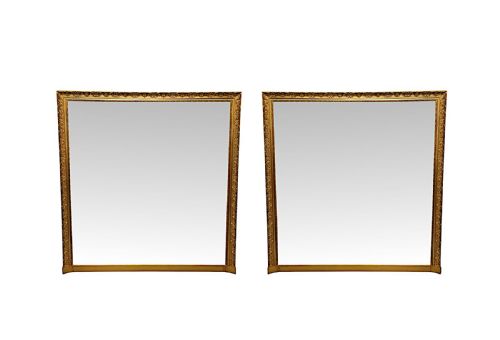
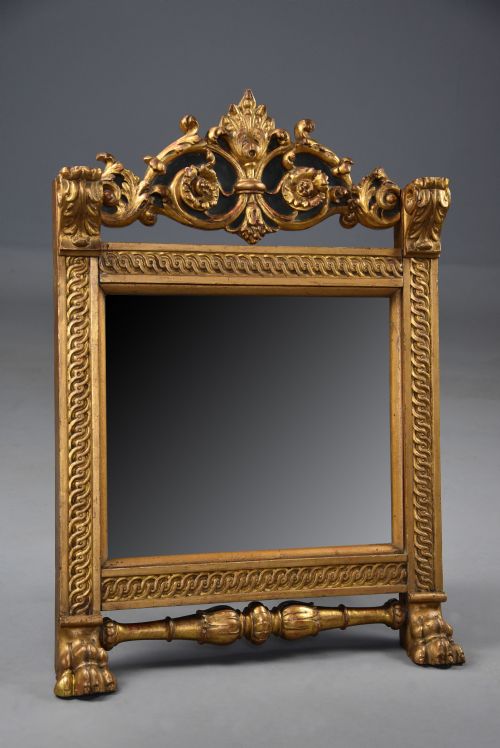
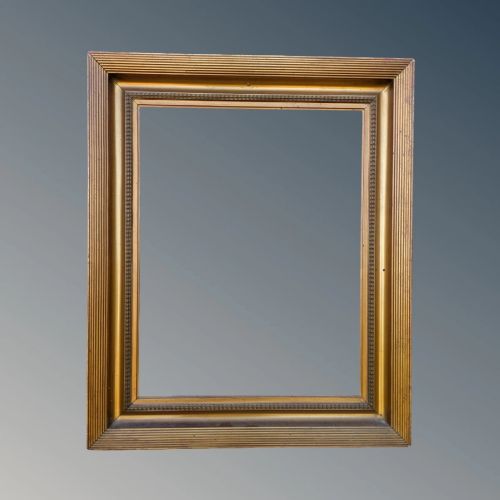
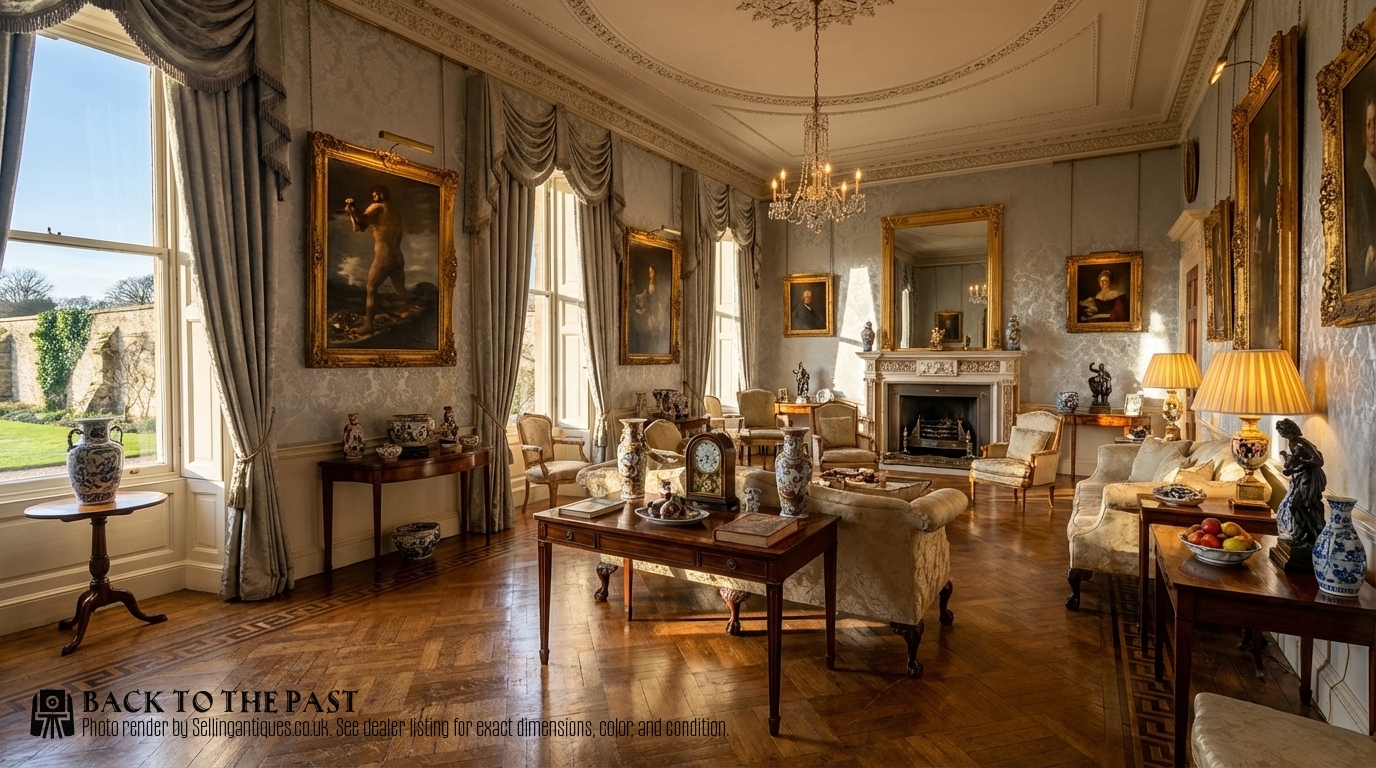
A gilded wooden mirror appears in forms ranging from grand overmantels and wall mirrors to cheval glasses, picture frames, and console tables, spanning the eighteenth, nineteenth, and twentieth centuries. The pieces originate from English, French, and Italian workshops, displaying influences from Georgian, Victorian, Edwardian, and Rococo traditions.
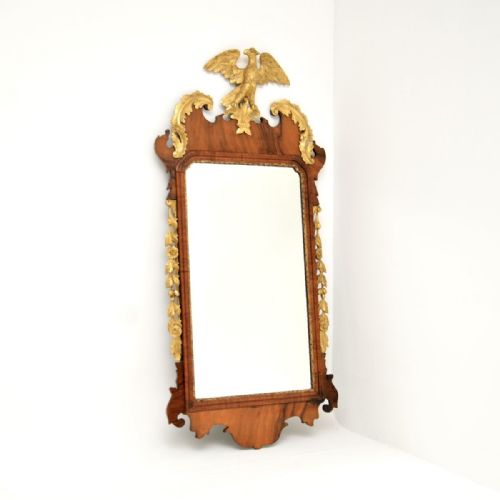
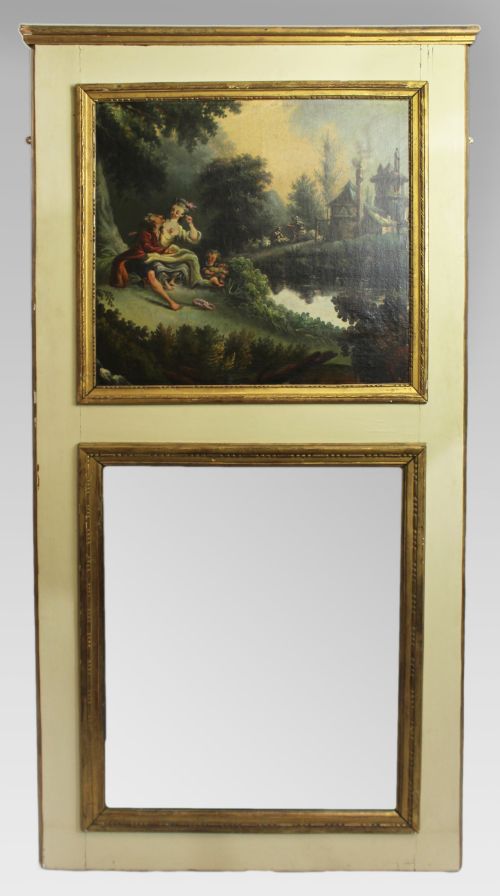
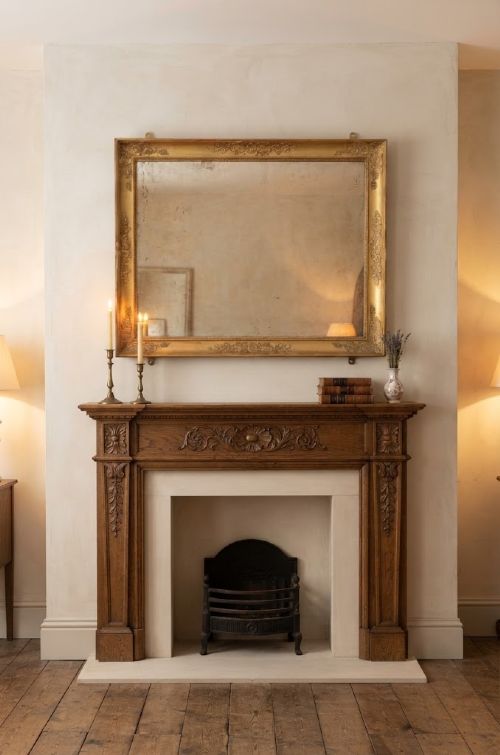
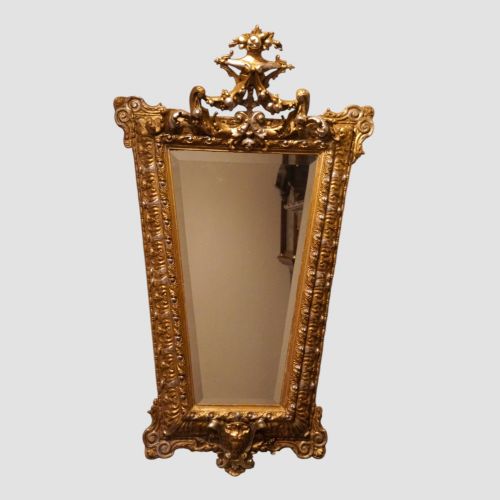
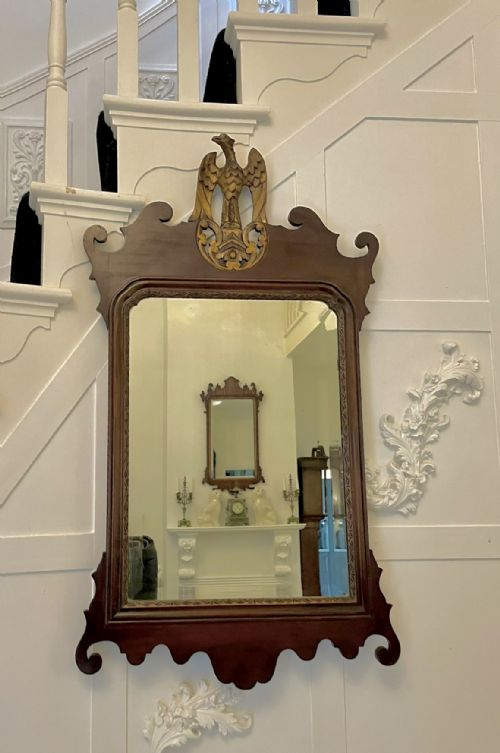
Buyers seeking a gilded wooden mirror will frequently encounter large nineteenth-century overmantel mirrors with carved wood and gesso frames, alongside smaller Italian rococo wall mirrors and French trumeau designs. Walnut and mahogany feature alongside softer timbers beneath the surface gilding, creating substantial focal points for domestic interiors.
How they were made
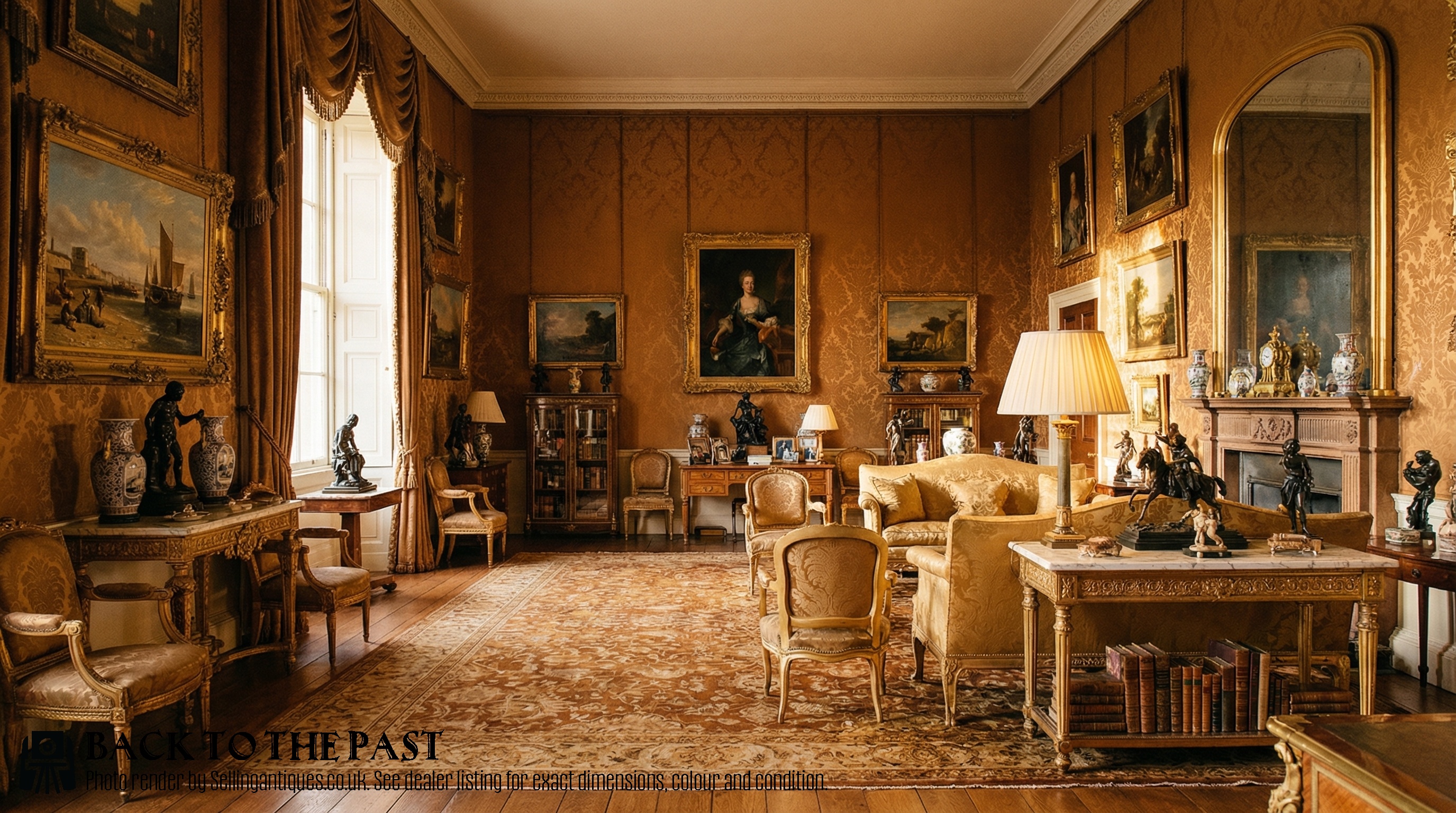
Craftsmen shaped structural carcases from timber such as mahogany, walnut, and pine, applying layers of gesso to build up the intricate relief details for subsequent carving. Gold leaf or silver-gilt was then laid over the prepared surfaces, often burnished to catch the light across floral, mythological, and scrollwork motifs.
Mirror glass plates within these frames vary from bevelled antique sheets to engraved plates and pieces retaining their original aged foxing. Paint and parcel-gilt finishes also appear, combining exposed wood grain with gilded highlights on fretwork and column frames.
Gilded Wooden Mirror Retail Price Guide 2026
Typical asking prices for gilded wooden mirror among the pieces listed under this phrase on Sellingantiques today, from the lower quarter to the upper quarter. They describe what is for sale here now, not the wider market.
Current listings feature mirrors spanning the eighteenth, nineteenth, and twentieth centuries, incorporating materials such as gesso, walnut, and gold leaf.
What varies in quality
Quality rests in the crispness of the hand-carved detail within the wood and gesso, where deep undercuts and defined relief separate master work from softer, mass-produced moulding. The integrity of the original gilding and the depth of the mirror plate further distinguish finer examples.
Proportion and structural balance dictate the presence of a superior piece, particularly in large overmantels and fretted wall mirrors where symmetry and joinery uphold the weight of heavy glass and timber frames.
The Gilded Wooden Mirror Glossary
- Giltwood
- Timber coated with gold leaf over a prepared gesso ground. This finish provides the characteristic metallic brilliance seen on period frames.
- Gesso
- A plaster-like mixture applied to wood surfaces and carved once dry. It creates the smooth, raised foundation necessary for fine gilding.
- Trumeau
- A decorative wall mirror incorporating an oil painting or panel above the glass. These French pieces frequently display pastoral or mythological scenes.
- Overmantel
- A large mirror designed to hang above a fireplace mantelpiece. These substantial forms often feature architectural columns or elaborate crestings.
- Parcel-gilt
- A decorative treatment where only specific carved elements or raised portions of the wooden object receive gold leaf, leaving exposed timber visible elsewhere.
Gilded Wooden Mirror: Frequently Asked Questions
How do I clean a gilded wooden mirror?
Dust the carved frame gently with a soft, dry brush to protect the delicate gold leaf and gesso layers from moisture damage.
Clean the mirror glass using a cloth dampened lightly with water or a mild glass cleaner, taking care to avoid letting liquid touch the antique wooden edges.
Where should I hang an overmantel mirror?
Position the piece directly above a fireplace mantelpiece to reflect light and anchor the vertical space in a principal reception room.
Ensure the wall fixings are secured into structural studs or masonry to support the considerable weight of the wooden frame and glass plate.
How can I tell a Georgian mirror from a Victorian one?
Georgian examples often utilise walnut or mahogany with architectural fretwork, parcel-gilt highlights, and simpler, restrained proportions suited to eighteenth-century interiors.
Victorian pieces typically introduce heavier carved wood and gesso frames, often finished in bright gilt with deeper relief mouldings and larger overmantel formats.
What is the difference between a trumeau mirror and a standard wall mirror?
A trumeau mirror includes an integrated decorative panel or oil painting positioned directly above the reflective glass plate, originating primarily from French domestic architecture.
Standard wall mirrors focus entirely on the reflective surface surrounded by carved, gilded, or inlaid wooden framing without an upper pictorial compartment.