

Antique Wall Hanging Mirror
An antique wall hanging mirror brings depth and historic character to a room, ranging from gilded Rococo carvings to simple mahogany frames.
Antique Wall Hanging Mirror
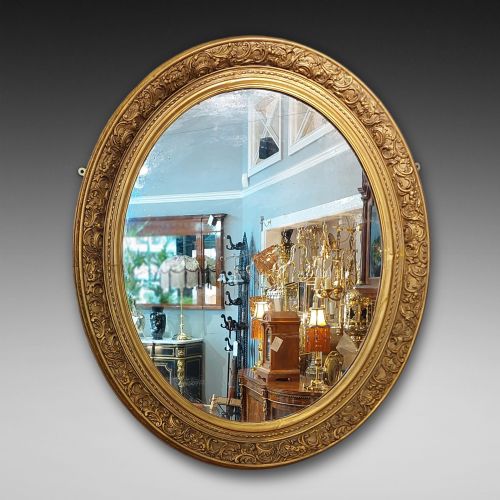
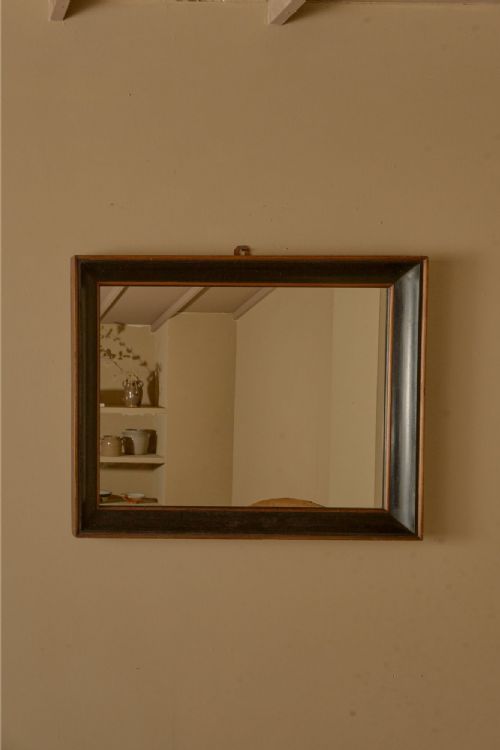
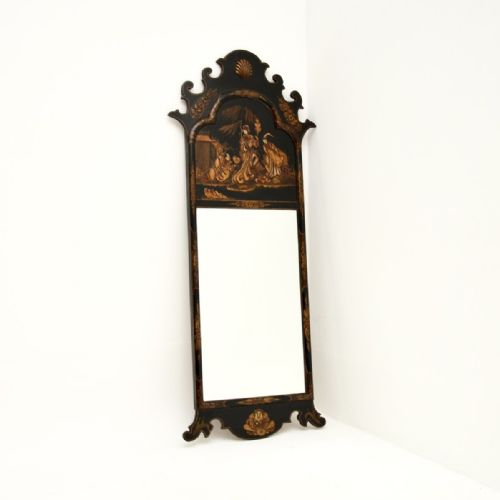
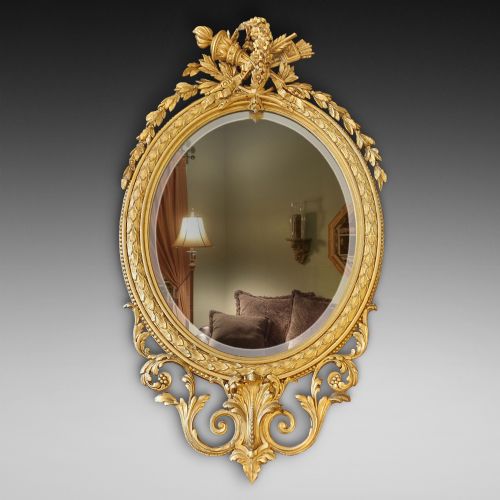
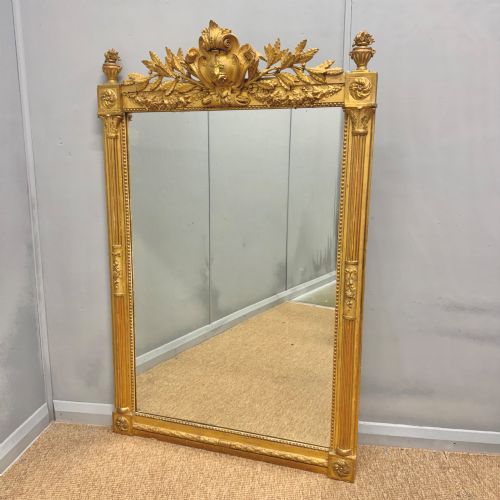
When searching for an antique wall hanging mirror, buyers encounter a diverse selection spanning the eighteenth, nineteenth, and early twentieth centuries. These pieces encompass large overmantle mirrors, oval portrait formats, and elaborate continental designs meant to anchor a room.
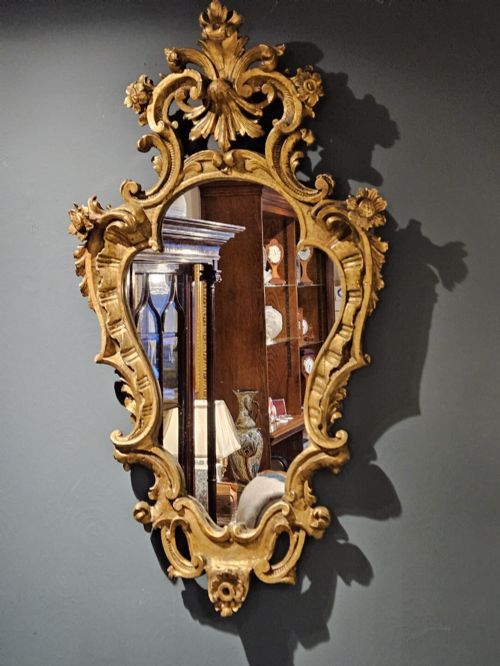
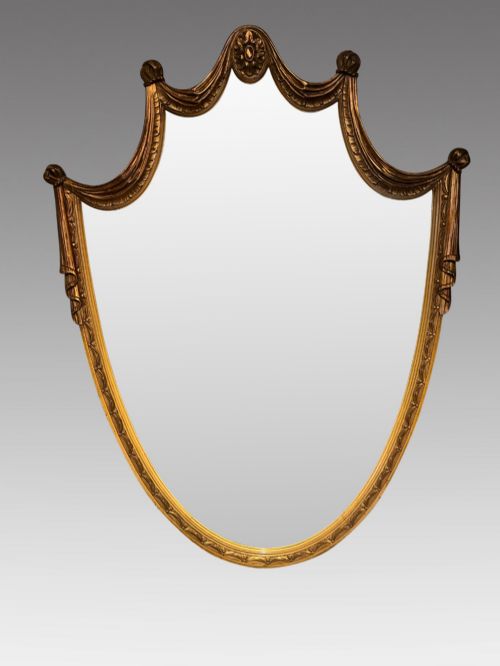
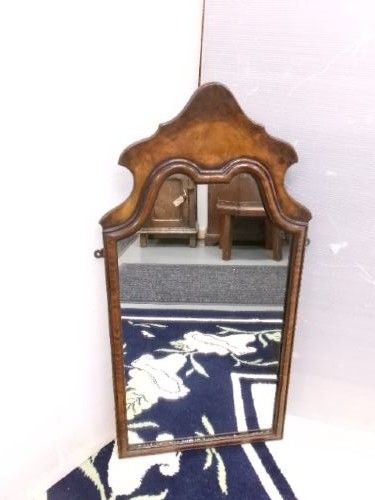
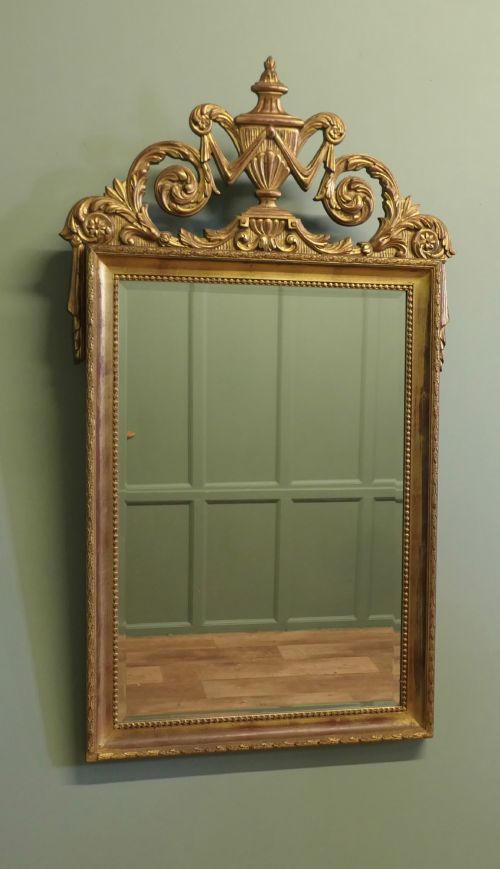
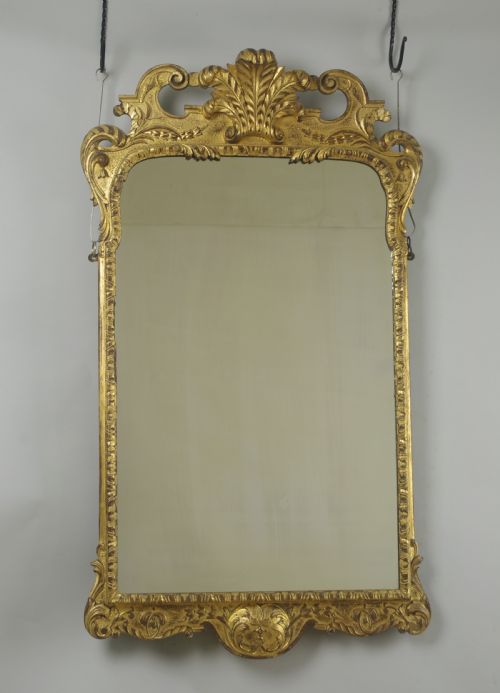
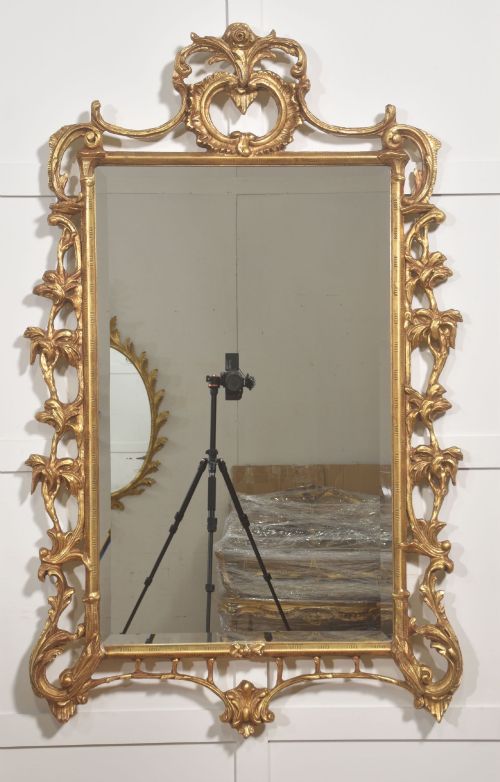
The most common versions met on this page include nineteenth-century Victorian giltwood frames, Georgian walnut designs, and decorative Edwardian or Art Deco variants. Many feature carved timber, gesso, or intricate floral and mythological motifs.
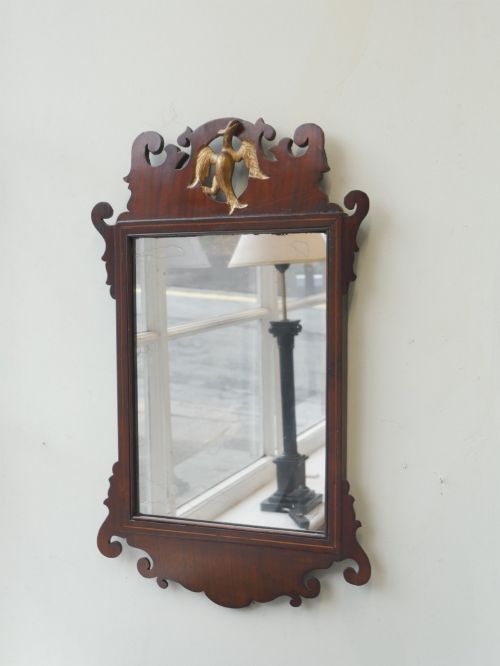
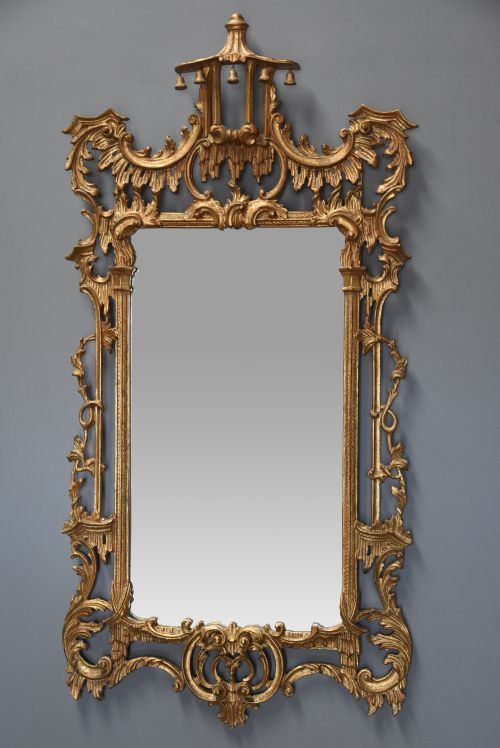
Originating from English, French, Italian, and Chinese workshops, these mirrors served both utilitarian dressing purposes and purely decorative display. Regional styles dictate whether a piece leans towards restrained mahogany grain or exuberant gold leaf ornamentation.
Materials and construction methods
Frames are constructed from solid timbers such as mahogany, walnut, oak, and beech, often shaped with applied gesso or carved directly into the wood. Giltwood and gold leaf finishes were meticulously applied over preparation layers to achieve a luminous metallic sheen.
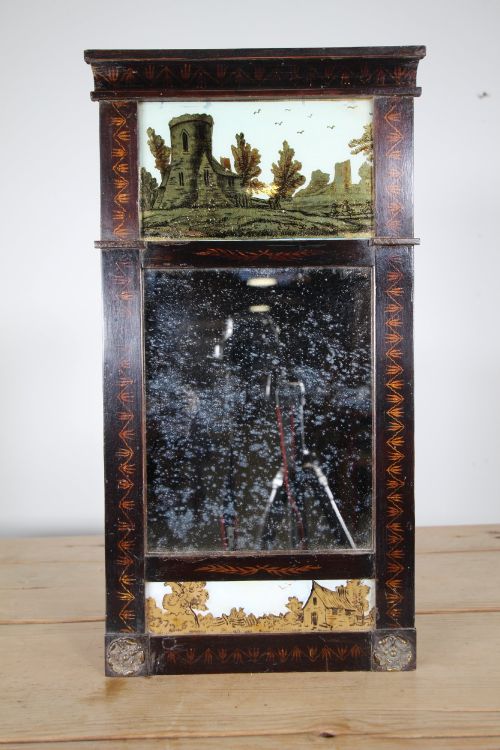
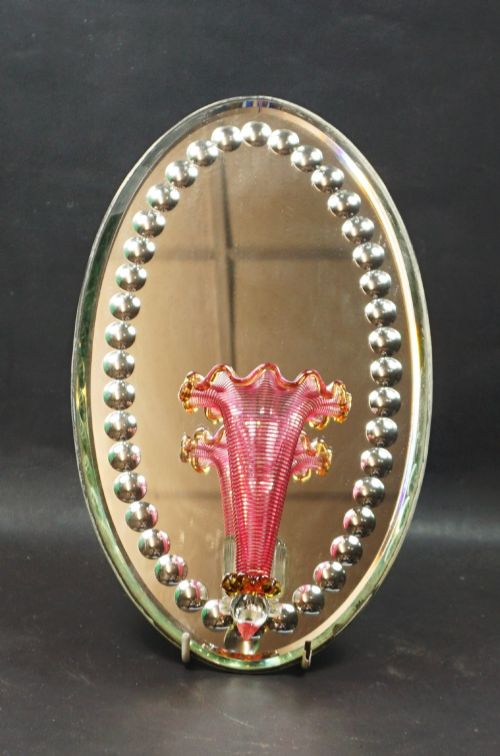
Glass plates were silvered or bevelled by hand, sometimes showing the subtle imperfections and gentle oxidation typical of early manufacturing techniques. Marquetry inlay, parcel gilding, and faux bamboo detailing demonstrate the varied cabinetmaking skills of the period.
Antique Wall Hanging Mirror Retail Price Guide 2026
Typical asking prices for wall hanging mirror among the pieces listed under this phrase on Sellingantiques today, from the lower quarter to the upper quarter. They describe what is for sale here now, not the wider market.
Certain nineteenth-century frames incorporate subtle Masonic symbols, offering a discreet nod to fraternal history within the domestic interior.
Evaluating craftsmanship and design
Quality rests in the depth and crispness of the carving, where hand-chiseled gesso and deeply undercut wooden foliage distinguish superior workshop output from mass-produced uniformity. The harmony of the proportions and the originality of the glass plate further separate fine examples from standard items.
The integrity of the construction, the retention of original gilding without excessive over-painting, and the sophistication of secondary elements like marquetry inlay or reverse glass painting dictate a piece's standing among collectors.
Waring and Gillow
The Antique Wall Hanging Mirror Glossary
- Giltwood
- Wood that has been coated with gold leaf or metal powder. This finish was widely used on decorative frames to catch and reflect candlelight.
- Gesso
- A plaster-like mixture applied to wood frames to create a smooth surface for carving and gilding. It allows for intricate relief ornamentation.
- Overmantle
- A large mirror designed to hang specifically above a fireplace mantel. These pieces often feature wide horizontal proportions.
- Marquetry
- The art of applying pieces of veneer to a structure to form decorative patterns. Walnut and mahogany were frequently used for this detailed inlay work.
- Bevelling
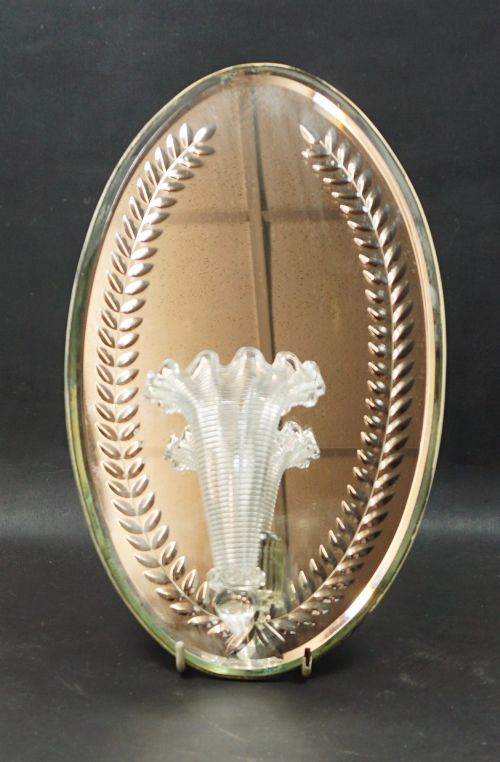
- The practice of sloping the edge of a mirror glass plate at an angle. This technique creates a prismatic light effect around the perimeter.
Antique Wall Hanging Mirror: Frequently Asked Questions
How do I hang a heavy antique mirror?
Heavy mirrors require secure wall fixings distributed across the weight-bearing points of the timber frame. Professional mirror brackets or French cleats screwed directly into wall studs provide the necessary support.
Avoid relying solely on decorative hanging loops attached to the backboards, as centuries-old fastenings can weaken over time.
How do I clean an antique glass plate?
Use a soft microfiber cloth and a mild, ammonia-free glass cleaner applied to the cloth rather than directly onto the mirror. This prevents moisture from seeping behind the plate and damaging the silvering.
Take care near the edges where the historic backing may be fragile or degraded.
How can I tell the age of the frame?
Examine the construction methods, wood types, and fastening materials visible on the reverse of the frame. Hand-cut joinery, old screw types, and the composition of the gesso layer help determine the period.
Comparing the decorative motifs, such as Rococo scrolls or Victorian vine carvings, with documented period styles provides further verification.
Is the mirror plate original?
Original plates often display subtle foxing, minor grey speckling, or slight distortions in the reflection caused by early glass-making methods. A completely flawless reflection in an eighteenth-century frame often indicates a modern replacement.
Inspect the back of the glass for age-related darkening or protective backing treatments.