

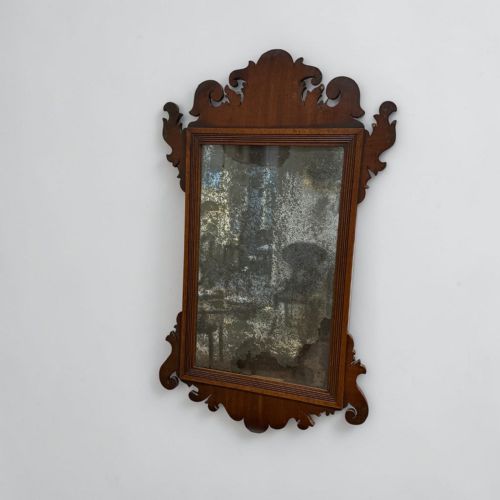
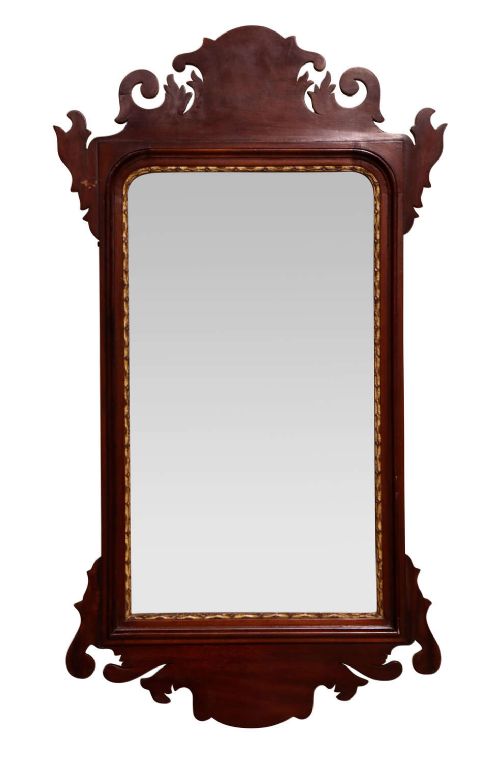
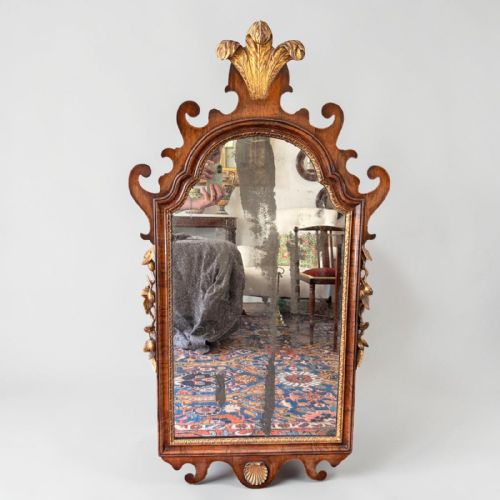
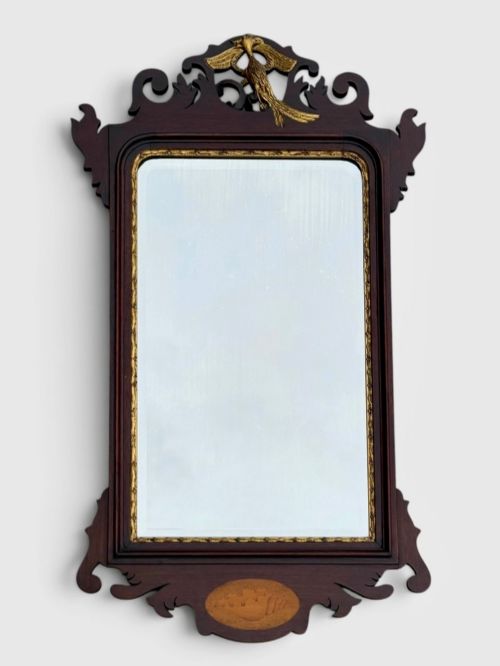
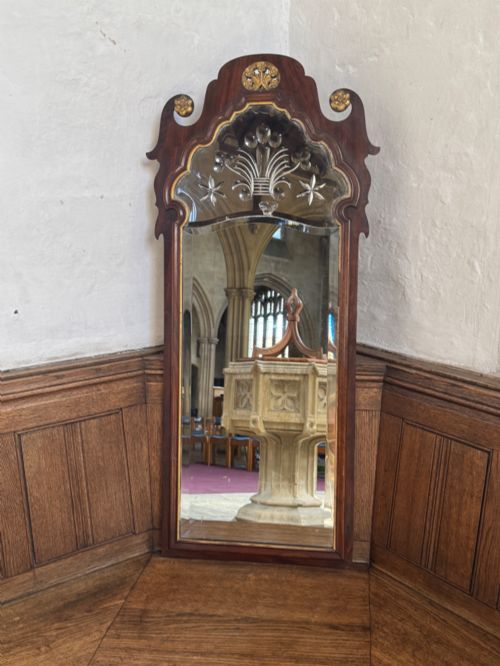
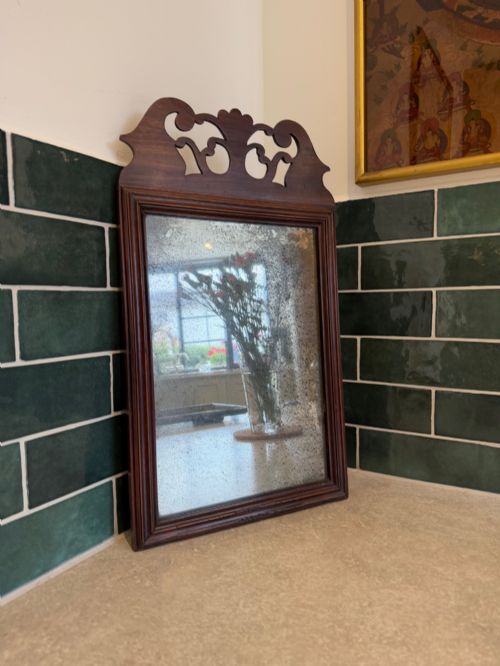
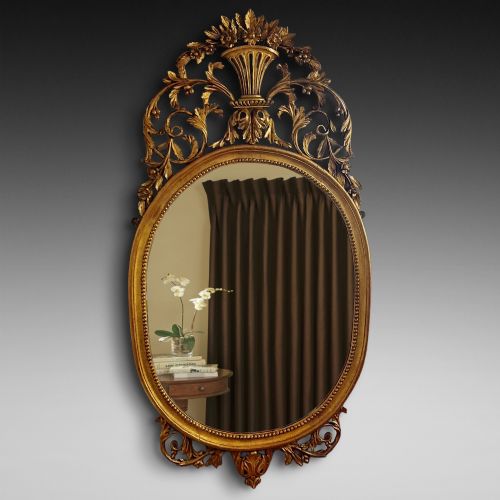
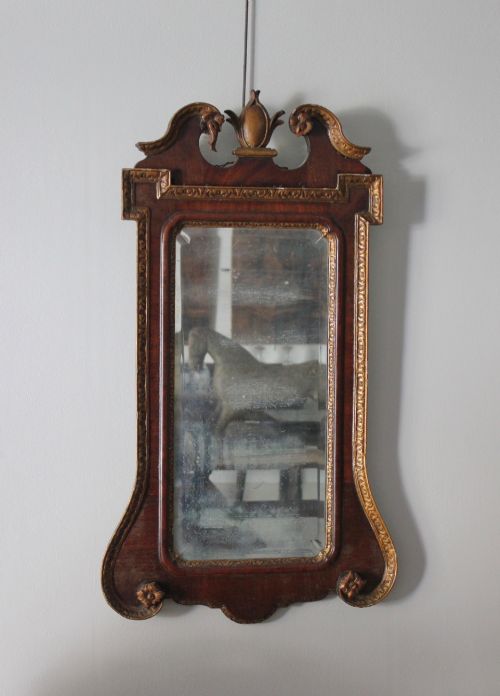
Chippendale Style Wall Mirror
A chippendale style wall mirror brings striking architectural frames and fluid ornamentation to a room, drawing the eye with intricate fretwork and gilded details.
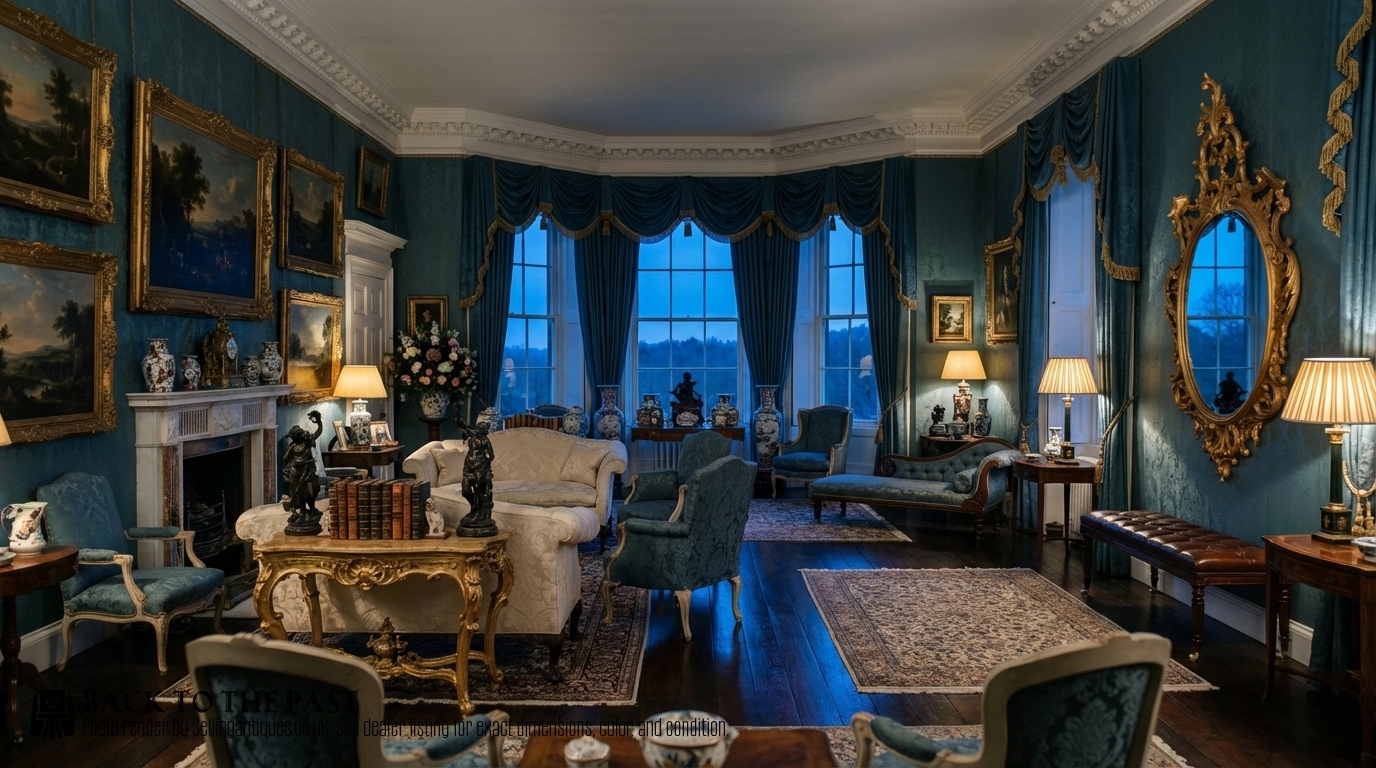
Chippendale Style Wall Mirror
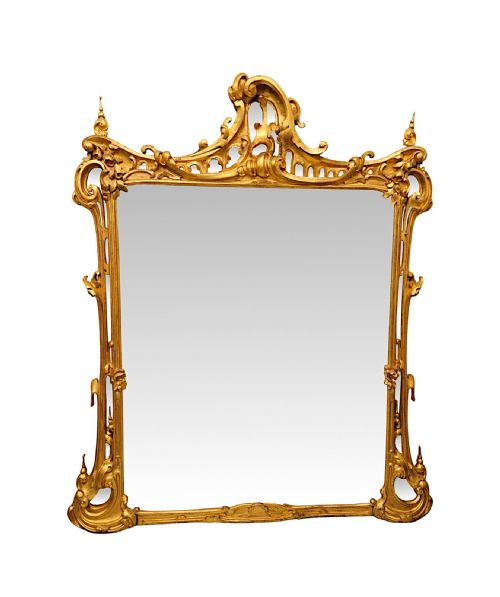
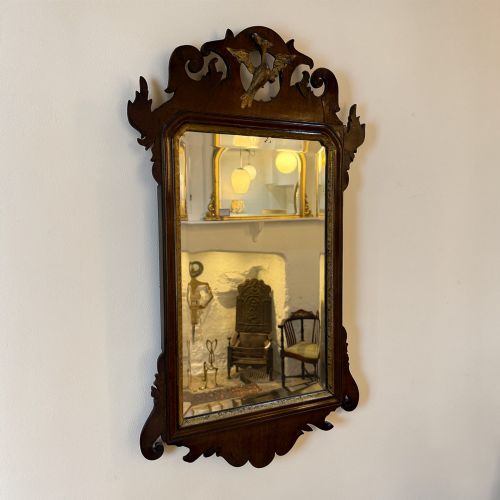
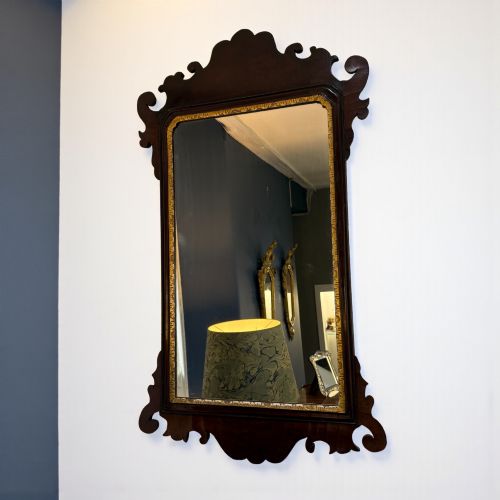
A chippendale style wall mirror encompasses wall-hanging and overmantel forms that reflect 18th-century English cabinet-making traditions. These pieces often feature elaborate fret-cut silhouettes, scrolling foliage, and classical motifs suited for principal rooms.
The selections on this page span genuine Georgian origins as well as later revivals from the Victorian, Edwardian, and 1920s periods. Mahogany and walnut frames predominate alongside gilded wood finishes.
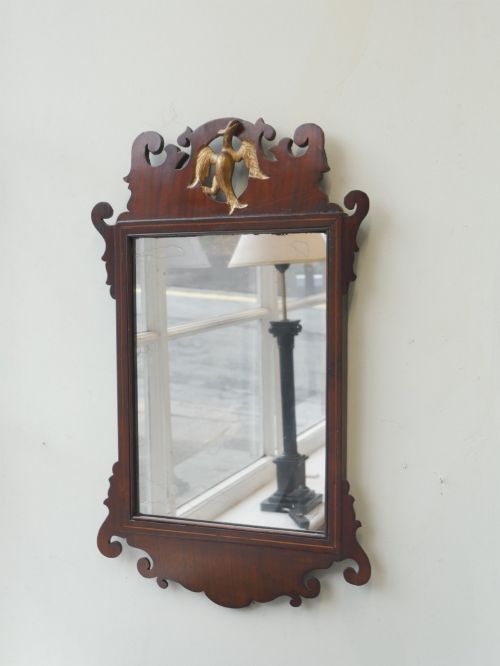
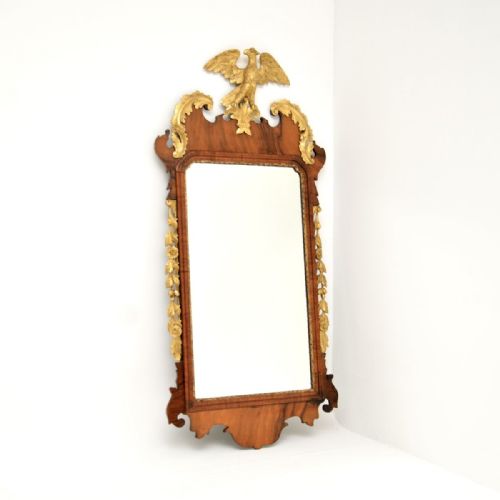
Buyers will encounter substantial overmantel mirrors alongside vertical portrait formats and pier glasses. Many examples incorporate traditional decorations such as the iconic Ho Ho bird or parcel gilt accents.
Materials and construction
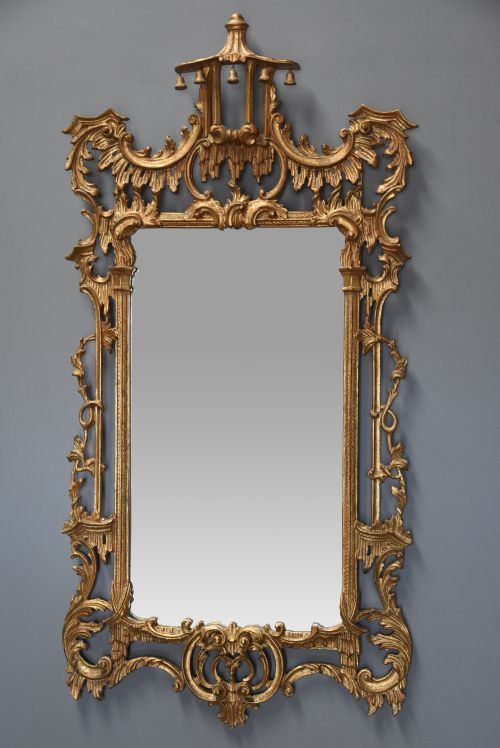
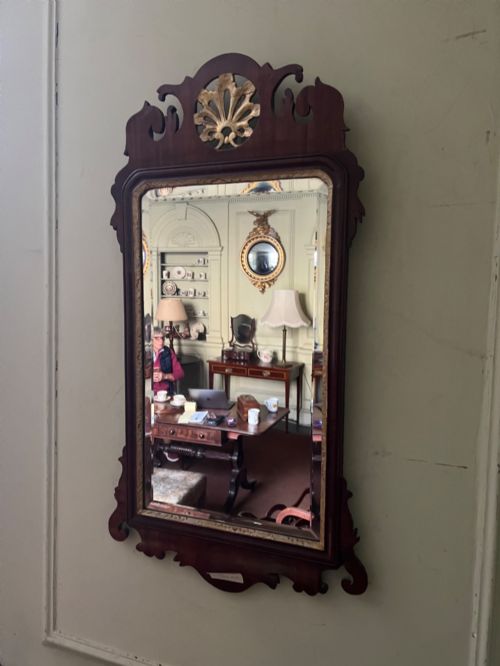
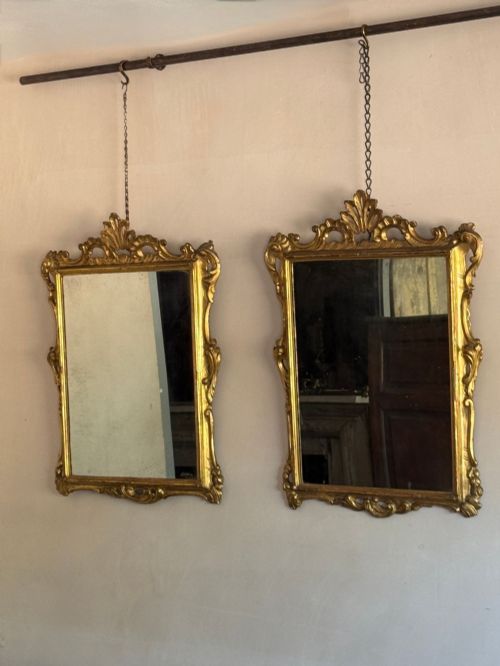
Frames are constructed primarily from timbers such as mahogany and walnut, chosen for their stability and grain, often finished with parcel gilt highlights. Artisans also utilised gesso over carved softwoods to build up intricate gilded frames for the more ornate rococo and Chinese Chippendale variants.
Fretwork elements were meticulously pierced and carved by hand using specialised saws, creating the characteristic delicate silhouettes seen on these mirrors. Joinery combined traditional corner blocks with pinned joints to support the weight of the glass plate.
Chippendale Style Wall Mirror Retail Price Guide 2026
Typical asking prices for chippendale style wall mirror among the pieces listed under this phrase on Sellingantiques today, from the lower quarter to the upper quarter. They describe what is for sale here now, not the wider market.
Evaluating craftsmanship
The precision of the hand-carved fretwork separates exceptional examples from standard pieces, with superior frames exhibiting crisp undercutting and balanced symmetry. Finer items display meticulous attention to detail in sculptural elements like bird carvings and acanthus leaves.
The quality of the gilding and the depth of the wood patina contribute significantly to the overall presence of the mirror. Original silvered glass plates showing age-appropriate oxidation enhance the authenticity and visual depth of period pieces.
The Chippendale Style Wall Mirror Glossary
- Fretwork
- Openwork ornamentation cut from a thin board with a fretsaw. This technique defines the intricate, geometric silhouettes of many frames.
- Giltwood
- Timber that has been coated with a thin layer of gold leaf or gold paint. It reflects candlelight and daylight effectively in interior spaces.
- Overmantel mirror
- A large horizontal mirror designed specifically to hang above a fireplace mantelpiece. These pieces often feature landscape orientations and expansive glass plates.
- Parcel gilt
- Partially gilded decoration where gold leaf is applied only to specific carved highlights against a dark wood background. This creates a striking contrast between the timber grain and the metallic finish.
- Ho Ho bird
- A stylized Chinese phoenix frequently incorporated into mid-18th-century mirror carvings. It serves as a popular decorative motif within Chinese Chippendale designs.
Chippendale Style Wall Mirror: Frequently Asked Questions
Where should I hang a large overmantel mirror?
These expansive mirrors find their traditional home directly above a drawing room fireplace, where their width balances the hearth below.
They also work well on principal dining room walls to reflect light and create a sense of greater space.
How do I distinguish an 18th-century piece from a revival copy?
Original period pieces show distinct tool marks behind the frame and timber shrinkage appropriate to age.
Revival versions from the Victorian or Edwardian eras often use different secondary woods and modern backing techniques.
What is Chinese Chippendale style?
This aesthetic draws heavily on Asian design motifs, featuring pagoda roofs, rustic lattice work, and exotic bird carvings.
It represents a playful, highly ornate branch of mid-18th-century cabinet making.
Are these mirrors heavy to hang?
Gilded wood and dense mahogany frames carry considerable weight due to their solid timber construction and glass plates.
Secure wall fixings into masonry or structural studs are essential for safe installation.